Plywood Store Near Me: How to Find Authorized Dealers + Checklist to Avoid Fake Sheets
Searching ‘plywood store near me’? Use this checklist to find authorized dealers, verify grade/certification, and avoid fake or under-thickness plywood sheets.
Quick Decision Summary
Best answer in one line: A legitimate plywood store displays ISI marks, offers caliper-verified thickness, provides GST invoices, and lets you inspect sheets before purchase.
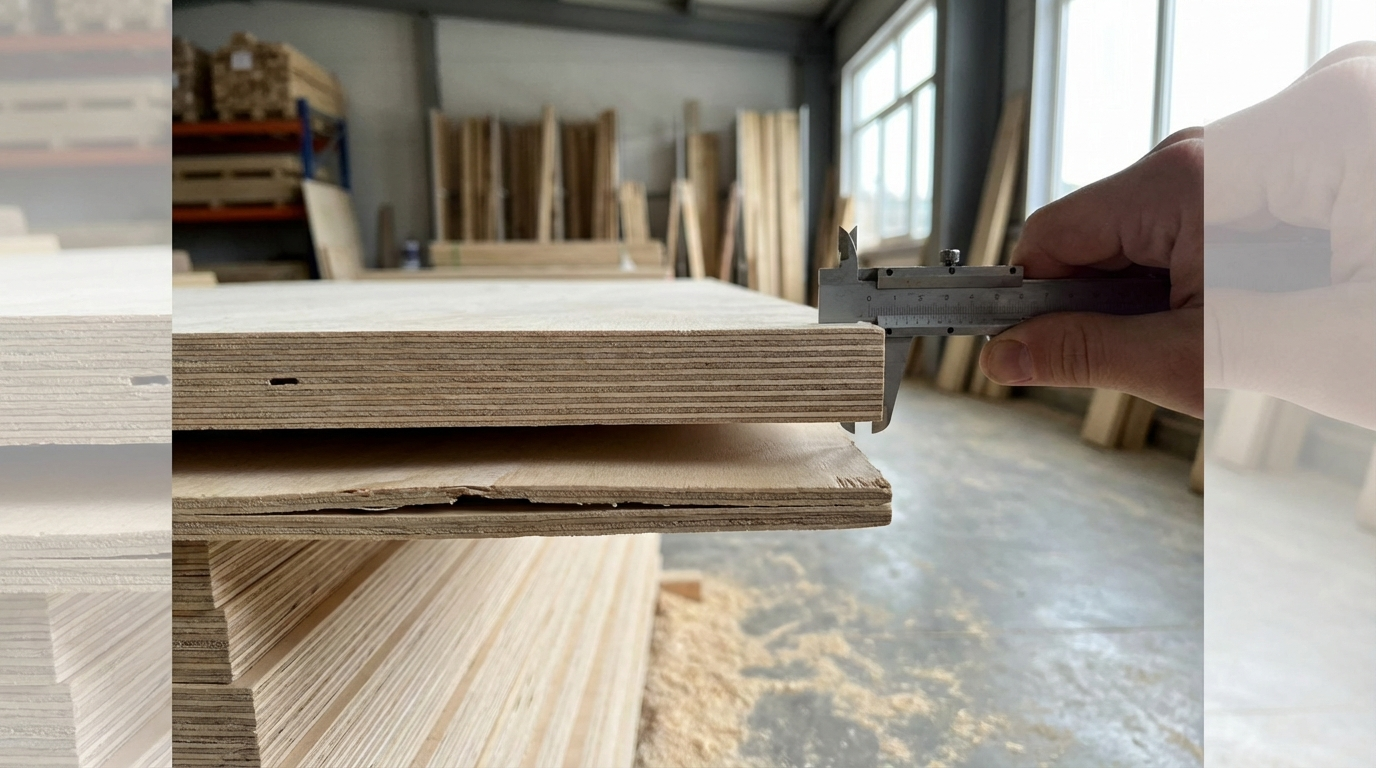
If you're in a hurry: When searching for a plywood store near your location, prioritize shops that allow hands-on inspection of sheets, display brand-stamped cores on cut edges, and provide proper tax invoices. Avoid stores that discourage questions about grade certification or refuse thickness verification. Ask to see the ISI stamp (IS 303 for MR/BWR, IS 710 for BWP/Marine) directly on the sheet surface. Check that the actual thickness matches what you're paying for using a caliper or vernier gauge. Request the manufacturer's printed rate card to compare against quoted prices. These steps take five minutes but prevent months of regret from fake or substandard plywood.
- Choose this approach if: You want plywood that matches claimed grade, thickness, and quality for furniture, kitchens, or interiors.
- Avoid this approach if: You're buying scrap plywood for temporary shuttering where grade verification matters less.
Why Finding the Right Plywood Store Matters More Than the Brand Name
Many buyers assume that choosing a well-known brand automatically guarantees quality. The reality in Indian markets is different. Even premium brands get counterfeited, mislabeled, or stored improperly by dealers. A trusted local store with proper verification practices often delivers better results than blindly trusting brand names from questionable sources.
The plywood market in India includes thousands of small dealers, regional distributors, and unorganized retailers. Some maintain excellent standards while others cut corners. Your job is to identify stores that prioritize transparency over quick sales.
What Separates Authorized Dealers From Unreliable Stores?
Authorized dealers typically receive sheets directly from manufacturers or authorized regional distributors. They maintain proper storage conditions, honor warranty claims through the brand, and provide documentation that traces back to the manufacturer. Unreliable stores often source from secondary markets, mix genuine and duplicate sheets, store plywood in damp conditions, and avoid paperwork that could expose their practices. The difference becomes visible in sheet quality, thickness consistency, and the store's willingness to answer technical questions.
India-Specific Reality Check
Plywood storage and handling conditions vary dramatically across Indian cities. Coastal areas like Mumbai, Chennai, and Kochi experience year-round humidity that can damage improperly stored sheets within weeks. Northern plains face extreme temperature swings between summer and winter. Monsoon season across the country creates moisture challenges even for indoor storage.
Many dealers store plywood in open warehouses, partially covered sheds, or stacked directly against walls that absorb ground moisture. Sheets stored this way may develop edge swelling, core delamination, or fungal growth before you even buy them. A good store maintains covered, ventilated storage with sheets stacked flat on raised platforms.
Contractor workflows in India often involve multiple handling stages—dealer to site, site storage, then carpenter workshop, then final installation. Each stage introduces damage risk. Buying from stores that deliver directly to site with proper packaging reduces handling damage significantly.
How to Find Plywood Stores in Your Area: Practical Methods
Method 1: Map-Based Search With Verification
Start with map applications on your phone to identify nearby timber and plywood dealers. Note down names, addresses, and operating hours. Before visiting, call each store and ask specific questions: Do you stock ISI-marked sheets? Which brands do you carry? Can I inspect sheets before purchase? Stores that give confident, specific answers are worth visiting first.
Method 2: Contractor and Carpenter Referrals
Local carpenters and interior contractors purchase plywood regularly and know which stores deliver consistent quality versus those with frequent complaints. Ask for two or three recommendations and the reasons behind them. Carpenters often reveal details like "that store's 18mm comes out thin" or "this dealer replaces damaged sheets without arguing."
Method 3: Brand Website Dealer Locators
Most established plywood manufacturers maintain dealer networks and sometimes list authorized sellers by city or region. Check multiple brands' dealer information to identify stores that appear across several lists—these multi-brand authorized dealers typically maintain higher standards.
Method 4: Building Material Markets
Major cities have dedicated building material markets (timber markets, plywood bazaars) where multiple dealers operate in proximity. Visiting these markets allows quick comparison shopping. However, concentrated markets also attract counterfeiters, so verification becomes even more important.
The 15-Point Checklist to Verify Any Plywood Store
Before Visiting the Store
- Phone test: Call and ask about specific grades (MR, BWR, BWP) and thicknesses. Legitimate stores answer confidently with stock availability.
- Price check: Ask for approximate rates per sheet for 18mm BWR. Prices significantly below market range suggest compromised quality.
- Documentation query: Ask if they provide GST invoice with HSN code for plywood. Hesitation indicates possible issues.
- Delivery terms: Ask about delivery charges and whether they stack sheets properly during transport.
At the Store: Visual Inspection
- Storage conditions: Are sheets stored flat on raised platforms? Is the area covered and ventilated? Avoid stores with sheets leaning against walls or exposed to rain spray.
- ISI marking visibility: Check multiple sheets for ISI stamps. Stamps should mention IS standard number, manufacturer name, and grade. Inconsistent or missing stamps are red flags.
- Brand stamping on core: Ask to see a cut edge or request they cut a sample. Genuine branded sheets often have manufacturer stamps visible on core layers.
- Surface quality: Run your hand across face veneers. Excessive roughness, patches, or visible repairs indicate lower grades or rejects.
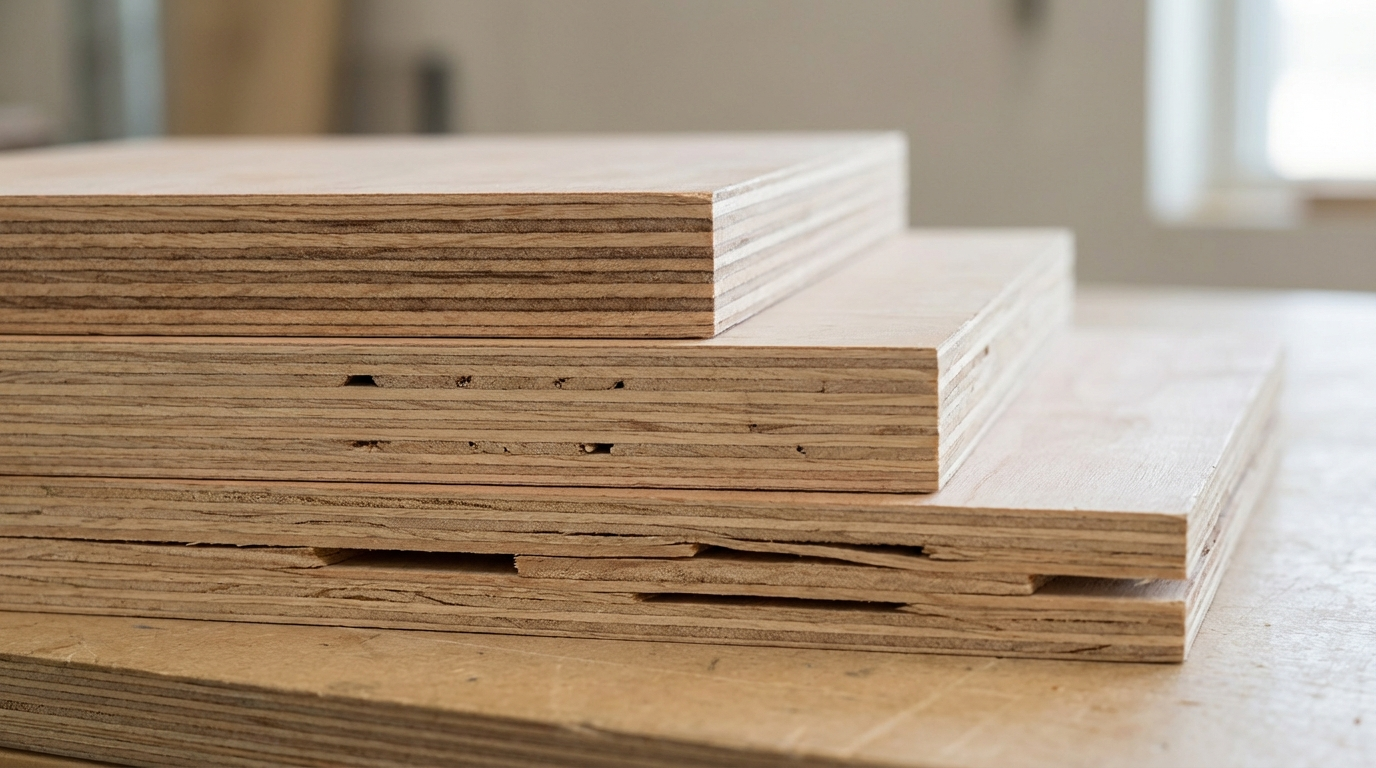
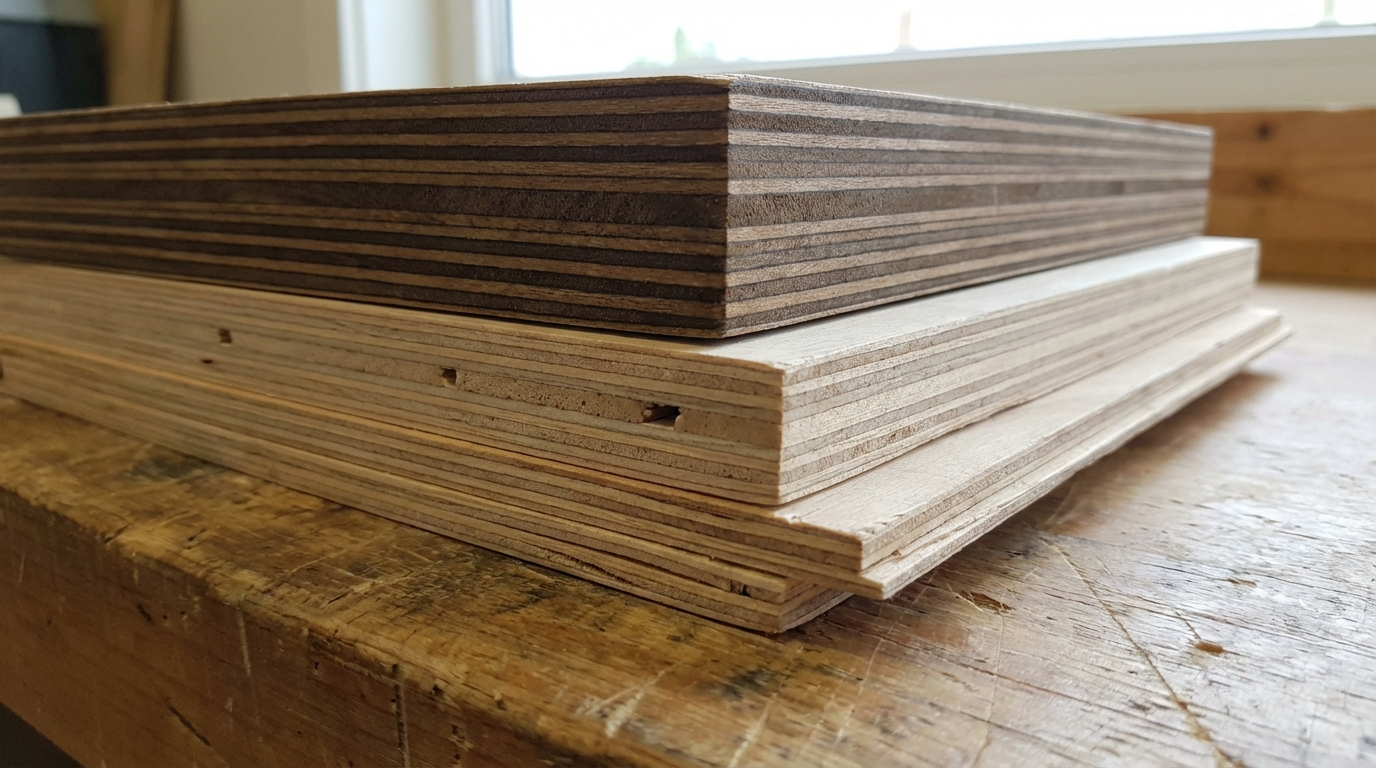
- Edge inspection: Look at sheet edges for gaps between plies, voids in core, or uneven glue lines. These indicate manufacturing defects.
Verification Tests You Can Request
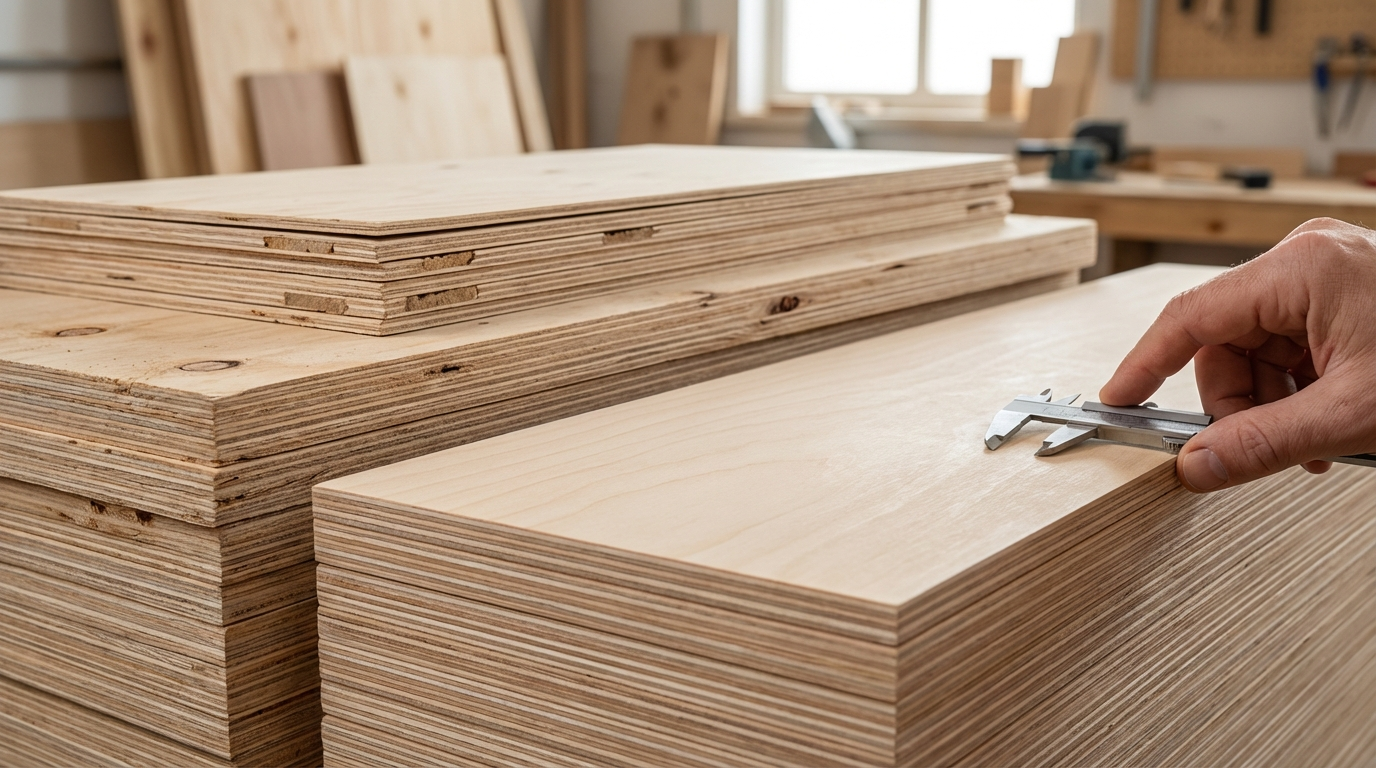
- Thickness measurement: Bring a digital caliper or ask the store to measure. An "18mm" sheet should measure 17.5-18.5mm. Anything below 17mm is under-thickness, regardless of label.
- Weight comparison: Lift sheets of the same claimed grade and thickness. Significantly lighter sheets may have lower-density cores or hollow sections.
- Tap test: Tap the sheet surface in multiple spots. Hollow sounds indicate core voids or delamination.
- Flex test: For thinner sheets (6-9mm), gentle bending should show uniform flexibility. Crackling sounds suggest internal damage.
Documentation Verification
- GST invoice: Insist on proper tax invoice with seller GSTIN, HSN code (typically 4412 for plywood), and itemized description including grade and thickness.
- Warranty card: Some brands offer warranty cards. Ask for them and verify the process for claims.
Common Signs of Fake or Substandard Plywood Sheets
How Do Counterfeit Sheets Enter the Market?
Counterfeit plywood enters Indian markets through several channels. Some manufacturers produce unbranded sheets that retailers then stamp with fake ISI marks or brand names. Others take genuine sheets, sand them down to reduce thickness, and sell them at full price while pocketing the difference. Rejected sheets from factories sometimes get diverted to unscrupulous dealers who remove rejection marks. Imported plywood without proper certification gets relabeled as premium domestic brands.
Physical Signs That Indicate Fake Sheets
Look for inconsistent ISI stamp printing—blurred text, incorrect font, or stamps that wipe off easily. Check for suspiciously low weight compared to genuine sheets of the same size and thickness. Examine the core through any visible edge; irregular ply thickness, excessive filler material, or misaligned grain patterns suggest substandard manufacturing. Face veneers with visible patch repairs, excessive knot holes, or uneven coloring indicate reject-grade sheets sold as premium.
Behavioral Red Flags From Dealers
Be suspicious when dealers discourage inspection, rush the purchase, refuse to provide invoices, quote prices dramatically below market rates, or cannot answer basic questions about grade differences. Legitimate dealers welcome questions because they have nothing to hide. Stores that pressure you to decide immediately or claim special one-day discounts often sell problematic inventory.
Decision Framework: Which Store Type Suits Your Needs?
| Your Situation | Best Store Type | What to Verify |
|---|---|---|
| Coastal city, kitchen cabinets needed | Authorized dealer with BWP/Marine stock | IS 710 stamp, boil test report availability, proper covered storage |
| Budget project, dry interior furniture | Multi-brand dealer with MR grade options | Thickness verification, surface quality, GST invoice |
| Large modular kitchen project | Factory-direct distributor or brand showroom | Calibrated sheet availability, batch consistency, delivery logistics |
| Urgent small requirement | Local dealer with ready stock | Quick thickness check, visual inspection, proper receipt |
| High-end veneer finish needed | Specialty dealer or brand exclusive outlet | Face veneer grade, grain consistency, finish samples |
| Contractor buying bulk for multiple sites | Regional distributor with credit terms | Consistent batch quality, delivery scheduling, replacement policy |
Trade-offs and Limitations
Authorized dealers cost more: Expect 5-15% higher prices compared to unorganized retailers. This premium covers genuine products, proper storage, and actual warranty support.
Limited brand selection: Authorized dealers often carry only one or two brands. You may need to visit multiple stores to compare options across manufacturers.
Availability constraints: Smaller towns may have few authorized dealers, forcing reliance on general timber merchants with less specialized knowledge.
Verification takes time: Proper checking adds 20-30 minutes per store visit. Rushing defeats the purpose of careful selection.
No guarantee against all problems: Even genuine plywood can fail if installed incorrectly, exposed to excessive moisture, or maintained poorly. Store selection reduces but doesn't eliminate risk.
Common Buyer Mistakes and How to Avoid Them
Mistake 1: Choosing Solely on Price
Why it happens: Tight budgets make the cheapest quote tempting. Buyers assume all 18mm BWR sheets are equivalent regardless of source.
What to do instead: Compare within 10-15% price range, not across 30-40% gaps. Drastically cheaper sheets have hidden compromises in thickness, core quality, or certification.
Mistake 2: Skipping Thickness Verification
Why it happens: Buyers trust the label. Measuring seems unnecessary or embarrassing.
What to do instead: Carry a caliper or ask the dealer to measure in front of you. Legitimate dealers do this routinely and welcome the verification.
Mistake 3: Ignoring Storage Conditions
Why it happens: Buyers focus on the sheet itself without noticing warehouse conditions.
What to do instead: Walk through storage areas. Sheets stored in damp, poorly ventilated spaces develop problems invisible at purchase but evident within months.
Mistake 4: Not Asking About Replacement Policy
Why it happens: Buyers assume returns work like other retail. Plywood replacement is complex once sheets are cut.
What to do instead: Ask upfront: What happens if sheets are defective? How do I claim warranty? Get answers before purchase.
Mistake 5: Buying Without GST Invoice
Why it happens: Dealers offer 5-10% discount for cash without bill. Buyers see immediate savings.
What to do instead: Insist on proper invoice. Without documentation, warranty claims become impossible and you may have purchased counterfeit goods.
Mistake 6: Trusting Verbal Grade Claims
Why it happens: Buyers ask "Is this waterproof?" and accept yes without verification.
What to do instead: Check ISI stamp on the sheet. IS 303 indicates MR/BWR grades. IS 710 indicates BWP/Marine. Don't rely on verbal assurances.
Mistake 7: Not Inspecting Multiple Sheets
Why it happens: Buyers check one sample sheet, then accept entire delivery without inspection.
What to do instead: Inspect random sheets from your delivery. Quality varies between batches. Check at least 20% of sheets for large orders.
Mistake 8: Ignoring Carpenter's Store Recommendations Entirely
Why it happens: Suspicion that carpenters get commissions from certain dealers.
What to do instead: Listen to recommendations but verify independently. Carpenters know which stores deliver consistent quality. Their experience has value even if you verify before purchasing.
Failure Modes and Fixes
Failure Mode 1: Delamination Within Months
Symptom: Plies separating at edges or surfaces bubbling, especially in kitchen or bathroom furniture.
Likely root cause: Wrong grade for application (MR used in wet zone) or sheets stored in damp conditions before purchase.
Prevention: Match grade to moisture exposure. Verify storage conditions. Use BWR minimum for kitchens, BWP for wet zones.
If already happening: Cannot be fully repaired. Replace affected panels with correct grade. Seal all edges on new installation.
Failure Mode 2: Thickness Mismatch Causing Uneven Surfaces
Symptom: Cabinet doors don't align flush. Laminate shows waviness. Edge banding has gaps.
Likely root cause: Under-thickness sheets or uncalibrated plywood with thickness variation across the surface.
Prevention: Measure thickness before purchase. For modular work, specify calibrated sheets with tighter tolerance.
If already happening: Sand high spots if minor. For severe variation, replace panels before lamination.
Failure Mode 3: Termite Infestation
Symptom: Hollow sounds, visible tunnels, wood powder near furniture base.
Likely root cause: Non-treated plywood or treatment claims that were false. Storage near infested materials.
Prevention: Buy from dealers who stock treated plywood from reputable manufacturers. Check for treatment certification.
If already happening: Professional pest treatment required. Severely damaged panels need replacement.
Failure Mode 4: Warping and Bowing
Symptom: Flat panels develop curves or twists. Doors don't close properly.
Likely root cause: Unbalanced moisture exposure (one side sealed, other exposed), poor core quality, or incorrect storage before use.
Prevention: Seal all sides and edges. Store flat with even support. Acclimatize sheets to site conditions before installation.
If already happening: Minor warps sometimes flatten under weight over time. Severe warps require panel replacement.
Failure Mode 5: Surface Finish Failure
Symptom: Laminate peeling, veneer lifting, paint cracking on plywood surface.
Likely root cause: Poor face veneer quality, inadequate surface preparation, or incompatible adhesive.
Prevention: Inspect face veneer before purchase. Use appropriate adhesives for plywood type. Ensure proper surface cleaning before finishing.
If already happening: Remove failed finish, sand surface, reapply with correct method and materials.
Failure Mode 6: Screw Holding Failure
Symptom: Screws pull out easily. Hinges become loose. Hardware doesn't hold.
Likely root cause: Low-density core, excessive voids in core layers, or screws placed in compromised zones.
Prevention: Check core density during purchase (lift test, tap test). Use appropriate screw sizes. Pre-drill pilot holes.
If already happening: Fill holes with wood filler and epoxy. Relocate screws to undamaged areas. Use larger diameter screws or anchor inserts.
Quality Checks You Can Do Without Lab Tests
Before Buying: At the Store
- Visual ISI check: ISI stamp should be clearly printed (not hand-stamped or sticker-applied) with standard number, CM/L number, and manufacturer details.
- Thickness measurement: Use digital caliper on multiple points across the sheet. Variation should be within ±0.5mm for calibrated sheets, ±1mm for standard.
- Edge examination: Look at all four edges. Core plies should be uniform thickness, tightly bonded, without gaps or filler material.
- Surface flatness: Lay sheet on flat ground. Check for bowing by looking along the length. Gaps under middle indicate cupping.
- Weight consistency: Compare sheets of same specification. Significant weight differences indicate density variations.
- Tap test: Tap surface in grid pattern. Consistent sound indicates uniform core. Hollow spots reveal voids.
After Cutting: Workmanship Cues
- Clean cut edges: Well-bonded plywood cuts cleanly without ply separation or excessive splintering.
- Core visibility: Cut edges reveal core quality. Look for consistent ply thickness, proper grain orientation, and tight glue lines.
- Sawdust quality: Fine, consistent sawdust indicates good core. Chunky, irregular debris suggests poor internal bonding.
- Screw test: Drive a test screw near edge. Good plywood holds screws firmly. Easy pull-out indicates weak core.
After Installation: Ongoing Monitoring
- Edge sealing verification: Check that all exposed edges received proper sealing (edge band, PU sealer, or paint).
- Moisture monitoring: In first monsoon season, check for signs of swelling, delamination, or finish damage in high-humidity areas.
- Hardware tightness: After one month, check all hinges and handles for loosening. Early loosening indicates core problems.
Persona-Specific Tips for Finding and Verifying Plywood Stores
For Homeowners
Durability priorities: Focus on grade matching your use case. BWR handles most kitchen and bathroom adjacent areas. BWP only necessary for direct water exposure. MR works fine for bedroom furniture.
Cleaning habits that protect plywood: Wipe spills immediately. Don't use excessive water when cleaning laminated surfaces. Keep furniture away from direct sunlight to prevent veneer fading.
What NOT to do: Don't skip edge sealing. Don't install plywood furniture directly against exterior walls that may transfer moisture. Don't ignore early signs of damage hoping they'll resolve.
For Carpenters
Cutting considerations: Score laminated surfaces before cutting to reduce chipping. Use sharp blades appropriate for plywood. Support sheets fully during cutting to prevent edge damage.
Edge preparation: Sand cut edges lightly before edge banding. Apply edge band with proper temperature and pressure. Trim excess carefully without damaging face veneer.
Fastening zones: Maintain minimum 25mm edge distance for screws. Pre-drill in hardwood-faced plywood. Use washer-head screws for better holding in thinner sheets.
Hinge installation: Route hinge cups precisely to depth. Reinforce hinge zones in softwood-core plywood with hardwood inserts if needed.
For Architects and Interior Designers
Specification clarity: Specify grade (MR/BWR/BWP), thickness, face veneer type, and calibration requirements in tender documents. Ambiguous specs lead to contractor substitutions.
Wet-zone detailing: Design water barriers between plywood and potential moisture sources. Specify waterproof membranes behind bathroom cabinets. Ensure adequate ventilation in enclosed spaces.
Finish compatibility: Match plywood face quality to intended finish. High-gloss laminates reveal surface imperfections—specify calibrated sheets with A-grade face.
For OEM and Modular Furniture Makers
Repeatability requirements: Establish relationships with distributors who can guarantee consistent batch quality. Test new batches before production runs.
QC checkpoints: Measure thickness of incoming sheets (sample 10% minimum). Check for warping before cutting. Verify face quality before lamination.
Reducing returns: Use correct grade for application. Document plywood specifications on warranty cards. Train installation teams on proper handling and edge sealing.
Price Range Awareness: What to Expect in Indian Markets
Plywood prices vary significantly based on grade, thickness, core species, face veneer quality, brand reputation, and location. Use these indicative ranges to identify suspiciously cheap or overpriced offers.
Approximate Range for 8x4 Feet Sheets (2024-25)
| Grade | Thickness | Typical Range |
|---|---|---|
| MR (Commercial) | 18-19mm | ₹50-80 per sq ft |
| BWR | 18-19mm | ₹75-120 per sq ft |
| BWP/Marine | 18-19mm | ₹110-160 per sq ft |
| Calibrated BWR | 18mm | ₹90-140 per sq ft |
Cost drivers that affect pricing:
- Core species: Hardwood cores (gurjan, eucalyptus) cost more than softwood (poplar) cores.
- Face veneer: Premium face veneers add 10-20% to base price.
- Calibration: Calibrated sheets cost 15-25% more than standard.
- City variation: Metro cities typically 5-15% higher than tier-2 cities due to real estate and logistics costs.
- Brand premium: Established brands command 10-30% premium over regional manufacturers.
How to Get Accurate Quotes
When requesting quotes, specify: exact grade (IS standard number), thickness, sheet size, face veneer type if relevant, quantity needed, delivery location, and whether you need GST invoice. Vague requests get vague answers that enable later price manipulation.
FAQs
How do I verify if a plywood dealer is actually authorized by the brand?
Contact the manufacturer directly through their official channels and ask for authorized dealer information in your area. Most brands maintain dealer networks and can confirm if a specific store is part of their authorized chain. Some manufacturers provide dealer certificates that stores can display. Additionally, authorized dealers typically receive sheets in original packaging with intact seals and can show recent invoices from the manufacturer or regional distributor. Be cautious of stores that claim authorization but cannot provide any verification.
What is the difference between ISI mark and ISO certification for plywood?
ISI mark (Bureau of Indian Standards certification) indicates the plywood meets specific Indian Standards for quality, water resistance, and safety. IS 303 covers MR and BWR grades while IS 710 covers BWP/Marine grade. ISO certification refers to the manufacturer's quality management systems, not the product quality itself. A factory can be ISO certified but produce plywood that doesn't meet ISI standards. For buyers, the ISI mark on the actual sheet matters more than the manufacturer's ISO certificate because it directly indicates product compliance.
Why do some stores sell the same brand at very different prices?
Price variations occur due to several legitimate and illegitimate reasons. Legitimate factors include purchase volume discounts, storage and overhead costs, location-based expenses, and whether the store is a primary or secondary distributor. However, significantly lower prices often indicate mixed inventory (genuine sheets mixed with duplicates), under-thickness sheets sold at full-thickness prices, rejected factory seconds sold as first quality, or counterfeit products with fake branding. When prices seem too good, verify through physical inspection rather than trusting the deal.
Should I buy plywood online or from physical stores?
Physical stores allow hands-on inspection before purchase, which remains the most reliable quality verification method. Online purchases from manufacturer-authorized platforms can work for standardized products if the platform has a clear return policy and you verify upon delivery. However, plywood quality varies batch to batch, and inspecting a sample online doesn't guarantee your delivered sheets match. For high-value purchases like kitchen cabinets or wardrobes, physical store inspection provides better protection. Online may work for small quantities or replacement pieces where you already know the product quality.
How much thickness variation is acceptable in plywood sheets?
Standard plywood typically has ±1mm tolerance, meaning an 18mm sheet might measure anywhere from 17mm to 19mm and still be within acceptable range. Calibrated plywood offers tighter tolerance of ±0.3-0.5mm, making it necessary for modular furniture and machine-cut applications. However, many Indian markets sell under-thickness sheets—an "18mm" sheet measuring 16mm or less. This is not acceptable tolerance variation but deliberate cheating. Always measure before purchase. If a sheet labeled 18mm consistently measures below 17mm, it's under-thickness regardless of brand or store claims.
What questions should I ask the store owner before buying?
Ask about specific grades in stock (not just "waterproof" but IS 303 BWR or IS 710 Marine). Ask about core species (hardwood vs softwood). Request to measure thickness and inspect storage conditions. Ask about warranty claim process and what documentation you'll receive. Inquire about delivery timing and handling during transport. Ask if they'll replace sheets with manufacturing defects. Ask about their supplier relationship—direct from manufacturer or through distributors. The quality and confidence of answers reveal store reliability more than the specific answers themselves.
Can I return plywood if I find defects after delivery?
Return policies vary significantly between stores. Most legitimate dealers allow returns for manufacturing defects discovered before cutting—things like delamination, warping, or wrong grade delivery. Once sheets are cut, returns become complicated because defects could result from improper cutting. Document everything with photos immediately upon delivery. Inspect sheets before allowing the delivery person to leave. Some stores have 24-48 hour inspection windows. Get return policy details in writing or on invoice before purchase. Without documentation, even genuine defect claims face resistance.
How do I spot fake ISI marks on plywood?
Genuine ISI marks are typically inkjet printed directly onto the sheet surface during manufacturing, appearing in specific format with IS standard number, CM/L number (certification mark license), and manufacturer name. Fake marks often appear as stickers, rubber stamps, or poorly printed inkjet copies. The font, spacing, and color consistency differ from genuine marks. Compare suspected sheets against confirmed genuine products from the same manufacturer. Some counterfeiters replicate marks very well, so combine ISI verification with physical quality checks like thickness measurement, core inspection, and weight comparison for comprehensive assessment.
Is it better to buy from a store that stocks multiple brands or single-brand dealers?
Both have advantages. Multi-brand dealers allow comparison shopping and may offer alternatives if one brand is unavailable. They're also less likely to push a specific product due to exclusive arrangements. Single-brand authorized dealers typically have deeper product knowledge, better access to the full product range, and established warranty claim processes with the manufacturer. For standard requirements, multi-brand dealers work well. For specialized products, warranty-dependent purchases, or large projects requiring consistent supply, single-brand authorized dealers often provide better service and accountability.
What should I check specifically for kitchen cabinet plywood?
Kitchen environments involve moisture, heat, and chemical exposure. Verify BWR grade minimum (IS 303 with boiling water resistant specification) or BWP grade for areas near sinks. Check that face veneer is smooth enough for laminate application. Confirm thickness is accurate since under-thickness sheets compromise cabinet structural integrity. Inspect core for voids that could harbor moisture or pests. Ask about termite and borer treatment. Ensure the store provides proper GST invoice for warranty documentation. For modular kitchens, specify calibrated sheets to ensure consistent panel fitting and laminate adhesion.
Final Verification Checklist: Print and Carry to Store
Essential Items to Check
- ISI mark present with readable standard number (IS 303 or IS 710)
- Manufacturer name printed on sheet
- Thickness verified with measurement tool
- Core edges inspected for gaps and voids
- Surface flatness checked
- Storage conditions observed (covered, dry, elevated)
- GST invoice confirmed before purchase
- Return/warranty policy clarified
Questions to Ask
- What IS standard does this grade conform to?
- Can I measure thickness on multiple sheets?
- Where do you source these sheets from?
- What's your policy if sheets have manufacturing defects?
- Will you provide proper GST invoice?
Red Flags That Should Make You Walk Away
- Dealer discourages inspection or measurement
- Prices significantly below market range without clear explanation
- No ISI marks or marks that appear stamped/stickered
- Sheets stored in damp, uncovered areas
- Refusal to provide proper documentation
- Aggressive sales pressure or "limited time" offers
- Inability to answer basic questions about grade differences
Want Plywood Suggestions?
Share a few details and a Duro BOIL specialist will suggest suitable brands and connect you to responsive dealers.