Main Hall Double Door Designs: 25 Grand Entrance Ideas (2026)
Explore 25 stunning main hall double door designs for Indian homes. Grand entrance ideas with wood, glass & metal combinations plus Vastu tips.
Quick Overview
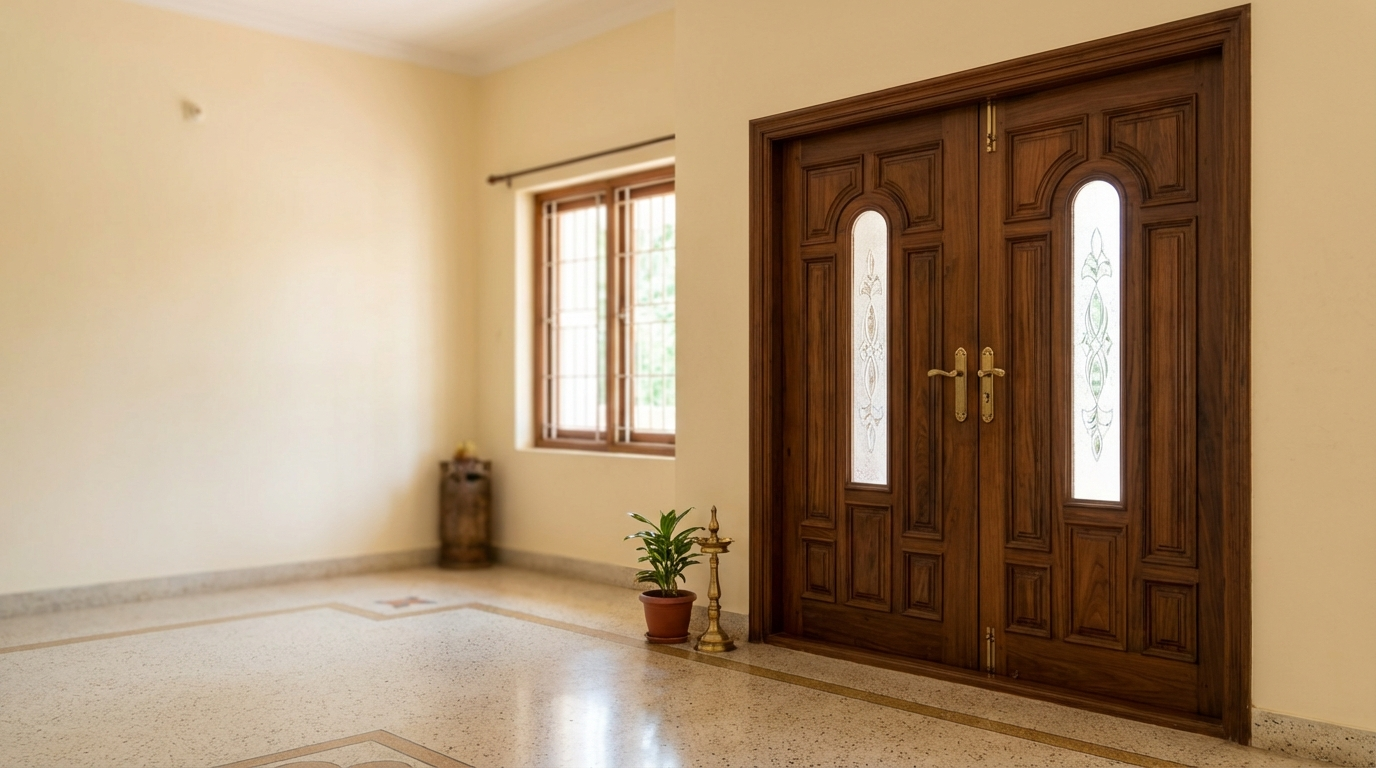
A main hall double door transforms your home entrance from ordinary to extraordinary, creating a lasting first impression. The idea of having two doors for one entryway is not revolutionary but it does add more grandeur—perhaps, even a majestic sense—to the space.
This guide covers 25 stunning main hall double door designs perfect for Indian homes in 2026, ranging from traditional carved teak designs to contemporary glass-metal combinations. Whether you're building a new villa, renovating your bungalow, or upgrading your flat's entrance, duroboil.com has curated the most inspiring designs along with practical guidance on materials, dimensions, Vastu compliance, and budget planning.
Who should read this guide:
- Homeowners planning new construction or renovation
- Interior designers seeking design inspiration
- Architects working on residential projects
- Carpenters looking for trending design references
- Anyone wanting to upgrade their home entrance
Main Hall Double Door Requirements for Indian Homes
The main entrance door serves as more than just a functional barrier—it's a statement of your home's personality and a reflection of your aesthetic sensibilities. The right choice for your principal hall double door can make a huge difference in your home's style and personality.
Why Choose Double Doors for Main Hall?
Double doors are great because they make your entryway feel roomy and welcoming. Having two doors open creates a super wide space, which is a breeze when you're moving in furniture or anything big and bulky. This practical advantage, combined with the visual impact of a grand entrance, makes double doors the preferred choice for main halls in villas, independent houses, and premium apartments.
Key advantages include:
- Grand visual impression that elevates property value
- Better natural light penetration when doors have glass elements
- Easier movement of large furniture and appliances
- Improved ventilation options with one shutter open
- Enhanced Vastu compliance for many floor plans
Standard Dimensions for Double Doors in India
In India, a typical double door is 7 feet tall and 4 feet wide. These dimensions provide ample space for comfortable entry and can accommodate various architectural styles and door designs commonly seen in Indian homes.
| Door Type | Height (Feet) | Width (Feet) | Best For |
|---|---|---|---|
| Standard Double Door | 7 | 4-5 | Most Indian homes |
| Premium Double Door | 7-8 | 5-6 | Villas, bungalows |
| Grand Entrance | 8-10 | 6-8 | Luxury homes, farmhouses |
| Apartment Double Door | 7 | 4 | Premium flats |
Standard Measurements of Double Door are usually 7-8 feet (2.2-2.44 meters) in height and 6 feet (1.8 meters) in width. However, these can be customized based on your hall size and architectural requirements.
Best Materials for Main Hall Double Doors
Material selection directly impacts your door's durability, maintenance requirements, security, and overall appearance. In the Indian context, climate considerations—from coastal humidity to extreme temperature variations—play a crucial role in material choice.
Solid Wood Options
Teak is the best option, hands down. It resists moisture, warping, and termites, making it ideal for humid climates. This makes teak wood the gold standard for main doors across India.
| Wood Type | Durability | Termite Resistance | Price Range (per sq ft) | Best For |
|---|---|---|---|---|
| Burma Teak | Excellent | High | ₹1,200-2,500 | Premium homes, coastal areas |
| Indian Teak (CP Teak) | Excellent | High | ₹900-1,800 | Most residential applications |
| Sal Wood | Excellent | High | ₹600-1,200 | Heavy-duty doors, frames |
| Sheesham (Rosewood) | Very Good | High | ₹700-1,400 | Carved doors, traditional designs |
| Mahogany | Good | Moderate | ₹500-1,000 | Indoor applications, budget premium |
Sal wood is considered to be one of the heaviest and strongest types of wood that is used to make doors and window frames. Plus, it is resistant to white ants, fungus, and also towards any type of infestation even for a longer duration of time.
Engineered Wood and Modern Materials
For budget-conscious homeowners or those seeking specific aesthetic effects, modern materials offer excellent alternatives:
- HDHMR (High Density High Moisture Resistant): Excellent for humid areas, takes laminate finish well
- Block Board with Veneer: Cost-effective option for interior-facing main doors
- WPC (Wood Plastic Composite): Waterproof, termite-proof, suitable for high-moisture areas
- Steel with Wood Cladding: Maximum security with wooden aesthetics
Glass and Metal Combinations
The combination of wood and glass creates a sense of both grandeur and warmth. Modern double door designs increasingly incorporate tempered glass panels, wrought iron accents, or stainless steel frames for contemporary appeal.
25 Grand Main Hall Double Door Designs for 2026
Based on duroboil.com's extensive research into trending designs, market availability, and practical functionality for Indian homes, here are 25 stunning double door designs categorized by style preference.
Traditional Indian Double Door Designs (1-8)
Traditional Indian doors are a symbol of culture and craftsmanship. These designs draw inspiration from India's rich architectural heritage, featuring intricate carvings and cultural motifs.
1. Classic Teak Carved Double Door
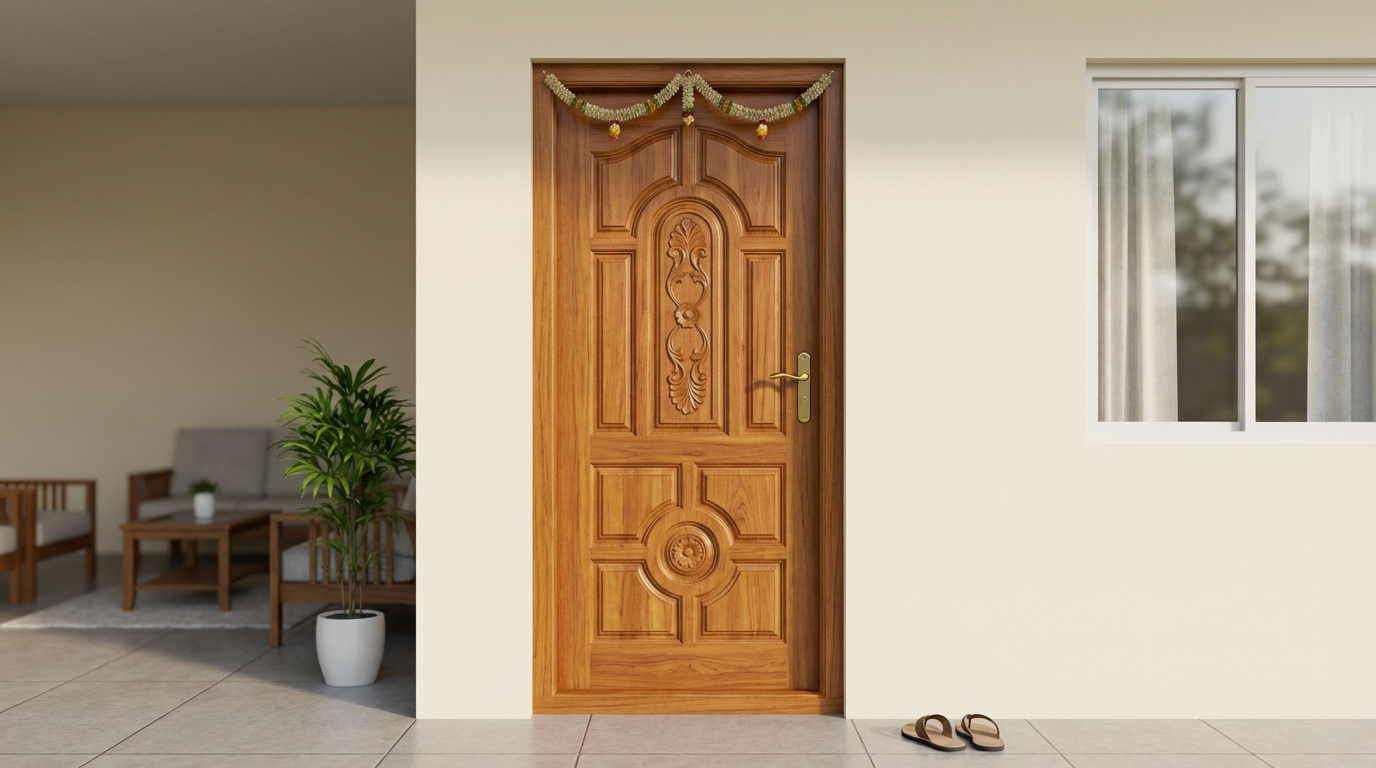
This timeless design features hand-carved floral motifs on solid teak wood. The deep carvings create shadow play that adds depth and character. Ideal for traditional Indian homes, this design typically includes brass fittings and a natural wood polish that highlights the grain pattern.
Materials: Solid teak wood, brass hardware
Estimated Cost: ₹80,000-1,50,000
Best For: Heritage homes, traditional interiors
2. Haveli-Style Antique Double Door
Antique haveli wooden doors are exquisite pieces of craftsmanship that bring a touch of regal heritage and timeless elegance to any space. Originating from the grand havelis of Rajasthan and Gujarat, these doors are characterized by intricate carvings, ornate brass or iron hardware.
Materials: Reclaimed teak, antique brass fittings
Estimated Cost: ₹1,20,000-3,00,000
Best For: Farmhouses, heritage properties, ethnic interiors
3. Temple-Inspired Jali Pattern Door
Jali Patterns: Latticed designs for ventilation and aesthetic balance, especially in temple-style doors. This design incorporates traditional jali work in the upper panels, allowing light and air while maintaining privacy.
Materials: Teak or sheesham with carved jali panels
Estimated Cost: ₹70,000-1,30,000
Best For: South Indian homes, spiritual spaces
4. Rajasthani Fort-Inspired Door
These doors are inspired by grand fort entrances. Historically influenced, these entrances are for those who want to add some Indian culture and heritage into their interiors. Features iron studs, heavy panels, and arched top design reminiscent of royal palaces.
Materials: Solid wood with iron accents, distressed finish
Estimated Cost: ₹90,000-1,80,000
Best For: Villas, luxury homes, ethnic restaurants
5. South Indian Panel Door Design
This design incorporates multiple raised panels with subtle carvings, reflecting South Indian temple architecture. The doors typically feature symmetrical designs with decorative brass handles and hinges.
Materials: Teak or honne wood
Estimated Cost: ₹60,000-1,10,000
Best For: Tamil Nadu, Kerala, Karnataka homes
6. Peacock Motif Carved Door
The national bird adorns this stunning design, with detailed peacock carvings on each shutter. The design symbolizes prosperity and grace, making it a popular choice for Indian homes.
Materials: Premium teak with natural polish
Estimated Cost: ₹1,00,000-2,00,000
Best For: Wedding venue entrances, luxury homes
7. Lotus Pattern Traditional Door
Featuring carved lotus motifs—a symbol of purity and prosperity in Indian culture—this design combines spiritual significance with aesthetic beauty. The layered lotus petals create a three-dimensional effect.
Materials: Sheesham or teak
Estimated Cost: ₹75,000-1,40,000
Best For: Vastu-compliant homes, traditional interiors
8. Kerala-Style Wooden Door
Inspired by traditional nalukettu architecture, this design features ornate carvings with brass fittings. The dark wood finish and elaborate top panel work distinguish this South Indian style.
Materials: Teak or rosewood with brass accents
Estimated Cost: ₹85,000-1,60,000
Best For: Kerala homes, plantation houses
Modern Contemporary Double Door Designs (9-16)
For homeowners looking for modern geometric or industrial designs for their main halls, geometric modern double doors are the perfect option. These are created from wood, metal, or their combination, offering a contemporary edge to your interiors.
9. Minimalist Flush Double Door
A solid colour front door with minimal designs a subtle nod to Scandinavian design principles, where simplicity and functionality reign supreme. Clean lines, no visible hardware, and a seamless finish define this design.
Materials: Engineered wood with laminate/veneer
Estimated Cost: ₹35,000-60,000
Best For: Modern apartments, minimalist homes
10. Geometric Pattern Door
For a contemporary design feeling, the doors should have geometrical carvings and the handles should be longer. Complex geometric patterns are organized around a central focus at the entry.
Materials: Wood with CNC-carved patterns
Estimated Cost: ₹50,000-90,000
Best For: Contemporary homes, urban apartments
11. Black Matte Swinging Door
If your taste reflects bold designs, switch to black swinging doors now. This daring solid colour represents attention and elegance, along with adding a contemporary touch to your space. You can pair up black doors with contrasting interiors to create a show-stopping look.
Materials: Engineered wood with matte black finish
Estimated Cost: ₹45,000-80,000
Best For: Modern villas, designer homes
12. Wood-Glass Combination Door
Frosted glass allows natural light to flow through the entryway, creating a bright and welcoming atmosphere. However, it cleverly obscures the view into your hall, maintaining a sense of privacy.
Materials: Teak frame with tempered frosted glass
Estimated Cost: ₹55,000-1,00,000
Best For: Well-lit homes, contemporary designs
13. Long Handle Designer Door
The trend for long-handled doors is the modern, luxurious look they offer. The handles aren't just practical, but they also enhance the design of the door. They make your door look stylish and impressive.
Materials: Solid wood with vertical metal handles
Estimated Cost: ₹60,000-1,10,000
Best For: Luxury apartments, premium homes
14. Dual-Tone Contemporary Door
This design features contrasting wood tones—typically light oak and dark walnut—creating visual interest through color blocking. The asymmetrical design adds modern flair.
Materials: Veneer in two contrasting tones
Estimated Cost: ₹40,000-75,000
Best For: Modern interiors, design-forward homes
15. Pivot Double Door Design
Instead of traditional hinges, this design uses a floor-mounted pivot system, creating a dramatic entrance effect. The doors rotate smoothly on a central axis, requiring minimal effort to operate.
Materials: Solid wood or metal with pivot mechanism
Estimated Cost: ₹80,000-1,50,000
Best For: Large entrances, statement homes
16. Vertical Groove Pattern Door
Clean vertical grooves running the full height of the door create an illusion of taller ceilings. This simple yet effective design works with both traditional and modern interiors.
Materials: Solid wood or HDHMR with grooves
Estimated Cost: ₹40,000-70,000
Best For: Standard ceiling heights, versatile application
Fusion and Indo-Western Double Door Designs (17-21)
Fusion designs blend traditional Indian craftsmanship with contemporary aesthetics, creating doors that honor heritage while embracing modernity. According to duroboil.com's research, these designs are increasingly popular among urban Indian homeowners seeking the best of both worlds.
17. Traditional Carving with Glass Inserts
This design combines hand-carved panels with strategically placed glass inserts, allowing natural light while maintaining the traditional carved aesthetic.
Materials: Teak with clear or frosted glass panels
Estimated Cost: ₹70,000-1,20,000
Best For: Transitional interiors, semi-traditional homes
18. Modern Frame with Antique Panel
A sleek modern frame houses antique-style carved panels, creating an interesting contrast between old and new. The clean frame provides a contemporary border to traditional artistry.
Materials: Mixed wood types with contrasting finishes
Estimated Cost: ₹65,000-1,15,000
Best For: Eclectic homes, art collectors
19. Metal Grid with Wood Panel Door
Wrought iron or stainless steel grid work combined with solid wood panels creates an industrial-meets-traditional aesthetic. This design offers additional security while maintaining visual appeal.
Materials: Wood panels with metal framework
Estimated Cost: ₹75,000-1,30,000
Best For: Urban homes, security-conscious buyers
20. Moroccan-Inspired Arched Door
The distinctive Moroccan arch combined with Indian carving techniques creates an exotic fusion design. The curved top adds visual interest and breaks the monotony of rectangular entrances.
Materials: Solid wood with arched frame
Estimated Cost: ₹85,000-1,50,000
Best For: Mediterranean-style homes, resort villas
21. Art Deco Inspired Double Door
Geometric patterns inspired by the Art Deco movement, featuring symmetrical designs, sunburst motifs, and bold lines. This design brings 1920s glamour to modern Indian homes.
Materials: Wood with brass or gold-tone accents
Estimated Cost: ₹70,000-1,25,000
Best For: Luxury apartments, boutique hotels
Premium and Luxury Double Door Designs (22-25)
22. Solid Burma Teak Masterpiece
The ultimate in wooden door craftsmanship, this design uses premium Burma teak with deep relief carvings depicting traditional scenes. Each door is a unique piece of art, requiring months of skilled craftsmanship.
Materials: Premium Burma teak, brass fittings
Estimated Cost: ₹2,00,000-5,00,000+
Best For: Luxury villas, heritage properties
23. Designer Metal-Wood Combination
Premium metal work (brass, copper, or stainless steel) combined with exotic wood creates a statement entrance. Custom designs can incorporate family crests, monograms, or bespoke patterns.
Materials: Exotic wood with custom metalwork
Estimated Cost: ₹1,50,000-3,50,000
Best For: High-end residences, commercial spaces
24. Smart Electronic Double Door
Integrating smart lock technology, biometric access, and remote operation capabilities with premium wooden aesthetics. This design combines traditional appearance with cutting-edge security features.
Materials: Engineered wood with smart hardware
Estimated Cost: ₹1,20,000-2,50,000
Best For: Tech-savvy homeowners, premium apartments
25. Custom CNC Designer Door
CNC-carved doors combine traditional woodworking with modern technology, offering precision, intricate designs, and customization options. Any design—from your family name to abstract patterns—can be precisely carved.
Materials: Premium wood with CNC carving
Estimated Cost: ₹60,000-1,80,000 (depends on complexity)
Best For: Personalized homes, unique designs
Design Considerations for Indian Homes
Climate-Specific Requirements
India's diverse climate demands careful material selection based on your region:
| Region | Climate Challenge | Recommended Materials | Design Tips |
|---|---|---|---|
| Coastal (Mumbai, Chennai, Kochi) | High humidity, salt air | Burma teak, treated wood, stainless steel | Avoid iron fittings, use marine-grade finishes |
| North India (Delhi, Jaipur) | Extreme temperature variation | Teak, sal, engineered wood | Allow expansion gaps, use quality sealants |
| South India (Bangalore, Hyderabad) | Moderate humidity, termites | Teak, rosewood, treated wood | Anti-termite treatment essential |
| Northeast & Monsoon-prone | Heavy rainfall, high moisture | Teak, sal, WPC doors | Elevated threshold, weather stripping |
Security Features to Consider
Your main door is your first line of defense. Essential security features include:
- Multi-point locking systems: Engages at multiple points along the frame
- Heavy-duty hinges: Use 4-5 hinges for double doors; consider concealed hinges
- Door thickness: Minimum 35mm for security doors; 40-45mm preferred for main entrance
- Reinforced frames: Steel-reinforced wooden frames prevent forced entry
- Quality locks: Mortise locks with deadbolt from reputed brands
- Peephole and video doorbell: Essential for visitor verification
Vastu Guidelines for Main Hall Double Doors
Your home's entrance is more than just a doorway; it's a portal for energy to flow in and out. In Vastu, the main entrance plays a crucial role in ushering in prosperity, good health and positive vibes.
Ideal Door Directions as per Vastu
According to main door opening rules as per Vastu, the entrance should ideally face the north, northeast, east or west, as these facilitate prosperity.
| Direction | Vastu Rating | Associated Benefits | Recommended Door Color |
|---|---|---|---|
| Northeast | Most Auspicious | Spiritual growth, peace, clarity | Light blue, cream |
| North | Highly Auspicious | Wealth, prosperity, abundance | Blue, black, green |
| East | Auspicious | Health, power, positive energy | Green, brown, natural wood |
| West | Neutral | Stability with corrections | Grey, white, metallic |
| South | Requires Remedies | Fame, recognition (with corrections) | Red, maroon, orange |
Door Opening Direction
You need to have the door open inward and clockwise. Opening inward symbolically brings prosperity inside your home, and the clockwise motion goes with the natural flow of energy in the universe.
Size and Proportion Guidelines
The entrance door of the house should be larger than the other doors inside the house. A smaller door restricts the flow of energy and opportunities in life.
Additional Vastu recommendations for main doors:
- A wooden main door is preferred in Vastu because it is believed to create a strong and positive first impression, symbolizing strength, security, and prosperity.
- New doors and original doors facing East or North and with special motifs are presumed to harness beneficial energy.
- Avoid doors with cracks, creaking sounds, or damaged panels
- The threshold (dehri) should be well-maintained and intact
- Ensure the door doesn't face a T-junction or another home's main door
Installation Guidelines for Double Doors
Pre-Installation Preparation
Proper preparation ensures your double doors perform optimally for decades:
- Frame preparation: Ensure the door frame is perfectly plumb and level
- Moisture proofing: Apply waterproof coating to frame base in contact with floor
- Clearance verification: Maintain 8-10mm gap at bottom for smooth operation
- Hardware placement: Mark hinge positions (typically at 150mm, mid-point, and 150mm from bottom)
- Acclimatization: Allow wooden doors to acclimatize for 48-72 hours before installation
Professional vs DIY Installation
For main hall double doors, professional installation is strongly recommended due to:
- Weight of solid wood double doors (50-100 kg per shutter)
- Precision required for proper alignment and operation
- Security implications of improper installation
- Warranty requirements from door manufacturers
Installation cost typically ranges from ₹2,000-5,000 for standard double doors and ₹5,000-15,000 for premium or customized installations.
Cost Estimation and Budget Planning
Duroboil.com recommends planning your double door budget based on multiple cost components:
| Component | Budget Range | Premium Range | Luxury Range |
|---|---|---|---|
| Door Shutters (pair) | ₹25,000-50,000 | ₹50,000-1,50,000 | ₹1,50,000-5,00,000+ |
| Door Frame | ₹8,000-15,000 | ₹15,000-35,000 | ₹35,000-80,000 |
| Hardware (locks, hinges, handles) | ₹3,000-8,000 | ₹8,000-25,000 | ₹25,000-75,000 |
| Installation | ₹2,000-4,000 | ₹4,000-8,000 | ₹8,000-20,000 |
| Finishing/Polish | ₹2,000-5,000 | ₹5,000-15,000 | ₹15,000-40,000 |
| Total Estimate | ₹40,000-82,000 | ₹82,000-2,33,000 | ₹2,33,000-7,15,000+ |
Note: Prices vary significantly based on location, dealer, and customization requirements. These are indicative ranges based on market research for 2026.
Maintenance Tips for Long-Lasting Double Doors
Proper maintenance ensures your investment lasts for generations:
Daily and Weekly Care
- Dust doors with soft, dry cloth twice weekly
- Wipe handles and hardware with damp cloth
- Check for smooth operation; address any sticking immediately
- Keep door tracks clean for sliding-type double doors
Monthly Maintenance
- Apply furniture polish on wooden surfaces
- Lubricate hinges and lock mechanisms
- Check weather stripping for wear
- Inspect for any water damage or termite activity
Annual Professional Care
- Wooden doors: Regular polishing with natural oils.
- Re-coating with PU or melamine finish as needed
- Complete hardware inspection and replacement
- Anti-termite treatment for solid wood doors
Common Mistakes to Avoid
Based on duroboil.com's research and expert consultations, these are the most frequent mistakes homeowners make with main hall double doors:
- Choosing aesthetics over durability: Select materials suited to your climate first, then focus on design
- Ignoring frame quality: A poor frame ruins even the best door shutters
- Skimping on hardware: Low-quality hinges and locks compromise security and longevity
- Wrong size selection: Doors too small for large halls look disproportionate
- Forgetting about ventilation: Consider designs with ventilators for improved airflow
- Neglecting maintenance: Regular care prevents costly repairs
- DIY installation: Heavy double doors require professional expertise
- Ignoring Vastu completely: Simple compliance can improve household harmony
Frequently Asked Questions
What is the standard size of a double door for main hall in India?
Double doors are often used for main entrances or larger rooms. In India, the standard size for a double door is 7 ft in height and 4 ft in width. This size provides a wider opening, allowing for easier movement of furniture and larger items. However, premium homes often opt for 8 ft height and 5-6 ft width for a grander appearance. The key is proportionality—your door should complement your hall size without overwhelming or underwhelming the space.
Which wood is best for main door double doors in India?
Teak is the best option, hands down. It resists moisture, warping, and termites, making it ideal for humid climates. Other excellent options include Sal wood for its strength and affordability, Sheesham for carved designs, and Mahogany for budget-premium applications. For coastal areas, Burma teak is preferred due to its superior moisture resistance. The choice depends on your budget, climate, and design preferences.
How much does a main hall double door cost in India?
Main hall double door costs vary widely based on material, design complexity, and location. Basic engineered wood double doors start around ₹25,000-40,000, while solid teak doors range from ₹60,000 to ₹2,00,000. Premium carved or custom-designed doors can cost ₹2,00,000 to ₹5,00,000 or more. Add ₹10,000-30,000 for quality frame, hardware, and installation. Always get quotes from multiple vendors and verify material quality before purchasing.
What direction should main door face as per Vastu?
The ideal Vastu-approved direction for your main entrance is in the east. As per Vastu, the entrance of the house should be in these ideal directions: Northeast: This is the most auspicious direction due to its exposure to the morning sun. North: The second-best direction, associated with high energy levels and bringing fortune to the residents. East: Ideal for those seeking power and luck. If your door faces south, specific Vastu remedies can help mitigate negative effects.
Should main door open inside or outside?
Your Main Door should always open in a clockwise direction. Anti-clock movement of the door causes a delay in important work, slow progress, and a difference of opinion among the family members. Additionally, the door should open inward to symbolically welcome positive energy and prosperity into your home. Most building codes in India also require inward-opening main doors for safety reasons.
Can I use glass in main hall double doors?
Frosted or patterned glass allows light into the hall while maintaining privacy. Glass inserts are increasingly popular in modern double door designs. Use tempered safety glass (minimum 8mm thickness) for security. Frosted, textured, or stained glass options provide privacy while allowing natural light. Glass panels work best for well-secured compounds or gated communities where external security is already addressed.
How do I maintain wooden double doors in humid climate?
In humid climates, wooden doors require extra care: Apply moisture-resistant coating or marine varnish annually. Ensure proper drainage around the door area to prevent water accumulation. Use weather stripping to prevent moisture seepage. Check hinges and locks for rust; apply lubricant quarterly. Consider installing a small canopy or overhang to protect doors from direct rain. Address any signs of swelling or warping immediately.
What are the trending double door designs for 2026?
Key trends for 2026 include: Modern Minimalism: Clean lines, asymmetrical pivot doors, and matte black finishes for urban homes. Other trending designs include geometric CNC patterns, wood-glass combinations with frosted panels, long handle designer doors, and fusion styles combining traditional carvings with contemporary frames. Sustainable materials and smart lock integration are also gaining popularity among design-conscious homeowners.
Is steel frame better than wooden frame for double doors?
Both have advantages: Steel frames offer superior security, termite-resistance, and dimensional stability. Wooden frames provide traditional aesthetics, better insulation, and easier repair. For coastal areas, galvanized or stainless steel frames prevent rust. Many premium doors now use steel frames with wooden cladding to combine the benefits of both. Your choice should depend on security requirements, climate, and aesthetic preferences.
How long do quality double doors last?
With proper care, teak wood doors can last decades, making them a value-for-money investment. Premium teak doors can last 50-100 years with proper maintenance. Engineered wood doors typically last 15-25 years. The lifespan depends on material quality, climate exposure, maintenance regularity, and hardware quality. Investing in quality initially pays off through decades of trouble-free service and maintained aesthetics.
Note: This is independent editorial content. Duroboil.com is not affiliated with any door manufacturers or brands mentioned in this article. Prices and specifications are indicative and may vary based on location, dealer, and market conditions. Always verify details with authorized dealers before making purchase decisions.
Disclaimer: This content is provided for general informational purposes based on industry practices and publicly available information. Product specifications, standards, prices, and availability may vary by manufacturer, region, and time. Readers should independently verify details with manufacturers, dealers, or qualified professionals before making purchase or construction decisions.
Want Plywood Suggestions?
Share a few details and a Duro BOIL specialist will suggest suitable brands and connect you to responsive dealers.