MDF price in Mumbai: thickness-wise trend guide
Understand mdf price in mumbai using price-per-sqft tables, thickness-wise factors, and dealer quote tips. Avoid overpaying and fake stock in India.
Quick Decision Summary
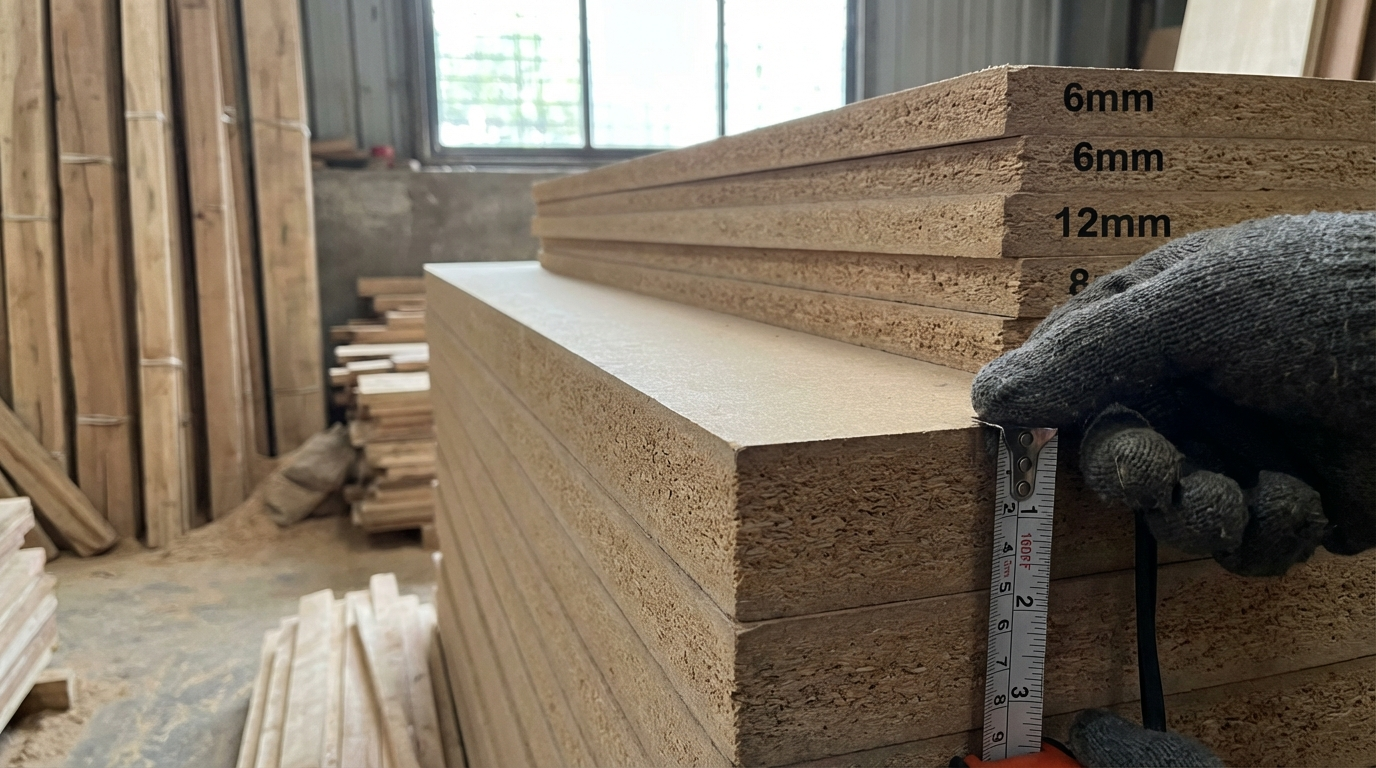
MDF prices in Mumbai trend from ₹10-20/sq ft for thin 3-6mm sheets to ₹70-120/sq ft for thick 18mm+ boards, driven by thickness and moisture resistance.
If you're in a hurry: Focus on your project's load and moisture exposure—Mumbai's coastal humidity demands moisture-resistant (MR) or high-density (HD) variants over plain. Expect 20-30% premium for branded or pre-laminated stock. Get 3-5 dealer quotes specifying thickness, density (700+ kg/m³ ideal), and sheet size (8x4 ft standard). Thin sheets suit partitions/wall panels; thicker for cabinets/shelves. Always factor 10-15% wastage and transport in humid monsoons to avoid swelling en route. Verify calibration (exact thickness tolerance ±0.3mm) to prevent cutting hassles.
- Choose plain standard MDF if: Dry interiors, light-duty furniture, tight budget under ₹50/sq ft average.
- Avoid plain if: Kitchens/bathrooms, coastal homes—opt for MR/HDHMR to cut swelling risks by half.
Price Range and Cost Drivers (India)
MDF pricing in Mumbai follows a clear thickness trend: thinner sheets cost less per sq ft but thicker ones rise sharply due to more material volume. Local factors like high demand from modular kitchens and logistics from northern mills add 10-20% over inland cities. Ranges below are typical for plain commercial-grade 8x4 ft sheets (32 sq ft); pre-laminated or imported variants push higher.
| Thickness | Typical Mumbai Range (₹/sq ft) | Common Uses |
|---|---|---|
| 3-4mm | ₹10-25 | Wall panels, laser-cut designs, lightweight partitions |
| 6-8mm | ₹20-45 | Door skins, shelves, cabinet backs |
| 9-12mm | ₹35-70 | Cabinets, furniture carcasses, tabletops |
| 16-18mm | ₹55-100 | Heavy shelves, wardrobes, structural panels |
| 25mm+ | ₹90-150 | Workbenches, thick furniture bases |
Key cost drivers: Thickness (biggest factor), density/grade (plain vs HD 800+ kg/m³ adds 20-40%), moisture resistance (MR adds 15-25%), finish (prelam +30-50%), brand vs unbranded (10-20% variance), batch quality, and city logistics—Mumbai dealers often quote inclusive of loading but exclude stacking fees.
How to ask for a quote checklist:
- Specify thickness ± tolerance, sheet size, plain/MR/HD, density min 700kg/m³.
- Ask per sq ft inclusive GST/transport to site.
- Request sample scrap for screw hold test.
- Confirm stock availability (avoid "factory-direct" delays).
- Negotiate bulk (10+ sheets): 5-10% off.
Mini budget example: 12mm MR MDF for 20 sqm kitchen cabinets (640 sq ft needed +15% wastage =735 sq ft). At ₹50/sq ft average: ₹36,750 base + ₹5,000 transport/stacking = ₹42,000 total. Dry fit before laminating saves rework.
What Drives Thickness-Wise Price Differences in Mumbai?
Thicker MDF requires exponentially more fibers and pressing energy, doubling costs beyond 12mm due to core density challenges. Mumbai's import duties on eucalyptus/softwood raise thin sheets less (₹10-20/sq ft) but thick ones more (₹70+/sq ft). Monsoon stockpiling inflates 10-15%; off-season dips 5-10%. Practical step: Cross-check 3 dealers' rates for your thickness—lowest often signals low density; aim mid-range with density proof. Always add 10% buffer for humidity-induced rejects.
What This Term/Material Actually Means
MDF stands for Medium Density Fiberboard: an engineered panel made by breaking wood into fine fibers, mixing with resin and wax, then hot-pressing under high pressure into uniform sheets. Unlike plywood's layers, MDF offers super-smooth surfaces ideal for painting/laminating, but it's denser (600-800 kg/m³) and less water-tolerant without MR treatment.
Where people get confused:
- MDF vs Particle Board: MDF finer fibers = smoother, stronger screw hold; particle coarser chips = cheaper but crumbly.
- Plain vs HDHMR: HD adds humidity resistance for Mumbai; plain swells 20%+ in monsoons.
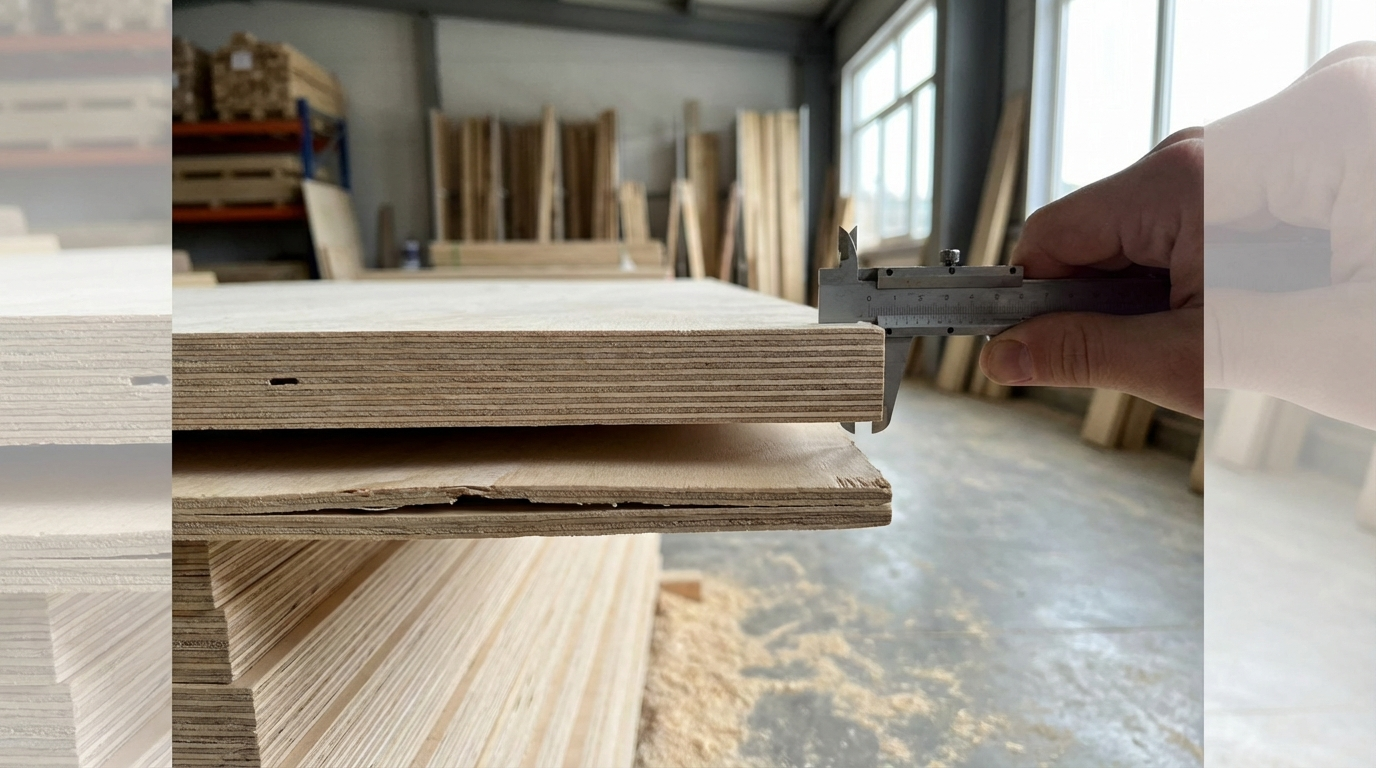
- Thickness reality: Nominal 12mm often 11.5mm actual—check caliper.
- Waterproof myth: No MDF is fully waterproof; MR delays delam but needs edge sealing.
- Load myths: 18mm holds 50kg shelf span ok dry; halves wet.
India-Specific Reality Check
Mumbai's 80-90% monsoon humidity and salty coastal air accelerate MDF swelling 2-3x faster than inland—plain stock warps in weeks if site-stored uncovered. Contractor workflows favor 12mm+ MR for quick modular fits, but open godowns mean 20% rejection rates. Handling tip: Stack flat on pallets, cover polythene, use within 48hrs post-delivery. Carpentry reality: Power tools dust more on MDF; wet sanding post-lam hides edges.
Is MDF Suitable for Mumbai's Humid Climate?
Standard MDF risks swelling/delam in high humidity, but MR or HDHMR variants (tested to 24hr boil cycles) hold up in kitchens/bathrooms with edge sealing. Nuance: Coastal salt accelerates core rot; prefer urea-formaldehyde low resin. Next step: Tap sample—dense thud means good; hollow = reject. Seal all cuts with primer same day; ventilate site 72hrs pre-install.
How to Choose in 5 Steps
- Match thickness to load/moisture: 6-8mm light/dry; 12-18mm cabinets/wet. Skip: leads to sagging.
- Pick grade: Plain interiors; MR Mumbai kitchens. Test density by weight.
- Visual/knock checks: Uniform color, no voids, solid tap sound.
- Get quotes: 3+ for same spec; compare per sq ft post-GST.
- Site trial: Buy 1 sheet, cut/test screw hold before bulk.
Which MDF Thickness for Kitchen Cabinets in Mumbai?
12mm MR standard for carcasses (sides/back); 18mm shelves for pots. Thinner saves ₹20/sq ft but sags under 20kg. Conditions: HDHMR if direct steam exposure. Verify: Screw 5cm deep into scrap—pullout >200N ideal. Budget +15% for edges; laminate hides minor swelling.
What is a Good MDF Price Per Sq Ft in Mumbai for 8mm?
₹25-40/sq ft signals commercial MR grade; under ₹20 often low-density rejects. Thicker trends higher proportionally. Check: Weigh sheet (8x4x8mm ~25-30kg); light = fibrous weak core. Quote tip: Specify "MR 700kg/m3 min"; haggle 10% on 50+ sqm.
Trade-offs and Limitations
MDF excels in smooth finishes/low cost but trades water resistance for plywood (swells faster), screw hold weakens after 2-3x (needs inserts), and edges chip without banding. Heavy (2x particle) limits upstairs hauls; fire rating low—needs treatment. Mumbai fix: MR + PU edge coat balances 80% use cases.
Two-Minute Comparison That Actually Helps
| Factor | MDF | HDHMR | Plywood BWR |
|---|---|---|---|
| Price/sq ft (12mm) | ₹40-60 | ₹60-90 | ₹80-120 |
| Humidity Hold (Mumbai) | Fair (MR) | Good | Best |
| Smooth Finish | Best | Good | Fair |
| Screw Hold | Good initial | Best | Best long |
Choose MDF for budget paint/lam jobs; HDHMR wet zones; plywood heavy structural.
Decision Framework: Match Your Project Conditions
| Condition | Recommended | What to Verify |
|---|---|---|
| Wet zone (kitchen) | 12mm+ MR/HD | Boil test scrap 1hr no swell |
| Coastal/high humidity | HDHMR any thick | Density stamp 750kg+; low glue smell |
| Heavy use (shelves) | 18mm standard | Deflection test: 1m span <2mm sag |
| Tight budget | 6-8mm plain | Calibration ±0.2mm; uniform edges |
| High scratch risk | Prelam 12mm | Sample scratch/nail test |
| Fast delivery | Local stock plain | Dealer warehouse visit |
HDHMR vs MDF: Which is Cheaper Long-Term in Mumbai?
HDHMR costs 30-50% more upfront (₹60+/sq ft 12mm) but halves replacement from swelling. MDF suits dry bedrooms. Trade-off: HD heavier haul. Check: Humidity chamber proxy—damp cloth 24hr on sample; no warp wins. Seal both; HD forgives poor workmanship better.
Common Buyer Mistakes and How to Avoid Them
- Buying cheapest without density check: Happens on site pressure; weak core sags. Instead: Weigh/knock test.
- Ignoring thickness tolerance: Nominal 12mm =11.7mm actual warps cabinets. Measure 3 spots.
- No MR in humid Mumbai: Monsoon delam floods complaints. Spec MR explicitly.
- Bulk without sample: Batch variance ruins project. Trial 1 sheet first.
- Forgetting wastage: Curves/corners eat 15%; under-order delays. Calc +20%.
- Site storage neglect: Rain warps stack. Pallet + tarp always.
- Skipping edge prep: Chips expose core. Band/prime cuts Day 1.
- Overlooking transport: Mumbai traffic bruises edges. Insist padded loading.
Failure Modes and Fixes
- Symptom: Surface swelling: Root: Humidity on plain. Prevent: MR + seal. Fix: Sand/refinish if early.
- Sagging shelves: Thin/low density. Prevent: 18mm 700kg+. Fix: Reinforce brackets.
- Screw pullout: Repeated use. Prevent: Inserts zones. Fix: Plug/redrill.
- Edge chipping: Handling/cutting. Prevent: Banding. Fix: Filler + sand.
- Delam bubbles: Poor resin/MR fail. Prevent: Repute dealer. Fix: Cutout/patch.
- Core voids: Factory defect. Prevent: Knock test. Fix: Fill epoxy.
Quality Checks You Can Do Without Lab Tests
Before buying: Eye uniform fibers (no lumps), tap solid (no dull), sniff low chemical, flex slight—no crack. Questions: "Density cert? MR grade proof? Batch no?" Red flags: Rusty edges, warped sample, vague specs.
After cutting: Smooth kerf, no tearout (sharp blade), screw zones hold 3 pulls.
After install: Alignment flat, edges sealed, clean spills fast (no water soak).
How to Spot Low-Quality MDF at Mumbai Dealers?
Low-grade shows rough texture, light weight, hollow tap, quick water bead absorb. High-quality: Smooth, heavy thud, repels drops 30sec+. Step: Drop water sample—wick slow good. Avoid "export reject" bargains; mid-price often best density balance.
Tips for Homeowners
Durability do: Seal edges, use coasters, ventilate. Don't: Drag cleaners, overload shelves, expose rain. Cleaning: Microfiber dry; mild soap damp max.
Tips for Carpenters
Cutting: 60-tooth blade, low feed. Edge: Band immediate. Fastening: Pilot holes, zones 10cm apart. Hinge: Reinforce 18mm+.
Tips for Architects/Designers
Spec: "MR 12mm ±0.3mm, 750kg/m3". Detail: Edge bands, wet-zone clearances. Finish: PU topcoat logic.
Tips for Modular OEMs
QC: Caliper each sheet, screw pull batch test. Reduce returns: Density sort, pre-seal edges. Repeatability: Fixed suppliers.
Should I Buy MDF Online or from Mumbai Dealers?
Dealers win for touch/quote haggle; online risks transport damage in rains. Nuance: Bulk dealer better rates. Step: Visit 2-3 Andheri/Goregaon yards; negotiate sample free.
FAQs
Why do MDF prices vary so much by thickness in Mumbai?
Volume scales non-linearly—18mm uses 3x fibers of 6mm, plus harder pressing for uniformity. Mumbai adds freight from mills, pushing thick sheets 2x inland rates. Varies by grade: Plain cheapest, MR +25%. Always quote exact spec; trends hold but batches fluctuate 10%. Confirm with scale weight for value.
Is 12mm MDF enough for wardrobe shutters?
Yes for dry bedrooms (with frame), but Mumbai humidity favors 18mm MR to prevent droop. Pair with soft-close hinges. Check: Load test scrap horizontally. If modular, spec HD for repeatability; edge-band fully to block moisture ingress over years.
How much does pre-laminated MDF cost extra in Mumbai?
Typically 30-60% over plain same thickness, due to foil press and waste. 12mm plain ₹50/sq ft jumps to ₹70-90 prelam. Worth for no-paint jobs; verify adhesion scratch test. Bulk buys offset; avoid thin prelam—chips easy.
What causes sudden MDF price hikes in Mumbai?
Monsoon logistics jams, raw fiber shortages (eucalyptus), GST tweaks, or mill shutdowns. Thick stocks buffer better. Track: Quote weekly; stockpile dry season. Hedge with plywood alt if delays hit.
Can I use 6mm MDF for wall paneling in Mumbai homes?
Suits lightweight designs over frames, but reinforce studs 40cm centers—Mumbai quakes demand. MR variant essential; plain warps visually. Finish veneer hides minor bow. Test: Hang sample monsoon week.
How to calculate total MDF cost for a project?
Area x rate +20% wastage +10% transport/stacking +GST. E.g., 100sqm cabinets 12mm: ₹60/sq=6000 +1200 waste +600 haul=7800 base. Factor rework 5%; dry-fit first saves 10%.
Does brand matter for MDF pricing in Mumbai?
Yes—reputes 15-25% premium for consistent density/calibration, cutting complaints 50%. Unbranded risks voids. Balance: Mid-tier like Action Tesa for value; verify dealer turnover for fresh stock.
What's the trend for MDF prices in 2026 Mumbai?
Expect 5-10% rise from fiber costs/inflation, tempered by local mills. Thickness trend steady; MR demand grows 20% coastal. Monitor: Quote Q1; bulk now if stable.
Disclaimer: This content is provided for general informational purposes based on industry practices and publicly available information. Product specifications, standards, prices, and availability may vary by manufacturer, region, and time. Readers should independently verify details with manufacturers, dealers, or qualified professionals before making purchase or construction decisions.Want Plywood Suggestions?
Share a few details and a Duro BOIL specialist will suggest suitable brands and connect you to responsive dealers.