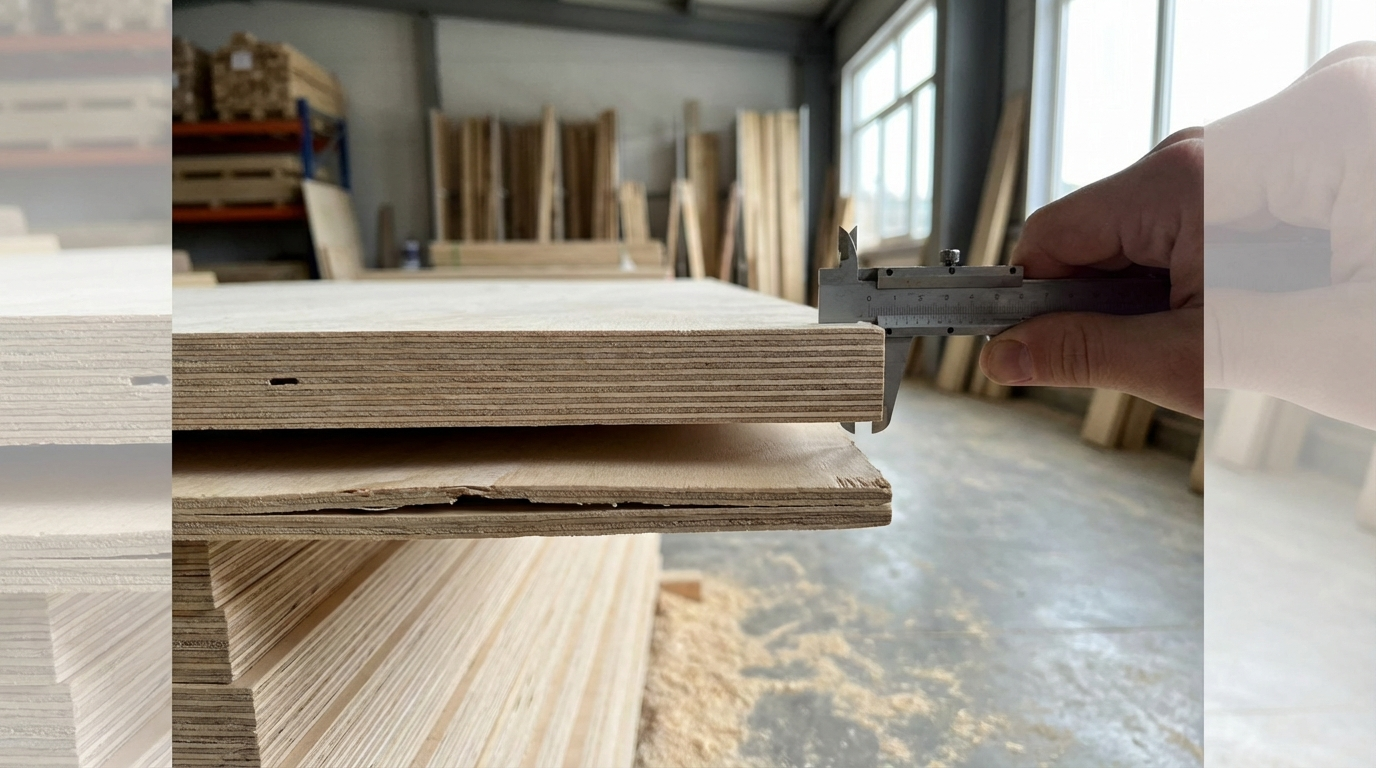
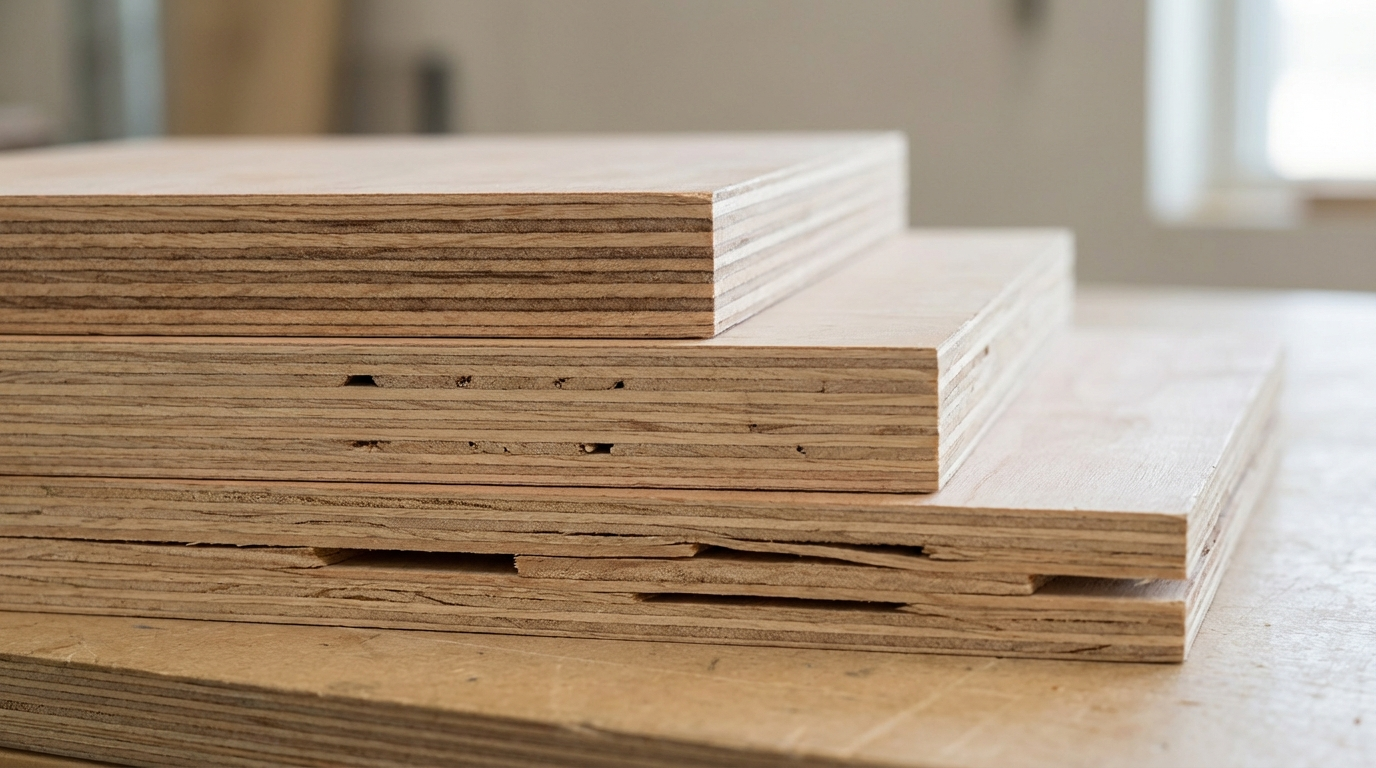
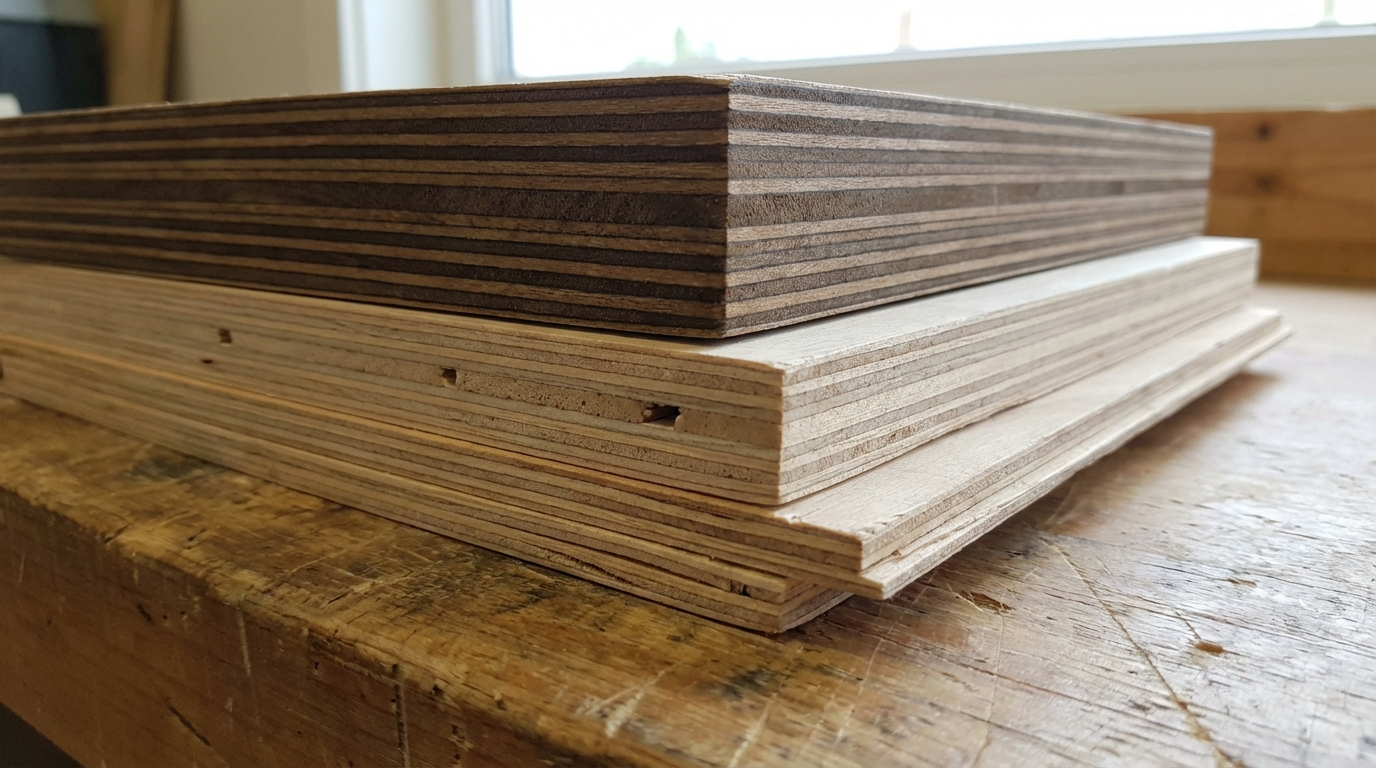
Plywood storage & transport mistakes that ruin boards
Learn plywood storage and transport in simple terms with examples, verification tips, and a quick checklist so you choose the right board for Indian conditions.
Quick Decision Summary
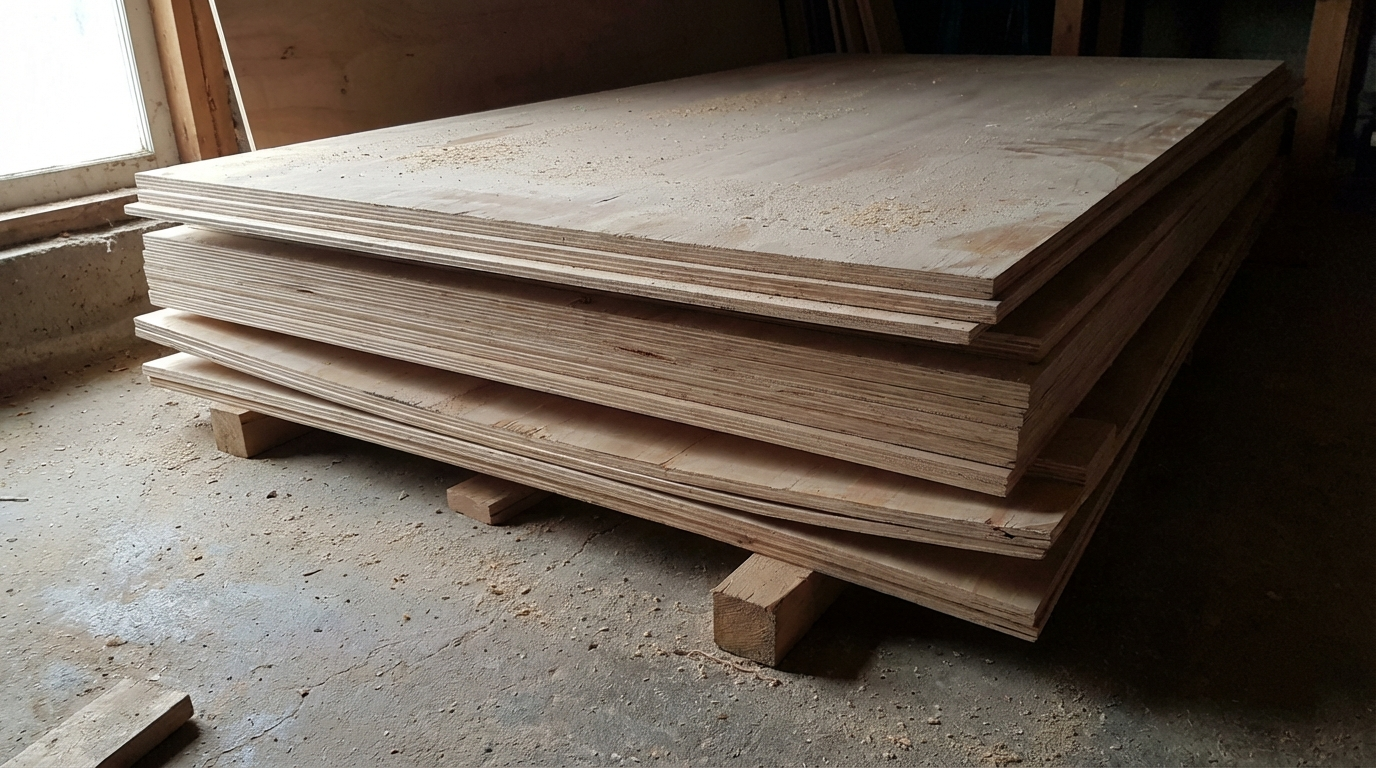
Avoid ground contact, uneven stacks, and flat transport – stack flat on pallets in shade, transport vertical.
If you’re in a hurry: In India's humid climate, plywood warps or delaminates from moisture and pressure. Store sheets flat on raised pallets under cover, maximum 8-10 high with cross-boards every 600mm. Transport upright, strapped evenly on edges, covered from rain. Check for straight edges and light tap sound before use. This prevents 90% of damage – ignore and face swelling in monsoons or buckling on-site.
- Choose flat, elevated stacking if storing over 1 week in humid areas.
- Avoid vertical storage if space is tight and boards are thin (below 12mm).
India-Specific Reality Check
Monsoon rains, coastal salt air, and 80%+ humidity hit plywood hard, amplifying storage and transport risks. Rough roads cause shifting loads, while godowns often lack ventilation. Coastal Kerala or Mumbai sites see faster core swelling; inland Delhi trucks battle dust but monsoon flooding. Dealers stack high to save space, contractors rush transport – both lead to warped boards unusable for cabinets. Always factor local humidity: under 70% RH ideal, above needs extra cover and dehumidifiers for long holds.
Why does Indian humidity ruin plywood faster than dry climates?
High relative humidity (often 80-95% in monsoons) penetrates glue lines and core voids, causing swelling and delamination within days. Dry areas like Rajasthan tolerate brief exposure better. Nuance: BWR/BWP grades resist more but not forever without cover. Next step: Measure site RH with a cheap meter; if over 75%, add silica gel packs or fans during storage.
How long can plywood safely sit in a truck during Indian monsoons?
Ideally under 4 hours uncovered; tarp it fully otherwise. Long hauls (e.g., 500km) from factories risk rain seepage at edges. Trucks with open sides worsen it in coastal routes. Check: Weigh boards pre/post-transport – 5%+ gain signals moisture. Prevention: Insist on enclosed vehicles or edge-sealed bundles.
5 Key Principles of Plywood Handling (First-Principles Basics)
Plywood is layered wood glued under pressure – vulnerable to moisture (swells cores), uneven weight (warps faces), and flexing (breaks glue). Proper handling protects glue integrity and flatness. Confusion arises from treating it like bricks: boards need support every 500-600mm, dryness, and stability. Common mix-ups: "Vertical saves space" ignores bowing; "stack high" crushes bottoms.
- Where people get confused: Lumber bends but plywood delaminates internally.
- Thin boards (6-9mm) warp easiest – treat like glass.
- Thick marine (18-25mm) tolerates stacks better but hates moisture equally.
- Calibrated vs non: Uniform thickness stacks even; uneven causes rocking.
- Face veneer direction: Grain parallel for stability.
Common Buyer Mistakes and How to Avoid Them
- Mistake: Storing on bare ground. Why: Capillary moisture rises, swelling bottoms in 48 hours. Avoid: Use 100-150mm pallets or bearers.
- Mistake: Stacking without cross-boards. Why: Pressure bows middles. Avoid: Place 50x100mm strips every 600mm.
- Mistake: Exceeding 10-sheet stacks. Why: Bottoms crush under 500kg+. Avoid: Limit to 8 sheets or use forklifts.
- Mistake: Vertical leaning without wall support. Why: Boards bow outward. Avoid: Strap to racks or walls.
- Mistake: Transporting flat on truck roofs. Why: Vibration flexes and warps. Avoid: Vertical racks only.
- Mistake: Loose bundling in trucks. Why: Shifting rubs veneers. Avoid: Edge-strap every 1m with soft ropes.
- Mistake: No rain cover on-site. Why: Edge delam in hours. Avoid: Plastic sheets tucked under bundles.
- Mistake: Storing near cement/chemicals. Why: Fumes weaken glue. Avoid: Isolate 2m away.
- Mistake: Ignoring site unloading sequence. Why: Top sheets warp first. Avoid: Unload bottom-up.
Failure Modes and Fixes
- Symptom: Wavy edges. Root: Uneven stack pressure. Prevent: Level bearers. Fix: Flatten under weights 24hrs or sand – replace if severe.
- Symptom: Bulging core. Root: Ground moisture. Prevent: Elevated pallets. Fix: Dry in sun 2 days; cut test shows gaps – discard.
- Symptom: Peeling veneer. Root: Flex during transport. Prevent: Vertical carry. Fix: Glue clamp if minor; new sheet otherwise.
- Symptom: Soft tapping sound. Root: Glue delam from humidity. Prevent: Dry cover. Fix: Rarely salvageable – reject batch.
- Symptom: Edge crushing. Root: Tight ropes. Prevent: Plywood slats over ropes. Fix: Fill with putty; weakens strength.
- Symptom: Surface scratches. Root: Rubbing in transit. Prevent: Face-protected bundles. Fix: Sand lightly; hides minor ones.
- Symptom: Color streaks. Root: Chemical exposure. Prevent: Isolated storage. Fix: Bleach test – often unsalvageable.
Quality Checks You Can Do Without Lab Tests
Pre-handling: Eyeball flatness (lay on floor – no rocking), tap edges (clear ring, no dull thud), check bundle wrap (no tears).
During storage: Weekly lift corners for mold/damp; measure stack height.
Post-transport: Unbundle in shade; inspect faces/edges for dents; drop test small piece (no crackle).
Red flags: Wet feel, warped pack, crushed corners – negotiate return.
Decision Framework: Match Conditions to Handling Rules
| Condition | Recommended Practice | What to Verify |
|---|---|---|
| High humidity/monsoon (RH 80%+) | Plastic-covered pallets + fans | No condensation under sheets; dry hand test |
| Long storage (1+ month) | Indoor racks, rotated stacks | Straightness ruler check; no edge lift |
| Rough road transport (500km+) | Vertical racks, double straps | No shifting post-trip; intact wraps |
| Coastal/salty air | Sealed godown + silica packs | No white efflorescence on cores |
| Tight space/dealer yard | A-frame vertical stands | Secure straps; no leaning >5° |
| Thin boards (6-12mm) | Low stacks (4 max), edge pads | Flex test: No bow >2mm |
| Heavy use site (daily load/unload) | Forklift + corner protectors | No dents after 10 cycles |
Tips for Dealers and Contractors
Dealers: Rotate stock FIFO; label humidity dates. Contractors: Pre-site moisture check; use trolleys for moves. Forklift paths clear of puddles.
Tips for Carpenters and Homeowners
Carpenters: Cut stored boards first; seal fresh edges immediately. Homeowners: Garage racks off floor; avoid garage flooding zones. Clean spills instantly.
Tips for Architects and Builders
Spec "pallet-stored, vertical transport" in BOQs. Detail godown ventilation in plans. Inspect deliveries before payment.
Trade-offs and Limitations
Perfect storage costs space/equipment – vertical saves floor but risks bow if unsupported. Elevated pallets prevent damp but raise fire risk if flammable covers used. Vertical transport safer but needs taller trucks, delaying urban deliveries. BWP resists better than MR but pricier for short holds. Balance: Short-term outdoor ok with tarps, but indoor always wins long-term.
Is vertical storage always better than flat?
No – flat prevents warp but needs space; vertical faster access but bows thin boards. In cramped yards, use A-frames. Check board thickness first: under 12mm, flat only. Next: Test lean angle – under 10° max.
Does plywood recover from minor warping?
Sometimes – weight it flat 48hrs in dry air. Persistent warp signals core damage. India heat helps drying but risks cracking. Inspect post-fix: Ruler along edge, max 1mm deviation ok.
Can I stack plywood outdoors in dry seasons?
Briefly (under 1 week) on pallets under shade. Dew nights still moisten. Prefer covered trucksides. Verify: Morning touch test – cold/damp means move indoors.
FAQs
How high can I safely stack plywood sheets?
Typically 8-10 sheets max for 18mm, less for thinner. Weight crushes glue lines otherwise. In humid India, lower to 6 to reduce pressure-moisture combo. Use cross-boards to distribute. Check stack stability by pushing sides – no tilt. For safety, forklift pallets over manual towers, especially in multi-story godowns where falls injure workers.
What’s the best way to strap plywood for transport?
Use wide nylon straps over plywood edges (not faces), 1m apart, tightened evenly. Avoid thin ropes that dent. Vertical bundling of 20-30 sheets prevents shift on bumpy roads. Cover ends with plastic. Post-trip, loosen before unloading to avoid snaps. This method survives 1000km hauls common in India.
Why do plywood edges delaminate first?
Edges expose glue and core voids to air/moisture quickest. Monsoon trucks without flaps accelerate it. Seal with wax or tape on receipt. During storage, overhang bundles 50mm under cover. If spotted, cut 100mm off – saves the sheet.
Should I store plywood face-up or face-down?
Alternate or face-up to spot damage early. Heavy stacks dent exposed faces. In dusty sites, cover both. Rotate monthly for even exposure. This prevents "hidden crush" surprises during cutting.
How to unload plywood without damage?
Use two people per end, lift knees not back; slide off tailgates onto trolleys. Avoid dragging – veneers scratch. Sequence bottom sheets first. In rain, tarp truck bed pre-unload. Forklifts for pallets beat manual every time.
Does heat damage stored plywood?
Over 50°C dries glue brittle; common in parked trucks. Shade and ventilate. Coastal direct sun + humidity worst. Monitor with thermometers; under 40°C ideal. Failed glue shows as loose plies.
Can I use plywood pallets for storage?
Yes – stable, reusable, elevate 150mm. Avoid metal frames that conduct damp. Check pallets dry first. Ideal for dealers with volume.
What if plywood gets wet during transport?
Dry immediately in shade, fans on, separated stacks. Weigh for moisture gain. Swollen cores rarely recover fully – use for non-structural. Prevent with tarps tucked tight.
Is fumigated plywood harder to store?
No, but strong smells linger; ventilate well. Avoid food nearby. Handling same as standard. Disclaimer: This content is provided for general informational purposes based on industry practices and publicly available information. Product specifications, standards, prices, and availability may vary by manufacturer, region, and time. Readers should independently verify details with manufacturers, dealers, or qualified professionals before making purchase or construction decisions.
Want Plywood Suggestions?
Share a few details and a Duro BOIL specialist will suggest suitable brands and connect you to responsive dealers.