Where to buy plywood in Chandigarh: genuine dealer guide
How to find a genuine MDF/plywood dealer in your city: authenticity checks, invoice questions, storage tips and delivery checklist. India-focused.
Quick Decision Summary
Target Chandigarh's Timber Market in Sector 26 and Industrial Area Phases 1-2 for genuine plywood dealers with verified stock.
If you're in a hurry, head straight to established wholesale hubs like Sector 26's Timber Market (Madhya Marg) or Industrial Area Phase 1 near Hallomajra Chowk—these cluster multiple suppliers with bulk stock. Insist on shops showing ISI-marked plywood stored indoors, flat-stacked away from walls, and covered. Demand a full GST invoice listing grade, thickness, quantity, and batch details. For delivery, count sheets on-site and note any damage before signing. This skips fakes and ensures monsoon-ready quality without overpaying.
- Choose wholesale markets if you're a contractor needing bulk at competitive rates with quick loading.
- Avoid roadside stalls or unverified online sellers if quality traceability matters for your project.
How to Find a Genuine Dealer in Chandigarh: 5 Steps
- Pinpoint proven markets: Start in Sector 26 Timber Market or Industrial Area Phases 1-2—these areas host clustered wholesalers with turnover ensuring fresher stock.
- Spot storage first: Good dealers stack plywood flat, indoors, elevated off ground, spaced from walls—reject rain-exposed or warped piles.
- Ask for certifications: Request ISI/IS:303/IS:710 marks visible on edges; quiz on glue type (MR/BWR/BWP) matching your need.
- Negotiate invoice details: Insist on itemized GST bill with plywood specs, quantity, rate per sheet, and dealer GSTIN.
- Test delivery process: Confirm transport with padding; inspect load before leaving and on arrival.
Skipping any step risks subpar boards that delaminate in Chandigarh's humid summers.
What Are the Top Markets for Buying Plywood in Chandigarh?
Sector 26's Timber Market (near Madhya Marg) stands out for variety and competitive pricing from multiple wholesalers. Industrial Area Phase 1 (Hallomajra side) and Phase 2 offer bulk options ideal for contractors. These spots benefit from high footfall, reducing stale inventory risks. Homeowners might prefer Phase 1 for easier access via cab, while carpenters favor Sector 26 for veneer add-ons. Always cross-check multiple shops in one visit to compare storage and markings—spend 30-45 minutes scouting.
Price Range and Cost Drivers in Chandigarh
Plywood rates in Chandigarh typically span Rs 2,500-6,000 per 8x4 sheet for MR grade (18mm), varying by thickness, glue line (MR/BWR/BWP), core (hardwood/poplar), face veneer quality, and calibration. BWP/marine adds 20-40% premium. City logistics keep prices steady but monsoon hikes transport 10-15%. Thinner 6mm sheets start lower at Rs 1,200-2,500.
How to get a fair quote:
- Specify: "18mm BWR, poplar core, calibrated, teak face."
- Ask: "What's sheet rate + cutting/wastage charge + delivery?"
- Compare 2-3 quotes same day.
Example: Wardrobe project (10 sheets 18mm) might total Rs 35,000-55,000 including cuts—factor 5-10% wastage.
India-Specific Reality Check: Chandigarh Edition
Chandigarh's foggy winters dry out plywood if stored poorly, causing cracks; humid monsoons trigger swelling in MR grades. Unlike coastal cities, focus on balanced humidity control—dealers here often overlook elevation stacking, leading to ground moisture uptake. Contractor workflows favor quick bulk buys from Industrial Area, but verify truck tarps for delivery. Workmanship pitfalls include uneven carpenter cuts amplifying poor core gaps.
Does Chandigarh Humidity Affect Plywood Choices Differently?
Yes—summers hit 80% RH, risking BWR delam in kitchens; opt BWP for wet zones. Winters below 40% RH brittle MR edges. Dealers in Phase 1 handle this better with covered godowns. Verify by tapping sheets: solid thud means tight glue lines. Next, ask "How do you store for monsoon?"—good ones use spacers and covers. This prevents 20-30% failure risk in local installs.
Quality Checks You Can Do Without Lab Tests
At the dealer:
- Visual: Uniform color, no gaps/cracks on edges, straight faces.
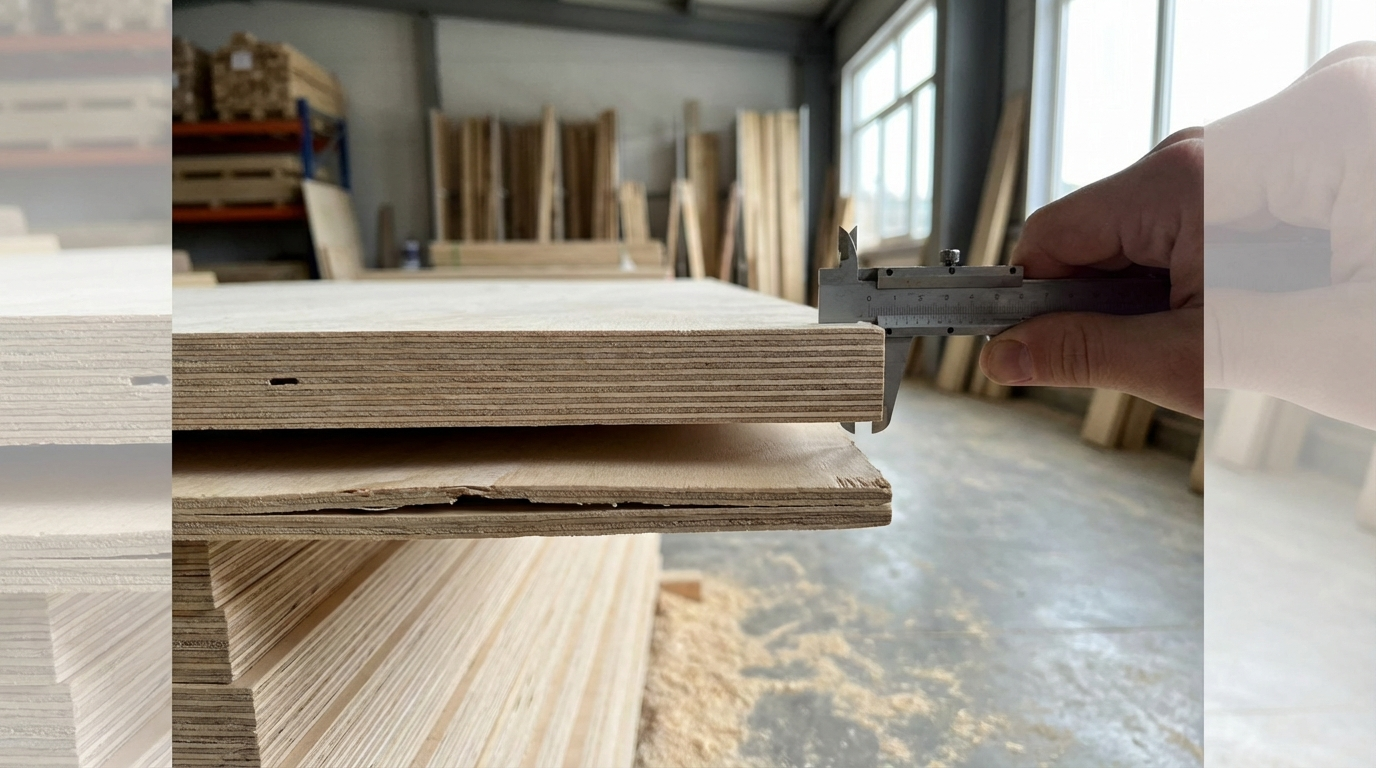
- Tap test: Knock edges—consistent sound, no hollows.
- Markings: Clear ISI stamp with license code; grade label intact.
- Storage: Flat stacks, 6-inch ground gap, no direct sun/rain.
On invoice: GSTIN, your PAN if big buy, sheet count, specs match spoken.
Delivery: Recount sheets, check for dents/warps under tarps.
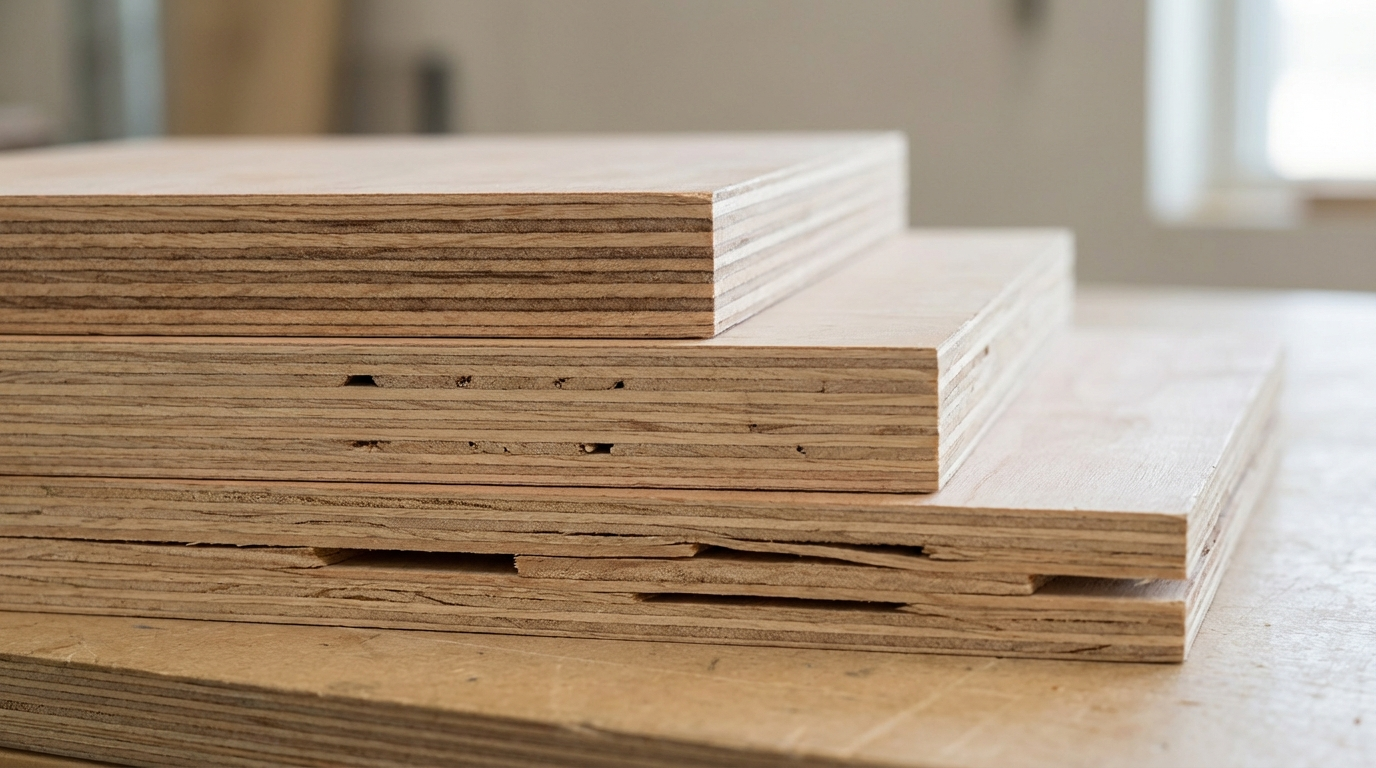
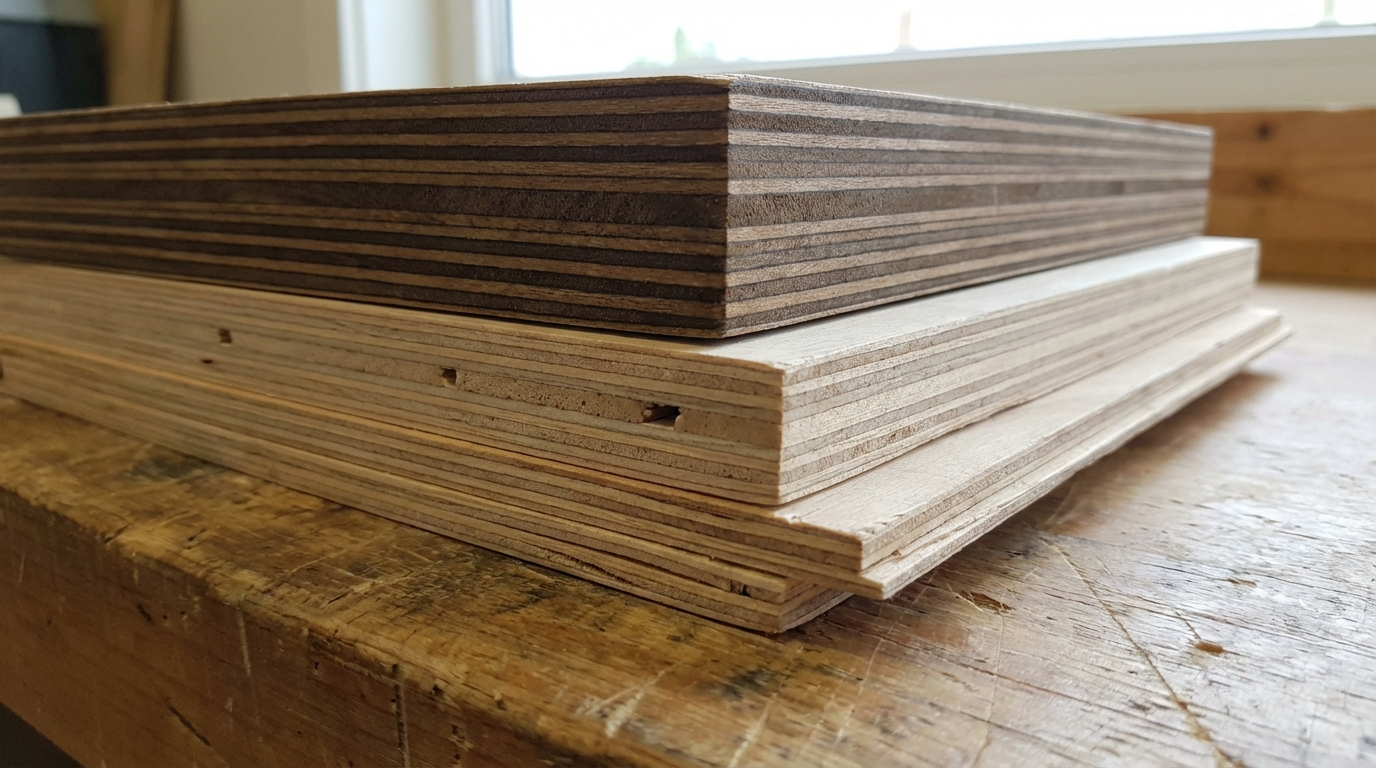
Post-cut: Even core layers, no popping glue.
Decision Framework: Pick Your Dealer Type
| Your Situation | Go-To Spot | Verify These |
|---|---|---|
| Tight budget, bulk need | Sector 26 Timber Market | Wholesale rates, full truck load discount, invoice batch no. |
| Premium finish, small qty | Industrial Area Phase 1 | Calibrated sheets, veneer samples, cutting service quality |
| Coastal-like wet zone project | Phase 2 wholesalers | BWP stock proof, boil-resistant claim docs, edge sealing add-on |
| Fast delivery, homeowner | Sector 26 or Phase 1 | Same-day truck, padding in transit, return policy verbal |
| High scratch/termite risk | Any with HDHMR options | Termite treatment stamp, scratch test demo, core hardness |
Trade-offs and Limitations
Wholesale markets offer lowest rates but demand self-transport; retail spots add 15-20% for cuts/delivery convenience. Bulk buys save but risk overstock if project delays—Chandigarh storage needs dehumidifiers. BWP excels wet but costs more, warps less than MR in humidity swings. No dealer guarantees zero defects; always factor 2-5% wastage.
How Much Extra for Delivery in Chandigarh?
Typically Rs 200-500 within city, free over 20 sheets—confirm upfront. Trucks from Phase 1 to Mohali add Rs 300. Insist on side rails/padding to avoid edge chips. Check load sheet matches invoice. If delayed >2 days, risk humidity exposure—pick same-day. This keeps costs under 5% of total.
Common Buyer Mistakes and How to Avoid Them
- Mistake: Buying cheapest without specs. Why: Hidden low-core quality fails soon. Do: Quote with "18mm BWR calibrated" first.
- Mistake: Ignoring storage. Why: Moisture warps pre-install. Do: Walk godown, reject ground stacks.
- Mistake: No invoice details. Why: Can't claim defects later. Do: Demand GST bill with all specs.
- Mistake: Roadside impulse buy. Why: Stale/fake stock. Do: Stick to markets like Sector 26.
- Mistake: Verbal warranties. Why: Unenforceable. Do: Focus on ISI marks over promises.
- Mistake: Skipping delivery count. Why: Short loads unnoticed. Do: Tally before/after.
- Mistake: Monsoon rush buys. Why: Poor stock control. Do: Stockpile dry-season.
- Mistake: Carpenter choice overrides. Why: Bias to easy-cut junk. Do: Joint site visit.
Failure Modes and Fixes
- Symptom: Edge swelling post-monsoon. Cause: MR grade in humid store. Prevent: BWR min, sealed edges. Fix: Sand/refinish early.
- Symptom: Core gaps post-cut. Cause: Recycled core. Prevent: Tap test pre-buy. Fix: Reject batch, demand replacement.
- Symptom: Delamination in kitchen. Cause: Wrong glue line. Prevent: Verify BWP stamp. Fix: Laminate over if minor.
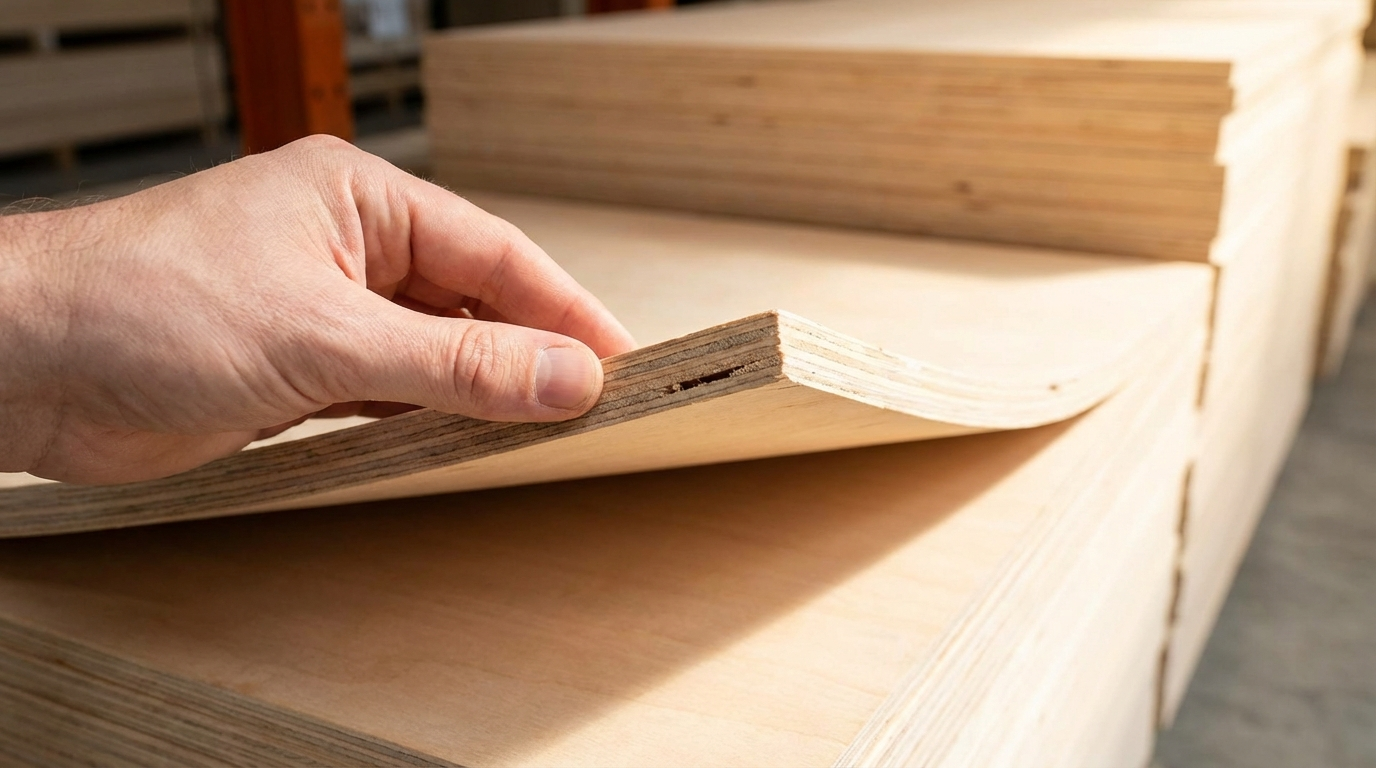
- Symptom: Warped sheets on delivery. Cause: Poor stacking. Prevent: Inspect pre-load. Fix: Site unwrap immediately.
- Symptom: Termite tracks. Cause: Untreated softwood. Prevent: Ask treatment proof. Fix: Local pest spray + replace.
- Symptom: Uneven calibration. Cause: Budget sheets. Prevent: Measure thickness multiple spots. Fix: Plane carpenter-side.
What If Plywood Warps After Delivery?
Unwrap immediately, store flat/elevated indoors. If warped >2mm, photo invoice/sheets and return within 48hrs—most dealers accept. Root often transit crush; prevent by choosing padded trucks. For install, acclimatize 72hrs at site RH. Chandigarh's swings amplify this—use spacers during stack. Document for leverage.
Tips for Homeowners
Prioritize delivered-to-door from Phase 1; clean spills instantly to avoid water marks. Avoid direct floor contact post-install.
Tips for Contractors and Carpenters
Bulk from Sector 26; mark cutting zones pre-order. Use screws in hinge areas, seal edges fully.
Tips for Architects
Spec "IS:710 BWP, 0.5mm gaps max"; detail wet-zone vents. Verify carpenter edge prep.
Should Homeowners Visit Markets Themselves?
Not always—small projects suit delivery, but visit for bulk to hand-pick. Saves 10% haggling. Bring measurements, compare 3 stacks. In Chandigarh traffic, cab to Phase 1 efficient. Gain confidence spotting fakes, but delegate if time-short. Always photo markings/invoice for records.
FAQs
What Documents Should a Genuine Invoice Have?
A proper GST invoice lists dealer GSTIN, your name/address/PAN (if >Rs 50k), plywood description (grade, thickness, sheets qty), rate per sheet, total value, tax breakup, batch no, and date. It enables defect claims and tax input. Handwritten chits signal fakes—insist printed. In Chandigarh, scan for local GST compliance to avoid disputes. Keep duplicate; photo before leaving.
How to Spot Fake ISI Marks on Plywood?
Real ISI stamps show clear embossed text, license no, and grade (IS:303/MR etc.) on edges—not painted. Faded/smudged indicate duplicates. Cross-verify by asking dealer for license copy. Tap for uniform density. In markets like Sector 26, pros check multiple sheets. If doubtful, skip—better safe than monsoon fails.
Is Storage Inspection Really Needed?
Absolutely—rain-exposed stacks absorb moisture, causing hidden swelling. Good dealers elevate 6 inches, space stacks 4 inches apart, cover loosely. Chandigarh godowns vary; Phase 2 often better ventilated. Reject wet odors or floor-contact. This check prevents 50% early failures without tools.
What Delivery Checklist Saves Headaches?
Pre-load: Count sheets, note damages, confirm padding/tarp. Driver details/invoice copy. On-site: Recount, unwrap inspect warps/chips, sign only if ok. For Chandigarh, add "no rain delay" clause verbal. Photos both ends protect against shortages.
Can You Haggle in Chandigarh Plywood Markets?
Yes, 5-15% off list for cash/bulk in Sector 26. Quote competitors politely, bundle cuts. Avoid lowballing quality—focus volume discount. Monsoon peaks resist; off-season better. Track sheet rate trends per grade.
MR vs BWR: Which for Chandigarh Homes?
MR suits dry bedrooms; BWR for bathrooms/kitchens handling splashes. Chandigarh humidity favors BWR universally. Verify glue smell mild, not chemical. Costlier but lasts 2x in swings.
How Long Does Plywood Last in Chandigarh Climate?
5-15 years depending grade/install. BWP hits 15+ sealed; MR 5-7 unprotected. Acclimatize site, edge-seal, ventilate. Local dust accelerates wear—wipe monthly.
Any Termite Risks Specific to Chandigarh?
Moderate—subsoil termites in outskirts. Choose treated cores; inspect edges yearly. Combine with borate spray at install. Markets stock pre-treated; confirm stamp.
Disclaimer: This content is provided for general informational purposes based on industry practices and publicly available information. Product specifications, standards, prices, and availability may vary by manufacturer, region, and time. Readers should independently verify details with manufacturers, dealers, or qualified professionals before making purchase or construction decisions.Want Plywood Suggestions?
Share a few details and a Duro BOIL specialist will suggest suitable brands and connect you to responsive dealers.