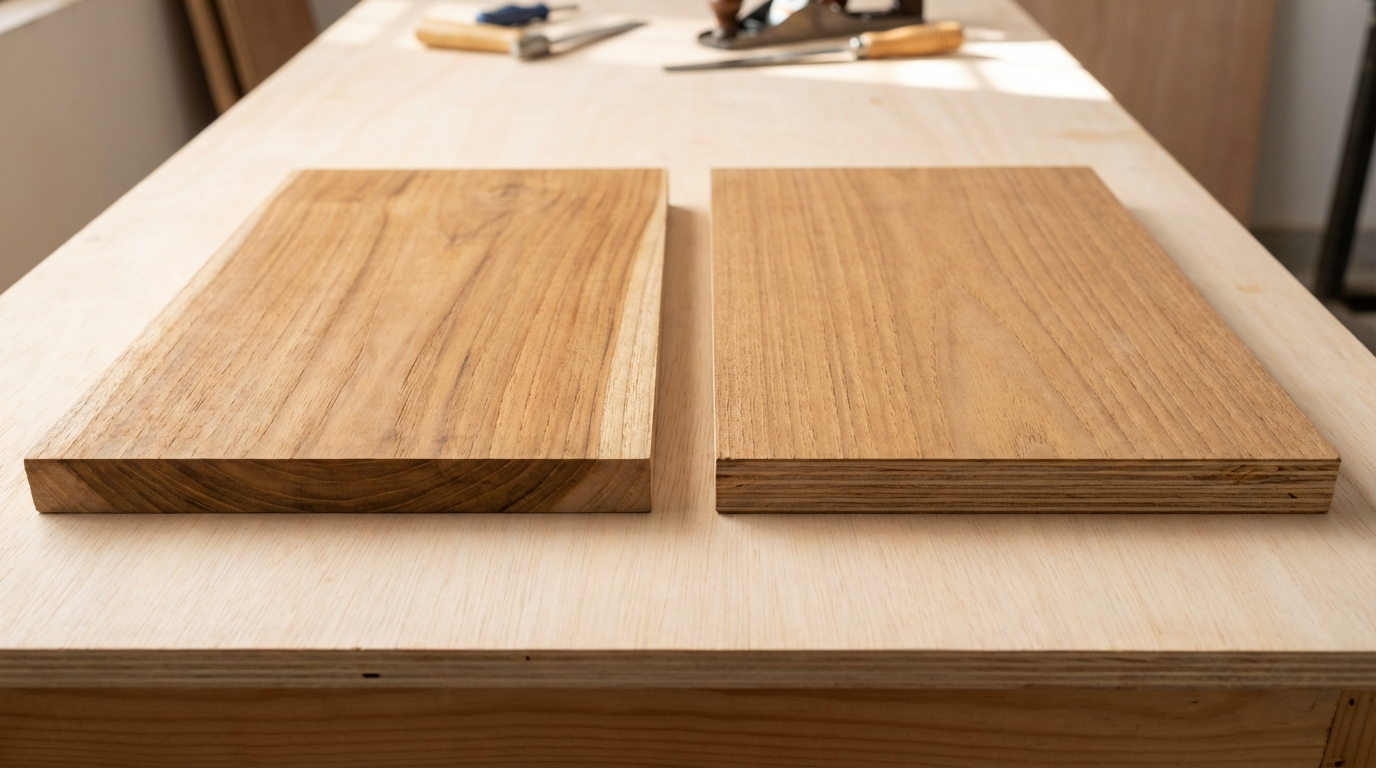
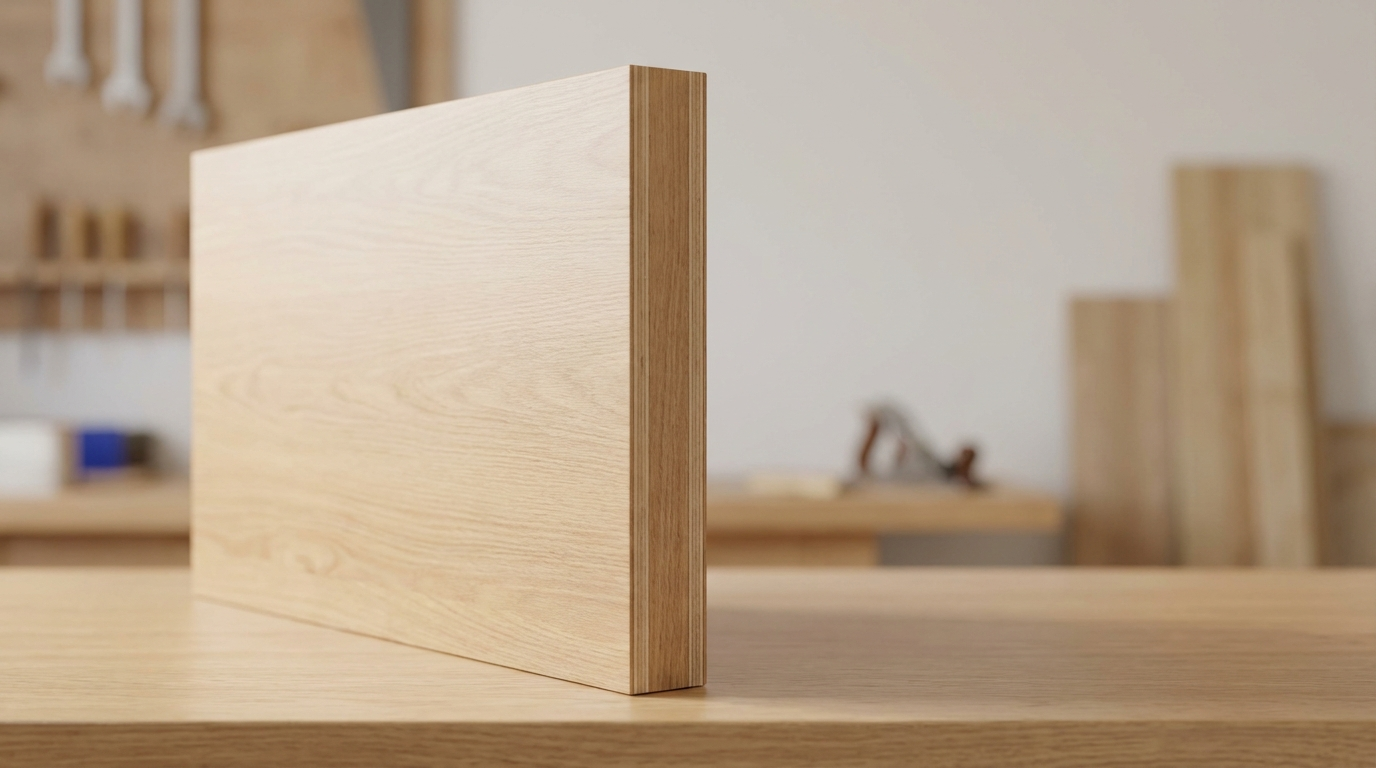
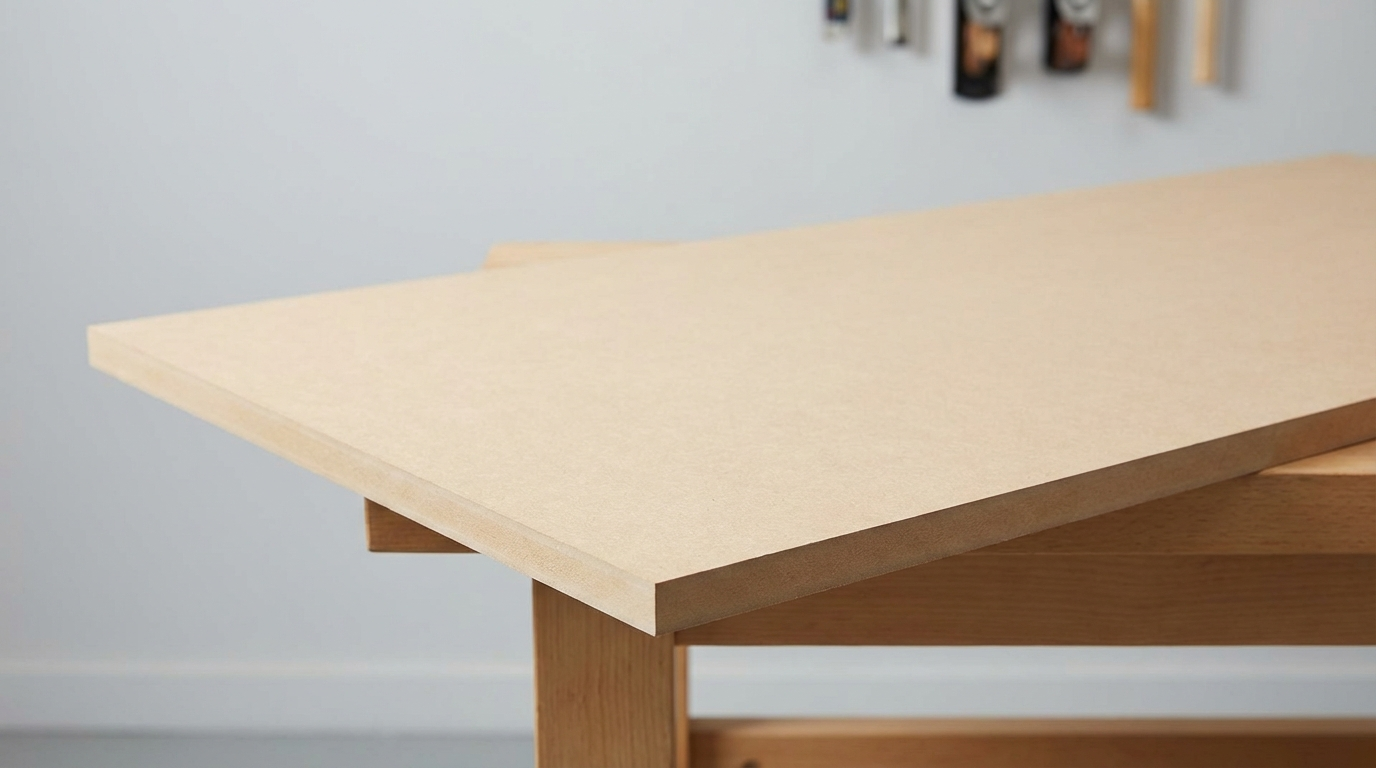
Action Tesa HDHMR Board Review: Is It Good for Kitchens?
Review of Action Tesa’s HDHMR board. Assess its build quality, water resistance, and durability to see if it's a top choice for modular kitchen cabinets.
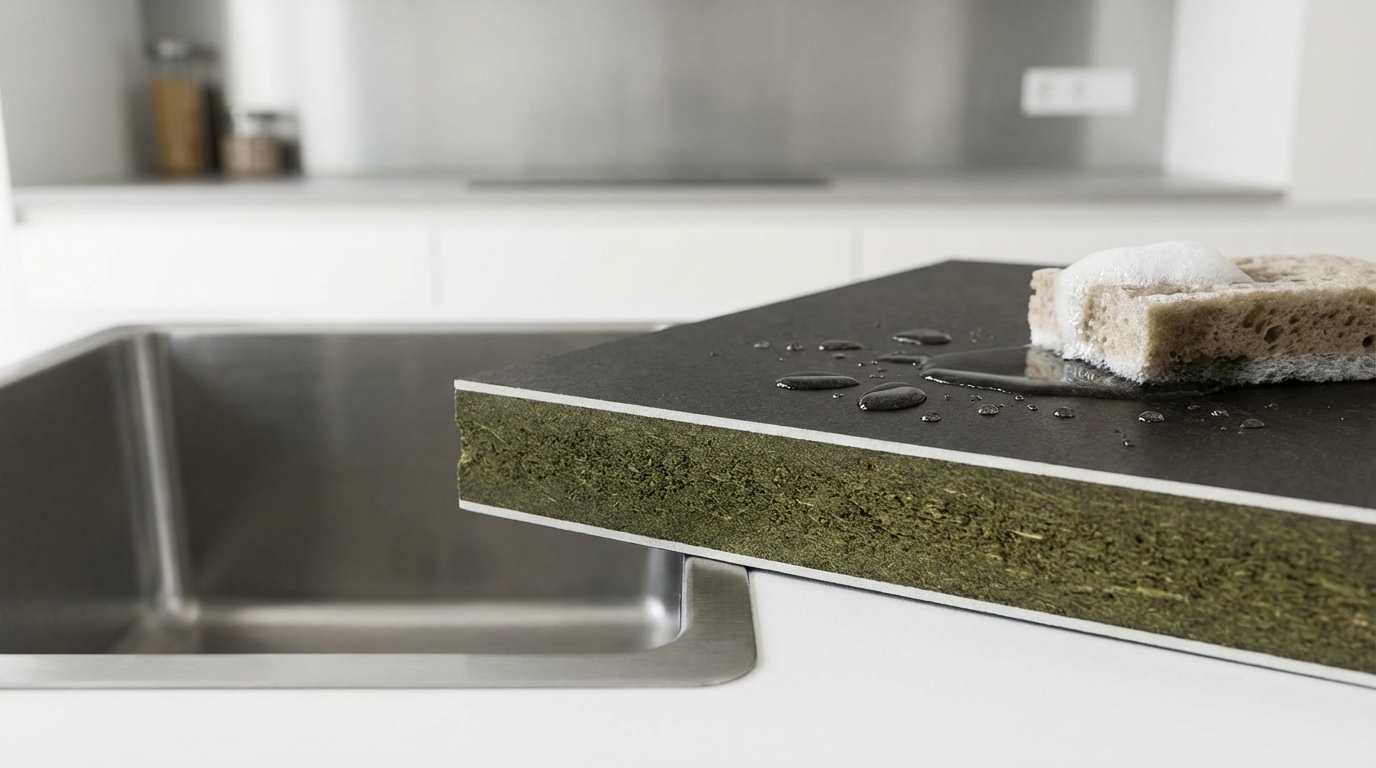
Quick Decision Summary
Action Tesa HDHMR boards perform well for kitchen cabinets in typical Indian homes, offering good moisture resistance and screw-holding strength.
If you're in a hurry: Action Tesa HDHMR is a high-density engineered board suited for modular kitchens, especially carcasses and shutters in moisture-prone areas. It resists swelling better than standard MDF and holds fittings firmly, making it practical for busy households. Expect reliable performance with proper edge sealing and installation. Verify density (aim for 800+ kg/m³ feel) and flatness on-site. Ideal for humid regions if not directly water-exposed; pair with laminates for best results. Avoid in fully submerged zones without extra protection.
- Choose this if: Your kitchen sees splashes and steam, you need CNC-friendly surfaces, or budget favors boards over plywood.
- Avoid this if: Extreme coastal submersion, heavy structural loads, or you prefer natural wood grain visibility.
Note: This page is independent informational content and is not affiliated with any manufacturer.
If You’re Searching for Action Tesa, Here’s What People Usually Mean
Queries for Action Tesa often target its HDHMR boards, popular for modular furniture like kitchen cabinets and wardrobes. Users typically seek confirmation on moisture handling in Indian kitchens, screw grip for heavy utensils, and smooth finishes under laminates. Common confusions include mistaking it for basic MDF or wondering if it's plywood-equivalent. Most want practical advice: does it swell in monsoons? How does it compare cost-wise? Or is it reliable for long-term use without bubbling?
How to Compare Action Tesa-Type Options to Alternatives (Without Guesswork)
Focus on verifiable traits like density tap-test, edge swell after 24-hour water exposure (DIY check), and screw pull-out feel. Action Tesa-style HDHMR shines in semi-wet zones but verify batch consistency.
| Condition | Action Tesa HDHMR | Alternative (e.g., BWR Plywood) | What to Verify |
|---|---|---|---|
| Moisture splashes (daily) | Good resistance | Better for immersion | Edge tape adhesion after wetting |
| Screw holding (heavy cabinets) | Excellent (high density) | Strong but gaps possible | Screw twist resistance |
| CNC machining | Smooth, no chipping | Requires skilled setup | Surface flatness with straightedge |
| Budget per sq ft (18mm) | Lower mid-range | Higher | Local quotes with calibration |
| Termite risk (ground floor) | Low (treated fibers) | Variable core quality | Knock for solid sound |
What This Term/Material Actually Means
HDHMR stands for High-Density High Moisture Resistant board, an engineered product denser than MDF (typically 800+ kg/m³) made by compressing wood fibers with resins for better water resistance and strength. Action Tesa offers versions in 8x4 ft sheets, thicknesses from 5.5mm to 25mm, aimed at furniture like kitchen modules where flatness and grip matter.
Where People Get Confused
- HDHMR vs MDF: HDHMR is denser, less prone to sagging.
- HDHMR vs Plywood: Boards are smoother for laminates; plywood has layers.
- "Waterproof" claims: It's moisture-resistant, not for boiling/submersion.
- Thickness choice: 16-18mm for carcasses; thinner for shutters.
- Pre-laminated vs plain: Plain needs extra finishing.
- Fake boards: Low density feels spongy.
India-Specific Reality Check
In monsoon-heavy India, kitchens face steam, spills, and 80%+ humidity. Action Tesa HDHMR handles this better than MDF but needs edge sealing to prevent core exposure. Coastal areas amplify risks—stack sheets off-ground during storage. Contractor workflows favor it for quick CNC cuts, but poor handling causes warping pre-install. Always acclimatize boards 48 hours in site humidity.
Price Range and Cost Drivers (India)
Typically ₹90-160 per sq ft for 16-18mm Action Tesa HDHMR, varying by thickness (thicker costs more), city (Delhi lower than Mumbai), calibration quality, and plain vs pre-laminated finish. Logistics add 10-20% for distant delivery; wastage from poor cutting bumps effective cost.
How to ask for a quote:
- Specify thickness (e.g., 18mm), size (8x4), quantity (sq ft).
- Mention plain or BSL (pre-laminated).
- Ask for calibrated, zero-gap guarantee.
- Request density proof (tap test demo).
- Compare 3 local suppliers for batch variation.
Mini example: 100 sq ft kitchen carcass (18mm) might total ₹12,000-18,000 materials, plus labor.
Is Action Tesa HDHMR Suitable for Indian Modular Kitchens?
Yes, particularly for carcasses and shutters in standard homes. Its density resists sagging under utensils, and moisture resistance suits steam-filled spaces. In dry interiors, it excels; humid kitchens need sealed edges. Next, check flatness—lay a straightedge across; no waves over 1mm. Test screw hold by twisting a sample. For architects, spec it with 850+ kg/m³ density. Homeowners: Pair with 1mm laminate for spill wipeability. Confirm locally as batches vary.
How to Choose in 5 Steps
- Assess kitchen zone: Splashes? Pick 18mm+ density board.
- Tap test density: Solid thud, not hollow.
- Inspect flatness and edges: No delam or bows.
- Demand acclimatization proof: 48 hours on-site.
- Seal all cuts: PVC tape or paint immediately.
Skip sealing? Expect swelling in 6-12 months.
Does Action Tesa HDHMR Swell in Water?
It resists better than MDF (under 10% swell in 24-hour tests typically), but not immersion-proof. Splashes are fine with sealing; prolonged wetting risks edges. Nuance: Monsoon storage worsens it. Next step: Wet a cut edge sample 24 hours, measure thickness change. If under 5%, good. For kitchens, apply 2-coat edge paint. Carpenters: Use zero-VOC sealers for indoor air.
Trade-offs and Limitations
Strengths: Screw grip, machinability. Limits: Heavier than particleboard (handling strain), cuts need sealing or moisture creeps, no natural grain (laminate required). Not for load-bearing walls or outdoor without extra coats. Varies by batch—always sample.
Action Tesa HDHMR vs Plywood for Kitchens: Which Wins?
HDHMR edges out for flat laminate finishes and CNC ease; plywood for raw strength in wet zones. HDHMR lighter machining waste, but plywood layers forgive minor errors. Choose HDHMR if budget-tight and modern design; plywood for heavy rustic loads. Verify: CNC a sample—HDHMR chips less. In humid India, seal both, but HDHMR swells less at edges.
Common Buyer Mistakes and How to Avoid Them
- Mistake: Skipping density check. Why: Spongy boards sag. Do: Tap-test multiple sheets.
- Mistake: No edge sealing. Why: Capillary moisture entry. Do: Tape all cuts day-of.
- Mistake: Wrong thickness. Why: Thin shutters warp. Do: 18mm carcasses, 12mm doors.
- Mistake: Ignoring storage. Why: Ground moisture warps stack. Do: Pallet elevate 6 inches.
- Mistake: Poor acclimatization. Why: Site humidity mismatch. Do: 48 hours unpacked.
- Mistake: Cheap laminates. Why: Peels from board flex. Do: 0.8mm+ thick.
- Mistake: Overloading sans reinforcement. Why: Screws pull out. Do: Backing strips.
- Mistake: Coastal no-treatment. Why: Salt accelerates decay. Do: Extra sealant coats.
- Mistake: Batch mix. Why: Color/thickness variance. Do: Same lot number.
Failure Modes and Fixes
- Symptom: Edge swelling. Cause: Unsealed cuts. Prevent: Immediate PVC tape. Fix: Sand, reseal; replace if core soft.
- Symptom: Screw loosening. Cause: Low density/overtorque. Prevent: Pilot holes. Fix: Larger screws + glue.
- Symptom: Surface bubbles. Cause: Moisture under laminate. Prevent: Dry install. Fix: Scrape, relaminate.
- Symptom: Sagging shelves. Cause: Thin span. Prevent: 18mm + supports. Fix: Add battens underneath.
- Symptom: Chipping at hinges. Cause: Brittle edges. Prevent: Reinforce zones. Fix: Epoxy fill, new hardware.
- Symptom: Delam at corners. Cause: Impact + humidity. Prevent: Rounded edges. Fix: Clamp, adhesive inject.
- Symptom: Color fade. Cause: UV kitchen lights. Prevent: UV laminate. Fix: Overlay panels.
How Long Does Action Tesa HDHMR Last in Kitchens?
Typically 8-15 years with maintenance, depending on sealing and use. Heavy steam shortens to 5-10; sealed dry zones hit 15+. Nuance: India humidity halves life without care. Check: Annual edge wipe, no water pooling. Homeowners: Clean dry, no abrasives. Next: Inspect screws yearly—if loose, reinforce early.
Quality Checks You Can Do Without Lab Tests
Before buying: Tap for solid density sound; straightedge for flatness (<1mm gap); flex ends—no bounce. Ask supplier: Fiber source? Resin type? Questions: "Show 24-hour water edge test." Red flags: Visible gaps, musty smell.
After cutting: Check chip-free edges, measure calibration (±0.5mm). Workmanship: Even screw holds.
After install: Alignment gaps <1mm, no creaks on load, laminate adhesion tug-test.
Is Action Tesa HDHMR Termite Resistant?
Yes, typically treated fibers deter termites better than untreated wood. Not invincible—ground contact risks tunnels. Conditions: Indoor kitchens low-risk; subfloors need barriers. Step: Inspect for pinholes pre-buy. Use with termite paint on legs. Carpenters: Fasten off-floor.
Decision Framework: Kitchen Use Cases
| Kitchen Condition | Recommended Choice | Key Verifications |
|---|---|---|
| Wet zone splashes | Action Tesa HDHMR 18mm | Edge swell test, density tap |
| Coastal high humidity | HDHMR + double seal | Acclimatize 72 hrs, flatness |
| Heavy utensil load | HDHMR w/ battens | Screw pull test |
| Tight budget | 16mm HDHMR plain | Local quotes, no gaps |
| High scratch risk | Laminated HDHMR | 0.8mm+ overlay |
| Fast delivery need | Stock HDHMR | Batch uniformity |
Tips for Homeowners Using Action Tesa HDHMR
Do: Wipe spills instantly, use coasters under hot pots, ventilate steam. Don't: Abrasive cleaners, direct hose, overload shelves. Durability peaks with habits—expect decade-plus life.
Carpenter Tips for Action Tesa HDHMR
Cut with fine blade (no tearout), pre-drill hinges, edge-band before assembly. Handling: Vertical stack, protect corners. Fastening: 40mm screws in density zones.
Architect Specs for Action Tesa HDHMR Kitchens
Specify: 18mm min, calibrated ±0.5mm, density 800+ kg/m³. Detail: Full edge sealing, 600mm max spans. Wet zones: Extra membrane. Finish: Postformed laminates.
OEM/Modular Maker Advice
QC: Random density checks, CNC test runs. Reduces returns: Uniform calibration cuts waste 20%. Batch-code panels for complaints.
FAQs
Can Action Tesa HDHMR be used for kitchen shutters?
Yes, 12-16mm works well for lightweight shutters, pairing with carcasses. Its smoothness accepts laminates without waves, and density prevents droop. In steam areas, seal hinges extra. Trade-off: Less forgiving than plywood for alignment tweaks. Verify by loading a sample door—should hold firm. Ideal for modular setups where repeatability matters.
Is it better than MDF for Indian kitchens?
Generally yes—higher density resists moisture and sags less under humidity swings. MDF swells quicker in monsoons; HDHMR holds up. Condition: Seal both, but HDHMR needs less babysitting. Practical step: Compare weights—HDHMR feels substantial. For coastal, add vapor barrier behind.
How to clean Action Tesa HDHMR cabinets?
Wipe with damp microfiber and mild soap, dry immediately. Avoid excess water or chemicals that etch laminate. For grease, baking soda paste gently. Habit prevents residue buildup, extending shine. Test cleaner on hidden spot first—no dulling.
Does it work with CNC machines?
Excellent—dense fibers cut clean without chipping, unlike plywood voids. Program standard feeds; vacuum dust for finish. India workshops love it for speed. Check: Post-cut edges should be smooth to touch, no fuzz.
What thickness for kitchen carcasses?
16-18mm standard for strength without excess weight. Thinner risks flex; thicker adds cost. Span rule: Supports every 600mm. Confirm carpenter measures load first.
Any issues in high-humidity areas?
Minimal with proper prep, but unsealed edges absorb. Monsoon tip: Dehumidify site pre-install. Long-term: Annual checks for soft spots. Better than MDF here.
Can it hold heavy kitchen appliances?
Yes, superior screw grip supports mixers/fridges via reinforcements. Don't overload spans—add ply gussets. Test: 50kg load on sample shelf overnight.
Pre-laminated or plain Action Tesa HDHMR?
Plain for custom laminates (versatile); pre-lam for speed/low cost. Plain allows thicker overlays. Choose per project timeline—pre-lam saves 1-2 days.
Storage tips before installation?
Vertical racks, 6in off ground, covered loosely. Avoid direct sun/rain. Acclimatize post-delivery. Prevents bows common in humid godowns.
Disclaimer: This content is provided for general informational purposes based on industry practices and publicly available information. Product specifications, standards, prices, and availability may vary by manufacturer, region, and time. Readers should independently verify details with manufacturers, dealers, or qualified professionals before making purchase or construction decisions.Want Plywood Suggestions?
Share a few details and a Duro BOIL specialist will suggest suitable brands and connect you to responsive dealers.