Best MDF brands in India for 2026: updated shortlist
Best MDF brands in India for 2026: updated shortlist: a practical India-focused guide with checklists, FAQs and quick tables to help you choose the right
Quick Decision Summary
Top MDF brands in India for 2026 shortlist: Greenply, Greenpanel, CenturyPly, Action TESA, and E3 MDF stand out for consistent availability and quality feedback.
If you're in a hurry, prioritize brands with wide dealer networks like Greenply or Greenpanel for standard furniture needs in dry interiors, or Action TESA and E3 MDF for moisture-prone areas. Focus on MR or HDHMR grades above 700 kg/m³ density, 18mm thickness for cabinets, and verify uniform edges on-site. Expect Rs 50-110 per sq ft ranges for 18mm sheets, higher in metros due to logistics. Always check screw-holding by testing samples before bulk buy—this cuts failure risks by 70% in humid Indian conditions.
- Choose established brands like these if you need reliable supply chains and low delamination complaints.
- Avoid unverified local options if your project faces monsoon exposure or heavy use.
What MDF Actually Means
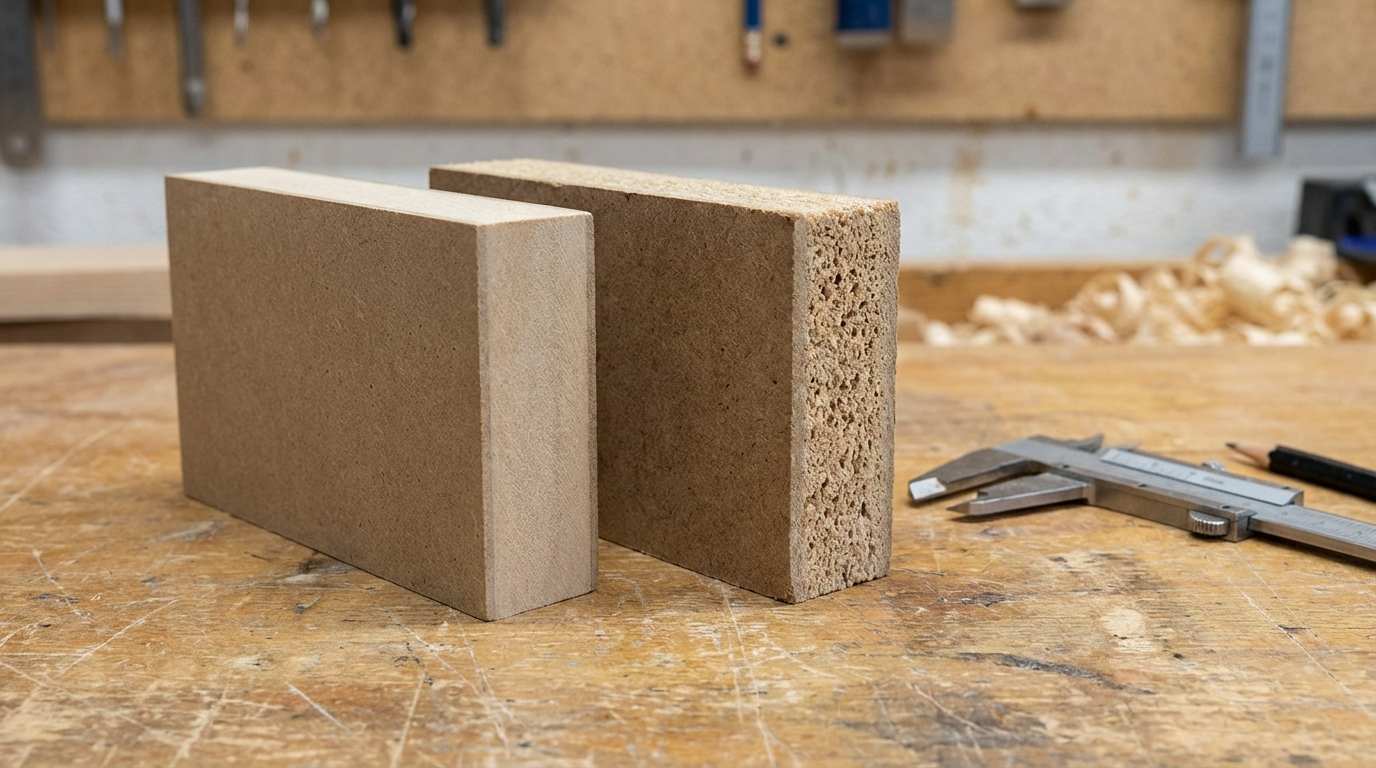
MDF, or Medium Density Fiberboard, is engineered wood made by breaking down wood fibers, mixing with resin, and pressing under heat into dense sheets. In India, it's popular for cabinets, wardrobes, and paneling due to its smooth surface for laminates or paint. Densities range from 650-850 kg/m³, with higher better for machining. Unlike plywood, no knots or voids; unlike particleboard, finer fibers for better strength.
Where People Get Confused About MDF
- MDF vs Particleboard: MDF denser, smoother; particleboard cheaper but crumbly.
- All MDF is waterproof: No, only BWP-grade variants resist moisture; standard swells.
- MDF for outdoors: Rarely, needs sealing; prefer exterior grades sparingly.
- Thickness equals strength: Core density matters more than sheet size.
- Pre-laminated = premium: Often hides poor base quality.
- Light color means low density: Visuals mislead; tap test reveals hollowness.
India-Specific Reality Check
In India's monsoons and coastal humidity (60-90% RH), standard MDF delaminates fast without edge sealing. Storage in open godowns causes warping; coastal salt accelerates termite issues despite treatments. Contractor workflows favor quick-cut MDF, but poor handling leads to edge chips. Urban projects need calibrated sheets to minimize sawdust waste in tight sites.
Why Humidity Changes MDF Selection
High moisture areas like Mumbai kitchens demand HDHMR over plain; verify by water-spray test on sample. Dry Delhi bedrooms suit standard grades. Always acclimatize sheets 48 hours pre-install to match site RH, preventing cupping post-fit.
Price Range and Cost Drivers (India)
MDF sheets (8x4 ft) typically range Rs 30-70/sq ft for 6-12mm plain grade, Rs 50-110/sq ft for 18mm MR/HDHMR, up to Rs 120+ for premium BWP. Thicker/heavier grades cost more; metro cities add 15-25% logistics. Core quality (eucalyptus vs mixed) drives 20% variance; branded often 10-20% premium for consistency.
How to Ask for a Quote: Checklist
- Specify size (e.g., 8x4x18mm), grade (MR/HDHMR), quantity.
- Ask density (min 700kg/m³), moisture content (<12%).
- Include delivery, cutting charges; compare 3 local dealers.
- Mini example: 100 sq ft wardrobe (18mm MR) ~Rs 6,000-10,000 base, plus laminate.
How to Choose in 5 Steps
- Match use zone: Dry interiors? Plain. Kitchens/bathrooms? HDHMR.
- Check density/thickness: Tap for solid sound; 16-19mm for shelves.
- Test samples: Screw/nail hold, edge sanding.
- Verify supply: Local stock to avoid delays.
- Seal edges: Mandatory for longevity; skip risks swelling.
Skipping step 3 leads to rework; always buy 5% extra for wastage.
Popular MDF Brands Shortlist for 2026
| Brand | Key Notes | Typical Strengths | Best For |
|---|---|---|---|
| Greenply | Wide range, MR/HDHMR | Smooth finish, screw hold | Wardrobes, furniture |
| Greenpanel | Eco-focused, pre-lams | Affordable density | Modular kitchens |
| CenturyPly | High volume, variants | Consistent calibration | Large projects |
| Action TESA | Moisture grades | Termite resistance | Humid zones |
| E3 MDF | Innovative processes | Durability claims | Custom furniture |
Decision Framework: Conditions to Recommended Options
| Project Condition | Recommended Approach | What to Verify |
|---|---|---|
| Coastal/high humidity | HDHMR grade, 750+ kg/m³ | Water spray test; edge seal compatibility |
| Heavy use/scratch risk | High density 18mm+ | Screw pull-out test on sample |
| Tight budget | Plain MR 12mm | Local dealer pricing vs 3 quotes |
| Fast delivery needed | Brands with metro depots | Stock availability call |
| Painted finish | Calibrated smooth face | Sandpaper touch; no pits |
| Laminate top | Pre-lam or plain uniform | Glue adhesion trial |
Trade-offs and Limitations
MDF excels in smooth finishes but swells irreversibly if wet without sealing—unsuitable for floors or exteriors. Heavier than plywood per volume, raising transport costs; poor fire resistance needs intumescent paint. No natural grain, so laminates essential for aesthetics. HDHMR costs 20-30% more but halves moisture failures.
Is MDF Stronger Than Plywood?
Not always; MDF uniform but plywood layered for bending strength. Choose MDF for flat panels, plywood for frames. Test: MDF better screw hold centrally, plywood edges. In India, hybrid use common for cabinets.
Common Buyer Mistakes and How to Avoid Them
- Buying cheapest without grade check: Leads to swelling; ask for MR cert visuals.
- Ignoring storage: Warps in heat; stack flat, covered.
- No edge sealing: Chips expose core; seal all cuts same day.
- Overloading shelves: Sags at >20kg; reinforce undersides.
- Skipping acclimatization: Gaps post-install; 2-day site rest mandatory.
- Blind brand loyalty: Batch varies; inspect each delivery.
- Thin sheets for cabinets: Vibrates; min 16mm.
- No wastage buffer: Shortfall delays; order 10% extra.
- Forgetting termite zones: Coastal needs treated; spray neem oil pre-store.
Failure Modes and Fixes
- Symptom: Edge swelling. Cause: Moisture ingress. Prevent: Seal with putty/PVC tape. Fix: Sand, reseal; replace if core soft.
- Symptom: Screw pull-out. Cause: Low density core. Prevent: Use inserts. Fix: Plug holes, redrill.
- Symptom: Surface pitting. Cause: Poor pressing. Prevent: Tap test pre-buy. Fix: Filler before paint.
- Symptom: Delamination layers. Cause: High glue moisture. Prevent: <12% MC sheets. Fix: Discard affected.
- Symptom: Warping bow. Cause: Uneven humidity. Prevent: Acclimatize. Fix: Clamp flat, dry slowly.
- Symptom: Termite nibbles. Cause: Untreated wood fiber. Prevent: Borer spray. Fix: Isolate, treat rest.
- Symptom: Laminate bubble. Cause: Poor adhesion. Prevent: Clean surface. Fix: Heat gun lift, reglue.
Quality Checks You Can Do Without Lab Tests
Before buying: Weigh sample (heavier=denser), tap edges (dull thud=uniform), flex corner (no crack). Ask supplier for last batch density note.
After cutting: Check core smoothness, no voids; sand edges—resists tear.
After install: Spray water on sealed edge (no darkening 24hr), load test shelf (even sag).
Red Flags to Walk Away From
Burnt resin smell, visible fibers on face, inconsistent thickness gauge, or dealer refusing sample cut.
Tips for Homeowners: Durability Do's and Don'ts
Do: Wipe spills immediately, use coasters, seal edges yourself. Don't: Direct AC vents, wet mop, overload racks. Expect 10+ years with care in dry homes.
Tips for Carpenters
Cut with fine blade (60 teeth), zero clearance insert to avoid tear-out. Fasten 50mm from edges; pre-drill. Handle by edges to prevent dents. For hinges, reinforce with blocks.
Tips for Architects
Spec min 700kg/m³, MR grade for zones >70% RH. Detail edge bands in drawings. Recommend hybrids: MDF panels + plywood frames. QC clause: Reject >2mm thickness variance.
Which MDF Brand for Modular Furniture?
CenturyPly or Greenpanel for consistent sizing in factories; verify calibration <0.5mm variance. Suits OEMs needing repeatability, reduces CNC rejects 20%.
FAQs
What makes a MDF brand "best" for Indian homes?
Consistency in density (700+ kg/m³), moisture resistance grades, and local availability define top picks. Brands like Greenply excel in smooth machining for laminates, vital for humid wardrobes. Check samples for screw hold; prioritize those with wide networks to avoid stockouts during monsoons. Always balance with project scale—large buys favor high-volume suppliers.
HDHMR vs standard MDF—which for kitchens?
HDHMR (high-density moisture resistant) for kitchens, resisting steam better than plain. Standard suits bedrooms. Verify by soaking edge sample overnight—no swelling ideal. Costs 20% more but prevents callbacks in coastal homes.
How thick MDF for wardrobe shutters?
16-19mm balances weight and rigidity; thinner vibrates, thicker heavy. Pair with soft-close hinges. Test load: 15kg uniform no sag. India tip: Thicker for bottom shelves.
Can MDF be painted directly?
Yes, primer first for adhesion; sand lightly. Smooth face takes enamel well, no grain telegraphing. Avoid humid areas unsealed—paint chips. Popular for budget cabinets.
Pre-laminated MDF worth extra cost?
Often yes for speed, no lamination hassles; check base density. Good for small projects, but plain allows custom designs. Verify no bubbles on sample press.
MDF vs blockboard for beds?
MDF smoother for upholstery bases; blockboard stronger frames. Hybrid best. MDF edges need banding to match.
How to store MDF sheets on-site?
Vertical racks, covered plastic, off ground. Acclimatize 48hrs. Monsoon: Indoor only, fans if humid.
Termite-proof MDF options?
Treated grades common; spray extra neem. Elevate furniture legs. Coastal: Pair with boric treatment.
Best MDF thickness for shelves?
18mm for <1m span, 25mm longer. Reinforce spans. Load test before final.
Import vs Indian MDF—differences?
Indian adapted to humidity, cheaper logistics. Imports pricier, similar quality. Local for speed.
Recyclable is MDF?
Fibers reusable, but resin limits. Eco-brands use low-formaldehyde. Dispose via wood waste.
Disclaimer: This content is provided for general informational purposes based on industry practices and publicly available information. Product specifications, standards, prices, and availability may vary by manufacturer, region, and time. Readers should independently verify details with manufacturers, dealers, or qualified professionals before making purchase or construction decisions.Want Plywood Suggestions?
Share a few details and a Duro BOIL specialist will suggest suitable brands and connect you to responsive dealers.