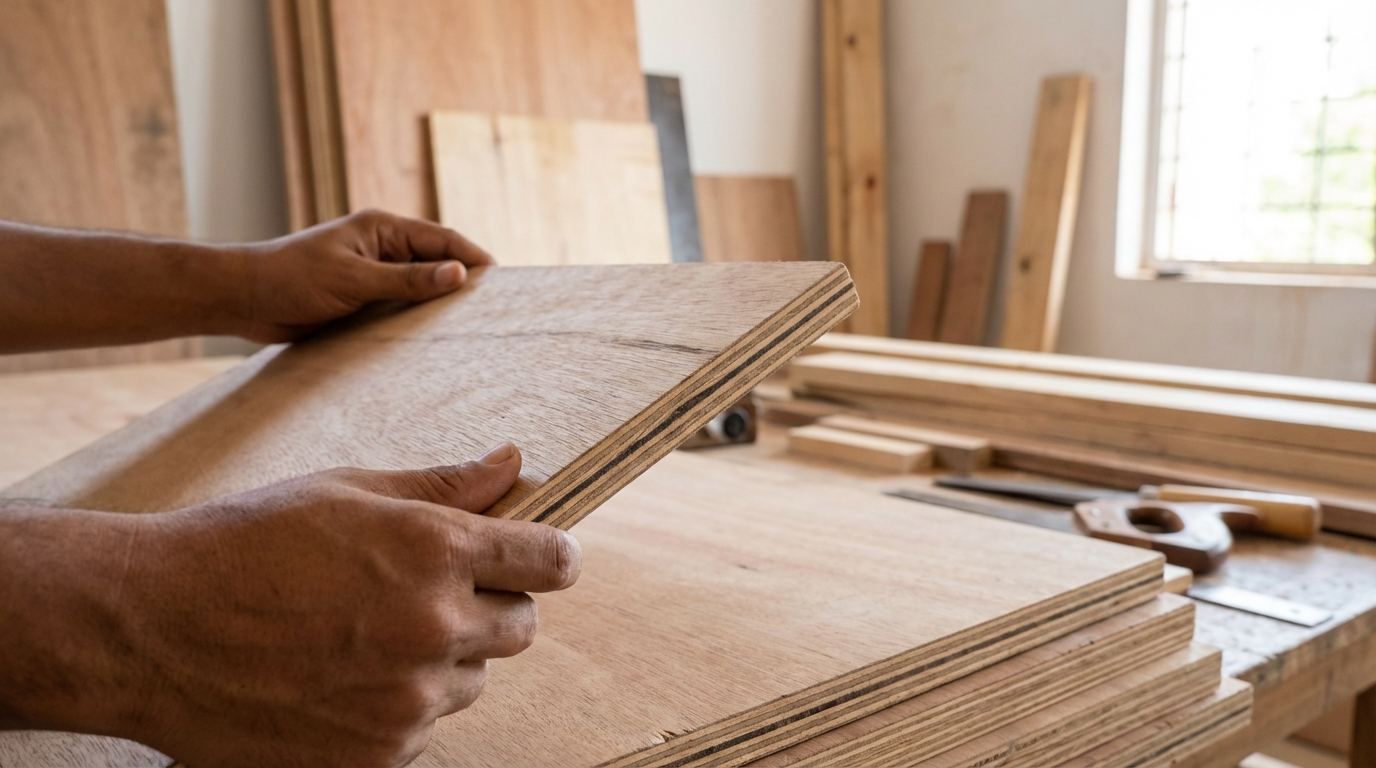
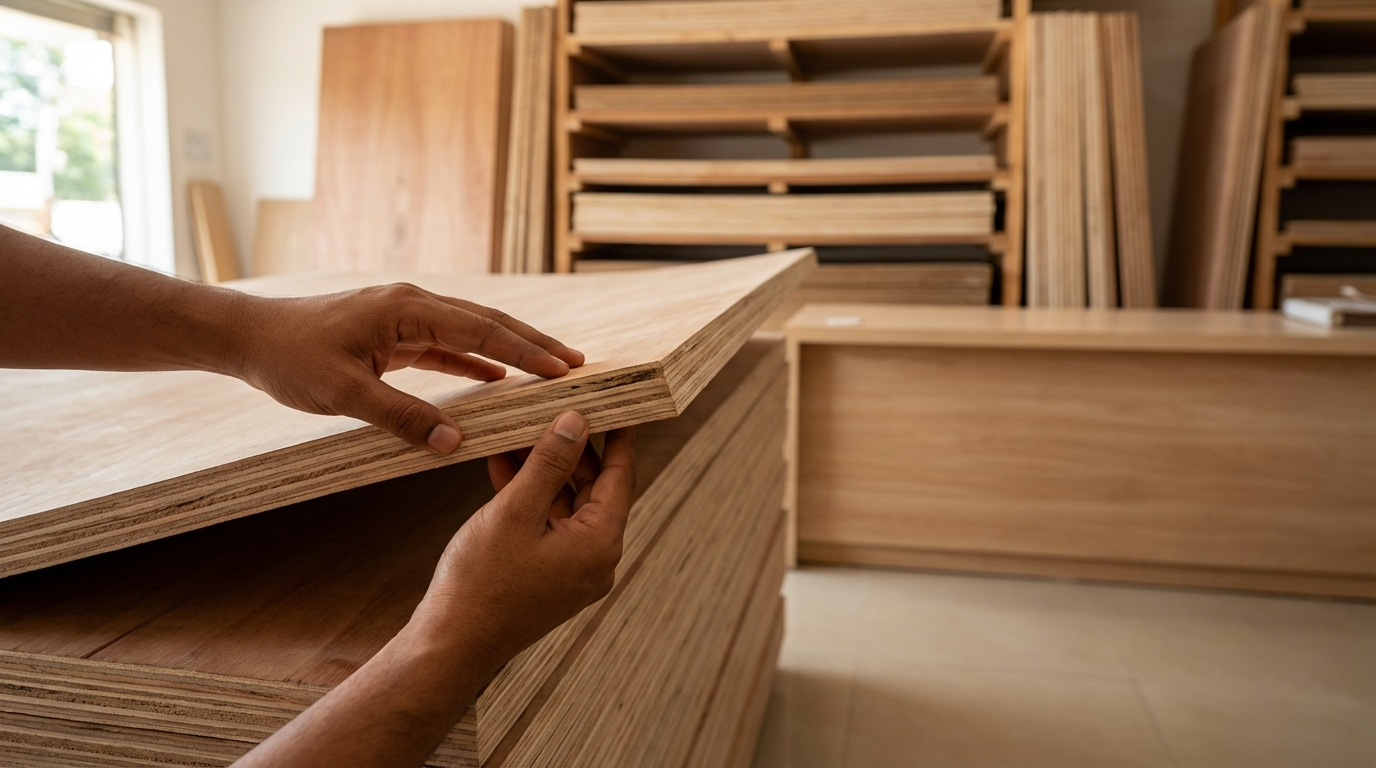
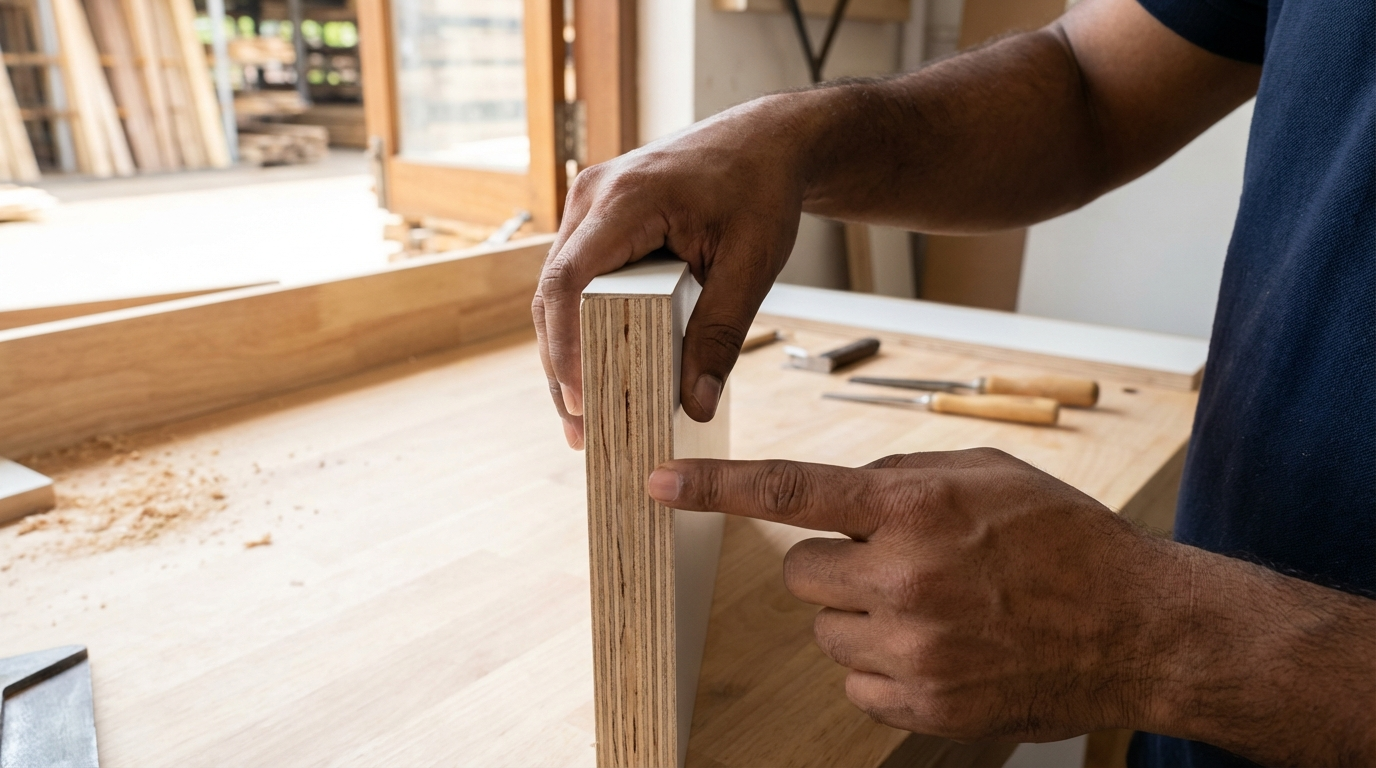
Best MDF Board Brands in India 2026 – Top 5 for Quality & Value
Top 5 MDF brands in India for 2026 – comparing Greenpanel, Action Tesa, Century, etc., on quality, durability, and price so you can pick the best.
Quick Decision Summary
Top MDF brands for 2026 in India: Greenpanel, Action Tesa, CenturyPly, Archidply, and Srichakra balance quality, durability, and value best.
If you’re in a hurry, prioritize Greenpanel or Action Tesa for consistent density and smooth finish in furniture like wardrobes and cabinets, especially in humid interiors. CenturyPly suits budget projects with good screw hold. Archidply works for modular kitchens needing lamination. Srichakra offers value for large volumes. Always verify calibration and edge moisture resistance on-site, as monsoon storage affects performance. Check thickness uniformity and ask for recent batch samples before bulk buy—regional dealers vary stock freshness.
- Choose Greenpanel or Action Tesa if you need reliable moisture resistance and fine sanding for veneers.
- Choose CenturyPly or Srichakra if tight budgets demand basic strength without premium finishes.
- Avoid unverified local brands if your project faces high humidity or heavy loading.
Note: This page is independent informational content and is not affiliated with any manufacturer.
If You’re Searching for Greenpanel or Similar MDF Brands, Here’s What People Usually Mean
Queries for Greenpanel, Action Tesa, or CenturyPly often seek their MDF boards for furniture making, kitchen cabinets, or wall panels. Users want to know board grades like standard or moisture-resistant (MR), thickness options (6mm to 25mm), and suitability for lamination or painting. Common confusions include mistaking MDF for plywood strength or assuming all brands resist termites equally—MDF relies on sealed finishes. People decide based on screw-holding power for modular fittings and minimal warping in Indian homes during rains.
How to Compare Greenpanel-Type Options to Alternatives (Without Guesswork)
Compare by dropping a sample sheet from waist height—consistent thud means uniform density. Test screw hold by driving 4-5 screws per sq ft; pull-out resistance should exceed 100kg without crumbling. For moisture, wipe edges with wet cloth after 24 hours; no swelling indicates better glue formulation. Greenpanel-style boards excel in calibrated thickness for machine cutting, while alternatives like CenturyPly prioritize cost for dry interiors. Verify face smoothness for paint adhesion and core gaps under light—fewer voids mean stronger panels.
What MDF Boards Actually Mean
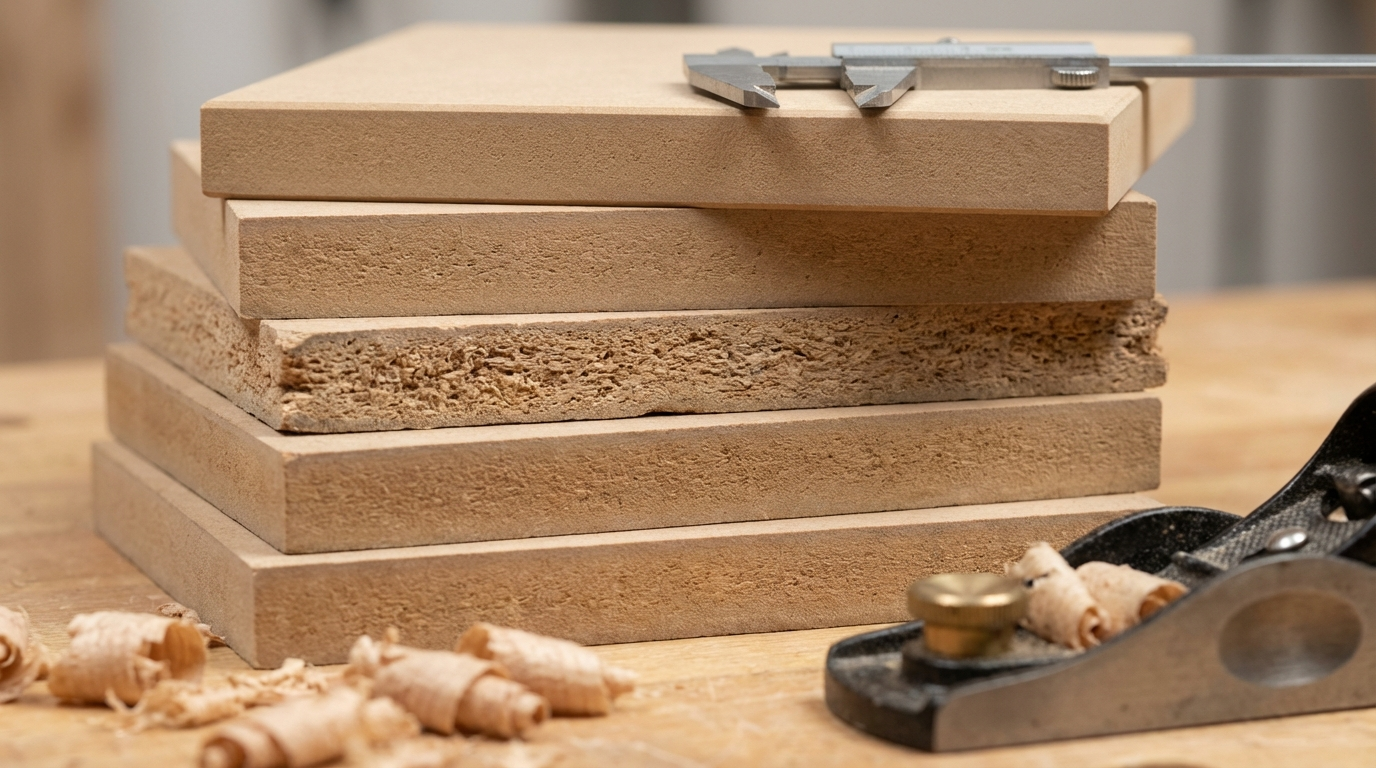
MDF, or Medium Density Fiberboard, is engineered wood from wood fibers glued under heat and pressure, denser than particleboard but smoother than plywood for finishes. In India, it comes in standard (for dry areas) or MR grades (for occasional humidity). Thicknesses range 3mm-25mm, used for cabinets, doors, and partitions. Unlike plywood's layers, MDF's uniform fibers allow intricate routing but need edge banding to prevent chipping.
Where Do People Get Confused with MDF?
- MDF vs Plywood: MDF machines easier but warps more if unsealed in damp storage.
- MR MDF Meaning: Not waterproof—only handles humidity if edges sealed properly.
- Termite Resistance: Fibers attract pests without treatment; always pair with sealants.
- Load-Bearing: Fine for shelves under 50kg/sq m with supports, not standalone beams.
- Finish Compatibility: Absorbs laminates well but may bubble under poor-quality paints.
- Calibration Myths: "Calibrated" means ±0.2mm thickness tolerance for flush joints.
India-Specific Reality Check
In monsoon-prone India, MDF swells 10-15% faster than BWR plywood if stored flat on bare floors—elevate stacks on pallets. Coastal areas like Mumbai or Chennai demand MR grades with phenolic resins to fight 80%+ humidity. Contractor workflows often expose boards to site dust, causing adhesion failures; cover during transit. Workmanship issues like uneven screwing lead to sagging cabinets. Hot-dry regions like Rajasthan favor standard MDF for cost, but always acclimatize 48 hours before fixing.
Price Range and Cost Drivers (India)
MDF prices typically range Rs 40-120 per sq ft for 18mm thickness, varying by city (higher in metros like Delhi/Bengaluru due to logistics). Thinner 6-12mm sheets cost 30-50% less. Key drivers: MR grade adds 20-30%, calibration and smooth face up another 10-15%, brand consistency reduces wastage. Bulk buys drop 10-20%. Ask quotes specifying: "18mm MR calibrated MDF, recent batch, sample density test."
Sample Budget for 100 sq ft Wardrobe: Rs 6,000-12,000 boards + Rs 2,000-4,000 laminate/edge bands (excludes labor; confirm locally).
Two-Minute Comparison That Actually Helps
| Brand | Strength | Best For | Verify This |
|---|---|---|---|
| Greenpanel | High density, MR focus | Kitchens, humid zones | Edge swell test |
| Action Tesa | Smooth finish, calibration | Veneered furniture | Screw hold pull |
| CenturyPly | Affordable volume | Dry interiors, budgets | Thickness gauge |
| Archidply | Lamination grip | Modular cabinets | Face sand scratch |
| Srichakra | Basic strength | Partitions, bulk | Core void check |
Choose based on conditions: humid/heavy-use → Greenpanel/Action Tesa; dry/budget → CenturyPly/Srichakra.
How to Choose in 5 Steps
- Match Use Case: Dry bedroom cabinets? Standard. Kitchen? MR grade.
- Inspect Sample: Weigh per sq ft (18mm ~25kg); uniform heft signals quality.
- Test Handling: No crumbling on edges; tap for solid tone.
- Confirm Specs: Ask density (650-750 kg/m³), thickness tolerance.
- Acclimatize & Trial: Site-condition 48hrs; fix small test piece first.
Skip steps? Expect sagging or delam in 6-12 months.
What Makes One MDF Brand Better Than Another?
Density uniformity and glue quality differentiate top brands—better ones hold screws 20-30% longer without pilot holes. In India, monsoon-tested resins prevent core softening. Nuance: Budget brands suffice for painted panels but fail under laminates due to voids. Next step: Request 1 sq ft sample from 2-3 suppliers; compare drop test and moisture wipe. Local batch variations matter most—always inspect recent stock.
Which MDF is Best for Moisture-Prone Areas?
MR-grade from Greenpanel or Action Tesa handles 70-80% humidity best with sealed edges. Standard MDF buckles faster. Conditions: Pair with PU polish and avoid direct water. Practical check: Soak edge 30 mins; minimal expansion (<2mm). For coastal homes, add frame supports every 40cm. Verify supplier's storage—outdoor stacks spell trouble.
Decision Framework: Match Your Project Conditions
| Project Condition | Recommended MDF Type/Brand Style | What to Verify |
|---|---|---|
| Wet zone (kitchen) | MR grade (Greenpanel/Action Tesa) | Edge moisture test, density >700kg/m³ |
| Coastal humidity | Calibrated MR | Recent batch, pallet storage |
| Heavy use (wardrobe) | High screw-hold (CenturyPly/Archidply) | Pull-out test on sample |
| Tight budget | Standard 18mm (Srichakra) | No core gaps, uniform thickness |
| High scratch risk | Smooth face HD variant | Sandpaper rub test |
| Fast delivery | Local stock brands | Acclimatization time |
Trade-offs and Limitations
MDF machines precisely but needs edge banding to hide fibers—raw edges crumble. Strong in compression but weak in tension without frames. MR grades cost more yet still require sealing. Not ideal for load-bearing without plywood backing. In India, dust clogs tools faster than solid wood.
Common Buyer Mistakes and How to Avoid Them
- Mistake 1: Buying cheapest without density check—happens in rushed contractor buys. Instead: Weigh sample; heavier = better.
- Mistake 2: Ignoring storage—monsoon floor stacks swell. Instead: Insist on covered godown stock.
- Mistake 3: No edge sealing—chips during handling. Instead: Band immediately post-cut.
- Mistake 4: Wrong thickness for load—6mm sags. Instead: Calculate supports needed.
- Mistake 5: Skipping pilot holes—cracks cores. Instead: Use 3mm bits always.
- Mistake 6: Poor lamination match—bubbles. Instead: Test adhesion on scrap.
- Mistake 7: No acclimatization—warps post-install. Instead: 48hrs site time.
- Mistake 8: Bulk without sample—batch variance. Instead: Approve one sheet first.
Failure Modes and Fixes
- Symptom: Surface swelling. Root: Unsealed exposure. Prevent: Full edge band + polish. Fix: Sand, reseal.
- Symptom: Screw pull-out. Root: Low density. Prevent: Pilot + washers. Fix: Reinforce with inserts.
- Symptom: Core crumbling. Root: Moisture ingress. Prevent: MR + sealing. Fix: Discard affected.
- Symptom: Laminate bubbles. Root: Poor glue. Prevent: Acclimatize. Fix: Re-laminate.
- Symptom: Edge chipping. Root: No banding. Prevent: Immediate PVC tape. Fix: Fill + sand.
- Symptom: Sagging shelves. Root: Undersized. Prevent: Add battens. Fix: Underpin.
Quality Checks You Can Do Without Lab Tests
Before Buying: Tap sheet—even tone, no hollows. Check edges straight, faces flat. Ask density/grade docs.
After Cutting: No dust explosion (good cohesion). Smooth router path.
After Install: Even gaps, no flex under push. Clean spills fast.
For Homeowners: Durability Do’s and Don’ts
Use coasters on cabinets; avoid dragging cleaners. Do oil hinges yearly. Don’t overload top shelves without checks. Nuance: Humidity spikes cause subtle bows—ventilate rooms. Next: Inspect edges monthly; reseal cracks early.
For Carpenters: Cutting and Fixing Tips
Cut with zero-clearance blade; pre-drill everywhere. Edge-band green (fresh cut). Fasten 15cm spacing. India tip: Carbide bits last longer in dusty sites. Check: Test screw torque on waste.
For Architects: Spec and Detail Advice
Specify "MR calibrated MDF, 700kg/m³ min, edge-banded." Detail frames for spans >60cm. Wet zones: HDHMR alternate. Verify: Drawings note sealing layers.
For Modular Makers: QC and Repeatability
Batch-test every 50 sheets for thickness. Standardize pilot depths. Reduces complaints 40%. Check: CNC calibration daily.
FAQs
Which is the top MDF brand in India for 2026?
Greenpanel and Action Tesa lead for balanced density and finish in furniture projects, handling Indian humidity well when sealed. CenturyPly follows for value in dry uses. Factors like regional availability shift picks—metros favor premium stock. Always sample-test; no universal "best" without project details. Start by listing your thickness/load needs and matching local dealer options.
Is Greenpanel MDF worth the price?
Often yes for kitchens/wardrobes needing MR traits and smooth lamination, reducing rework. Budget alternatives match dry interiors but risk swelling. Cost drivers: Calibration saves machining time. Practical step: Compare samples side-by-side for screw hold; buy if it outperforms by 20%.
What’s the difference between standard and MR MDF?
MR uses water-resistant resins for 20-30% less expansion in humidity, vital for Indian monsoons. Standard suits bedrooms only. Both need sealing. Test: Wet cloth overnight. Choose MR for anything below 2m ceiling height in coastal homes.
How thick should MDF be for wardrobes?
18mm for sides/shelves, 12mm shelves with supports—balances weight and cost. Thinner risks sag under clothes. India reality: Add battens every 50cm. Verify: Load-test sample statically.
Does MDF attract termites?
Yes, fibers do without treatment—seal all surfaces and use repellents. Less than softwood but pair with frames. Prevention: Borate spray pre-finish. Monsoon vigilance key.
Can MDF be used outdoors?
No, even MR degrades fast—use HMR or marine plywood instead. Indoors only, sealed. Failures common in verandahs. Alternate: Cement boards.
How to store MDF sheets before use?
Vertical racks, covered, off floor—48hrs acclimatization. Avoid direct sun/rain. Site stacks invite warping. Check: No bend post-storage.
What’s better, MDF or particleboard?
MDF for smoothness/screw hold; particleboard cheaper for basics. MDF wins furniture. Trade-off: MDF dustier to cut. Pick by finish needs.
Best MDF for laminate furniture?
Calibrated smooth-face like Archidply—grips without bubbles. Prep: Sand lightly. India tip: Hot-press quality matters for monsoons.
Disclaimer: This content is provided for general informational purposes based on industry practices and publicly available information. Product specifications, standards, prices, and availability may vary by manufacturer, region, and time. Readers should independently verify details with manufacturers, dealers, or qualified professionals before making purchase or construction decisions.Want Plywood Suggestions?
Share a few details and a Duro BOIL specialist will suggest suitable brands and connect you to responsive dealers.