Century MDF: checklist review (density, finish, warranty)
A practical review of century mdf: specs checklist, pros/cons, best-use cases, warranty checks, and what to verify at the dealer in India. Includes a
Quick Decision Summary
Century MDF suits modular kitchens and wardrobes in dry interiors if density exceeds 750 kg/m³ and finish is sanded smooth—always verify warranty stamping at purchase.
If you’re in a hurry: Century MDF delivers consistent density for screw-holding and a factory-sanded finish ideal for laminates or paint, making it a solid pick for urban apartments. Expect it to perform well in controlled humidity but check for uniform thickness and edge sealing to avoid swelling in monsoons. Pros include machinability and affordability; cons involve moisture sensitivity without added treatment. Confirm dealer stamps warranty details and test a sample for weight feel before bulk buy.
- Choose this if: Building furniture in air-conditioned homes, prioritizing smooth surfacing over water resistance.
- Avoid this if: Coastal or high-humidity zones without extra sealing, or heavy-load applications needing plywood strength.
Note: This page is independent informational content and is not affiliated with any manufacturer.
If You’re Searching for Century MDF, Here’s What People Usually Mean
Queries for Century MDF typically point to buyers seeking details on this engineered board from a well-known Indian producer, often for cabinets, shelves, or paneling. People confuse it with their plywood lines or assume it's inherently moisture-proof, but it's standard fiberboard optimized for interiors. Common intents include verifying if it holds screws well (density check), accepts finishes evenly (surface quality), and comes with reliable coverage (warranty terms printed on-packaging). Homeowners want usage limits, carpenters need cutting feedback, and architects seek spec matches for drawings.
How to Compare Century-Type Options to Alternatives (Without Guesswork)
To compare Century MDF fairly, focus on measurable traits like density via weight test, finish via touch/scratch, and warranty via dealer documentation. Against similar boards, weigh moisture needs: standard MDF for dry zones vs. HDHMR for kitchens. Check core uniformity by tapping for hollow sounds and edge integrity post-cut. Alternatives shine in wet areas (BWR plywood) or budget bulk (particleboard), but MDF wins for precision routing. Always test samples side-by-side for your project's load and climate.
| Condition | Century MDF Fit | What to Verify |
|---|---|---|
| Dry interiors (bedrooms) | Excellent | Smooth sanded face, 700+ kg/m³ density feel |
| Modular kitchens | Good with sealing | Edge banding quality, no delam post-water test |
| Coastal humidity | Average | Moisture-resistant variant stamp, core tightness |
| Heavy screw loads | Fair | Screw pull-out test on sample |
| Tight budget | Strong | Thickness consistency across sheet |
| High polish finish | Top choice | Pre-sanded uniformity, no pits |
What This Term/Material Actually Means
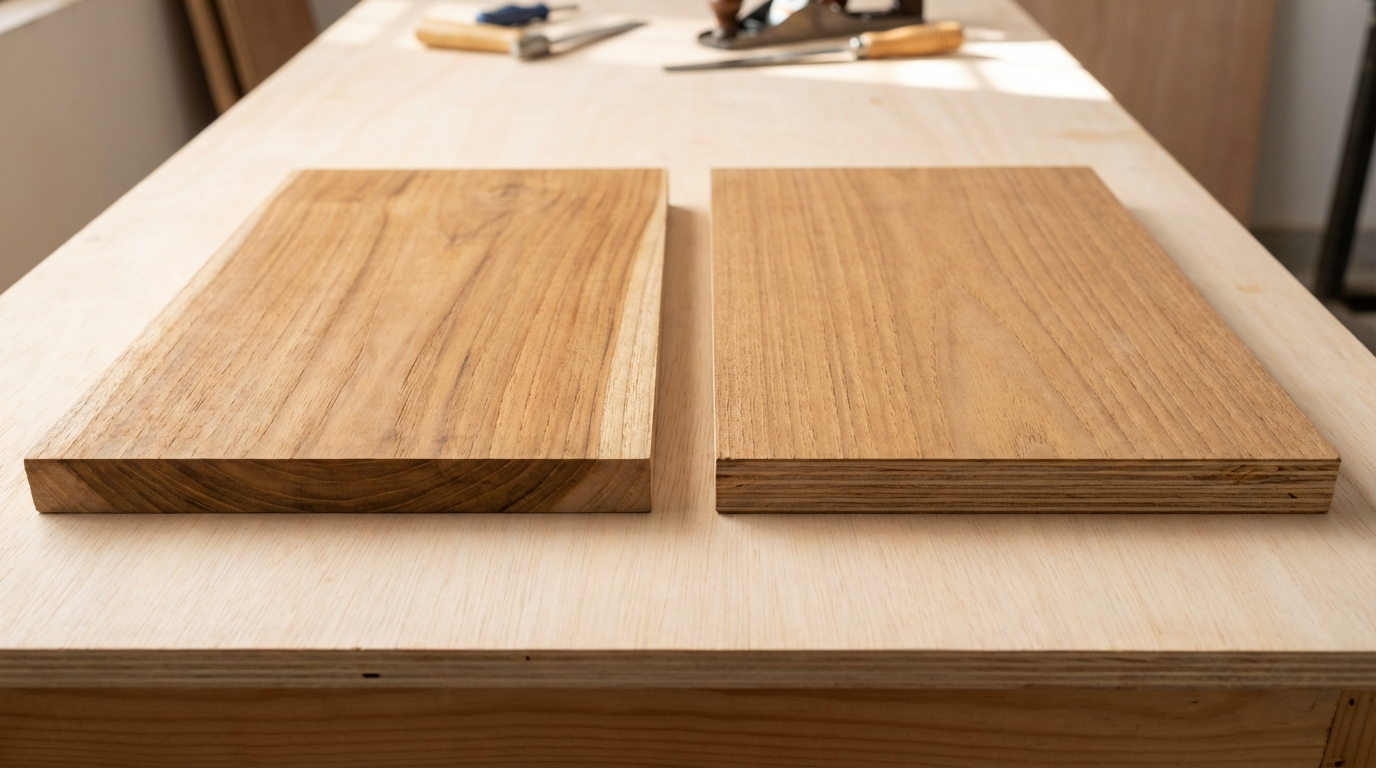
Century MDF refers to Medium Density Fiberboard produced by blending wood fibers with resins, pressed under heat for uniform panels. It's not plywood (no layers) but excels in flatness for laminating or painting. Density typically ranges 650-850 kg/m³—higher means better strength. Finish is factory-sanded for smoothness, aiding tool-free edges.
Where people get confused:
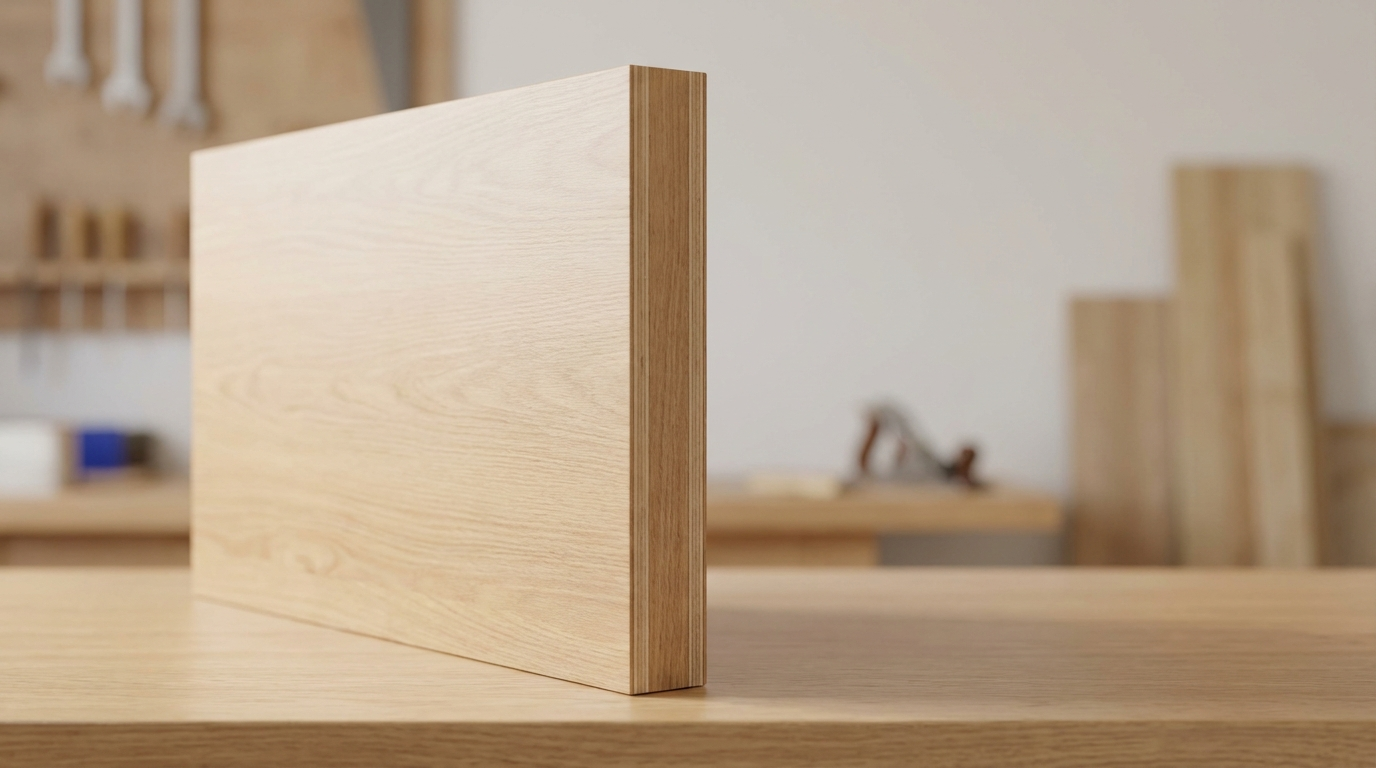
- MDF vs. plywood: MDF machines smoother but warps easier in dampness.
- Standard vs. HD (high-density): HD holds screws tighter, often labeled separately.
- Finish types: Assumes glossy out-of-box; actually raw for custom veneers.
- Warranty scope: Thinks lifetime; usually structural only, excludes workmanship.
- Moisture-proof: Often mistakes for BWP; needs sealing in India rains.
What is the typical density of Century MDF?
Century MDF usually hits 700-800 kg/m³, giving solid screw grip for cabinets without sagging. Lower end suits light shelves; higher resists dents in kids' rooms. Nuance: Batch variations occur, so heft a corner sample—quality feels hefty, not spongy. Next, tap edges for solid tone; hollow means poor compression. Test by dropping a screw through: tight hold confirms usability. In India, coastal dealers stock denser variants; always weigh against sheet size for assurance before loading transport.
India-Specific Reality Check
In monsoon-heavy India, MDF like Century absorbs humidity fast if unsealed, leading to edge swelling in godowns or sites. Coastal Kerala or Mumbai demands immediate banding post-cut. Storage tip: Vertical stacking under cover prevents warp. Contractor workflows favor it for quick routing in Pune factories, but carpenters note screw pilot holes prevent cracks. Urban apartments benefit from its flatness matching laminate suppliers, yet rural sites see more failures from open-air exposure.
Price Range and Cost Drivers (India)
Expect ₹50-120 per sq ft for 18mm Century MDF, varying by thickness (3-25mm), density grade, and city (metros 20% higher). Drivers: Core fiber quality adds 15-20%, sanded finish ups premium, logistics from Assam mills hikes north India rates. Thinner for partitions cheaper; calibrated sheets cost more but cut wastage.
How to ask for a quote:
- Specify thickness, sheet size, quantity.
- Mention density preference (700+ kg/m³).
- Ask for stamped warranty sheet.
- Request sample for finish touch.
- Negotiate delivery + banding.
Mini example: 10x 8x8 ft 18mm sheets for wardrobe = budget ₹25,000-40,000, plus 10% for edges.
Does Century MDF come with a warranty, and what does it cover?
Century MDF sheets often carry stamped warranty terms from dealers, typically focusing on manufacturing defects like delamination under normal use. Coverage varies by batch—dry interiors get longer nods, but excludes site damage or moisture exposure. Nuance: Indian heat accelerates issues if stored flat; check print for duration and claim process. Next step: Snap dealer photo of stamp, quiz on exclusions (e.g., cutting errors). For peace, pair with sealant; confirm locally as terms shift by region.
How to Choose in 5 Steps
- Match to space: Dry room? Go standard; kitchen? Seek MR variant.
- Weigh density: Lift corner—heavy signals quality.
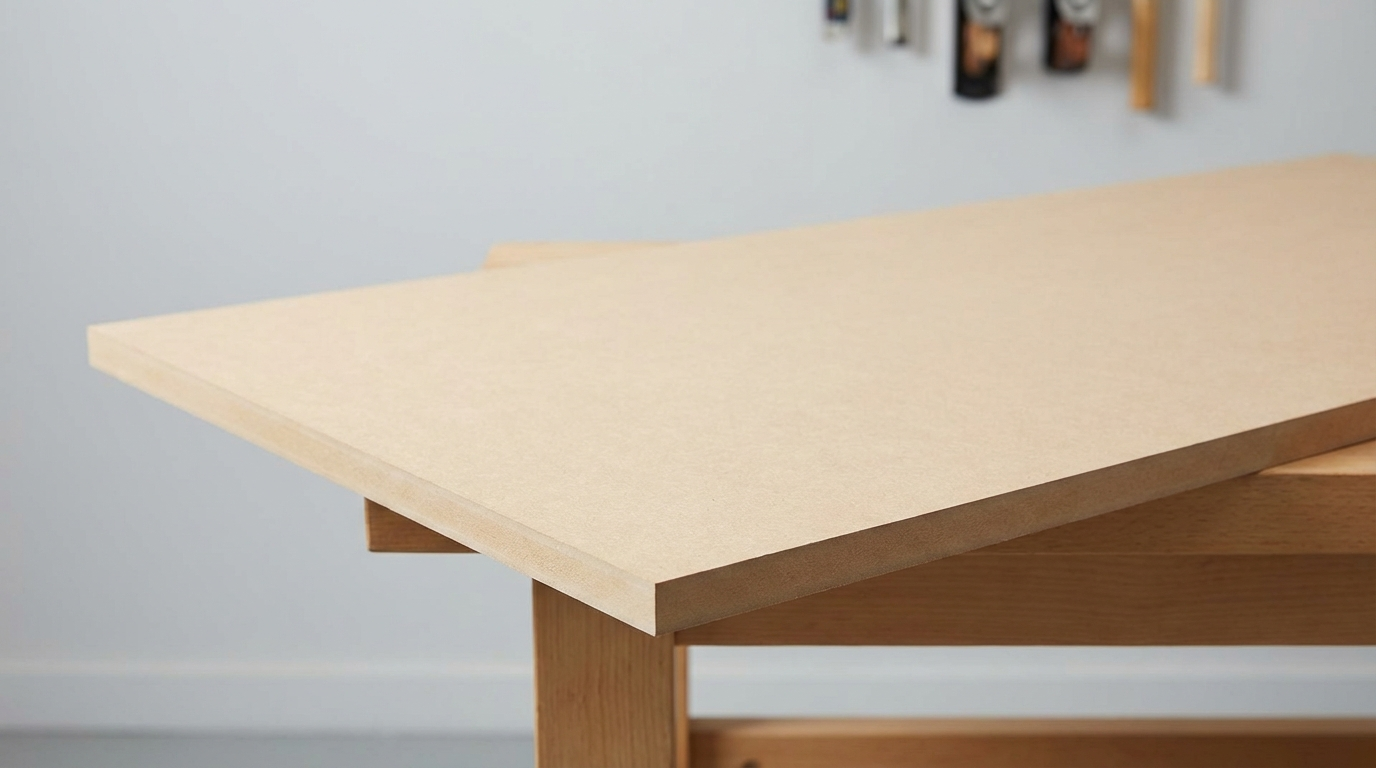
- Inspect finish: Run palm; no grit or pits.
- Verify warranty: Demand printed sheet match.
- Test sample: Cut, screw, splash water—watch reactions.
Skip density check? Risks sagging shelves. Miss sealing? Monsoon bulges.
How smooth is the finish on Century MDF compared to others?
Century MDF finish is typically pre-sanded to 180-grit smoothness, ideal for direct laminate without sanding, outperforming rougher particleboards. Nuance: Factory variations show minor scratches; high-humidity storage dulls it. Check by gliding fingers edge-to-edge—no drag means ready. Next: Buy extra for test laminating; in India, pair with PU polish for gloss. Carpenters love it for router bits gliding clean, reducing blade wear 20% vs. uneven boards.
Trade-offs and Limitations
MDF machines precisely but splinters if not pre-drilled, swells 10-15% in humidity without banding, and weighs more than plywood for stairs. Gains uniform paint absorption; loses to solid wood in aesthetics. Warranty aids defects but not abuse. Best for hidden frames, not exposed edges.
Common Buyer Mistakes and How to Avoid Them
- Mistake 1: Ignoring density—buys light boards that fail screws. Fix: Heft test pre-buy.
- Mistake 2: Skipping edge seal in kitchens. Why: Monsoon vapor. Fix: Band all cuts day-of.
- Mistake 3: Assuming warranty covers water. Fix: Read exclusions on-site.
- Mistake 4: Flat site storage. Why: Warps under weight. Fix: Vertical racks.
- Mistake 5: No pilot holes. Fix: 2mm drill first.
- Mistake 6: Bulk buy sans sample. Fix: Test one sheet.
- Mistake 7: Metro pricing blind. Fix: Call 2-3 yards.
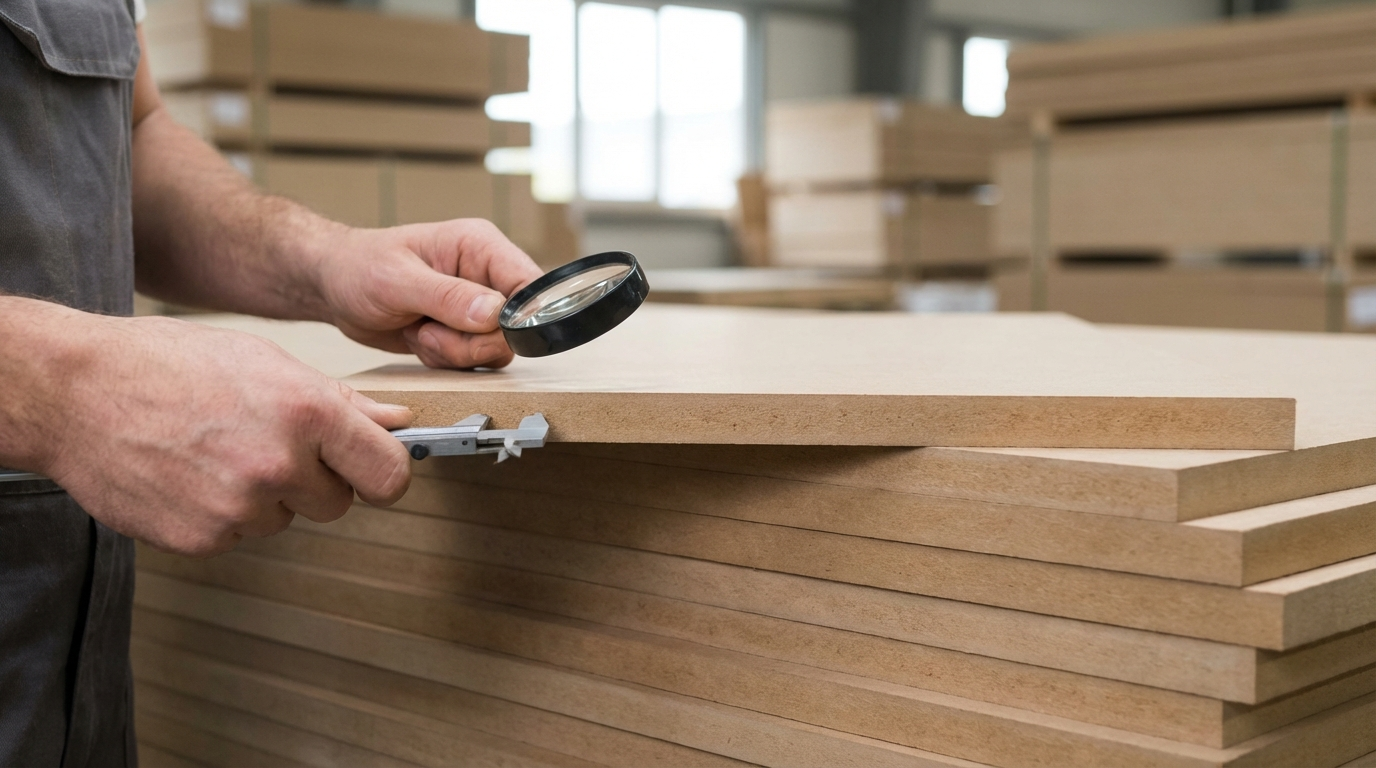
- Mistake 8: Overlooking thickness variance. Fix: Caliper check stack.
Failure Modes and Fixes
- Symptom: Edge swelling. Cause: Humidity ingress. Prevent: PVC tape day-cut. If happening: Sand, re-band.
- Symptom: Screw pull-out. Cause: Low density. Prevent: 750+ kg/m³ pick. If: Dowel reinforce.
- Symptom: Surface pits post-paint. Cause: Poor sand. Prevent: Touch-check buy. If: Filler prime.
- Symptom: Warp bow. Cause: Uneven moisture. Prevent: AC store. If: Clamp flatten.
- Symptom: Core crumble cut. Cause: Loose fibers. Prevent: Tap solid. If: Scrap, claim.
- Symptom: Delam layers. Cause: Resin fail. Prevent: Warranty stamp. If: Photo dealer.
Quality Checks You Can Do Without Lab Tests
Before buying: Weigh sheet (heavy= dense), palm face (smooth=no grit), tap edges (solid=no thud), eye stamp (warranty clear).
After cutting: Check chip-free edges, screw 5 spots (tight hold), water droplet 10min (no dark).
After install: Level check, edge seal gaps, clean dry only.
Red flags: Soft flex, visible fibers, faded stamp.
Is Century MDF good for wardrobes in India?
Yes, for dry wardrobes, its density supports hanging loads and finish takes melamine well. Nuance: Mumbai humidity needs MR grade + full banding to dodge 5-10% swell. Practical step: Sample door assembly—route, hinge, load 20kg. Homeowners seal yearly; carpenters pre-finish panels. Outlasts cheap imports in urban use if stored right, but ventilate post-monsoon.
Tips for Homeowners: Durability and Cleaning
- Do: Band edges, dry wipe spills, ventilate wardrobe.
- Don’t: Wet mop, direct AC drip, overload top.
Tips for Carpenters: Cutting and Handling
- Pilot drill screws, zero-clearance blade, band post-cut.
- Vertical transport, AC shop store.
Tips for Architects: Spec Writing
- Specify 750+ kg/m³, sanded both sides, MR for baths.
- Detail 2mm band, screw zones in drawings.
Tips for Modular Makers: QC and Repeatability
- Batch density log, auto-band line, reject soft samples.
- Reduces 15% returns via pre-water test.
Can Century MDF handle kitchen cabinets?
Typically yes with precautions—density grips hardware, finish laminates evenly. Nuance: Avoid base units sans sealant; India grease + steam swell edges. Step: Mockup corner with water/screw test. Use HD variant, PU topcoat; lasts 7-10 years in Pune flats if vented. Beats blockboard sag but monitor monsoon storage.
FAQs
What density should I expect from good Century MDF?
Quality Century MDF lands around 700-850 kg/m³, balancing weight for transport and strength for fittings. Lower suits partitions; higher kitchens. Variations tie to fiber mix—feel heft on 18mm sheet (should not flex easy). In India, verify by comparing to known good; tap test echoes solidity. Always sample before project-scale; denser cuts cleaner, holds longer in daily use.
How to check the finish quality on site?
Glide dry palm across face and edges—smooth like 180-grit paper signals prime for paint or foil. Pits or grit mean filler needed later. Nuance: Factory sand hides minor waves; shine torch at angle for truth. India dealers stack samples; rub all four. Post-cut, no fuzz confirms; pair with edge polish for cabinets.
What warranty checks are essential for Century MDF?
Inspect printed stamp on wrapper for term length and defects listed (delam, warp). Varies by grade—MR gets moisture nod. Nuance: Excludes cutting/install errors common in rushed sites. Photo it, ask claim steps. India norm: Local dealer honors if stamped; stock variants differ. Combine with sealing for real protection.
Is Century MDF better than particleboard?
Century MDF edges out with higher density for screws and smoother finish, less sag in shelves. Particleboard cheaper but crumbles cuts. Nuance: Dry zones even; humid favors sealed MDF. Test both: MDF routes crisp. India pricing flips value—wardrobes pick MDF for finish hold.
Does Century MDF warp in Indian monsoons?
Unsealed, yes—absorbs 8-12% moisture, bows edges. Banding + AC storage prevents. Nuance: MR grades resist better. Vertical stack sheets; ventilate post-rain. Installed, gaps swell doors—caulk fix. Lasts fine in Chennai if prepped right.
How thick should Century MDF be for furniture?
18mm standard for wardrobes/cabinets; 12mm shelves. Thicker adds load but weight/cost. Nuance: Density matters more—thin dense beats thick light. Caliper stack variance under 0.5mm. India carpenters favor 18mm for hinge strength.
Can I paint Century MDF directly?
Yes, sanded face takes primer-paint smooth, no grain show. Nuance: Two coats PU for gloss hold. Test sample—absorbs even. India humidity dulls; wax top yearly. Outshines plywood blotch.
What if Century MDF sample fails screw test?
Low density culprit—reject batch, seek higher grade. Drill pilot, torque 5 screws; pull firm. Nuance: Over-tight snaps. Dealer swap common; log for records. Alt: Plywood frame.
Disclaimer: This content is provided for general informational purposes based on industry practices and publicly available information. Product specifications, standards, prices, and availability may vary by manufacturer, region, and time. Readers should independently verify details with manufacturers, dealers, or qualified professionals before making purchase or construction decisions.Want Plywood Suggestions?
Share a few details and a Duro BOIL specialist will suggest suitable brands and connect you to responsive dealers.