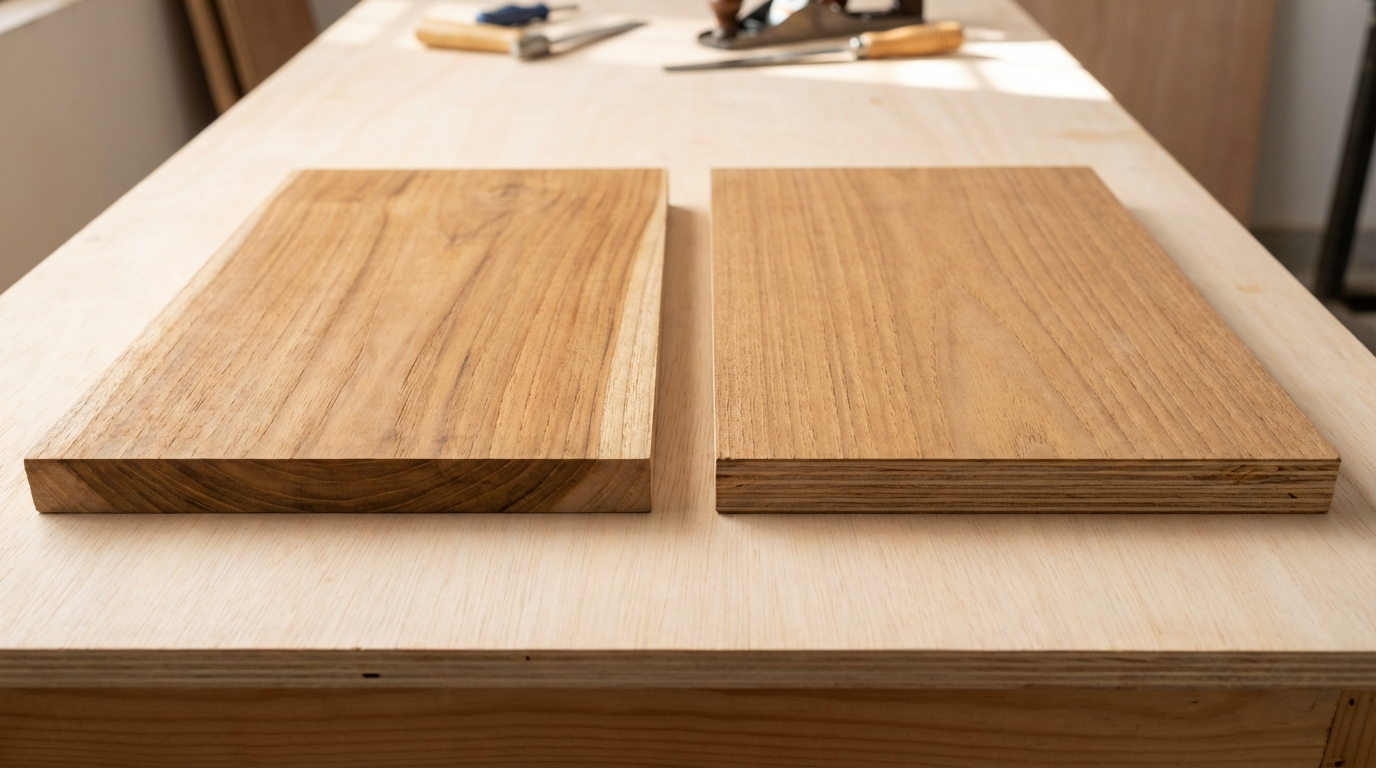
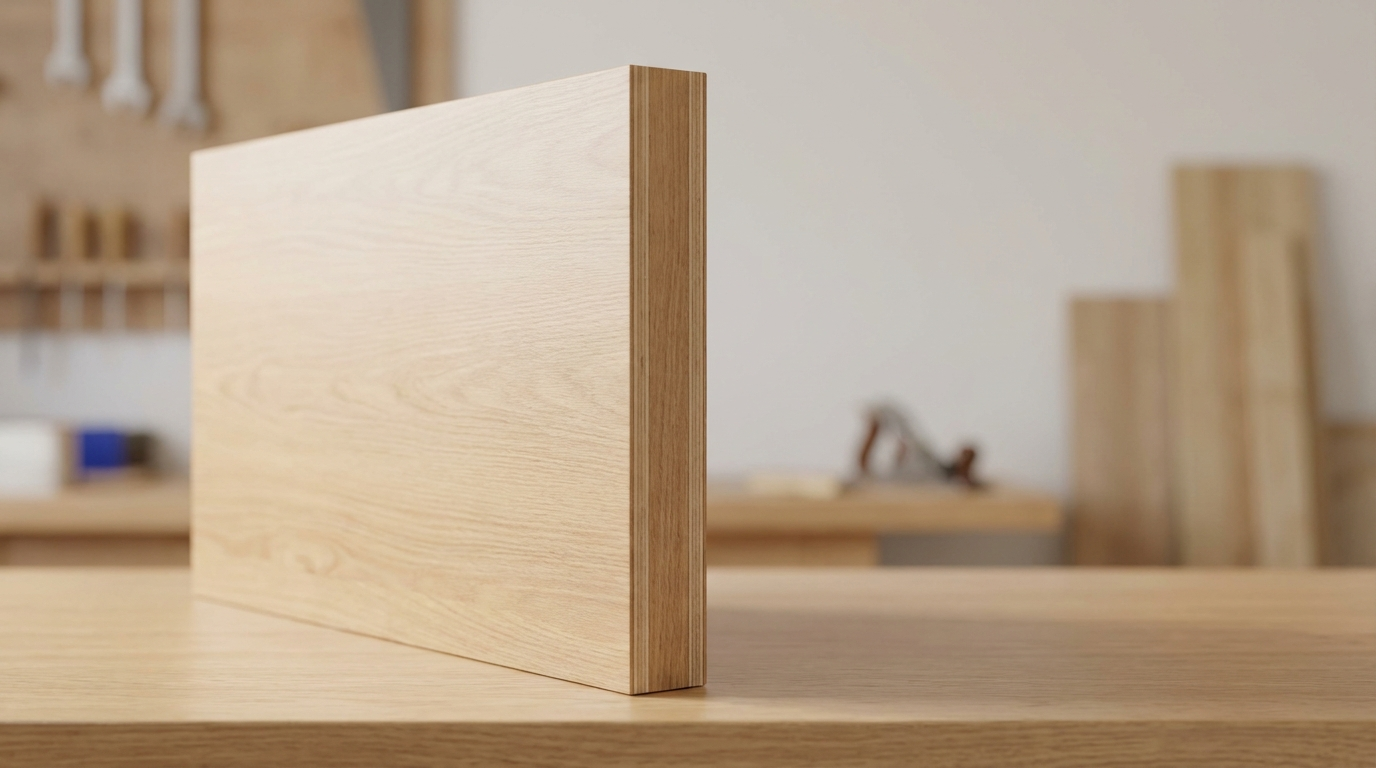
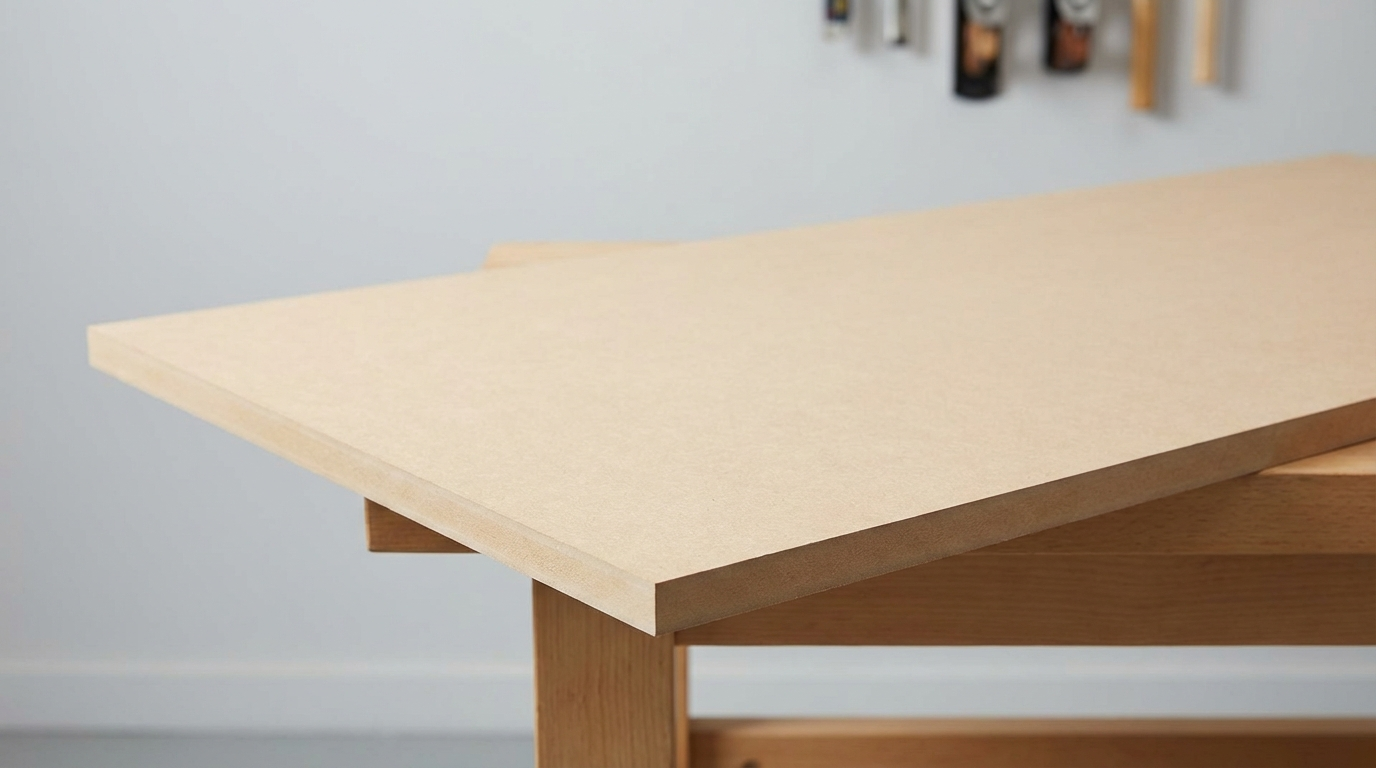
Duroboil BWP plywood: specs, use-cases & checklist review
A practical review of duroboil bwp plywood: specs checklist, pros/cons, best-use cases, warranty checks, and what to verify at the dealer in India.
Quick Decision Summary
Duroboil BWP plywood excels in high-moisture zones like Indian kitchens and coastal exteriors.
If you're in a hurry: Opt for Duroboil BWP plywood when facing monsoons, humidity over 80%, or direct water exposure—its glue lines endure repeated boiling cycles, minimizing delamination risks common in lower grades. Expect premium pricing but longer life in wet areas. Skip for fully dry interiors to avoid overspending. Always verify sheet calibration and core gaps on-site before loading. Ideal thicknesses: 12-25mm for structural use. In cities like Mumbai or Chennai, prioritize UV-resistant face veneers for outdoors.
- Choose this if: Building in coastal regions, kitchens, bathrooms, or exteriors needing 72+ hour boil resistance.
- Avoid this if: Low-budget dry interiors like bedrooms, where MR grade suffices and saves 30-50% cost.
What BWP Plywood Actually Means
BWP stands for Boiling Water Proof (or Resistant), the top-tier plywood grade in India designed for extreme moisture. It uses phenolic resins in glue lines that withstand boiling water for 72 hours or more without separating layers, per standard testing logic. Duroboil's version follows this for structural reliability in demanding spots.
Where people get confused:
- BWP vs BWR: BWR handles hot water (24-48 hours) but fails faster in immersion.
- BWP vs Marine (IS 710): Marine is a subset of BWP for shipbuilding; commercial BWP suits homes.
- "Proof" myth: No plywood is 100% waterproof; BWP resists boiling but needs edge sealing.
- Thickness illusion: Thicker ≠ better moisture resistance; glue quality rules.
- Veneer mix-up: Face grade (AA/BB) affects finish, not core boil strength.
What Makes BWP Plywood Different from MR or BWR?
BWP plywood prioritizes glue line durability through phenolic bonds, surviving 72+ boil cycles, while MR uses urea-formaldehyde for dry areas (4-8 hours moisture only) and BWR urea-phenolic hybrids for 24-48 hours. In practice, BWP prevents layer separation in humid Indian sites. Nuance: All need site protection; BWP shines in kitchens but costs more. Next step: Test by knocking sheets—solid thud means tight core; hollow echoes signal gaps. For hybrids, check dealer for boil test demos on scraps.
India-Specific Reality Check
In India's monsoon belts (Kerala, Mumbai) or coastal zones (Goa, Chennai), humidity spikes to 90%+ trigger swelling in subpar plywood. BWP grades like Duroboil's handle this via superior glue, but poor storage at dealers—stacked outdoors—ruins sheets. Workmanship matters: Carpenters often skip edge sealing, leading to monsoon failures. Coastal salt accelerates corrosion on fittings, so pair with stainless hardware.
Price Range and Cost Drivers (India)
Typically, Duroboil BWP plywood ranges Rs 90-250 per sq ft, varying by thickness (6mm: lower end; 25mm: higher), core material (hardwood vs poplar), face veneer quality (AA vs BB), and city (metros 20% pricier than Tier-2). Add 10-15% for calibration and lipping. Logistics from factory adds Rs 5-10/sq ft interstate.
How to ask for a quote checklist:
- Specify thickness, size (8x4 ft standard), BWP grade.
- Mention face/back (e.g., AA/BB), calibrated.
- Ask for current batch boil test proof (visual).
- Include delivery, stacking fees.
Mini budget example: 100 sq ft kitchen counter frame (18mm) ~ Rs 15,000-22,000 materials, plus labor.
What is the Typical Price of BWP Plywood in India?
BWP plywood usually falls Rs 90-250 per sq ft for standard sheets, driven by thickness and core. In Delhi/Mumbai, 18mm hardwood core hits Rs 140-200; poplar versions save 20%. Conditions: Bulk buys drop 10-15%; uncalibrated cheaper but wasteful. Verify: Weigh a sheet (heavier = denser core), ask batch date. Practical step: Compare 3 dealers' quotes with identical specs; negotiate on volume.
How to Choose in 5 Steps
- Assess exposure: Wet zone? Go BWP 18mm+.
- Check sheet integrity: Flat, no waves, uniform edges.
- Inspect core/veneer: No voids, consistent grain.
- Test knock/sound: Uniform thud, no hollows.
- Confirm dealer batch: Recent production, dry storage.
Skip steps? Risk delam after first rain. Always cut a test piece for glue sniff—mild phenolic OK, ammonia strong = low grade.
Two-Minute Comparison That Actually Helps
| Grade | Moisture Resistance | Best For | Cost Relative |
|---|---|---|---|
| MR | Low (dry only) | Partitions, furniture | Base |
| BWR | Medium (humid) | Kitchen cabinets | +30% |
| BWP | High (boiling) | Bathrooms, exteriors | +50-80% |
Choose by conditions: Dry/light-use = MR; humid/heavy = BWR; wet/coastal = BWP. Verify via edge tap test across grades.
Quality Checks You Can Do Without Lab Tests
Before buying:
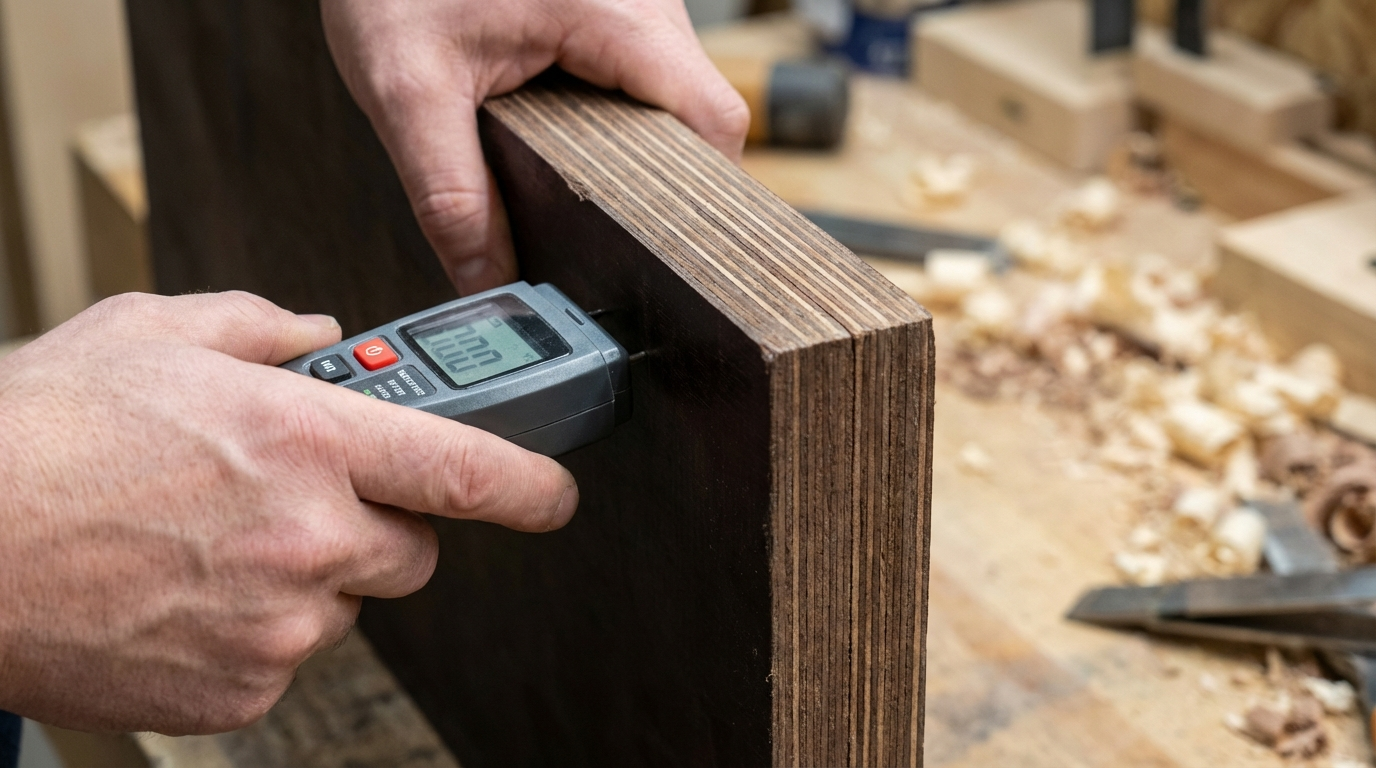
- Measure thickness at 4 corners—variation >0.5mm = poor calibration.
- Look for core gaps/air pockets via edge view.
- Flex sheet gently—no creaks or waves.
- Ask production date (<6 months ideal).
After cutting: Smooth edges, no fuzz; glue line clean. Post-install: Seal edges with putty; check alignment monthly.
How Do You Check BWP Plywood Quality at the Dealer?
Start with visual: Flat sheet, straight edges, even veneer without patches. Tap across—consistent solid sound flags good glue bonds. Measure caliper uniformity. Nuance: Ignore color; focus density. Red flag: Damp storage or warped stacks. Next: Request scrap boil test (submerge 30min, check layers)—dealers often demo. For Duroboil, confirm batch via stamp. This catches 80% fakes.
Decision Framework: Match Your Project to the Right Choice
| Project Condition | Recommended Spec | What to Verify |
|---|---|---|
| Coastal kitchen | BWP 18mm, AA face | Core density, edge seal demo |
| Monsoon bathroom | BWP 12-18mm, calibrated | No gaps, recent batch |
| Heavy-use exterior | BWP 25mm+, UV veneer | Flex test, weight/sq ft |
| Tight budget interior | Switch to BWR 18mm | Compare quotes locally |
| Scratch-prone kids' room | BWP with laminate | Veneer hardness (nail scratch) |
| Fast delivery needed | Stock BWP 18mm | Dealer inventory check |
Trade-offs and Limitations
BWP plywood costs 50-80% more than MR, weighs heavier (tougher handling), and overkill for dry zones. Limitations: Still needs sealing (not fully waterproof), veneers scratch easier without lamination, and poplar cores dent under impacts. In hot-dry Rajasthan, expansion differs from humid East.
Common Buyer Mistakes and How to Avoid Them
- Mistake: Ignoring storage—rain-wet stacks delam. Avoid: Check under sheds, touch-test dry.
- Mistake: Thickness only focus. Avoid: Prioritize calibration for zero wastage.
- Mistake: No edge sealing post-cut. Avoid: Apply epoxy immediately.
- Mistake: Bulk buy old stock. Avoid: Ask dates, reject >6 months.
- Mistake: Veneer grade skip. Avoid: AA for visible, BB hidden.
- Mistake: No flex test. Avoid: Bend ends—cracks = weak.
- Mistake: Coastal no UV. Avoid: Choose treated faces.
- Mistake: Carpenter choice over spec. Avoid: Write BWP mandatory in contract.
Failure Modes and Fixes
- Symptom: Bubbling edges. Cause: Unsealed cuts. Prevent: Epoxy all edges. Fix: Sand, reseal.
- Symptom: Layer separation. Cause: Low glue cycles. Prevent: Boil-test scraps. Fix: Replace sheet.
- Symptom: Warping post-monsoon. Cause: Poor calibration. Prevent: Measure uniformity. Fix: Shim frames.
- Symptom: Core voids cracking. Cause: Gappy layers. Prevent: Edge inspect. Fix: Filler + reinforce.
- Symptom: Veneer peel. Cause: Humidity + no prep. Prevent: Prime before finish. Fix: Glue + clamp.
- Symptom: Heavy sag. Cause: Under-thick. Prevent: Load calc. Fix: Add supports.
Can BWP Plywood Be Used Outdoors in India?
Yes, Duroboil BWP suits covered outdoors like verandas, resisting boil-level moisture better than BWR. Nuance: Direct rain/sun fades veneer without UV coat; coastal salt eats edges. Step: Seal all sides, use SS fittings, elevate off ground. Verify: Flex test for strength; pair with weatherproof frames. Lasts 10+ years covered vs 3-5 exposed.
Is Duroboil BWP Plywood Worth the Extra Cost?
Often yes for wet zones, as it cuts replacement callbacks 2x vs BWR in humid India. Trade-off: Dry areas waste money. Check: Project moisture map first—if >70% RH average, invest. Practical: Quote MR/BWP gap; if <30% premium for your risk, go BWP. Dealers show samples side-by-side post-humidity.
Tips for Homeowners, Carpenters, and Architects
For Homeowners: Durability Do's and Don'ts
Do: Wipe spills instantly, ventilate bathrooms. Don't: Drag furniture (scratches veneer). Clean with damp cloth only—no abrasives.
For Carpenters: Handling and Prep
Cut with fine blade, seal edges same day. Fasten 50mm from ends. Hinge zones: Pre-drill to avoid splits.
For Architects: Spec and Detailing
Specify BWP 18mm min for wet, detail edge returns. Wet zones: 10% overhang reveals. Finish: Laminate for traffic areas.
What is the Best Thickness for Duroboil BWP Plywood?
18mm balances strength/cost for cabinets/frames; 12mm shelves, 25mm beams. Nuance: Thicker for spans >1m, lighter for walls. Verify: Load test scrap (stack weights). India tip: Monsoon adds 5-10% swell, so oversize 2mm. Start with project span calc.
Does BWP Plywood Need Special Installation?
Standard screws/nails work, but pre-drill dense cores. Key: Seal cut edges within hours to block moisture wicking. Nuance: Coastal—use SS fasteners. Step: Frame with 50mm gaps for expansion. Avoid glue-only joins; screws + adhesive.
FAQs
What does BWP stand for in plywood?
BWP means Boiling Water Proof/ Resistant plywood, using resins that keep layers intact after prolonged boiling—ideal for India's wet climates. Unlike MR (dry-only), it handles immersion without delam. Users confuse it with full waterproofing; reality: Seal edges for best results. Always pair with proper ventilation and avoid ground contact to maximize life.
Is Duroboil BWP good for kitchen cabinets?
Yes, its boil-resistant glue suits splash-prone kitchens, reducing swell vs BWR. In humid cities, it holds up to steam/oil. Trade-off: Laminate over for easy clean. Verify uniformity before install; seal joints. Expect reliable performance with routine wiping, outperforming lowers in monsoons.
Can BWP plywood handle marine use?
BWP approximates marine standards (IS 710) for home boat-like exposure, resisting boil cycles well. Not ship-grade, but fine for coastal sheds. Nuance: Add preservatives for salt air. Check core density; seal thoroughly. Practical for India docks if not submerged constantly.
How long does BWP plywood last in humid areas?
Typically 10-20 years in kitchens/bathrooms with sealing, vs 5-10 for BWR. Factors: Ventilation, sealing quality. Coastal shortens to 8-15 years without UV. Maintain by annual edge checks; replace if bubbling starts early.
What face grades are available for BWP?
Common: AA/BB (fine grain visible), BB/BB (balanced). AA for exposed, BB saves cost hidden. Varies by batch; inspect for knots. Match to finish—veneer needs polish, BB laminate-ready. Always view samples under light.
Does BWP plywood emit formaldehyde?
Low-emission phenolic glues minimize it vs urea in MR. Still ventilate during install. India norm: Mild odor fades fast. Sensitive? Ask E0/E1 dealer claims, sniff test scraps. Safe post-cure with fans.
Is calibrated BWP plywood necessary?
Yes, uniform thickness cuts uniform laminates, saves 10-20% wastage. Uncalibrated warps post-finish. Check with caliper; reject >0.3mm variance. Essential for modular kitchens where alignment matters.
How to store BWP plywood before use?
Vertical racks, covered, off ground, <70% RH. Avoid direct sun/rain. Monsoon: Indoor only. Stack flat max 8 high with stickers. Poor storage halves life—inspect on delivery.
What if BWP plywood delaminates early?
Likely poor batch or no sealing. Document photos, return to dealer. Prevent: Pre-checks + epoxy. Fix minor: Clamp/glue; major replace. Log for future buys. Disclaimer: This content is provided for general informational purposes based on industry practices and publicly available information. Product specifications, standards, prices, and availability may vary by manufacturer, region, and time. Readers should independently verify details with manufacturers, dealers, or qualified professionals before making purchase or construction decisions.
Want Plywood Suggestions?
Share a few details and a Duro BOIL specialist will suggest suitable brands and connect you to responsive dealers.