Greenpanel MDF board: specs checklist review (buyer-focused)
A practical review of greenpanel mdf board: specs checklist, pros/cons, best-use cases, warranty checks, and what to verify at the dealer in India.
Quick Decision Summary
Greenpanel MDF works best for smooth-finish furniture in low-moisture home interiors when density exceeds 700 kg/m³ and edges are properly sealed.
If you’re in a hurry: Greenpanel MDF boards offer consistent density for machining cabinets, wardrobes, and paneling in dry rooms. Expect smooth surfaces ideal for laminates or paint, but swelling risks rise above 70% humidity without MR variants or sealing. Thicknesses from 3-25mm suit modular setups. Verify straight edges, no delam, and uniform color at dealers. Best for budget interiors over plywood if load-bearing isn't key. Skip for kitchens/bathrooms—opt for HDHMR instead. Always tap-test for hollow spots pre-purchase.
- Choose this if: you need affordable, paintable panels for bedrooms/living rooms with good screw-holding after edge banding.
- Avoid this if: exposed to direct water, heavy structural loads, or termite-prone outskirts without treatment.
Note: This page is independent informational content and is not affiliated with any manufacturer.
If You’re Searching for Greenpanel, Here’s What People Usually Mean
Queries for Greenpanel often target their MDF boards used in wardrobes, TV units, and flush doors across India. Buyers seek thickness options (like 18mm for shelves), surface quality for lamination, and density specs for stability. Confusion arises between plain MDF, pre-laminated sheets, or moisture-resistant grades. Most want checklists to spot fakes or batch variations at local depots, plus real-user durability in humid climates like Mumbai or Chennai.
How to Compare Greenpanel-Type Options to Alternatives (Without Guesswork)
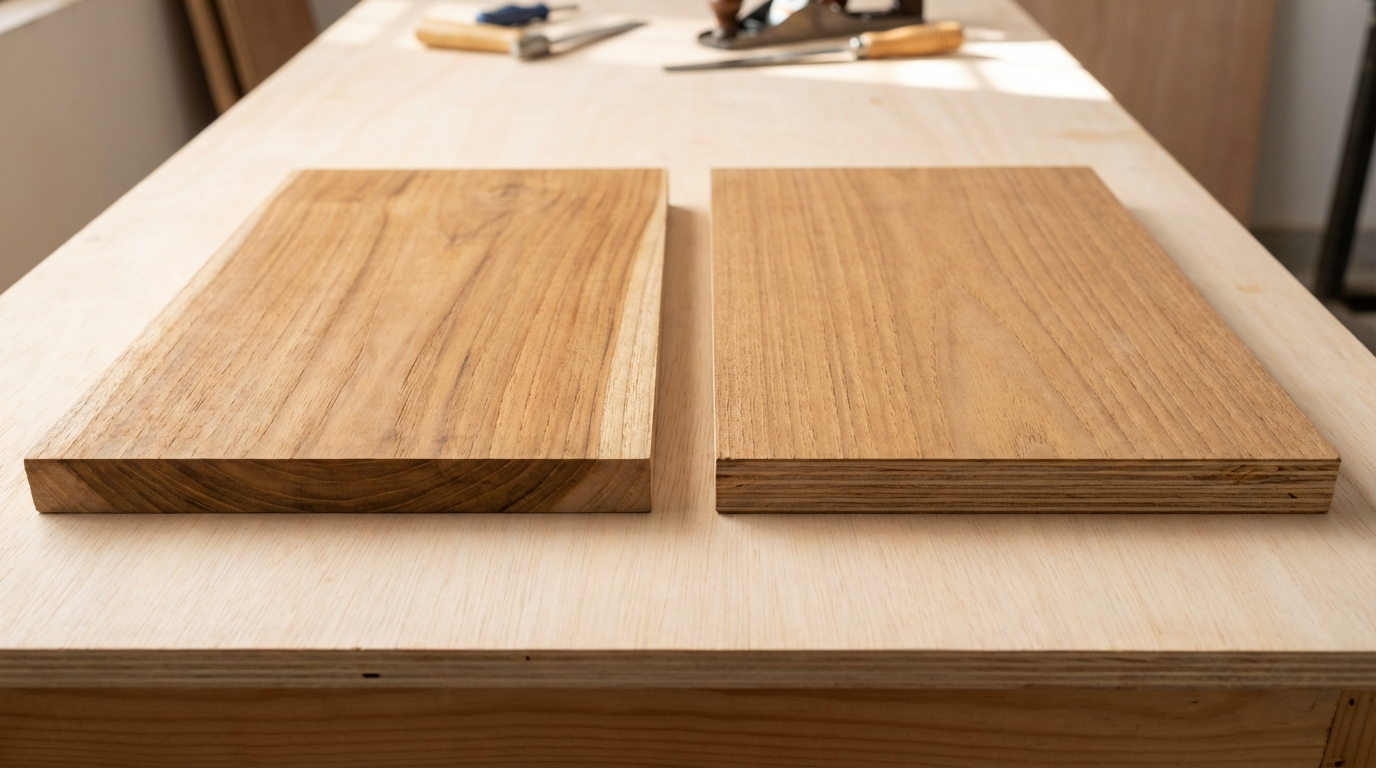
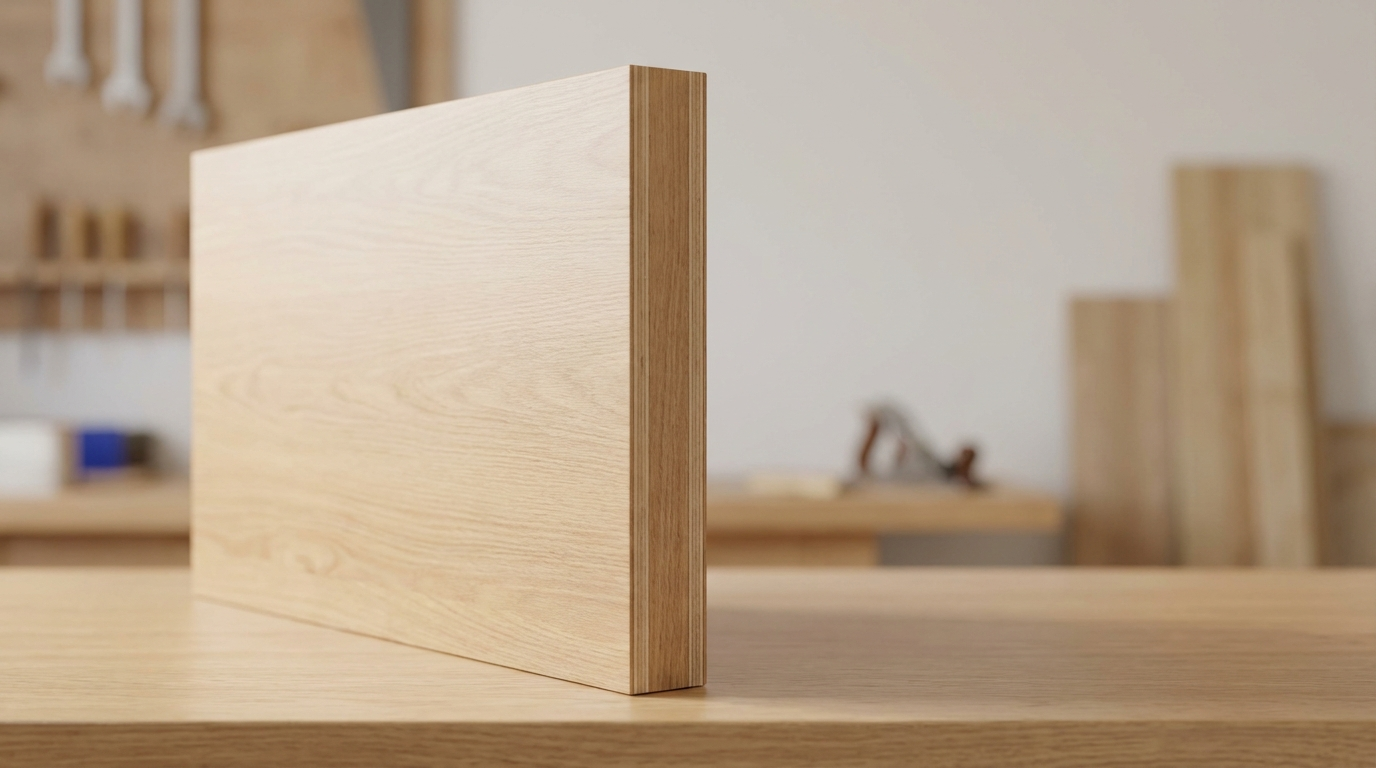
Focus on measurable traits: density (kg/m³), thickness tolerance (±0.3mm ideal), edge straightness, and screw pull-out after 24hr soak test simulation. Greenpanel-style MDF excels in flatness for veneers but trails HDHMR in water resistance. Particleboard cheaper but crumbles faster; plywood stronger for frames but rougher.
| Condition | MDF (Greenpanel-Type) | HDHMR Alternative | Particleboard |
|---|---|---|---|
| Dry interiors, smooth finish | Top pick: uniform density | Good, but costlier | Budget ok, less stable |
| Humidity >70% | Needs sealing; risk swells | Best: moisture-resistant | Avoid: quick warp |
| Heavy screw loads | Fair with inserts | Excellent grip | Poor, chips easy |
| Budget under Rs 1000/sheet | Viable 12mm | Rarely | Cheapest |
What This Term/Material Actually Means
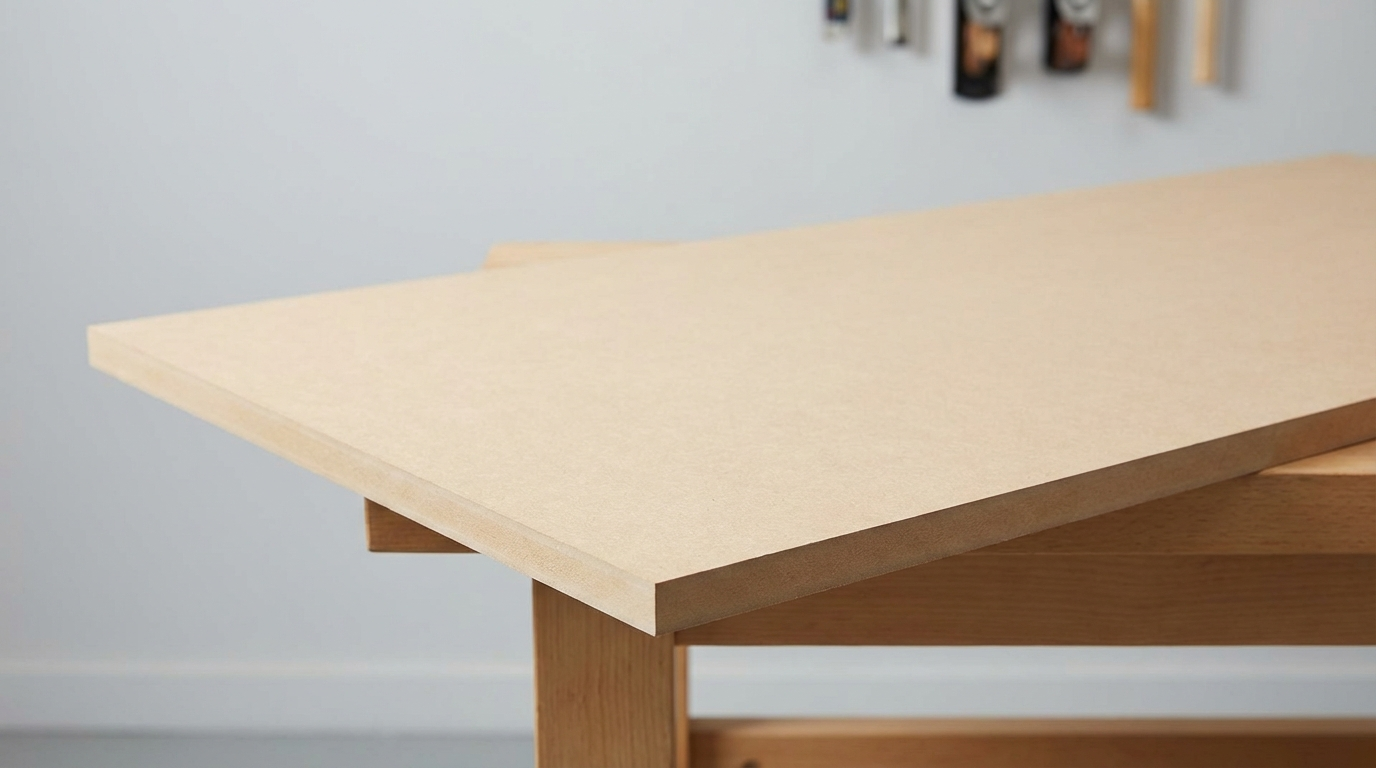
MDF stands for Medium Density Fiberboard: wood fibers mixed with resins, pressed at high pressure into dense sheets (typically 650-800 kg/m³). Greenpanel variants come in standard sizes like 8x4 ft, thicknesses 3-25mm, for non-structural uses like furniture carcasses or door skins. Unlike plywood's layers, MDF's uniformity allows precise routing.
Where People Get Confused About Greenpanel MDF
- MDF vs MR MDF: Plain absorbs moisture; MR has added wax—check label.
- Structural strength: Not for beams; use frames behind.
- Termite resistance: Resins deter somewhat, but coastal needs extra spray.
- Thickness swelling: 12mm can grow 10% in soak—seal edges.
- Finish compatibility: Paint direct, but sand first for adhesion.
India-Specific Reality Check
In monsoon-heavy belts like Kerala or Kolkata, MDF swells if stored uncovered or installed without edge tape—gaps appear in 6-12 months. Coastal salt air accelerates edge fraying; insist on covered godown stock. Contractor workflows favor it for quick modular kitchens, but poor ventilation traps humidity. Hot-dry Rajasthan sees less issues, but transport warping from uneven loading is common. Always acclimate sheets 48hrs on-site.
Price Range and Cost Drivers (India)
Expect Rs 600-2500 per 8x4 ft sheet, varying by thickness (3mm cheapest, 18-25mm pricier), density grade, and city (metros 20% higher). Core uniformity and calibration add 10-15%. Laminates boost cost 30-50%.
- Thickness: 6-12mm for panels (Rs 800-1500); 18mm+ for shelves (Rs 1800+).
- City variation: Tier-2 lower by 10-20%; logistics from factories hikes north India.
- How to quote: Specify "18mm x 8x4, 700+ kg/m³ density, calibrated ±0.2mm, MR grade if humid area."
Sample: 10-sheet 18mm wardrobe job: Rs 18,000-28,000 materials, plus 20% wastage buffer.
Is Greenpanel MDF Cheaper Than Plywood?
Typically yes for equivalent thicknesses in dry uses—MDF sheets run 20-40% less due to simpler production. But factor edge banding (extra Rs 10-20/ft) and potential swelling replacements. Plywood edges out in wet zones long-term. Check local: Ask for 18mm quotes side-by-side, tap for density solidity. If MDF undercuts by 25%+, verify no sub-grade core. Acclimate both; install with vapor barriers for fair test.
How to Choose in 5 Steps
- Match use to zone: Dry bedroom? MDF ok. Kitchen? HDHMR.
- Spec density/thickness: 700+ kg/m³, ±0.3mm tolerance.
- Visual/tap check: Uniform color, solid thud no hollow.
- Ask batch details: Resin type, storage conditions.
- Test edge sealing: Pre-buy sample soak; no warp >2%.
Skip step 3? Hollow cores fail screws in 3 months.
Which Thickness of Greenpanel MDF for Wardrobes?
18mm standard for carcasses/shelves holds 20-30kg loads with inserts; 12mm for backs/partitions saves 20% cost but limits to light use. Thicker 25mm overkill unless commercial. In humid India, pair with 1.5mm ABS tape. Verify caliper measure at four corners—variance >0.5mm signals poor press. Carpenter tip: Route test on sample for chip-free edges. Homeowners: Confirm supplier cuts to size without charging extra for calibration.
Trade-offs and Limitations
MDF machines cleanly but weighs more than particleboard (harder lifts). Smooth for finishes, yet swells 8-15% in water vs plywood's 2-5%. No natural strength—needs frames. Termite resins help but not foolproof in soil-contact outskirts. Cost-effective for prototypes, less for outdoor.
Does Greenpanel MDF Warp in Humidity?
Yes, untreated edges absorb moisture, expanding 5-10% in 80%+ RH like Mumbai monsoons. MR grades mitigate to 3-5% with wax additives. Prevention: Full edge banding + PVC beading; acclimate 72hrs. If warping starts, sand edges, re-seal with polyurethane. Check post-install: Measure diagonals monthly first year. Alternatives like HDHMR warp under 2% typically. Always store vertical, wrapped.
Common Buyer Mistakes and How to Avoid Them
- Mistake 1: Buying unseen—happens via phone quotes. Fix: Visit depot, inspect 3 sheets.
- Mistake 2: Ignoring thickness tolerance—leads to uneven cabinets. Fix: Measure with caliper.
- Mistake 3: Skipping edge prep—swells fast. Fix: Budget 10% extra for tape.
- Mistake 4: Dry-use grade in kitchen—delams. Fix: Confirm MR line.
- Mistake 5: No acclimation—warps post-install. Fix: 48hrs site exposure.
- Mistake 6: Overloading shelves—no inserts. Fix: Confirm carpenter uses.
- Mistake 7: Poor storage—godown dust. Fix: Ask recent batch.
- Mistake 8: Cheap laminates—peels off. Fix: Match 0.8mm+ grade.
Failure Modes and Fixes
- Symptom: Edge swelling. Cause: Moisture ingress. Prevent: Seal all cuts. Fix: Trim, re-band.
- Symptom: Screw pull-out. Cause: Low density core. Prevent: Use inserts. Fix: Plug, redrill.
- Symptom: Surface chips. Cause: Dull tools. Prevent: Carbide bits. Fix: Filler, sand.
- Symptom: Hollow thud. Cause: Voids. Prevent: Tap pre-buy. Fix: Return batch.
- Symptom: Color variance. Cause: Mixed batches. Prevent: Single lot. Fix: Uniform panels only.
- Symptom: Delam in heat. Cause: Weak resin. Prevent: Humidity <65%. Fix: Stabilize room AC.
Quality Checks You Can Do Without Lab Tests
- Pre-buy: Tap center/edges—uniform solid sound. Check straightedge alignment. No visible gaps.
- Cutting cues: Chips minimal? Clean routs mean good density.
- Post-install: Level check, edge tape intact, no moisture beads.
How to Spot Fake or Low-Quality Greenpanel MDF?
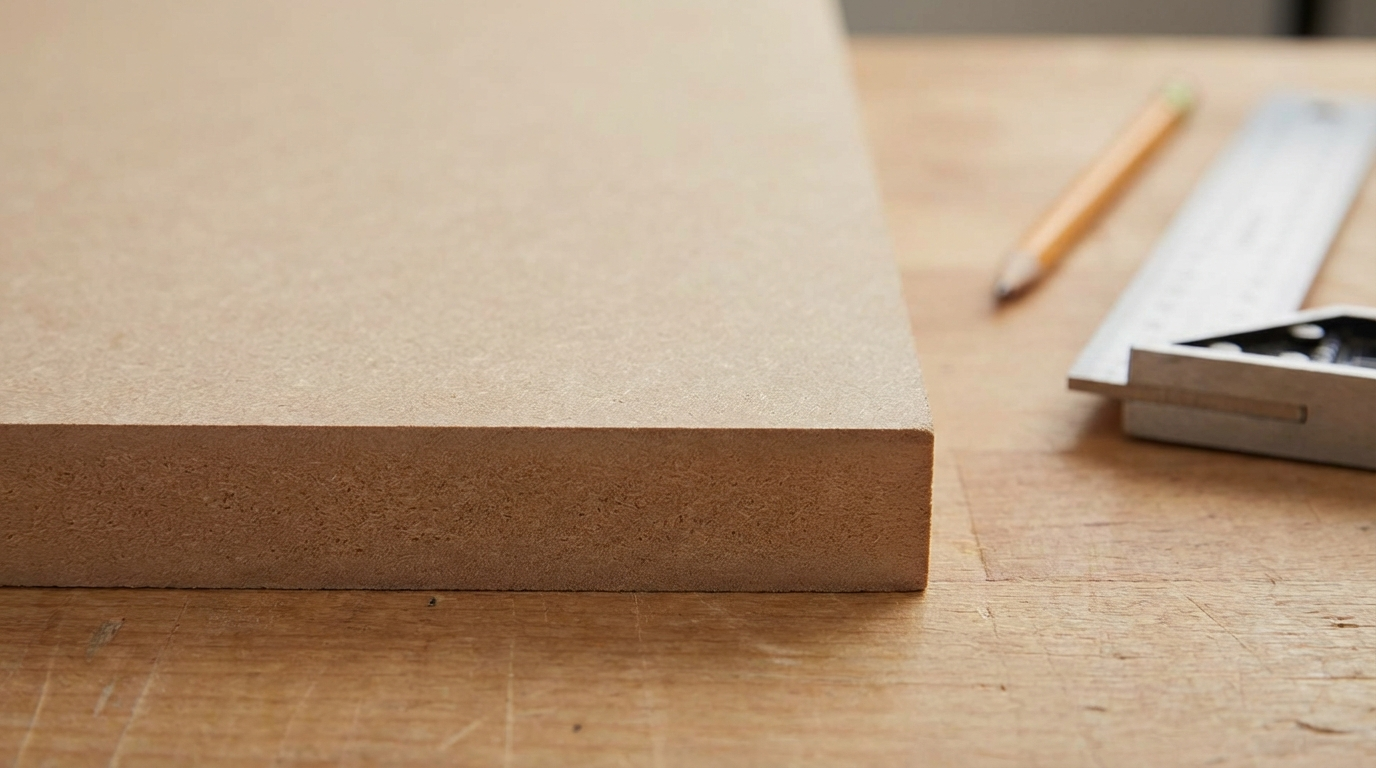
Real shows consistent golden-brown, weighs heavy (18mm ~30kg/sheet), taps solid without dull thuds. Fakes lighter, patchy fibers visible on cut edge. Ask production date (<6 months), resin type. Soak scrap 2hrs: <5% swell good. Red flags: Bent sheets, price 30% under market, no markings. Dealer tip: Buy from volume sellers with returns policy. Test screw hold: 5 turns without stripping.
Decision Framework: Match Your Project to Board Type
| Project Condition | Recommended | Verify This |
|---|---|---|
| Wet zone (kitchen) | HDHMR | Soak test <2% swell |
| Coastal humidity | MR MDF | Wax additives, edge seal |
| Heavy use shelves | 18mm+ MDF w/inserts | 700+ kg/m³ density |
| Tight budget dry room | Standard MDF | Calibrated thickness |
| High scratch risk | Laminated MDF | 0.8mm+ overlay |
| Fast delivery needed | Local stock MDF | Recent batch, no warp |
Tips for Homeowners Using Greenpanel MDF
Clean with microfiber damp cloth only—no soaks. Avoid direct AC vents causing cracks. Durability do: Seal edges yearly. Don't: Drag heavy items. Budget 5% extra for maintenance. Monitor humidity; dehumidifier in closets prevents 80% failures.
Carpenter Tips for Working with Greenpanel MDF
Cut with 60-tooth blade, zero clearance insert. Pre-drill hinges 2mm bits. Fasten in 50mm zones from edges. Handle with suction lifts to avoid fingerprints. Edge band hot-melt for monsoon hold. QC: Flatness post-cut <1mm sag.
Architect Specs for Greenpanel-Type MDF
Detail 18mm min, E1 emission, density 720kg/m³. Wet zones: HDHMR sub. Finishes: PU coat 0.5mm. Drawings note frame backing, vapor barrier. Reduce callbacks with acclimation clause.
FAQs
What Makes Greenpanel MDF Suitable for Modular Furniture?
Uniform density enables precise CNC cuts for wardrobes/TV units, with smooth faces bonding laminates tightly. In dry Indian homes, it holds shape under 15kg shelf loads. Nuance: Needs metal inserts for repeated screw-ins. Next: Spec 18mm, test sample routing. Avoid overloading without battens.
Is Greenpanel MDF Termite-Resistant?
Resins offer moderate deterrence, better than untreated wood in urban settings. But outskirts soil contact risks infestation. Treat edges with oil-based sprays. Coastal: Combine with borate dips. Check post-install yearly for trails.
Can I Use Greenpanel MDF for Kitchen Cabinets?
MR grade possible with full sealing, but HDHMR preferable for spills. Swells 4-8% untreated. Ventilate well; use SS hardware. Verify dealer soak scrap first.
How Long Does Greenpanel MDF Last in India?
10-15 years in AC rooms; 5-8 humid without care. Seal + low humidity extends. Failures from poor storage common.
What's the Best Finish for Greenpanel MDF?
Membrane PVC or HPL laminate for durability; paint for custom. Prime first. Monsoon-proof with 2-coat PU.
Does Greenpanel MDF Need Special Tools?
Standard circular saw ok; carbide for clean cuts. Vacuum dust to prevent resin gum-up.
Greenpanel MDF vs Particleboard: Key Differences?
MDF denser, smoother; particle crumbles easier. MDF for visible; particle hidden budget.
Where to Store Greenpanel MDF Sheets?
Vertical racks, 30% RH, covered. Avoid floor moisture. Acclimate pre-cut.
Can Greenpanel MDF Be Painted Directly?
Yes, after sanding 180-grit. 2 primer + enamel coats. Test adhesion patch.
Disclaimer: This content is provided for general informational purposes based on industry practices and publicly available information. Product specifications, standards, prices, and availability may vary by manufacturer, region, and time. Readers should independently verify details with manufacturers, dealers, or qualified professionals before making purchase or construction decisions.Want Plywood Suggestions?
Share a few details and a Duro BOIL specialist will suggest suitable brands and connect you to responsive dealers.