Greenply plywood (BWP/BWR): checklist review for interiors
A practical review of greenply plywood: specs checklist, pros/cons, best-use cases, warranty checks, and what to verify at the dealer in India.
Quick Decision Summary
Greenply BWP suits humid interiors like kitchens; BWR works for dry bedrooms—verify glue lines and core gaps first.
If you're in a hurry: Greenply offers BWP (boiling water proof) for moisture-prone spots and BWR (boiling water resistant) for standard interiors. Both typically feature calibrated thickness and smooth veneers, but success depends on storage, handling, and installation in India's humid climate. Expect ranges of ₹90-₹180 per sq ft (18mm), varying by city, thickness, and face quality. Prioritize visual checks for warping, glue shear, and even lamination before buying. Ideal for wardrobes, cabinets, or paneling where termite resistance matters, but pair with proper edge sealing to avoid monsoon failures.
- Choose this if: high humidity exposure, modular furniture needs, or long-term durability in coastal areas.
- Avoid this if: tight budget for dry zones (opt for MR grade), rushed delivery risks poor batch quality, or no carpenter skilled in calibrated cuts.
Note: This page is independent informational content and is not affiliated with any manufacturer.
If You’re Searching for Greenply, Here’s What People Usually Mean
Queries for Greenply plywood often target BWP or BWR grades used in home interiors like wardrobes, kitchen cabinets, or wall paneling. Users seek specs like thickness tolerance, moisture resistance logic, and real-world performance in Indian homes. Common intent includes verifying if it's suitable for humid bedrooms or coastal kitchens, comparing to local options, and spotting fakes at dealers. Many confuse BWP with full waterproofing (it's delamination-resistant, not submersion-proof) or overlook core material impacts on screw hold.
How to Compare Greenply-Type Options to Alternatives (Without Guesswork)
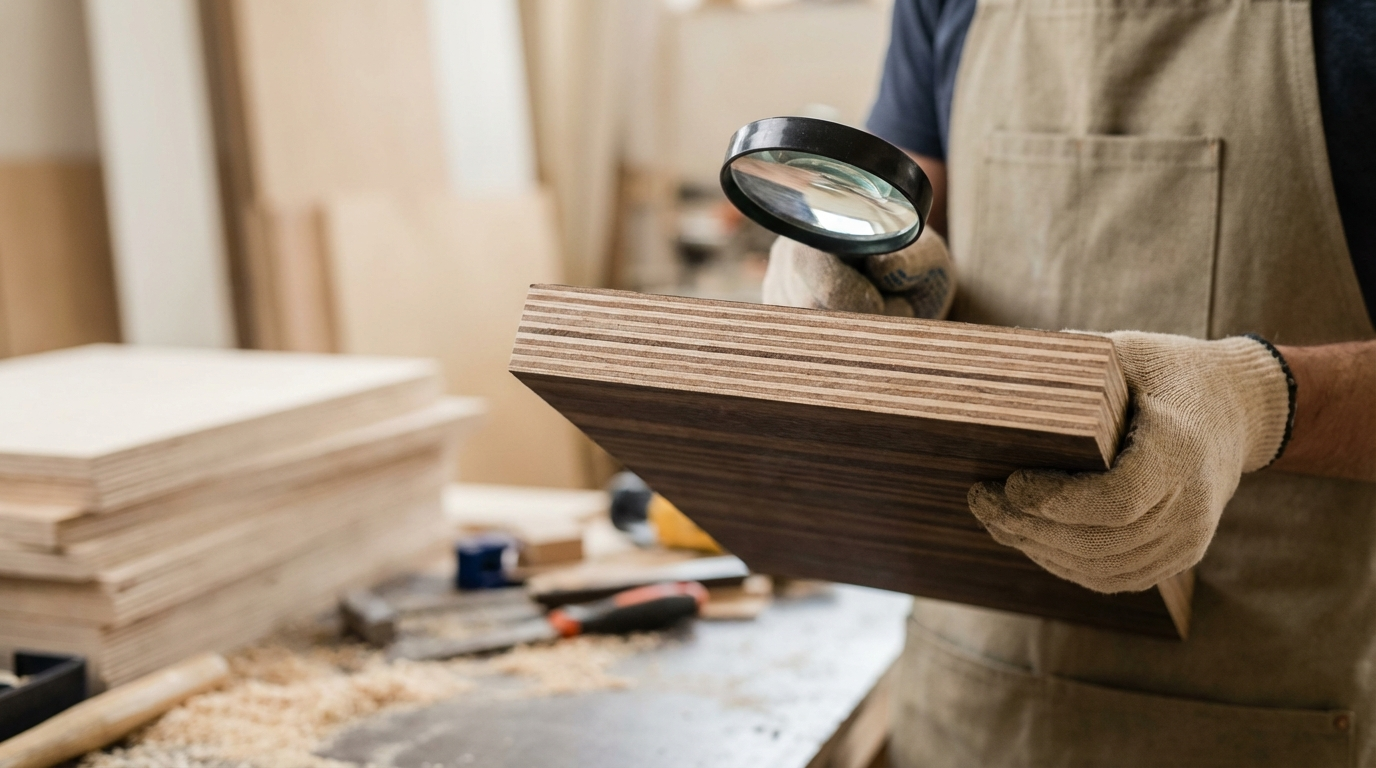
Focus on verifiable traits: drop a sheet from waist height (no cracks), tap for hollow sounds (solid core), and check glue line count (more lines mean better bond strength). BWP types excel in 24-hour boil tests for glue integrity, suiting kitchens; BWR handles shorter boils for bedrooms. Alternatives like regional brands may match on paper but vary in batch calibration. Ask for sample cuts to test screw grip—aim for no stripping in 5mm pilot holes.
| Condition | Greenply-Type BWP/BWR Fit | Alternative Check |
|---|---|---|
| High humidity kitchen | BWP: Verify 92% glue content min. | MR grade: Test edge swelling post-wet cloth. |
| Dry bedroom wardrobe | BWR: Check smooth 0.5mm veneer. | HDHMR: Confirm no formaldehyde smell. |
| Coastal exposure | BWP: Inspect core for gaps. | Blockboard: Hammer test for density. |
| Budget modular | BWR: Ensure calibrated ±0.3mm. | Local: Visual glue shear resistance. |
| Heavy scratch risk | Laminated BWP: Feel surface evenness. | Veneer MDF: Sand test smoothness. |
What This Term/Material Actually Means
BWP plywood withstands boiling water without delaminating, ideal for semi-wet interiors; BWR resists shorter boils for general use. Both use phenolic resins, urea-formaldehyde minimized in eco variants, with thicknesses from 4-25mm calibrated for uniform cutting.
Where Do People Get Confused with BWP/BWR Plywood?
- BWP = fully waterproof: No, it's boil-proof glue, not for constant water contact.
- BWR only for outdoors: False, great for humid indoors like wardrobes.
- Thicker always stronger: Core quality trumps mm rating.
- Greenply means zero chemicals: All plywood has adhesives; check emission grades.
- Brand name guarantees no termites: Treatment varies; verify preservative stamps.
- All sheets identical: Batches differ; inspect individually.
India-Specific Reality Check
Monsoon humidity (80-95%) swells untreated edges, causing wardrobe misalignment. Coastal salt accelerates core decay unless BWP grade. Poor godown storage leads to 10-15% warping pre-install. Contractor workflows favor pre-laminated sheets to cut site time, but verify alignment post-monsoon. In Tier-2 cities, batches face longer transit, risking moisture ingress—insist on recent manufacture dates.
Price Range and Cost Drivers (India)
Typically ₹70-₹250 per sq ft for 18mm BWR/BWP, higher in metros like Mumbai/Delhi due to logistics. Thinner 12mm drops 20-30%; premium faces add ₹20-50. Drivers: glue line count, hardwood core, calibration, lamination finish. Quote checklist: specify "18mm BWP calibrated, teak face, termite-treated, recent batch."
Example: 100 sq ft kitchen cabinet (18mm BWP laminated): budget ₹12,000-₹20,000 material, plus 30% wastage/cutting loss.
How to Choose in 5 Steps
- Match zone: BWP for kitchens/bathroom-adjacent; BWR for bedrooms.
- Inspect sheet: Even color, no knots/gaps, firm tap sound.
- Test handling: No bend under weight, edges straight.
- Ask proofs: Glue shear demo, thickness gauge reading.
- Confirm batch: Manufacture date <3 months, storage dry.
Skip steps? Risk delamination in first monsoon, costing rework.
Is Greenply BWP Worth It for Bedroom Wardrobes?
Not always—BWR suffices in low-humidity rooms, saving 20-30% cost with similar screw hold. BWP shines if wardrobe abuts wet zones or in humid cities like Chennai. Nuance: Overkill adds weight, complicating carpenter lifts. Next: Measure humidity (use ₹200 meter); if >70%, upgrade. Verify by soaking edge scrap 24hrs—no swell means good.
Quality Checks You Can Do Without Lab Tests
- Pre-buy: Ruler for ±0.5mm thickness, nail for veneer scratch resistance, water drop (no instant bead absorb).
- Post-cut: Even kerf, no core splinter, glue visible on edges (multiple lines).
- Post-install: Level check doors, edge tape intact, no gap expansion after 48hrs.
Which is Better: BWP or BWR for Indian Homes?
BWP for moisture-risk areas (kitchens, coastal); BWR for dry interiors. BWP's phenolic glue endures 6-8hr boils; BWR 2-4hrs. Trade-off: BWP pricier, heavier. Condition-based: >60% humidity average? BWP. Verify: Dealer boil-test scrap or check IS-mark logic. Practical step: List rooms by exposure, match grade accordingly.
Trade-offs and Limitations
BWP/BWR strong but heavy (40-50kg/sheet), raising transport costs. Veneers scratch easier than laminates. Not ideal for curved designs (splinter risk). In dry AC rooms, MR cheaper with near-identical life. Limits: Edge exposure needs sealing; untreated faces yellow over years.
Common Buyer Mistakes and How to Avoid Them
- Mistake 1: Buying unseen online—Why: Batch variance. Do: Visit dealer, inspect 3 sheets.
- Mistake 2: Ignoring thickness tolerance—Why: Uneven cabinets. Do: Gauge multiple spots.
- Mistake 3: Skipping core check—Why: Weak screw hold. Do: Hammer tap for solidity.
- Mistake 4: No edge sealing plan—Why: Monsoon swell. Do: Specify PVC tape pre-cut.
- Mistake 5: Overlooking storage—Why: Warped delivery. Do: Ask godown visit.
- Mistake 6: Cheaper face, premium glue assume—Why: Mismatch fails. Do: Full spec sheet.
- Mistake 7: No carpenter input—Why: Cut waste. Do: Share sample first.
- Mistake 8: Post-monsoon neglect—Why: Glue weaken. Do: Annual edge recoat.
Failure Modes and Fixes
- Symptom: Delamination edges. Cause: Poor glue or wet storage. Prevent: Multiple glue lines visible. Fix: Clamp, epoxy refill.
- Symptom: Warping doors. Cause: Uneven humidity. Prevent: Calibrated + balanced both sides. Fix: Shim hinges, plane edges.
- Symptom: Screw pull-out. Cause: Soft core. Prevent: Pilot holes, hardwood core tap. Fix: Wooden plugs + rescrew.
- Symptom: Veneer bubbles. Cause: Steam install. Prevent: Dry cuts, acclimate 48hrs. Fix: Sand, re-laminate patch.
- Symptom: Termite trails. Cause: Weak treatment. Prevent: Stamp check. Fix: Inject gel, replace section.
- Symptom: Color fade. Cause: UV exposure. Prevent: Laminate over. Fix: Polish + UV coat.
How Do You Check Plywood Quality at Home?
Visual: Uniform color, no voids. Tactile: Smooth, heavy feel. Tests: Water bead test (5min no absorb), bend test (no crack), screw test on scrap. Nuance: Ignore color hype—focus glue/core. Next: Buy 1 sheet test-cut first, monitor 1 week humid room.
Tips for Homeowners
Clean with damp cloth only, no abrasives. Avoid direct water on edges. Annual check hinges for swell. Budget 10% extra for sealing.
Tips for Carpenters
Cut with 60-tooth blade for clean edges. Pre-drill 3.5mm for screws. Acclimate sheets 2 days site. Use clamps for glue-ups.
Tips for Architects
Spec "BWP 18mm ±0.3mm, 8+ glue lines." Detail edge returns 50mm. Wet zones: Full laminate. Drawings include calibration note.
Can BWR Plywood Handle Kitchen Humidity?
Yes, in ventilated kitchens <70% RH; pairs with SS hardware. Limits: No submersion. Better: BWP if cooking steam heavy. Step: Install exhaust, seal joints silicone. Test: Wipe wet, check swell after 24hrs—no more than 2mm.
FAQs
What’s the difference between Greenply BWP and BWR?
BWP uses fully synthetic resins for 6-8 hour boil resistance, suiting semi-wet interiors; BWR urea-phenolic mix handles 2-4 hours, for dry-moderate use. Both calibrated, but BWP edges less swell in monsoons. Choose by exposure: kitchens BWP, wardrobes BWR. Verify: Ask dealer for glue type demo. Trade-off: BWP 20-40% costlier but longer life in humidity.
Is Greenply plywood termite proof?
Treated variants resist termites via preservatives, but no plywood is 100% proof—soil barriers help. India context: Coastal needs stronger treatment. Check: Surface stamps, shake for powder. Prevent: Elevate furniture 150mm, annual spray. If trails appear, isolate and gel-treat.
How thick Greenply plywood for wardrobes?
18mm standard for strength; 16mm light-duty. Ensures screw hold for shelves. Nuance: Calibrated avoids sag. Cost driver: Thicker +₹30/sq ft. Spec: "18mm BWR calibrated." Carpenter tip: Test load 50kg/m shelf.
Does Greenply plywood warp in monsoon?
Minimal if BWP/BWR sealed properly; poor storage causes 5-10% cases. Fix: Acclimate, edge tape. Reality: Mumbai rains swell MR grade faster. Prevent: Buy recent batch, store vertical dry.
What warranty checks for Greenply plywood?
Typically 5-10 years delamination, but varies—confirm invoice terms locally. Not covering workmanship. Ask: Written proof, what triggers claim (boil test?). Practical: Document batch, photos pre-install.
Greenply BWP vs MDF for interiors?
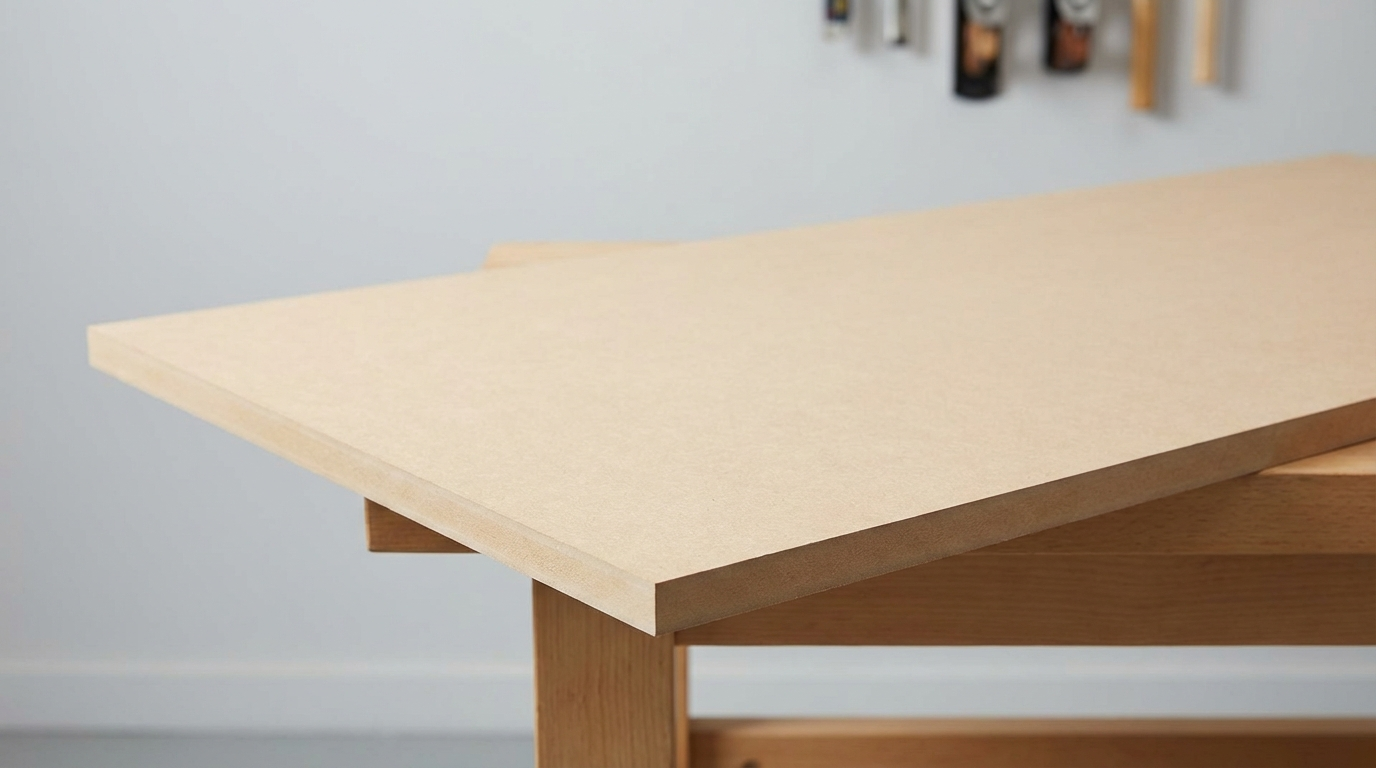
BWP stronger screw hold, moisture better; MDF smoother paint, lighter/cheaper. Use BWP shelves/carcass, MDF panels. Condition: Heavy load BWP. Verify: MDF swell test wet.
Best finish for Greenply plywood interiors?
Laminate for scratch-proof, veneer for natural look. Laminate wins kitchens (easy clean). Prep: Sand edges, PU seal. Cost: Lam ₹40/sq ft extra. Durability: 10+ years with no harsh chemicals.
How to spot fake Greenply plywood?
Red flags: Uneven logo stamp, light weight, quick water absorb. Genuine: Holograms sometimes, solid core sound. Steps: Dealer cert, cut test glue layers. Avoid: Unverified wholesalers.
Greenply plywood price per sheet?
Ranges ₹3,000-₹8,000 for 8x4ft 18mm, city/thickness driven. Quote: Include delivery. Variation: South India 10% less. Budget tip: Factor 15% wastage.
Can I use BWR for bathroom cabinets?
Not ideal—splashes delaminate edges fast. Opt BWP + silicone seal. Alternative: PVC boards. Test: Simulate daily wipe, check after month.
Disclaimer: This content is provided for general informational purposes based on industry practices and publicly available information. Product specifications, standards, prices, and availability may vary by manufacturer, region, and time. Readers should independently verify details with manufacturers, dealers, or qualified professionals before making purchase or construction decisions.Want Plywood Suggestions?
Share a few details and a Duro BOIL specialist will suggest suitable brands and connect you to responsive dealers.