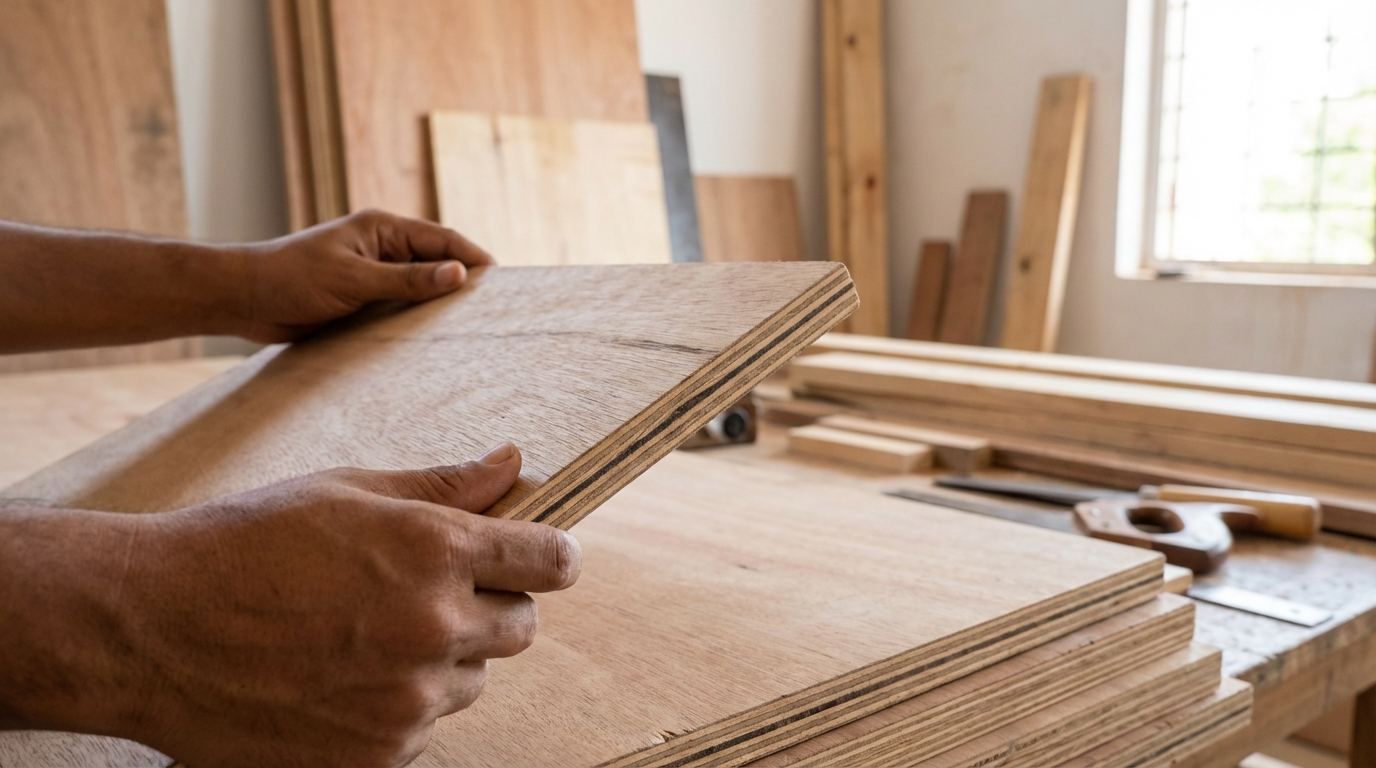
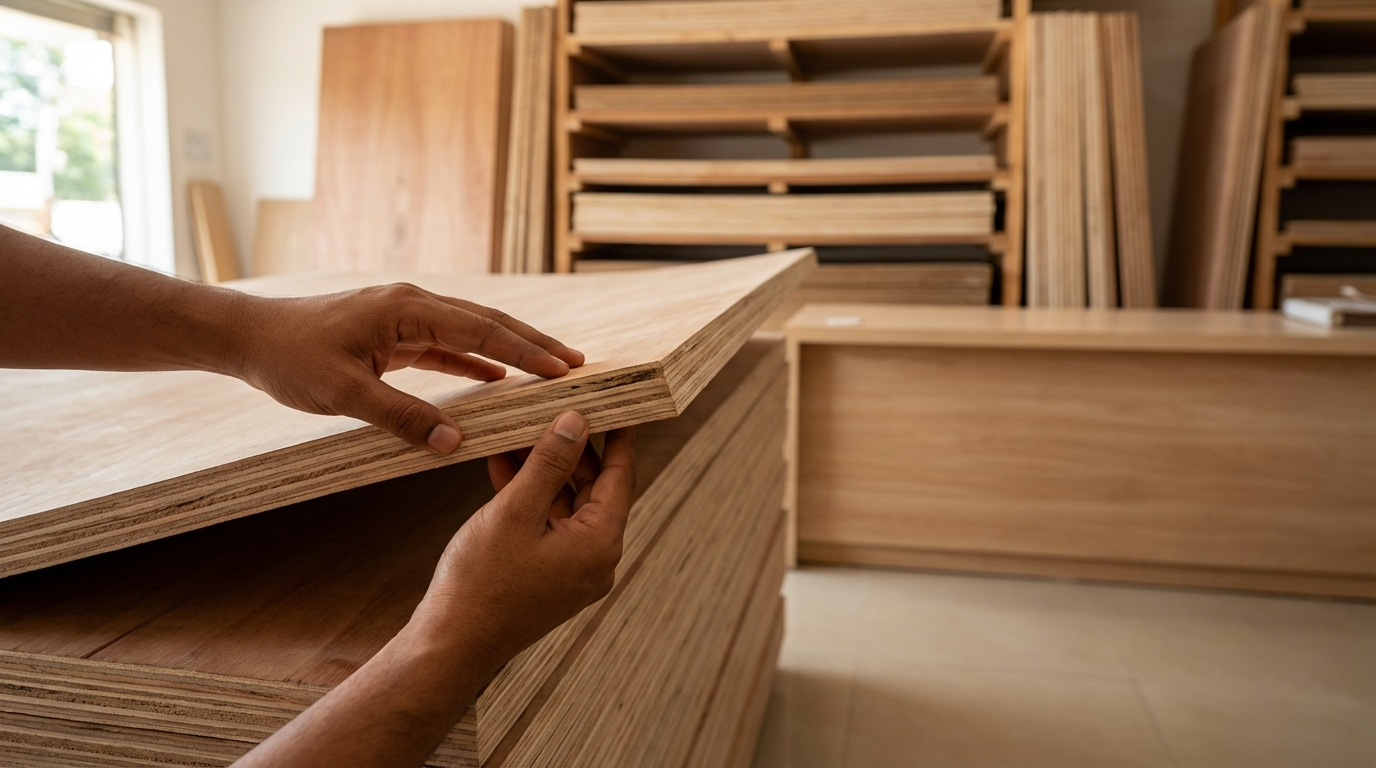
MDF vs plywood for doors: what to pick (India)
MDF vs plywood for doors: what to pick (India) with a clear decision table on grade, thickness, moisture performance, warranty and price factors. Made for
Quick Decision Summary
MDF suits budget interior doors in dry areas; plywood fits moisture-prone or heavy-use doors.
If you’re in a hurry: For most Indian homes, pick BWR-grade plywood (18mm thick) for main doors or kitchens/bathrooms due to better moisture resistance and screw-holding strength during monsoons. Opt for HDHMR (high-density MDF) only for wardrobes or low-traffic interiors to save costs, but verify edge sealing. Avoid thin sheets under 16mm as they warp easily. Total door cost hinges on frame, finish, and city—expect 20-40% variation between Mumbai and inland towns. Always check core uniformity on-site before buying.
- Choose plywood if: high humidity, frequent door slams, coastal exposure, or load-bearing frames.
- Choose MDF/HDHMR if: tight budget, smooth painting needs, light-use partitions, or modular assembly.
- Avoid MDF if: direct water splash or poor storage conditions.
- Avoid plywood if: needing ultra-smooth surfaces without extra sanding.
What MDF and Plywood Actually Mean for Doors
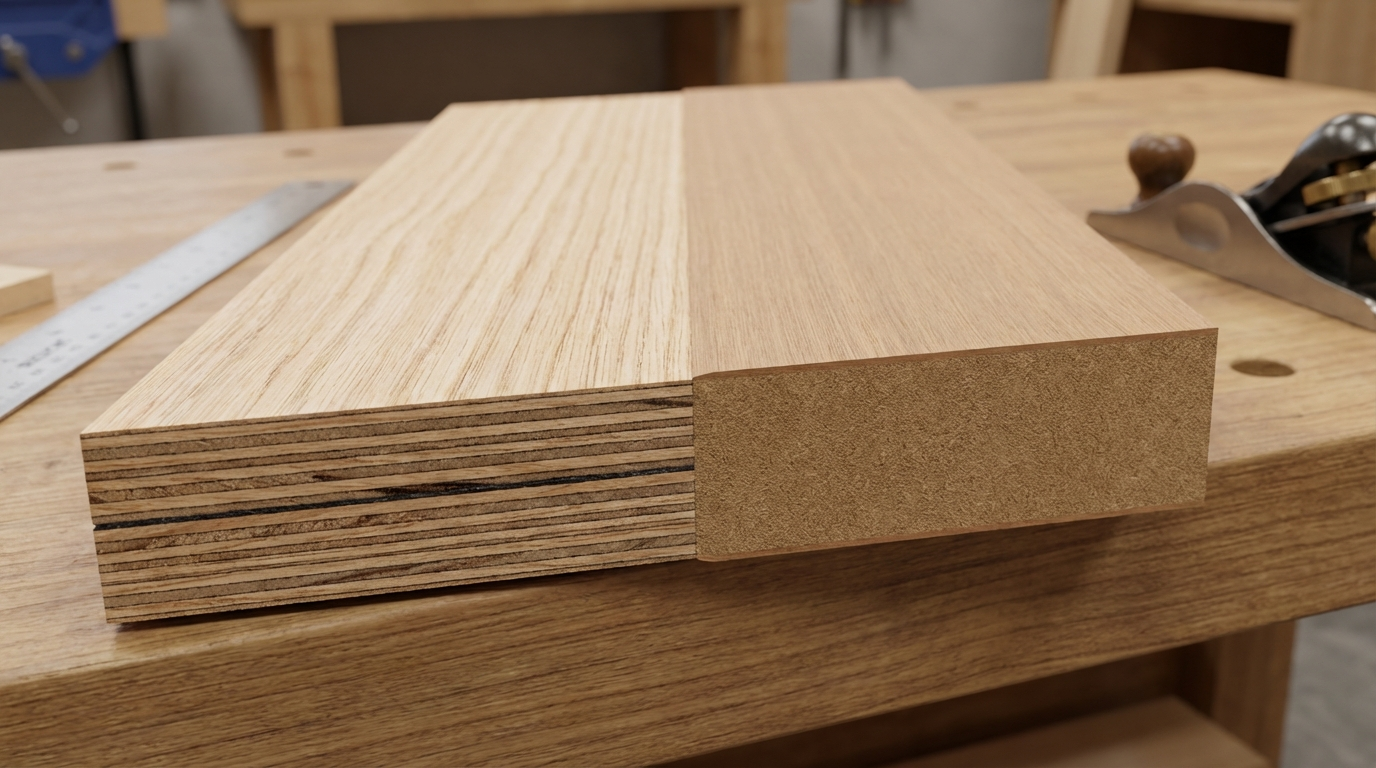
MDF (Medium Density Fiberboard) is engineered from wood fibers glued under heat and pressure into uniform sheets—ideal for painting but weak in edges and moisture. For doors, it's often HDHMR (high-density variant) for better screw grip. Plywood layers thin veneers crosswise with glue lines, creating strength against bending; grades like MR (interior), BWR (boiling water resistant), or BWP (marine) dictate moisture tolerance.
Where People Get Confused About These Materials
- Thinking all MDF is waterproof—most isn't; only treated HDHMR handles minor splashes.
- Assuming plywood is always heavier-duty—low-grade MR fails in humid storage like coastal godowns.
- Believing MDF doors need no frame—MDF sags without solid wood edging.
- Overlooking plywood core gaps—poor lamination causes buckling under door weight.
- Confusing thickness with strength—12mm MDF flexes more than calibrated 18mm plywood.
- Ignoring glue line count—fewer lines in premium plywood mean better delamination resistance.
India-Specific Reality Check
In India, monsoon humidity (80-100% RH) and coastal salt air amplify swelling risks—MDF edges balloon 2-3x faster than BWR plywood if unsealed. Poor site storage under tarps leads to core rot; contractors often cut corners on edge banding. Workmanship varies: urban carpenters align plywood frames precisely, but rural sites face logistics delays causing warp. Heat in Rajasthan dries MDF too fast, cracking paint; verify batch-freshness locally.
Two-Minute Comparison That Actually Helps
| Factor | MDF/HDHMR | Plywood (BWR/BWP) |
|---|---|---|
| Moisture Resistance | Fair (edges vulnerable; needs lamination) | Good to Excellent (glue withstands boils) |
| Screw-Holding Strength | Moderate (improves with HDHMR) | High (layered structure grips better) |
| Surface Finish | Ultra-smooth for paint/laminate | Requires sanding; veneer options |
| Thickness for Doors | 16-18mm typical | 18-25mm for durability |
| Weight | Lighter (easier handling) | Heavier (sturdier but transport costlier) |
| Price Driver Impact | Lower base; rises with density/finish | Higher grade/thickness; core quality key |
Choose based on conditions: wet zones favor plywood; dry, aesthetic-focused interiors take MDF.
Price Range and Cost Drivers (India)
Expect Rs 60-120 per sq ft for basic MDF doors (16mm, plain), up to Rs 150-250 for finished plywood units—varies 25-35% by city (higher in metros due to logistics). Drivers: thickness (18mm adds 20%), grade (BWP +30%), face finish (veneer/laminate +15-40%), frame wood, and wastage (10-15% in cutting).
- How to ask for a quote: Specify "18mm BWR plywood flush door with teak frame, laminated both sides, monsoon-grade adhesive."
Mini budget example: 3x7 ft bedroom door—MDF ~Rs 4,000-6,000 total; plywood ~Rs 6,000-9,000. Confirm locally for batch variations.
How to Choose in 5 Steps
- Assess exposure: Kitchen/bath? Plywood. Dry bedroom? MDF ok.
- Pick thickness/grade: Min 18mm; BWR min for humidity.
- Check core/surface: No gaps, uniform density; tap for hollows.
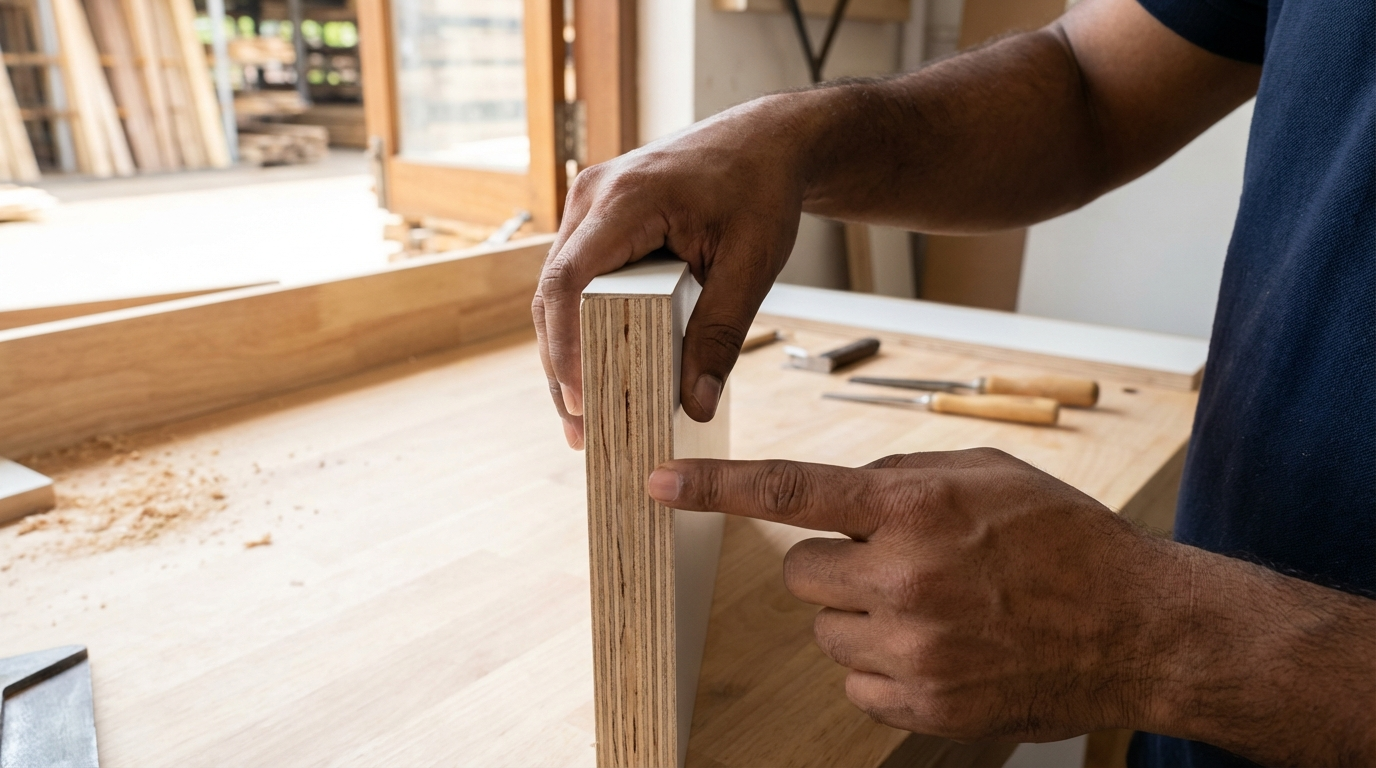
- Test edges: Press for crumble (MDF red flag).
- Verify finish/assembly: Sealed edges, solid frame; get cut sample.
Skip steps? Expect swelling or loose hinges in 6-12 months.
Is MDF Strong Enough for Main Entry Doors?
No, MDF lacks the bending strength for frequent use or security—MDF doors dent easily under force. Plywood's layers distribute stress better, ideal for entries. Nuance: Reinforce MDF with solid frames and HDHMR for semi-exterior, but in monsoons, opt plywood. Next step: Tap sample edges; crumbly means avoid for heavy doors. Always pair with sturdy hinges.
Can Plywood Doors Be Painted Smoothly?
Yes, but needs extra primer/sanding unlike MDF's factory-smooth face. Plywood veneers show grain, suiting veneer/laminate over paint. In humid India, painted plywood risks peel if unsealed. Trade-off: Plywood lasts longer unpainted. Check: Sand a scrap; even finish means viable. Use PU polish for durability.
Decision Framework Table
| Condition | Recommended Pick | What to Verify |
|---|---|---|
| Wet zone (kitchen/bath) | BWR Plywood 18mm | Glue line strength; no core gaps |
| Coastal/high humidity | BWP Plywood 20mm | Salt resistance; edge sealing |
| Heavy use (kids/traffic) | Plywood 25mm | Screw grip; frame integration |
| Tight budget | HDHMR 16mm | Density uniformity; no swelling test |
| High scratch risk | Laminated MDF | Scratch-proof topcoat; edge band |
| Fast delivery/modular | Pre-cut MDF | Calibration flatness; size tolerance |
Tips by User Type
For Homeowners: Durability Do’s and Don’ts
Do: Wipe spills instantly, use soft closers. Don’t: Drag cleaners across laminate. Expect 8-12 years from sealed plywood; clean with damp cloth only.
For Carpenters: Cutting and Handling
Cut MDF with fine blade to avoid chip-out; pre-drill plywood for hinges. Edge-band immediately; store vertical in dry shade.
For Architects: Spec Writing
Detail "IS-compliant BWR, 18mm calibrated, PU sealed." Plan wet-zone backups; specify hinge reinforcements.
Trade-offs and Limitations
MDF: Cheaper, smoother, but edges fail in moisture; heavier finishes add weight. Plywood: Stronger, moisture-tolerant, but pricier, grain shows, potential core voids. Neither is termite-proof alone—needs treatment. MDF limits heavy hardware; plywood calibration varies by batch.
Common Buyer Mistakes and How to Avoid Them
- Mistake: Picking cheapest MR grade for bathrooms. Why: Delaminates in steam. Fix: Insist on BWR; check sample soak.
- Mistake: Ignoring thickness under door weight. Why: Sags over time. Fix: Min 18mm; test flex.
- Mistake: Skipping edge sealing on MDF. Why: Swells in humidity. Fix: Factory-laminated only.
- Mistake: No frame reinforcement. Why: Misalignment. Fix: Solid teak perimeter.
- Mistake: Buying from photos only. Why: Batch defects. Fix: Inspect godown stock.
- Mistake: Overlooking storage. Why: Warps en route. Fix: Fresh-dated sheets.
- Mistake: Wrong finish for exposure. Why: Peels. Fix: Laminate over paint in kitchens.
- Mistake: No hinge spacing check. Why: Binding. Fix: 3 hinges min, even load.
Failure Modes and Fixes
- Symptom: Swelling edges. Cause: Moisture ingress. Prevent: Seal all cuts. If happening: Sand, re-laminate.
- Symptom: Loose hinges. Cause: Poor screw hold. Prevent: Plywood/HDHMR. If: Epoxy fill, longer screws.
- Symptom: Cracking paint. Cause: Uneven expansion. Prevent: Flexible primer. If: Strip, recoat.
- Symptom: Sagging center. Cause: Thin core. Prevent: 18mm+. If: Add battens.
- Symptom: Delamination. Cause: Weak glue. Prevent: BWR grade. If: Clamp, reglue.
- Symptom: Binding on close. Cause: Warp/misalign. Prevent: Proper storage. If: Plane edges, adjust frame.
Quality Checks You Can Do Without Lab Tests
- Before buying: Tap sheet—hollow sound means voids; press edges for crumble.
- Questions to ask: "Boiling test passed? Calibration tolerance?" Red flag: Vague answers.
- After cutting: Check flatness on table; even screw entry.
- After install: Level check; gap under 2mm; clean without residue.
Which is Cheaper Long-Term: MDF or Plywood Doors?
Plywood often wins long-term despite higher upfront—resists replacement in 10+ years vs MDF's 5-7 in humidity. Nuance: Budget interiors favor MDF if sealed well. Cost driver: Maintenance (MDF needs repainting sooner). Next: Calculate lifecycle—add labor for fixes; verify supplier's return policy informally.
Does Thickness Matter More Than Material?
Yes, but paired right—18mm plywood outperforms 25mm MDF in strength tests. Thinner risks warp universally. India tip: Monsoon demands 20mm+ plywood. Check: Flex test by hand; visible bend means no-go. Spec per use for balance.
FAQs
Is HDHMR MDF Better for Doors Than Regular?
HDHMR offers denser core for superior screw hold and minor moisture tolerance over standard MDF, making it viable for interior doors. However, it still needs edge protection in humid zones—regular MDF suits dry closets only. In India, carpenters prefer HDHMR for modular kitchens due to machinability. Trade-off: Slightly costlier but reduces callbacks. Verify by weight (heavier feels solid); pair with quality lamination for 8-year life.
Can I Use MDF for Bathroom Doors?
Only if laminated HDHMR and no direct splash—raw MDF swells irreversibly in steam. Plywood BWR is safer for Indian bathrooms with poor ventilation. Common issue: Post-monsoon mold if unsealed. Next step: Test sample with wet cloth overnight; no change means ok. Add exhaust fans for longevity.
How to Prevent Door Warping in Monsoon?
Seal all edges with PU resin, use BWR/BWP plywood, store vertically pre-install. Frames must be kiln-dried teak. Avoid ground contact during site delays. If warping starts, humidity equilibrates it slowly. Check: Consistent gaps post-rain; adjust hinges quarterly.
What Finish Works Best on Plywood Doors?
Laminate or veneer for moisture zones; PU polish for natural look. Paint needs 2-3 primers to hide grain. India reality: Laminate hides defects from humid storage. Durability: Laminate scratches less. Apply post-assembly; test adhesion on scrap.
Should Doors Have Solid Frames?
Always—prevents twist under hardware stress. Teak/sal frames integrate best with plywood; MDF needs lipping. Skip for light partitions only. Fix poor ones: Shim and seal joints. Spec 40-50mm wide for stability.
Termite Risk: MDF or Plywood Worse?
Both vulnerable without treatment—plywood cores attract more if gaps exist. MDF uniform but fibers harbor if damp. Mandate pre-treatment; inspect yearly. Coastal areas: Double-dose. Check: Probe edges for frass.
Best Thickness for Flush Doors?
18mm minimum for bedrooms, 20-25mm for mains—balances weight and strength. Thinner warps in traffic. Verify calibration (flat to 0.5mm); thicker adds 15-20% cost but halves failure odds.
Laminate vs Veneer for Doors?
Laminate for budget durability/scratch resistance; veneer for premium wood aesthetic. Laminate hides plywood flaws better in humidity. Glue quality key—peels if weak. Test peel strength by fingernail; choose 0.8mm+ thick.
Disclaimer: This content is provided for general informational purposes based on industry practices and publicly available information. Product specifications, standards, prices, and availability may vary by manufacturer, region, and time. Readers should independently verify details with manufacturers, dealers, or qualified professionals before making purchase or construction decisions.Want Plywood Suggestions?
Share a few details and a Duro BOIL specialist will suggest suitable brands and connect you to responsive dealers.