MDF Wall Panels: Interior Design Options and Installation Guide
Discover MDF wall panel options for interior design. Review styles, installation methods, pricing, and maintenance for decorative wall treatments.
Quick Verdict
MDF wall panels are an excellent choice for creating decorative interior walls in Indian homes, offering smooth finishes, design versatility, and cost-effectiveness ranging from ₹80-250 per square foot installed.
Our take: MDF wall panels deliver exceptional value for homeowners seeking contemporary wall treatments without the premium cost of solid wood or imported alternatives. The material's smooth, uniform surface accepts paint beautifully and can be CNC-machined into intricate patterns that would be impossible or prohibitively expensive with natural wood. However, standard MDF panels are strictly limited to dry interior applications—using them in moisture-prone areas without proper moisture-resistant grades is a recipe for disaster.
Here's our rating summary based on real-world performance in Indian conditions:
- Aesthetic Appeal: Excellent – Smooth surface enables flawless painted finishes and detailed patterns
- Moisture Resistance: Poor to Good – Standard MDF fails; MR-grade performs adequately in controlled humidity
- Durability: Good – Lasts 8-12 years with proper installation and maintenance
- Value for Money: Excellent – Premium look at 40-60% lower cost than solid wood
- Installation Ease: Good – Requires professional handling but faster than traditional methods
- Overall: Recommended for living rooms, bedrooms, and dry accent walls; Not recommended for bathrooms, kitchens near water sources, or exterior applications
What Are MDF Wall Panels?
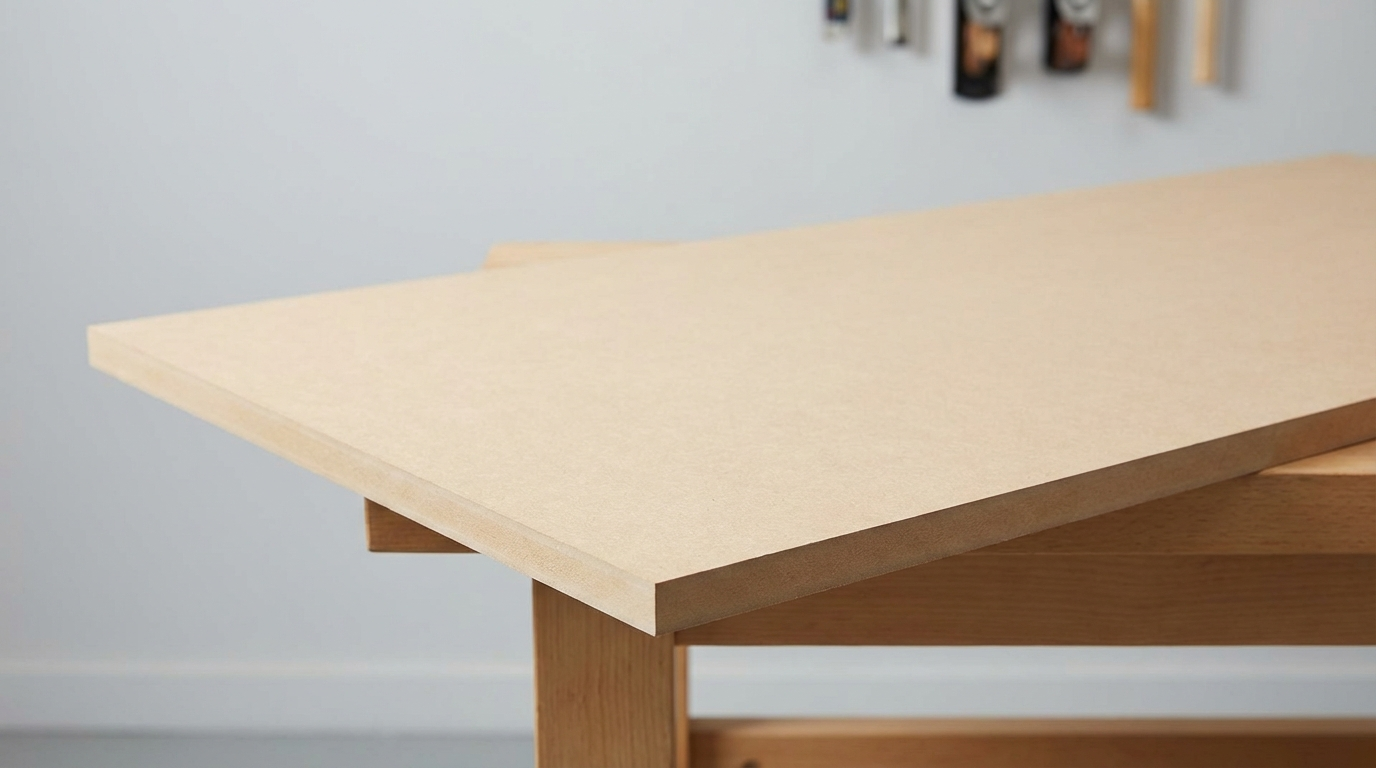
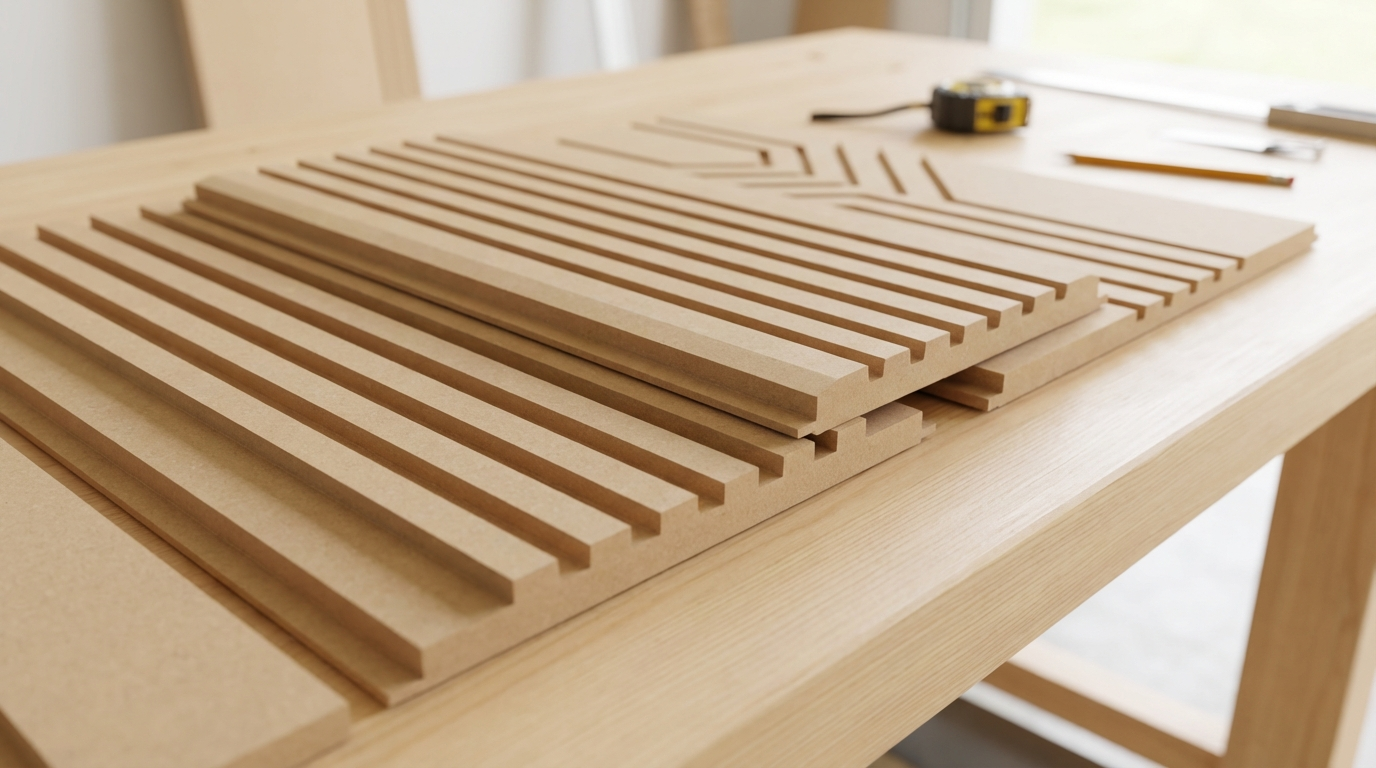
MDF wall panels are decorative boards made from Medium Density Fibreboard, engineered specifically for interior wall cladding and feature wall applications. These panels transform plain walls into textured, patterned, or three-dimensional surfaces that add visual interest and sophistication to any room.
Unlike standard MDF sheets used in furniture, wall panels are manufactured with specific considerations for vertical installation, weight distribution, and decorative finishing. The panels typically range from 6mm to 18mm thickness and come in various formats—from simple flat boards ready for painting to pre-designed 3D patterns and CNC-routed geometric shapes.
The manufacturing process involves breaking down hardwood or softwood residuals into fine fibres, combining them with resin binders, and compressing the mixture under high temperature and pressure. This creates a dense, uniform board with no grain direction, knots, or natural defects—making it ideal for precision machining and smooth paint finishes.
What Makes MDF Different from Other Wall Panel Materials?
MDF occupies a unique position between budget PVC panels and premium solid wood options. According to duroboil.com's material analysis, MDF offers the best balance of machinability, finish quality, and cost-effectiveness for decorative wall applications in Indian interiors.
The key differentiator is MDF's homogeneous composition. While plywood has distinct layers and solid wood has grain patterns, MDF's uniform density allows for intricate routing, carving, and edge profiling without splintering or tearing. This property makes it the preferred substrate for CNC-machined decorative panels, shaker-style wall treatments, and detailed moulding work.
Technical Specifications
MDF wall panels in India typically conform to IS 12406 standards, with density ranging from 650-850 kg/m³ depending on grade and application. Understanding these specifications helps you select the right panel for your specific project requirements.
| Specification | Standard MDF | MR MDF (Moisture Resistant) | HDHMR (High Density) |
|---|---|---|---|
| Density | 650-750 kg/m³ | 700-780 kg/m³ | 850-900 kg/m³ |
| Available Thickness | 6mm, 8mm, 12mm, 18mm | 8mm, 12mm, 18mm | 8mm, 12mm, 18mm |
| Standard Sheet Size | 8×4 feet (2440×1220mm) | 8×4 feet (2440×1220mm) | 8×4 feet (2440×1220mm) |
| Weight per Sheet (18mm) | 38-42 kg | 40-45 kg | 48-52 kg |
| Internal Bond Strength | 0.55-0.65 N/mm² | 0.60-0.70 N/mm² | 0.75-0.85 N/mm² |
| Moisture Content | 5-10% | 5-8% | 5-8% |
| Formaldehyde Emission | E1/E2 grade | E1 grade typically | E0/E1 grade |
| Screw Holding (Face) | 1000-1200 N | 1100-1300 N | 1400-1600 N |
What Each Specification Means for Your Project
Density directly impacts durability and screw-holding capacity. Higher density panels resist dents and impacts better, crucial for wall panels in high-traffic areas or homes with children.
Thickness selection depends on your design approach. For flat painted panels, 8-12mm works well. For routed or 3D patterns, 18mm provides depth for detailed machining. Thicker panels also offer better sound dampening—a consideration for home theatre walls or bedroom accent walls.
Formaldehyde emission ratings matter for indoor air quality. E0 grade (≤0.5mg/L) is safest for bedrooms and living spaces. E1 grade (≤1.5mg/L) meets most building codes. CARB P2 certification indicates compliance with California's strict emission standards—look for this marking if indoor air quality is a priority.
Performance Analysis
MDF wall panels perform exceptionally in controlled indoor environments but require careful material selection and installation practices to achieve their full potential lifespan of 10-15 years.
Moisture Handling Capabilities
This is where honest assessment matters most. Standard MDF absorbs moisture like a sponge—exposed edges can swell 15-20% when wet, causing permanent damage that cannot be reversed. Even high humidity levels during monsoon season in coastal cities can cause gradual swelling if panels aren't properly sealed.
Moisture-Resistant (MR) MDF performs significantly better, using green-coloured resin that indicates water-resistant treatment. However, "moisture-resistant" doesn't mean "waterproof." MR MDF handles humidity fluctuations and occasional condensation but will still fail if directly exposed to water for extended periods.
For Indian conditions, duroboil.com recommends MR-grade MDF for all wall panel applications, even in supposedly "dry" areas. The additional cost of ₹8-15 per square foot is justified given India's variable humidity levels throughout the year.
Durability and Longevity
Properly installed and maintained MDF wall panels typically last 8-12 years before showing significant wear. The primary durability concerns include:
- Impact resistance: MDF dents more easily than plywood or solid wood, making it vulnerable in homes with active children or pets
- Edge vulnerability: Cut edges are weaker and more moisture-susceptible than factory edges
- Paint adhesion: Properly primed MDF holds paint exceptionally well; skipping primer leads to peeling within 2-3 years
- Termite resistance: Quality MDF from reputed manufacturers includes borer and termite treatment; verify this specification before purchase
Surface Quality and Finishing
MDF's greatest strength lies in its finishing potential. The smooth, uniform surface produces paint finishes that rival spray-painted factory furniture. Unlike wood, there's no grain to telegraph through paint, no knots to bleed through, and no natural texture variations to manage.
For decorative wall panels, this translates to:
- Crisp, sharp edges on routed patterns
- Consistent colour across large wall areas
- Excellent adhesion for laminates and veneers
- Smooth base for wallpaper application over panels
Workability Assessment
MDF machines beautifully with standard woodworking tools. CNC routers, laser cutters, and conventional saws all produce clean cuts without the tear-out common with plywood or particleboard. This workability enables intricate decorative patterns at reasonable fabrication costs.
However, two practical concerns exist:
Dust generation: MDF cutting produces extremely fine dust containing formaldehyde resin. Professional fabrication shops use dust extraction systems; if cutting at home, N95 masks and outdoor cutting are essential.
Weight: Full 8×4 feet panels in 18mm thickness weigh 40+ kg, requiring two-person handling and adequate wall mounting systems.
Honest Pros and Cons
Understanding both advantages and limitations helps you make an informed decision about whether MDF wall panels suit your specific project requirements and expectations.
Advantages of MDF Wall Panels
1. Superior Surface Smoothness: No natural material matches MDF's uniformly smooth surface. This enables flawless painted finishes without extensive surface preparation.
2. Design Flexibility: CNC machining allows virtually unlimited pattern possibilities—from traditional wainscoting to contemporary geometric designs—at costs far below custom woodwork.
3. Dimensional Stability: Unlike solid wood, MDF doesn't warp, twist, or cup with seasonal humidity changes when properly sealed on all surfaces.
4. Cost-Effectiveness: Delivers premium aesthetics at 40-60% lower cost than equivalent solid wood treatments, making designer wall treatments accessible to more homeowners.
5. Consistent Quality: Factory manufacturing ensures uniform density, thickness, and surface quality across panels—critical for seamless large wall installations.
6. Eco-Friendly Option: Made from wood processing residuals that would otherwise become waste, reducing demand for virgin timber.
7. Easy Repairs: Minor surface damage can be filled, sanded, and repainted to match original finish—far simpler than repairing natural wood damage.
8. Excellent Paint Adhesion: Properly primed MDF bonds exceptionally well with paint, minimizing peeling, flaking, or adhesion failures over time.
Limitations of MDF Wall Panels
1. Moisture Vulnerability: The most significant limitation. Water contact causes irreversible swelling and damage. Not suitable for bathrooms, exterior walls, or areas prone to water exposure.
2. Weight Concerns: Heavier than plywood or PVC alternatives, requiring robust mounting systems and potentially limiting DIY installation feasibility.
3. Impact Susceptibility: Dents and scratches more easily than hardwood or high-quality plywood, particularly in thinner panels.
4. Edge Weakness: Cut edges require sealing; exposed edges deteriorate faster and absorb moisture more readily than panel faces.
5. Health Considerations: Contains formaldehyde-based resins. Low-emission grades (E0/E1) are safe for interior use, but cutting generates dust requiring proper respiratory protection.
6. Limited Structural Capacity: Functions as cladding only; cannot serve load-bearing or structural wall functions.
Best and Worst Applications
MDF wall panels excel in specific applications while being completely unsuitable for others—understanding this distinction prevents costly mistakes and ensures long-term satisfaction.
Excellent Applications for MDF Wall Panels
| Application | Why MDF Excels | Recommended Specifications |
|---|---|---|
| Living Room Feature Walls | Smooth finish showcases paint colours; pattern versatility creates visual interest | 12-18mm MR MDF, E1 grade minimum |
| Bedroom Headboard Walls | Design flexibility for fabric integration; quiet environment suits even standard grade | 12mm MR MDF, E0 grade preferred |
| TV Unit Backgrounds | Hides wiring channels; CNC routing creates cable management solutions | 18mm MR MDF for routing depth |
| Dining Room Accent Walls | Wainscoting and panel moulding designs add elegance at reasonable cost | 12mm MR MDF with 6mm overlay details |
| Home Office Walls | Acoustic dampening properties; professional appearance | 18mm MR MDF for sound absorption |
| Corridor/Hallway Panelling | Protects high-traffic walls from scuffs; easy to repaint | 12mm MR MDF, durable paint finish |
| Staircase Wall Treatments | Custom-fitted panels follow angles; painted finish hides fingerprints | 12mm MR MDF with extra sealing |
Poor Applications for MDF Wall Panels
| Application | Why MDF Fails | Better Alternative |
|---|---|---|
| Bathroom Walls | Constant humidity and water splashes cause swelling even with MR grade | PVC panels, ceramic tiles, WPC boards |
| Kitchen Backsplash Areas | Steam, oil splatter, and cleaning moisture damage panels | Glass, tiles, stainless steel, acrylic |
| Exterior Wall Cladding | Rain exposure destroys MDF regardless of sealing attempts | WPC boards, fiber cement, HPL panels |
| Balcony/Terrace Walls | Weather exposure and driving rain cause rapid deterioration | WPC panels, treated wood, composite materials |
| Basement Walls | Ground moisture and potential flooding risk catastrophic damage | WPC, waterproof panels, specialized basement systems |
| Swimming Pool Areas | Chlorine, humidity, and direct water contact | Marine-grade materials, tiles, specialized composites |
Price and Value Analysis
MDF wall panel costs in India range from ₹80-250 per square foot installed, with the total project cost depending heavily on design complexity, panel grade, and finishing requirements.
Material Cost Breakdown
| Component | Basic Installation | Standard Installation | Premium Installation |
|---|---|---|---|
| MDF Material (per sq ft) | ₹25-35 (Standard 12mm) | ₹40-55 (MR 12-18mm) | ₹60-80 (HDHMR/Pre-lam) |
| CNC/Routing Work | ₹0 (flat panels) | ₹15-30 (simple patterns) | ₹40-80 (complex 3D designs) |
| Primer & Sealer | ₹8-12 | ₹10-15 | ₹15-20 (specialized primers) |
| Paint/Finish | ₹15-25 (basic) | ₹25-40 (premium paints) | ₹45-70 (PU/special finishes) |
| Adhesive & Hardware | ₹8-12 | ₹12-18 | ₹18-25 |
| Labour (Installation) | ₹25-35 | ₹35-50 | ₹50-80 |
| Total per sq ft | ₹80-120 | ₹135-200 | ₹230-350 |
Project Cost Estimates
For a typical 100 square foot feature wall (approximately 10×10 feet):
- Basic flat painted panels: ₹8,000-12,000
- Standard routed design: ₹13,500-20,000
- Premium 3D geometric patterns: ₹23,000-35,000
These estimates assume metro city pricing. Tier-2 and tier-3 cities typically see 15-25% lower labour costs but potentially higher material costs due to transport.
Value Comparison with Alternatives
| Material | Cost per sq ft (Installed) | Lifespan | Maintenance | Design Flexibility |
|---|---|---|---|---|
| MDF Wall Panels | ₹80-250 | 8-12 years | Low-Medium | Excellent |
| PVC Wall Panels | ₹70-150 | 10-12 years | Very Low | Limited |
| WPC Wall Panels | ₹180-350 | 15-20 years | Low | Good |
| Solid Wood Panelling | ₹350-800 | 20-30 years | Medium-High | Good |
| Veneer on Plywood | ₹200-400 | 12-18 years | Medium | Good |
Quality Checks Before Buying
Verifying MDF quality before purchase prevents installation failures and ensures your wall panels deliver expected performance over their intended lifespan.
Visual Inspection Checklist
Surface Quality: Run your hand across the panel face. It should feel uniformly smooth without bumps, depressions, or rough patches. Hold the panel at an angle to light—surface imperfections become visible as shadows.
Edge Examination: Factory edges should be crisp and dense. Look at the edge colour—standard MDF appears light tan throughout, while MR MDF shows green-tinted resin. Uniform colour indicates consistent density; visible layers or colour variations suggest manufacturing defects.
Core Consistency: If possible, examine a cut cross-section. The density should appear uniform from face to face. Darker spots may indicate resin concentration issues; lighter areas suggest low-density zones that will hold screws poorly.
Dimensional Accuracy: Measure thickness at multiple points across the sheet. Variations exceeding 0.5mm indicate poor manufacturing control. For wall panels requiring precise fitting, dimensional accuracy is critical.
Documentation to Request
- ISI marking: Verify IS 12406 compliance for quality assurance
- Emission certification: Request E0/E1/CARB P2 documentation for formaldehyde levels
- Density certificate: Reputable manufacturers provide density specifications
- Termite treatment certification: Especially important in tropical Indian climates
- Batch/lot number: Enables quality tracing if issues arise
Questions to Ask Your Dealer
- Is this interior-grade or moisture-resistant MDF?
- What is the formaldehyde emission rating?
- Does this batch have termite/borer treatment?
- What primer does the manufacturer recommend?
- How long has this stock been in your warehouse? (Old stock may have absorbed moisture)
- What is the return policy if sheets show defects after cutting?
- Can you provide the technical data sheet?
Red Flags to Avoid
- Unusually low prices (typically indicates inferior raw materials or manufacturing)
- Missing or illegible ISI marking
- Visible swelling or warping at edges (indicates moisture exposure during storage)
- Dealer unable to specify MDF grade or emission rating
- Strong chemical odour (indicates high formaldehyde emission)
- Inconsistent panel thickness within the same batch
Installation and Maintenance Guide
Proper installation is the difference between MDF wall panels that last 12+ years and those that fail within 3-4 years—attention to acclimatization, sealing, and mounting details determines long-term success.
Pre-Installation Requirements
Acclimatization: Store MDF panels horizontally in the room where they'll be installed for minimum 48-72 hours. This allows the material to adjust to ambient humidity levels, preventing post-installation movement.
Wall Preparation: Walls must be dry, clean, and reasonably flat. Fill major cracks or holes with appropriate filler. In older homes, check for dampness—installing MDF on damp walls accelerates deterioration regardless of panel quality.
Sealing Protocol: Every surface of every panel must be sealed before installation. This includes faces, edges, and any cut surfaces. Apply MDF-specific primer on all surfaces—this step is non-negotiable for moisture protection.
Installation Methods
Adhesive Method: Best for flat walls. Apply construction adhesive (like Fevicol or similar panel adhesive) in zigzag pattern on panel back. Press firmly and use temporary supports until adhesive cures (typically 24 hours). Suitable for lighter panels up to 12mm.
Mechanical Fixing: Required for heavier panels (18mm+) or uneven walls. Use screws into wall plugs or directly into wood battens. Countersink screw heads and fill for seamless finish. More secure but requires careful planning for screw placement.
Batten Framework: Most professional approach. Install horizontal or vertical wood battens (typically 25×50mm) at 400-600mm centres. Panels attach to battens, creating air gap that helps with moisture management and provides cable routing space.
Step-by-Step Professional Installation Process
- Measure and plan: Map out panel layout to minimize cuts and ensure symmetrical patterns
- Install framework: If using battens, ensure they're level and securely fixed to wall
- Cut panels: Use sharp saw blades; cut face-up with circular saw, face-down with jigsaw to minimize edge chipping
- Seal all surfaces: Apply primer to all exposed surfaces including fresh cuts
- Dry fit: Position panels without fixing to verify fit and alignment
- Apply adhesive/fix: Work from one corner, ensuring panels are level before adhesive sets
- Fill joints: Use decorators' caulk or appropriate filler for seamless joins
- Final sanding: Light sand filled areas when dry
- Prime filled areas: Spot-prime all filled sections
- Paint: Apply 2-3 coats of quality paint for optimal finish
Maintenance Guidelines
Daily Care: Dust with dry or slightly damp cloth. Avoid wet cleaning—water pooling at panel base causes edge swelling over time.
Periodic Maintenance: Inspect panels annually for any signs of swelling, particularly at edges and joints. Touch up paint chips promptly to maintain moisture barrier.
Damage Repair: Minor dents can be filled with wood filler, sanded, primed, and repainted. For deeper damage, affected panel sections may need cutting out and patching with new material.
Cleaning Products: Use mild, non-abrasive cleaners. Avoid ammonia-based products or excessive moisture. For stubborn marks, slightly damp cloth with diluted dish soap works well.
Alternatives to Consider
While MDF wall panels suit many applications, alternative materials may better serve specific requirements—understanding options helps you make the optimal choice for your particular project.
PVC Wall Panels
Best for bathrooms, kitchens, and budget-conscious projects. Completely waterproof but limited to printed designs—lacks the premium painted finish achievable with MDF. Cost-effective at ₹70-150 per square foot installed.
WPC (Wood Plastic Composite) Panels
Combines wood aesthetics with plastic durability. Excellent moisture resistance makes it suitable for humid areas where MDF fails. Higher cost (₹180-350 per sq ft) but longer lifespan. Good alternative for balconies and semi-outdoor applications.
Gypsum 3D Panels
Lighter than MDF with excellent 3D pattern options. Better fire resistance. However, more fragile and difficult to repair if damaged. Suitable for ceilings and low-traffic wall applications.
High-Pressure Laminate (HPL) Panels
Extremely durable surface resists scratches, heat, and moisture better than painted MDF. Pre-finished, eliminating painting costs. Limited to laminate patterns—cannot achieve solid painted looks. Premium pricing at ₹200-400 per square foot.
Veneer on Plywood
Natural wood appearance with plywood's moisture resistance. Better than MDF for areas with moderate humidity. Higher cost and requires skilled application for quality finish. Recommended by duroboil.com experts for clients wanting authentic wood aesthetics with better moisture tolerance.
India-Specific Considerations
Indian climate conditions, installation practices, and market realities create unique considerations for MDF wall panel projects that generic international guides often overlook.
Monsoon and Humidity Impact
Most of India experiences 3-4 months of high humidity during monsoon season. Even "dry" interior spaces see relative humidity spikes to 70-80% during this period. Standard MDF absorbs this atmospheric moisture, potentially causing subtle swelling that stresses painted finishes.
Mitigation strategies include:
- Using MR-grade MDF universally, not just in "wet" areas
- Ensuring complete surface sealing including all edges
- Maintaining air conditioning during monsoon to control indoor humidity
- Installing panels with slight expansion gaps (1-2mm) at edges, covered by trim
Regional Variations
Coastal cities (Mumbai, Chennai, Kolkata): High year-round humidity demands MR MDF minimum. Consider HDHMR for premium longevity. Extra attention to edge sealing is critical.
Northern plains (Delhi, Lucknow): Extreme temperature variations cause expansion/contraction cycles. Use batten mounting system to accommodate movement.
Southern India (Bangalore, Hyderabad): Moderate conditions suit MDF well. Standard MR grade performs adequately in most applications.
Humid hill stations: Persistent moisture makes MDF less suitable. Consider WPC or treated wood alternatives.
Termite and Borer Concerns
Termite infestation destroys MDF from inside out, often undetected until significant damage occurs. Always verify termite treatment certification and consider additional preventive measures:
- Anti-termite treatment to walls before panel installation
- Leaving small gap between panel and floor (covered by skirting) to prevent ground-contact moisture and termite access
- Periodic inspection of panel backs if accessible
Local Market Realities
Quality varies significantly between brands and even between batches from the same manufacturer. Major brands (Greenpanel, Greenply, Action Tesa) maintain better consistency than local manufacturers. However, premium pricing doesn't always guarantee premium quality—physical inspection remains essential.
Dealer storage conditions significantly impact material quality. Panels stored in open yards or humid warehouses may have already absorbed moisture before reaching you. Prefer dealers with covered, dry storage facilities.
Frequently Asked Questions
Are MDF wall panels waterproof?
No, MDF wall panels are not waterproof. Standard MDF absorbs water readily and swells irreversibly when wet. Moisture-Resistant (MR) MDF handles humidity better but still isn't waterproof—it resists moisture vapour but fails with direct water contact. For truly waterproof wall applications, consider PVC panels, WPC boards, or tile alternatives. If using MDF in areas with any moisture exposure risk, seal all surfaces completely with appropriate primer and paint, and use only MR-grade material.
How long do MDF wall panels last in Indian conditions?
Properly installed MDF wall panels typically last 8-12 years in Indian conditions before requiring significant maintenance or replacement. Lifespan depends heavily on several factors: using MR-grade material extends life by 2-3 years compared to standard MDF; complete surface sealing prevents premature deterioration; climate-controlled interiors preserve panels longer than non-AC spaces; and avoiding moisture exposure prevents the most common failure mode. Premium HDHMR panels can last 12-15 years with proper care.
Can MDF wall panels be used in bathrooms?
MDF wall panels are not recommended for bathroom use, even with moisture-resistant grades. Bathrooms experience constant humidity, water splashes, and condensation that will eventually damage MDF panels regardless of sealing efforts. The risk of panel failure and resulting water damage to underlying walls makes MDF a poor choice. Better bathroom alternatives include PVC panels (completely waterproof), ceramic or porcelain tiles, WPC boards designed for wet areas, or glass panels for shower enclosures.
What is the cost difference between MDF and solid wood wall panels?
MDF wall panels cost approximately 40-60% less than equivalent solid wood treatments. For standard installation, MDF panels range from ₹80-250 per square foot installed, while solid wood panelling typically costs ₹350-800 per square foot depending on wood species and finish. This cost advantage makes MDF particularly attractive for large feature walls where solid wood becomes prohibitively expensive. However, MDF cannot match solid wood's natural warmth, grain variation, or longevity—consider your priorities between budget and authenticity.
Do MDF wall panels require special paint?
MDF wall panels don't require special paint, but they absolutely require proper priming. Apply MDF-specific primer (or quality shellac-based primer) before painting—this seals the porous surface, prevents excessive paint absorption, and blocks tannin bleed. After priming, standard interior wall paints work well, though premium quality paints with higher solid content provide better coverage and durability. Avoid water-based primers directly on raw MDF as they can cause surface fibre swelling.
How do I fix MDF panels that have swelled from moisture?
Unfortunately, moisture-swelled MDF cannot be restored to original condition—the damage is permanent. The fibres separate and expand irreversibly when wet. Your options are: for minor swelling at edges, sand down the affected area (accepting some profile loss), seal thoroughly, and repaint; for moderate damage, cut out affected sections and patch with new MDF; for extensive swelling, complete panel replacement is necessary. Prevention through proper sealing is far more effective than attempting repairs after moisture damage occurs.
Is MDF safe for bedroom walls considering formaldehyde emissions?
MDF with E0 or E1 emission ratings is considered safe for bedroom use. E0-grade MDF (≤0.5mg/L formaldehyde emission) meets the strictest international standards and is recommended for bedrooms, children's rooms, and areas with limited ventilation. E1-grade (≤1.5mg/L) also meets most building codes for interior use. Always verify emission certification before purchase, and ensure proper ventilation during and immediately after installation. Painted and sealed MDF releases fewer emissions than raw material.
Can MDF wall panels be installed over existing tiles or textured walls?
MDF panels can be installed over tiles using a batten framework system. Install wood battens over the tiles, then attach MDF panels to the battens. This approach works well and avoids tile removal costs. For textured walls, the batten system also provides a level mounting surface. Direct adhesive application over textured surfaces is not recommended—the uneven contact compromises adhesion. The batten method also creates an air gap that aids moisture management and allows concealed cable routing.
What thickness of MDF is best for wall panels?
For most residential wall panel applications, 12mm MDF provides the optimal balance of rigidity, weight, and cost. Use 18mm thickness when incorporating routed patterns or 3D designs—thinner panels don't provide adequate depth for detailed machining. For purely flat, painted applications, 8-9mm can work if properly supported with close-spaced battens. Thicker panels (18mm) also provide better acoustic dampening, making them preferred for home theatre walls or bedroom feature walls where sound absorption benefits the space.
How do MDF wall panels compare to gypsum board for wall cladding?
MDF and gypsum board serve different purposes in wall applications. MDF excels as decorative panelling—it machines beautifully for patterns, holds paint exceptionally, and creates premium visual finishes. Gypsum board is primarily a construction material for creating walls, not decorating them. For decorative 3D patterns, gypsum panels offer lighter weight and better fire resistance but are more fragile and difficult to repair. MDF handles impact better and offers more design flexibility. Choose MDF for decorative feature walls; choose gypsum for ceiling applications or fire-rated requirements.
Note: This is independent editorial content. Duroboil.com is not affiliated with any MDF manufacturer or brand mentioned in this article. Prices and specifications are indicative and vary by region, dealer, and market conditions. Always verify current specifications and pricing with authorized dealers before purchase.
Disclaimer: This content is provided for general informational purposes based on industry practices and publicly available information. Product specifications, standards, prices, and availability may vary by manufacturer, region, and time. Readers should independently verify details with manufacturers, dealers, or qualified professionals before making purchase or construction decisions.
Want Plywood Suggestions?
Share a few details and a Duro BOIL specialist will suggest suitable brands and connect you to responsive dealers.