How to Find the Best Wooden Flooring Near You: Complete Buying Guide
Looking for wooden flooring near you? Learn how to find reliable dealers, compare prices, and choose the best laminated wooden flooring for your home.
Quick Buying Decision
One-line recommendation: For most Indian homes, 8mm laminate wooden flooring with AC3 rating offers the best balance of durability, appearance, and value.
If you're in a hurry: Visit at least three authorised flooring dealers in your city, ask for AC3-rated laminate flooring samples in 8mm thickness, and request written quotations including installation, underlayment, and beading costs. Check that the dealer offers at least a 10-year residential warranty and can provide references from completed projects. Avoid dealers who pressure you into immediate decisions or cannot explain the AC rating system clearly.
Quick Picks by Requirement
- Best for living rooms: Laminate flooring (AC3/AC4) – because it handles moderate foot traffic excellently while offering diverse wood-look designs at reasonable prices
- Best for bedrooms: Laminate flooring (AC3) – because lower traffic areas don't require heavy-duty ratings, and the warm underfoot feel suits sleeping spaces
- Best budget option: 7mm AC3 laminate flooring – because it provides adequate durability for residential use without the premium cost of thicker variants
- Best premium option: Engineered hardwood flooring – because it offers genuine wood aesthetics with better dimensional stability than solid hardwood in Indian humidity conditions
How to Choose Wooden Flooring in 5 Steps
Finding the right wooden flooring requires systematic evaluation rather than impulse decisions. Follow these steps to ensure your flooring investment lasts for years.
Step 1: Identify Your Application Area
The room where you plan to install flooring determines everything else about your purchase. Different spaces have vastly different requirements.
Dry areas (living room, bedroom, study): Standard laminate or engineered wood works well. Focus on aesthetics and comfort rather than moisture resistance.
Semi-wet areas (kitchen, dining near kitchen): Choose water-resistant laminate with tight-lock mechanisms. Avoid solid hardwood entirely. Ensure the core material has moisture-resistant treatment.
High traffic areas (hallways, living room): Prioritise AC4 or higher ratings. Consider scratch-resistant surface treatments. Thicker planks (10-12mm) provide better durability.
Low traffic areas (guest bedroom, study): AC3 rating suffices. You can optimise budget here without compromising on appearance.
Step 2: Determine the Right Type
Based on your application, select from these main categories:
Laminate flooring: Best for most Indian homes. Comprises a photographic wood image layer over high-density fibreboard (HDF). Affordable, durable, and available in countless designs. Cannot be refinished.
Engineered hardwood: Real wood veneer (typically 2-4mm) bonded to plywood or HDF core. Can be sanded and refinished once or twice. Better for humidity fluctuations than solid wood. Significantly more expensive than laminate.
Solid hardwood: Entirely real wood throughout. Beautiful but challenging in Indian climates due to expansion and contraction. Requires careful acclimatisation and climate control. Premium pricing.
Decision matrix:
- Budget under ₹150/sq ft → Laminate (AC3)
- Budget ₹150-300/sq ft → Premium laminate (AC4) or entry-level engineered
- Budget above ₹300/sq ft → Quality engineered hardwood
- Climate-controlled space with unlimited budget → Solid hardwood
Step 3: Choose Correct Thickness
Thickness directly impacts durability, sound insulation, and underfoot comfort. Here's what to select:
| Application | Recommended Thickness | Why This Works |
|---|---|---|
| Bedroom, guest room | 7-8mm laminate | Adequate for low traffic, cost-effective |
| Living room, dining | 8-10mm laminate | Better impact resistance for furniture movement |
| Commercial/high traffic | 10-12mm laminate | Maximum durability and sound absorption |
| Over existing flooring | 7-8mm laminate | Minimises height difference at doors |
| Engineered wood (any room) | 12-15mm overall, 3mm+ veneer | Allows future refinishing |
Why thickness matters: Thicker flooring absorbs impact better, reduces hollow sound when walking, and generally lasts longer. However, consider door clearances and transitions to other flooring types when selecting thickness.
Step 4: Check Quality Indicators
Before purchasing, inspect these quality markers:
Visual inspection:
- Check plank edges for chips or damage
- Examine the locking mechanism—it should click firmly without excessive force
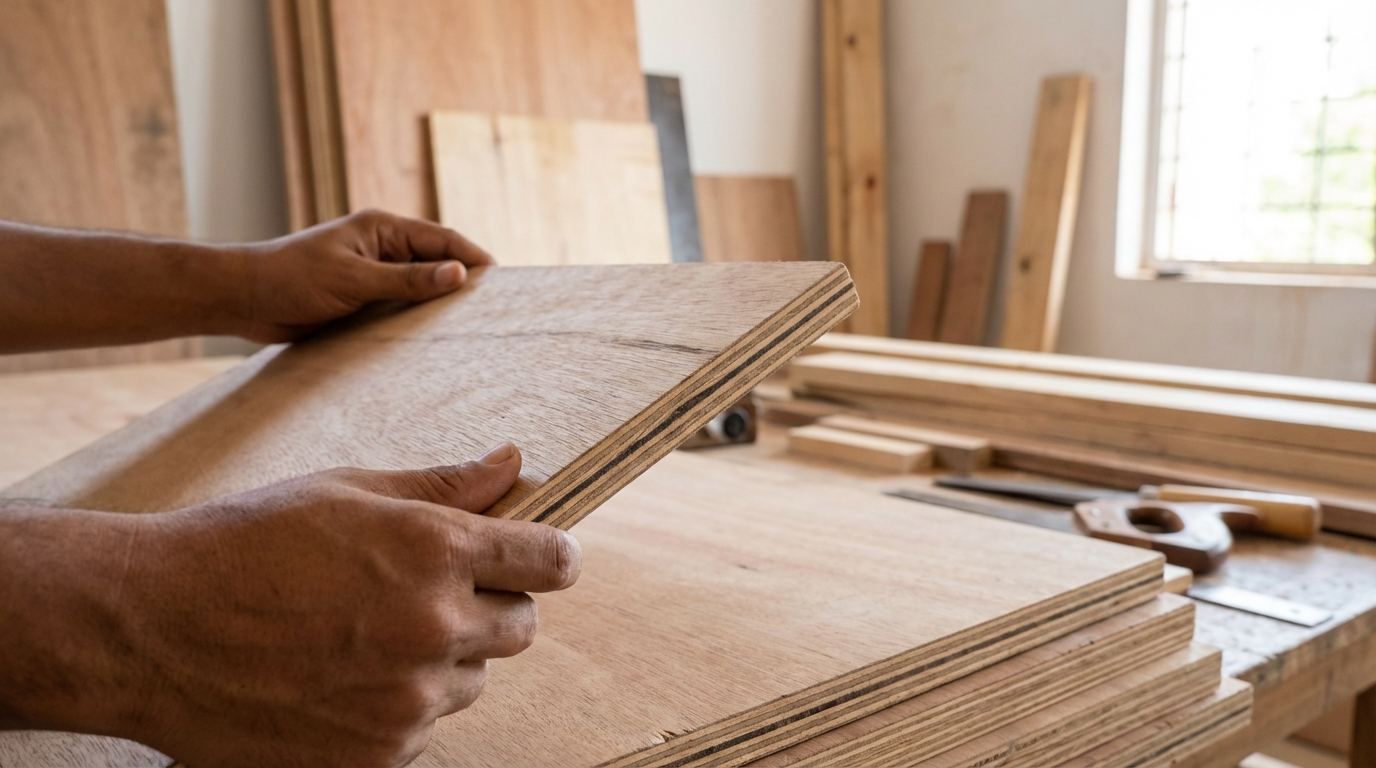
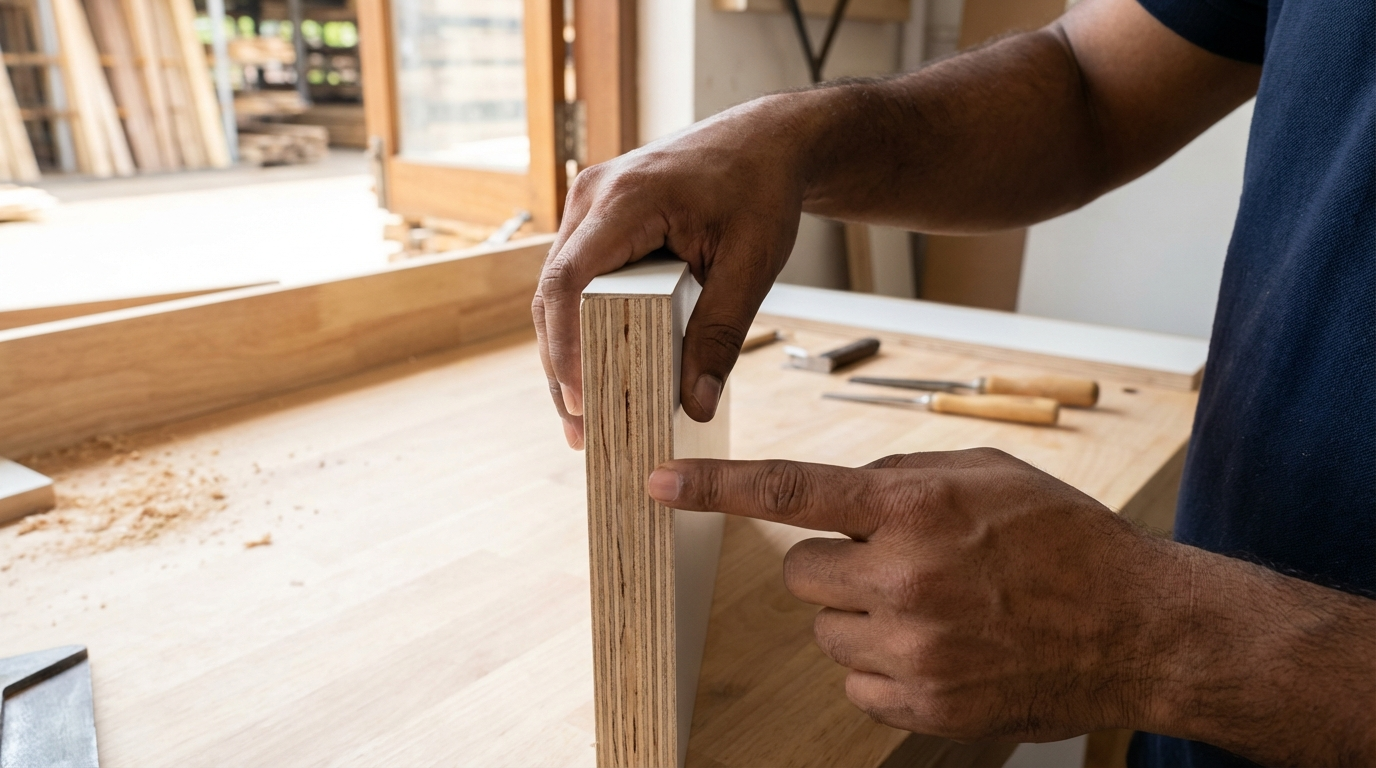
- Look at the core layer from the side; dense, uniform HDF indicates quality
- Verify colour consistency across multiple boxes from the same batch
Tests you can perform at the shop:
- Lock test: Connect two sample planks; they should snap together easily and resist pulling apart
- Water drop test: Place a water drop on the surface; quality laminate should bead water for several minutes without absorption
- Scratch test: Run your fingernail firmly across the surface; quality flooring should show no marks
- Smell test: Strong chemical odour indicates high formaldehyde emissions; quality flooring has minimal smell
Step 5: Compare Prices and Get Quotes
Never accept the first price offered. Here's how to get accurate, comparable quotes:
Request quotes that include:
- Flooring material cost per square foot (specify exact product code)
- Underlayment/foam sheet cost
- Installation charges per square foot
- Beading/skirting cost and installation
- Door profile/transition strip costs
- Wastage percentage included (typically 5-10%)
- GST breakdown
What to tell dealers: Provide exact room measurements, mention if furniture needs moving, specify if old flooring requires removal, and ask about subfloor preparation if needed.
Decision Framework: What to Buy for Each Situation
| Your Situation | Recommended Option | Why | What to Verify |
|---|---|---|---|
| Living room makeover | 8-10mm AC4 laminate | Handles furniture, foot traffic, and looks premium | AC rating certificate, lock mechanism quality |
| Master bedroom | 8mm AC3 laminate or engineered wood | Comfort and aesthetics matter more than heavy-duty performance | Formaldehyde emission rating (E1 or better) |
| Children's room | 10mm AC4 laminate with scratch resistance | Handles toys, spills, and rough use | Scratch resistance rating, easy cleaning properties |
| Open kitchen-living layout | Water-resistant laminate (AC4) | Occasional splashes near kitchen won't cause immediate damage | Water resistance certification, sealed edges |
| Coastal area home | Premium water-resistant laminate | Higher humidity requires moisture-resistant core | HDF density, edge sealing, warranty terms for humidity |
| Rental property | 7-8mm AC3 laminate | Cost-effective, easy to replace if damaged | Basic warranty coverage, installation ease |
| Premium villa/bungalow | Engineered hardwood (15mm+) | Real wood aesthetics, can be refinished, adds property value | Veneer thickness (3mm minimum), wood species authenticity |
Price Guide and Budget Planning
Wooden flooring prices in India vary significantly based on type, quality, and location. Here's what to expect:
Price Ranges by Type (Material Only)
- Economy laminate (AC3, 7-8mm): ₹45-80 per square foot
- Mid-range laminate (AC4, 8-10mm): ₹80-150 per square foot
- Premium laminate (AC5, 12mm): ₹150-250 per square foot
- Entry-level engineered wood: ₹200-350 per square foot
- Premium engineered hardwood: ₹350-600 per square foot
- Solid hardwood (imported): ₹500-1,500+ per square foot
Additional Costs to Budget
- Installation: ₹25-50 per square foot (varies by city and complexity)
- Underlayment: ₹8-20 per square foot
- Skirting/beading: ₹40-100 per running foot
- Door profiles: ₹200-500 per piece
Budget Estimates for Common Projects
200 sq ft bedroom (mid-range laminate): Approximately ₹25,000-40,000 including installation and accessories
500 sq ft living-dining area (quality laminate): Approximately ₹60,000-1,00,000 fully installed
1,500 sq ft full home (AC4 laminate throughout): Approximately ₹2,00,000-3,50,000 complete
Why Do Prices Vary So Much Between Shops?
Price variations occur due to several factors:
- Authorised vs unauthorised dealers: Authorised dealers pay licensing fees but offer genuine warranties
- Import duties and sourcing: European brands cost more than Chinese or Malaysian products
- City-based pricing: Metro cities typically have higher overhead costs
- Stock vs made-to-order: Ready stock may be older batches at discounted rates
- Installation quality: Experienced installers charge more but deliver better results
Red Flags: When to Walk Away
Protect yourself by recognising these warning signs:
- No sample boards available: Reputable dealers always have physical samples for inspection
- Reluctance to provide written quotations: Verbal quotes often change at billing time
- Unusually low prices: If pricing seems too good, the product may be counterfeit or defective
- No brand information on packaging: Legitimate products have clear manufacturer details
- Pressure to decide immediately: Quality dealers understand flooring is a considered purchase
- Cannot explain AC ratings: Basic product knowledge indicates dealer credibility
- No warranty documentation: Genuine products come with manufacturer warranty cards
- Mismatched batch numbers: Different batches may have colour variations; insist on same-batch supply
Common Buying Mistakes (And How to Avoid)
Mistake 1: Choosing Based on Photos Alone
Digital images and showroom lighting can misrepresent actual appearance. Colours look different under your home's lighting conditions. Always take sample pieces home and view them in your actual space at different times of day before finalising.
Mistake 2: Ignoring Subfloor Condition
Installing over uneven or damp subfloors causes premature failure. Laminate flooring requires level surfaces (within 3mm per metre). Have your subfloor assessed before purchasing, and budget for levelling if needed.
Mistake 3: Underestimating Quantity Needed
Ordering exact measurements leaves no margin for cutting waste, pattern matching, or future repairs. Always order 10% extra for straightforward rooms and 15% for spaces with many corners or angles.
Mistake 4: Selecting Wrong AC Rating
Using residential-grade flooring in commercial spaces or vice versa wastes money. AC3 suits bedrooms perfectly but will fail in shop floors. Match the rating to actual usage patterns, not just room names.
Mistake 5: Skipping Underlayment
Some buyers skip foam underlayment to save costs. This results in hollow sounds when walking, faster wear, and potential moisture damage from below. Quality underlayment costs little but adds significantly to performance and comfort.
Mistake 6: Not Checking Formaldehyde Ratings
Low-quality boards emit harmful formaldehyde. Look for E1 or E0 certification, indicating low emission levels safe for indoor use. This is especially important for children's rooms and homes with allergy-prone residents.
Mistake 7: Focusing Only on Material Cost
The cheapest flooring becomes expensive if installation is poor or accessories are overpriced. Compare total project costs including installation, underlayment, skirting, and transitions for accurate budgeting.
Mistake 8: Ignoring Expansion Gaps
Laminate and engineered wood expand and contract with humidity changes. Insisting on tight-to-wall installation causes buckling. Ensure your installer plans for 8-10mm expansion gaps concealed by skirting.
Questions to Ask Your Dealer
- "What is the AC rating and what does it mean for durability?" – Good answer explains rating system; concerning if dealer cannot explain or dismisses importance
- "What is the formaldehyde emission class?" – Should be E1 or E0; avoid products without clear certification
- "Is this product from current stock or will it be ordered?" – Affects delivery timeline and batch consistency
- "What warranty is provided and what does it cover?" – Should include manufacturer warranty card; vague verbal assurances are concerning
- "Can I see the actual batch I'll receive?" – Colour variations between batches are common; reputable dealers accommodate this request
- "What underlayment do you recommend and why?" – Should suggest appropriate options; pushing the cheapest or most expensive only is concerning
- "Who handles installation and what is their experience?" – Should have trained installers; subcontracting to unknown labour is risky
- "What happens if there's a defect after installation?" – Clear return and replacement policy indicates confidence in product quality
- "Can you provide references from recent installations?" – Established dealers happily share satisfied customer contacts
- "What maintenance products do you recommend?" – Knowledgeable dealers advise on proper care; inability to answer suggests limited expertise
After Purchase: Handling and Storage
Proper handling between purchase and installation significantly affects flooring performance.
Transportation Guidelines
- Keep boxes flat during transport; standing them on edge can damage locking mechanisms
- Avoid exposure to rain or direct sunlight during transit
- Handle boxes carefully; dropping causes hidden damage to click systems
Storage Requirements
- Store in the room where installation will occur
- Keep boxes sealed and flat, stacked no more than three high
- Maintain room temperature between 18-25°C
- Ensure humidity levels are normal (40-65% relative humidity)
Acclimatisation Period
Allow flooring to acclimatise for 48-72 hours minimum before installation. This allows the material to adjust to your home's temperature and humidity, preventing post-installation expansion or contraction issues. In coastal areas or during monsoon season, extend acclimatisation to 5-7 days.
Frequently Asked Questions
Which brand is best for wooden flooring in India?
Several established brands offer reliable quality, including Pergo, Quick-Step, Greenply, Kronotex, and Armstrong. Rather than focusing on brand name alone, evaluate the specific product's AC rating, warranty terms, and dealer support in your city. Imported European brands typically cost more but offer superior quality certifications. Indian brands provide good value in mid-range segments with easier warranty claims.
How do I identify original vs duplicate flooring?
Check for consistent branding on every plank's backing, proper packaging with batch numbers, and manufacturer warranty cards inside boxes. Genuine products have uniform HDF core density visible from the side. Request the dealer's authorisation certificate from the brand. Extremely low prices compared to market rates typically indicate counterfeit products or grey market imports without valid warranties.
What warranty should I expect on wooden flooring?
Quality laminate flooring typically carries 10-25 year residential warranties covering manufacturing defects, surface wear, and colour fading. Commercial warranties are shorter (5-10 years) due to heavier use. Ensure warranty documentation clearly states coverage terms. Most warranties exclude damage from moisture, improper installation, or lack of maintenance, so read exclusions carefully.
How much flooring do I need for my project?
Calculate room area in square feet (length × width), then add 10% for rectangular rooms or 15% for irregular shapes. This accounts for cutting waste and pattern matching. For larger projects, order all material from the same production batch to ensure colour consistency. Keep 2-3 spare planks for future repairs.
Should I buy wooden flooring online or offline?
Offline purchase allows physical inspection, colour matching under your home's lighting, and establishing dealer relationships for installation support. Online buying may offer lower prices but carries risks of colour mismatch, shipping damage, and difficult warranty claims. For first-time buyers, offline purchase from authorised dealers provides better overall experience and support.
When is the best time to buy wooden flooring?
Avoid purchasing during peak monsoon months (June-September) as high humidity complicates storage and installation. Festival seasons (Diwali, New Year) often bring promotional discounts. Financial year-end (March) may offer clearance deals on older stock. Allow adequate time between purchase and your renovation timeline for proper acclimatisation.
How can I negotiate better prices on flooring?
Collect quotes from multiple dealers before negotiating. Larger quantities (whole-home projects) command better per-unit pricing. Ask about ongoing promotions or upcoming sales. Consider paying in full upfront for additional discounts. Bundle installation and accessories with material purchase for package deals. Avoid negotiating on quality—cheaper products cost more in the long run.
What if I receive damaged flooring material?
Inspect all boxes upon delivery before signing acceptance. Document any visible damage with photographs immediately. Report issues within 24-48 hours to both dealer and transporter. Reputable dealers replace damaged boxes without question when reported promptly. Keep original packaging until installation is complete in case hidden damage appears during fitting. Written purchase agreements should specify replacement terms for damaged goods.
Disclaimer: This content is provided for general informational purposes based on industry practices and publicly available information. Product specifications, standards, prices, and availability may vary by manufacturer, region, and time. Readers should independently verify details with manufacturers, dealers, or qualified professionals before making purchase or construction decisions.
Want Plywood Suggestions?
Share a few details and a Duro BOIL specialist will suggest suitable brands and connect you to responsive dealers.