Wooden Flooring Options: Complete Product Review and Guide
Comprehensive review of wooden flooring options including laminated, engineered, and solid wood. Find the best flooring solution for your home.
Quick Verdict
Wooden flooring transforms Indian homes with warmth, elegance, and lasting value when selected correctly for your specific climate zone and usage requirements. After comprehensive analysis of available options in India, engineered wood flooring emerges as the most balanced choice for most Indian homes, offering genuine hardwood aesthetics with superior moisture stability—critical for our monsoon-affected climate.
Our assessment summary:
- Moisture resistance: Engineered wood - Excellent | Laminate - Good | Solid wood - Average
- Durability: Solid wood - Excellent | Engineered wood - Good | Laminate - Average
- Value for money: Laminate - Excellent | Engineered wood - Good | Solid wood - Average
- Overall recommendation: Engineered wood flooring for living rooms and bedrooms | Laminate for budget-conscious projects | Solid wood for premium heritage homes with climate control
This comprehensive review by duroboil.com's materials experts covers every wooden flooring option available in India, helping you make an informed decision based on your specific requirements, budget, and local climate conditions.
What is Wooden Flooring?
Wooden flooring refers to any floor covering that features wood or wood-like appearance, encompassing natural solid timber, engineered wood composites, and synthetic alternatives that replicate wood aesthetics. In India, wooden flooring has gained significant popularity over the past decade, moving beyond luxury hotels and offices into residential spaces across metro and tier-2 cities.
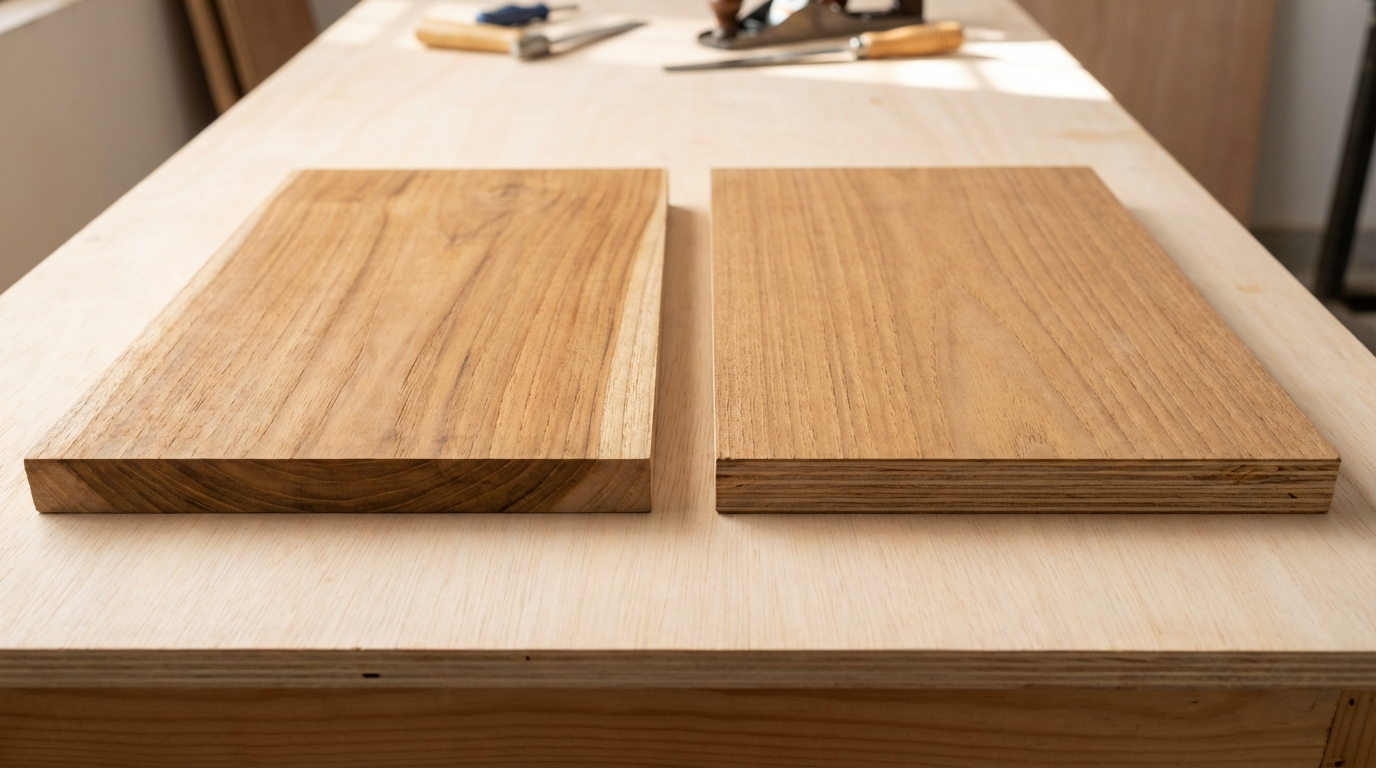
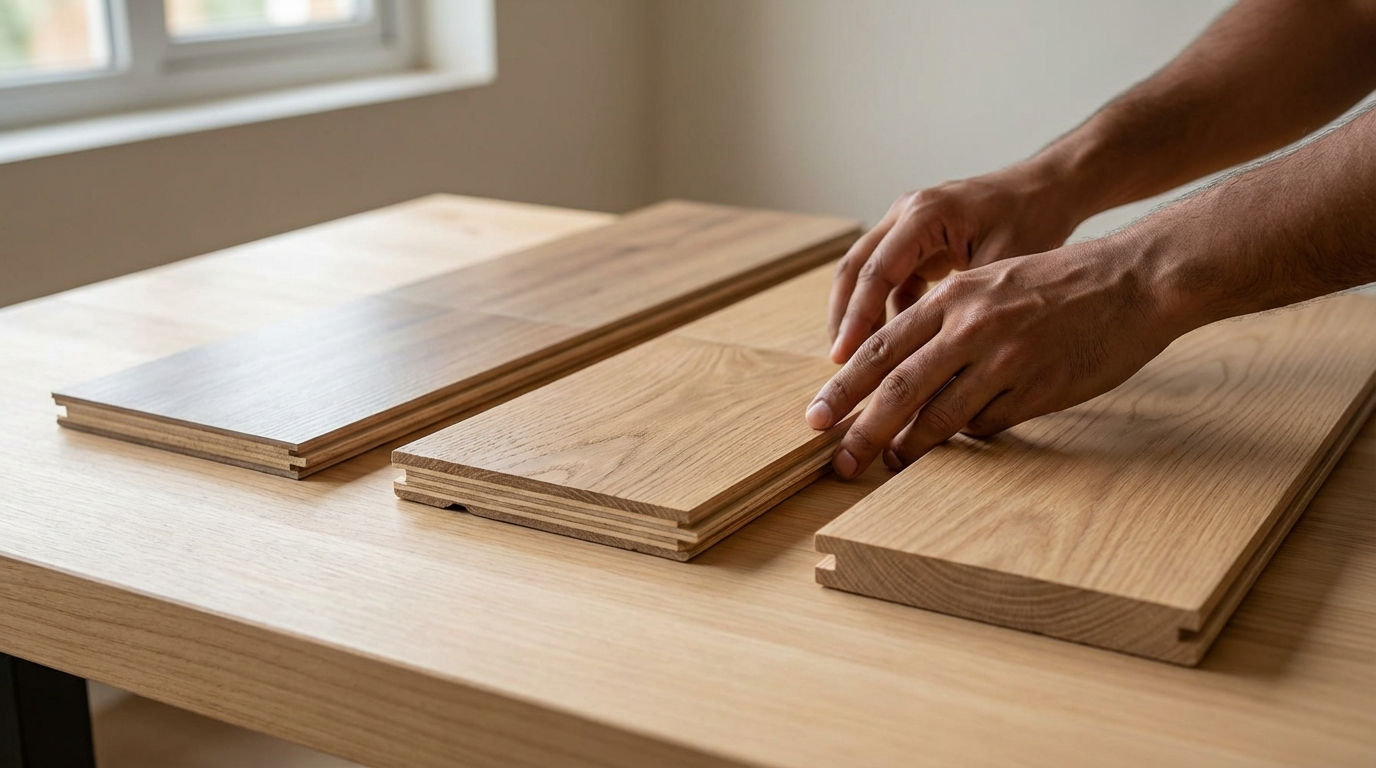
The Indian wooden flooring market offers three primary categories: solid hardwood (100% natural timber), engineered wood (real wood veneer over composite core), and laminate flooring (high-resolution wood print over HDF core). Each category addresses different budget points, performance requirements, and aesthetic preferences.
Unlike traditional Indian flooring choices like marble, granite, or vitrified tiles, wooden flooring provides thermal comfort—staying warm in winters and cool in summers. This characteristic makes it particularly appealing for bedrooms, living rooms, and home offices where occupants spend extended periods.
The key differentiator among wooden flooring types lies in their construction: solid wood is milled from single timber pieces, engineered wood combines real wood with stabilizing layers, while laminate uses photographic technology to simulate wood appearance. Understanding these fundamental differences is essential for making the right choice.
Specifications Overview
Technical specifications directly impact performance, longevity, and suitability for Indian conditions. The following table provides a comprehensive comparison of all wooden flooring types available in the Indian market.
| Specification | Solid Hardwood | Engineered Wood | Laminate Flooring | SPC/Vinyl Wood |
|---|---|---|---|---|
| Thickness Range | 18-22mm | 12-15mm | 8-12mm | 4-8mm |
| Standard Size | Variable lengths | 1200x190mm typical | 1380x193mm typical | 1220x180mm typical |
| Wear Layer | Full thickness | 2-6mm veneer | AC3-AC5 rated | 0.3-0.5mm |
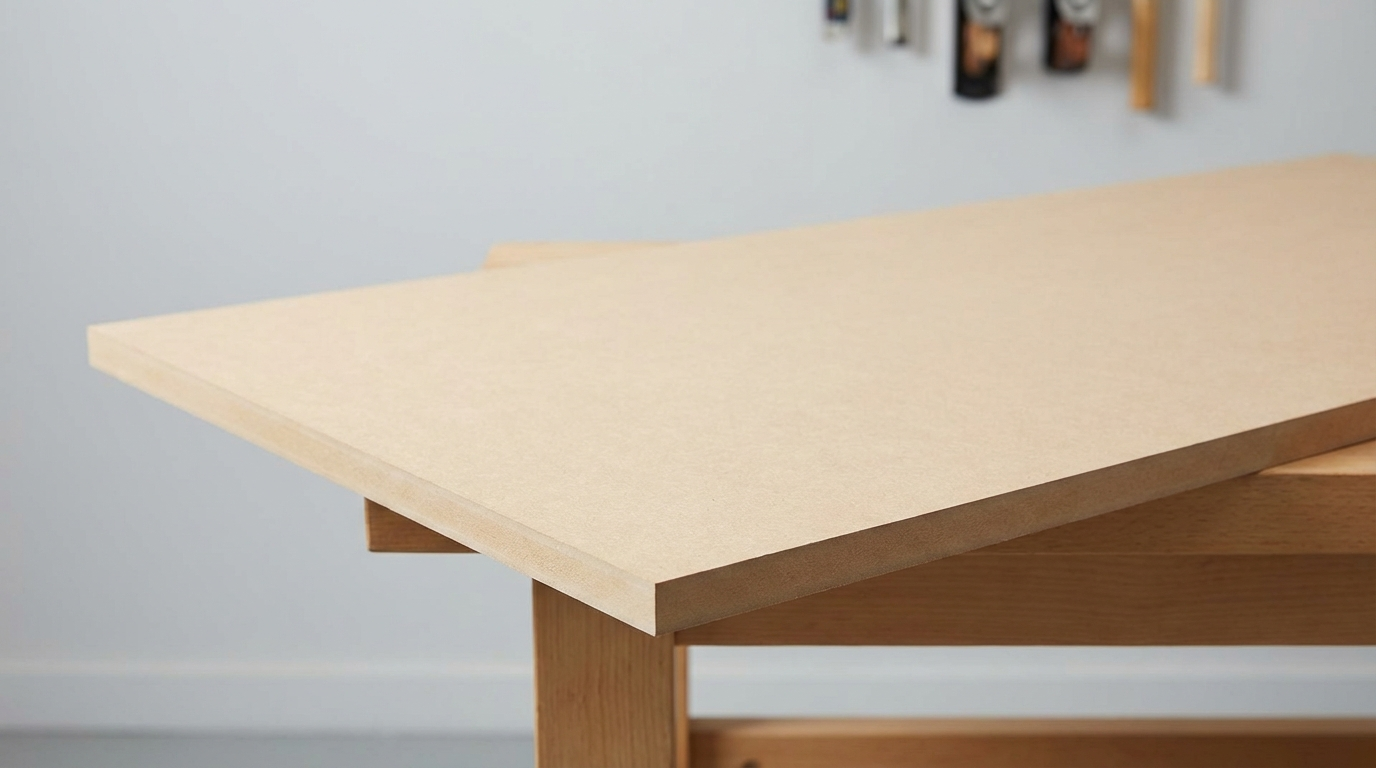
| Core Material | Solid timber | Plywood/HDF | HDF board | Stone polymer composite |
| Moisture Resistance | Poor | Moderate-Good | Moderate | Excellent |
| Refinishing Capability | 5-7 times | 2-3 times | Not possible | Not possible |
| Installation Methods | Nail-down, glue-down | Click-lock, glue-down | Click-lock floating | Click-lock, loose lay |
| Underfloor Heating Compatible | No | Yes | Yes | Yes |
| Price Range (₹/sq ft) | 350-900 | 180-450 | 60-150 | 70-200 |
| Expected Lifespan | 75-100 years | 25-40 years | 15-25 years | 15-20 years |
These specifications reveal why engineered wood offers the best balance for Indian conditions. The moderate moisture resistance, combined with real wood aesthetics and reasonable pricing, addresses the primary concerns of Indian homeowners dealing with monsoon humidity and temperature variations.
Performance Analysis
Moisture Handling in Indian Climate
Moisture performance is the single most critical factor for wooden flooring success in India, where relative humidity can swing from 30% in peak summer to 90% during monsoons. Solid hardwood, despite its premium status, struggles most with these variations—expanding during humid months and contracting in dry seasons, often leading to gaps, cupping, or buckling.
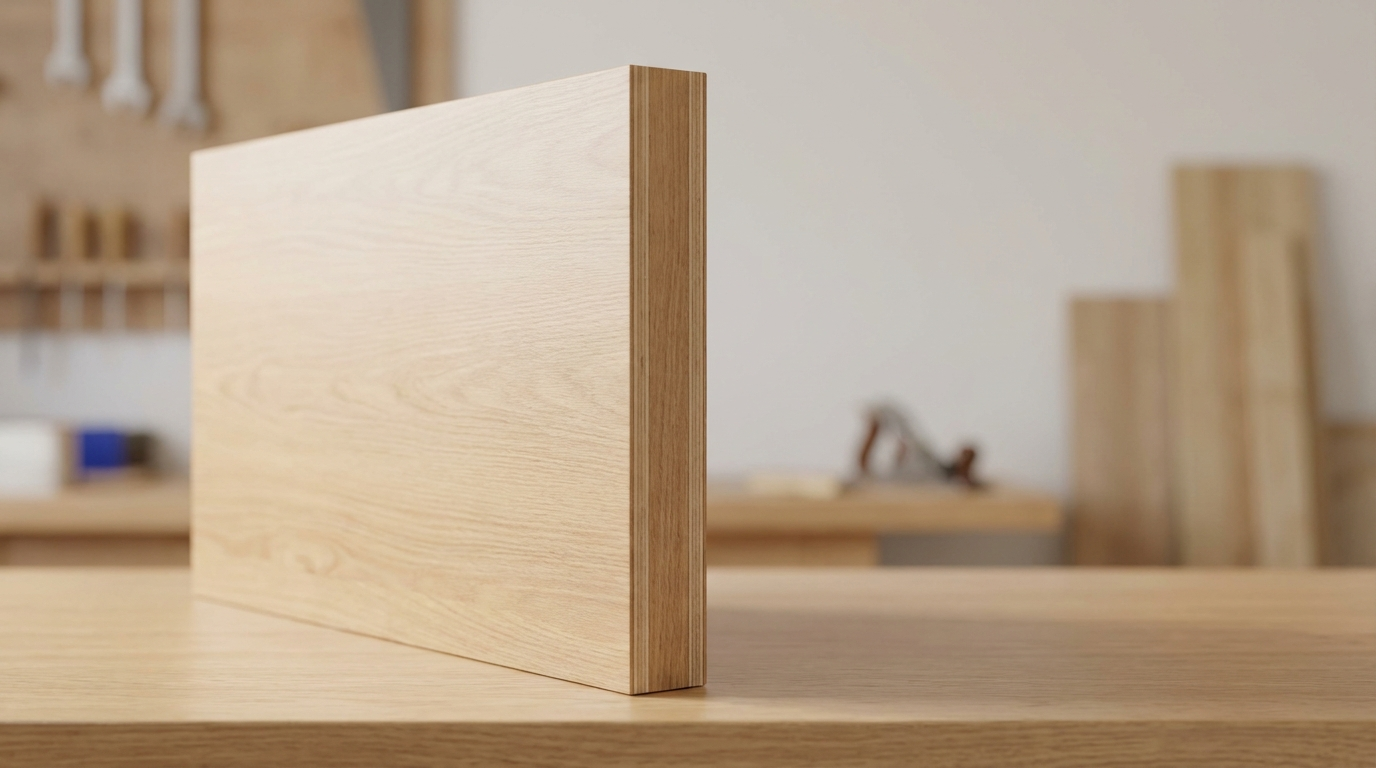
Engineered wood flooring addresses this challenge through its cross-layered construction. The perpendicular arrangement of plywood layers beneath the hardwood veneer counteracts the natural tendency of wood to expand and contract. According to duroboil.com's field observations, properly installed engineered flooring maintains dimensional stability even in coastal cities like Mumbai, Chennai, and Kolkata.
Laminate flooring offers decent moisture resistance due to its HDF core treated with moisture-resistant resins. However, prolonged water exposure—common during Indian monsoons when windows may leak or flooding occurs—can cause irreversible swelling. The sealed surface provides protection against spills but not standing water.
SPC (Stone Polymer Composite) flooring provides the highest moisture resistance, being 100% waterproof. This makes it suitable for kitchens, bathrooms, and ground-floor installations where moisture intrusion risk is highest. However, it lacks the authentic wood feel that many homeowners desire.
Durability and Longevity Assessment
Durability encompasses scratch resistance, dent resistance, and overall wear performance under daily use. Solid hardwood, particularly Indian teak or imported oak, offers exceptional durability with Janka hardness ratings exceeding 1000—meaning they resist dents from furniture, heel impacts, and dropped objects effectively.
Engineered wood's durability depends primarily on veneer thickness. Products with 4-6mm veneers perform comparably to solid wood, while budget options with 2mm veneers show wear within 8-10 years in high-traffic areas. The ability to refinish engineered floors extends their functional life significantly.
Laminate flooring durability is measured through AC (Abrasion Class) ratings. AC4 and AC5 rated products withstand commercial traffic and are recommended for Indian homes with children, pets, or heavy footfall. The wear layer protects against scratches, but deep gouges or chips cannot be repaired—replacement of affected planks becomes necessary.
Surface Quality and Finishing Options
Surface finish impacts both aesthetics and maintenance requirements. Solid and engineered wood floors offer various finish options: natural oil, lacquer, UV-cured polyurethane, and brushed/distressed textures. Oiled finishes provide a natural matte appearance but require annual maintenance, while lacquered surfaces offer better protection with minimal upkeep.
Laminate surfaces use embossed-in-register (EIR) technology to create texture that aligns with the printed wood grain, providing surprisingly realistic tactile feedback. Premium laminate products now feature matte finishes that closely approximate natural wood, addressing earlier criticisms of artificial shininess.
For Indian homes, UV-cured lacquer finishes on engineered wood represent the optimal choice—providing durability against dust, easy cleaning, and resistance to the occasional water exposure common in our climate.
Workability and Installation Considerations
Installation complexity affects both initial costs and long-term performance. Solid hardwood requires professional installation with specialized tools for nailing or gluing to prepared subfloors. The acclimatization period—typically 7-14 days in Indian conditions—is critical; skipping this step leads to post-installation warping.
Engineered and laminate flooring with click-lock systems enable DIY installation for handy homeowners. The floating floor method, where planks connect without subfloor attachment, accommodates minor subfloor irregularities and allows for natural expansion. Professional installation remains recommended for best results, typically adding ₹25-50 per square foot to project costs.
Indian carpenters and flooring contractors are increasingly familiar with these installation methods, though quality varies significantly between metro cities and smaller towns. Always verify contractor experience with your specific flooring type before engagement.
Honest Pros and Cons
Solid Hardwood Flooring
Advantages:
- Unmatched natural beauty with unique grain patterns in every plank
- Exceptional longevity—properly maintained floors last 75-100+ years
- Can be refinished 5-7 times, renewing appearance completely
- Increases property value significantly, especially teak flooring
- Develops beautiful patina with age, improving aesthetics over time
- Completely natural and environmentally sustainable when sourced responsibly
Limitations:
- Highly susceptible to humidity fluctuations—problematic in most Indian cities
- Requires climate control (AC) for dimensional stability
- Highest price point among all wooden flooring options
- Professional installation mandatory—complex and time-consuming
- Not suitable for bathrooms, kitchens, or ground-floor installations
- Requires regular maintenance including periodic refinishing
Engineered Wood Flooring
Advantages:
- Real wood surface provides authentic look and feel
- Superior dimensional stability compared to solid wood
- Compatible with underfloor heating systems
- Can be installed over concrete subfloors common in Indian apartments
- Mid-range pricing offers good value for quality
- Available in wide variety of species, colors, and finishes
- Click-lock options enable easier installation
- Can be refinished 2-3 times with adequate veneer thickness
Limitations:
- Quality varies dramatically between manufacturers—requires careful selection
- Thin veneer options (under 3mm) limit refinishing options
- Not fully waterproof—standing water causes damage
- Core quality affects longevity—cheap products use inferior materials
- Limited to above-ground installations in most cases
Laminate Flooring
Advantages:
- Most affordable wooden flooring option
- Excellent scratch and stain resistance
- Easy DIY installation with click-lock systems
- Wide variety of designs including exotic wood patterns
- Uniform appearance without natural wood variations
- Low maintenance requirements
- Fade-resistant in direct sunlight
Limitations:
- Cannot be refinished—damage requires plank replacement
- Hollow sound underfoot without proper underlayment
- Moisture damage is irreversible
- Lower property value contribution compared to real wood
- Visible seams between planks in certain lighting
- Less authentic feel compared to real wood options
Best and Worst Applications
Application suitability varies dramatically based on room function, moisture exposure, and traffic levels. The following recommendations reflect real-world performance in Indian homes across different climate zones.
| Application | Best Option | Acceptable Alternative | Avoid |
|---|---|---|---|
| Master Bedroom | Engineered wood (oak/walnut) | Solid hardwood (with AC) | SPC vinyl |
| Living Room | Engineered wood | Premium laminate (AC4+) | Budget laminate |
| Children's Bedroom | Laminate (AC4) | Engineered wood | Solid hardwood |
| Home Office | Engineered wood | Laminate | — |
| Kitchen | SPC vinyl wood-look | Water-resistant laminate | Solid/engineered wood |
| Bathroom | SPC vinyl only | — | All real wood options |
| Hallways/Corridors | Laminate (AC5) | Engineered wood | Solid hardwood |
| Ground Floor | SPC vinyl | Engineered (with moisture barrier) | Solid hardwood |
| Upper Floors | Engineered wood | Any option | — |
| Rental Property | Laminate (AC4) | SPC vinyl | Premium solid/engineered |
Climate-Specific Recommendations for India
Coastal cities (Mumbai, Chennai, Kolkata, Kochi): High humidity year-round makes engineered wood with moisture-resistant cores the safest choice. Solid hardwood should only be considered in fully climate-controlled environments. Laminate performs adequately with proper installation and moisture barriers.
North India (Delhi-NCR, Punjab, UP): Extreme temperature variations between summer and winter challenge all wooden flooring. Engineered wood handles these fluctuations best. Solid hardwood requires excellent climate control. Laminate performs well but may show seam separation in peak summer.
South India (Bangalore, Hyderabad): Moderate climate with seasonal humidity makes these cities ideal for all wooden flooring types. Solid hardwood becomes viable here with reasonable precautions.
Hill stations and cold regions: All wooden flooring options perform well. Engineered wood with underfloor heating compatibility is popular in premium installations.
Price and Value Analysis
Cost evaluation must consider initial investment, installation expenses, maintenance costs, and expected lifespan to determine true value. The following analysis covers typical pricing in Indian metro cities as of 2025-26.
| Cost Component | Solid Hardwood | Engineered Wood | Laminate | SPC Vinyl |
|---|---|---|---|---|
| Material (₹/sq ft) | 350-900 | 180-450 | 60-150 | 70-200 |
| Installation (₹/sq ft) | 80-150 | 40-80 | 25-50 | 30-60 |
| Underlayment/Accessories | 30-50 | 20-40 | 15-30 | 15-30 |
| Total Initial Cost (₹/sq ft) | 460-1100 | 240-570 | 100-230 | 115-290 |
| Annual Maintenance Cost | ₹5-10/sq ft | ₹2-5/sq ft | ₹1-2/sq ft | ₹1-2/sq ft |
| Refinishing Cost (per occurrence) | ₹80-150/sq ft | ₹60-120/sq ft | Not applicable | Not applicable |
| Expected Refinishing Needs | 3-5 times | 1-2 times | 0 (replacement) | 0 (replacement) |
Cost Per Year of Use Analysis
When evaluating wooden flooring value, cost per year of use provides meaningful comparison. For a typical 200 sq ft bedroom installation:
- Solid hardwood (₹600/sq ft average, 80-year lifespan): ₹1,500/year
- Engineered wood (₹350/sq ft average, 30-year lifespan): ₹2,333/year
- Laminate (₹120/sq ft average, 18-year lifespan): ₹1,333/year
- SPC vinyl (₹150/sq ft average, 15-year lifespan): ₹2,000/year
This analysis reveals that laminate flooring offers the lowest cost per year, while solid hardwood—despite highest initial investment—provides competitive long-term value. However, these calculations assume optimal maintenance and climate conditions that many Indian homes cannot guarantee for solid wood.
Budget Recommendations
Budget-conscious (under ₹150/sq ft): Quality AC4 laminate flooring from reputable brands provides best value. Avoid extremely cheap laminate under ₹60/sq ft—poor core quality leads to premature failure.
Mid-range (₹150-400/sq ft): Engineered wood with 3-4mm veneer offers excellent balance of aesthetics, durability, and value. This segment represents the sweet spot for most Indian homeowners.
Premium (above ₹400/sq ft): High-quality engineered wood with 5-6mm veneer or imported solid hardwood for those prioritizing aesthetics and longevity with proper climate control.
Quality Checks Before Buying
Verifying wooden flooring quality before purchase prevents costly mistakes. These practical checks can be performed at dealer showrooms without specialized equipment.
Visual Inspection Checklist
- Surface uniformity: Check for consistent color and grain pattern (engineered/solid) or print alignment (laminate)
- Edge quality: Examine tongue-and-groove profiles for precise milling without chips or irregularities
- Core visibility: Request cross-section samples to verify core material quality and layer bonding
- Finish consistency: Look for even coating without bubbles, drips, or uncoated areas
- Plank flatness: Place planks on flat surface—warping or bowing indicates improper storage or manufacturing defects
Physical Tests You Can Perform
Water drop test (laminate/engineered): Place water droplet on surface and observe for 5 minutes. Quality products show beading without absorption. Immediate absorption indicates inadequate surface sealing.
Scratch test: Use fingernail to scratch sample surface firmly. Quality finishes should resist fingernail scratches completely.
Weight comparison: Compare similar-sized samples from different brands. Heavier planks typically indicate denser, more durable cores—particularly important for laminate and engineered products.
Odor check: Strong chemical smell indicates high formaldehyde emissions or poor-quality adhesives. Quality products have minimal odor.
Questions to Ask Your Dealer
- What is the AC rating (laminate) or veneer thickness (engineered)?
- Is the product E0 or E1 certified for formaldehyde emissions?
- What warranty is provided and what does it cover?
- Can you provide installation by trained professionals?
- What moisture barrier or underlayment is recommended?
- What is the acclimatization period required?
- Are replacement planks available if future repairs needed?
- What cleaning products are recommended by manufacturer?
Red Flags to Avoid
- Dealers unable to show product certifications or test reports
- Pricing significantly below market average (often indicates counterfeit or substandard products)
- Reluctance to provide samples for home evaluation
- Warranty terms with excessive exclusions
- No manufacturer information or untraceable brand origins
- Mixed batches with visible color or dimension variations
Installation and Maintenance Guidelines
Pre-Installation Requirements
Proper installation begins well before the first plank is laid. Subfloor preparation is critical—concrete must be fully cured (minimum 60 days for new construction) and moisture-tested. Acceptable moisture levels are below 3% for wooden flooring installation.
Acclimatization involves storing unopened flooring cartons in the installation room for 48-72 hours (laminate) or 7-14 days (solid/engineered wood). This allows materials to adjust to ambient temperature and humidity, preventing post-installation problems.
Floor leveling requirements vary: laminate and click-lock engineered flooring tolerate variations up to 3mm per meter, while glue-down solid hardwood requires near-perfect flatness. Self-leveling compounds address most Indian apartment floor irregularities.
Installation Best Practices for Indian Conditions
Expansion gaps: Mandatory 10-15mm gaps around all walls, door frames, and fixed objects. Indian humidity variations demand larger gaps than European guidelines suggest.
Moisture barriers: Essential for ground-floor and concrete subfloor installations. Use minimum 200-micron polyethylene sheets with properly taped seams overlapping 200mm.
Direction considerations: Install planks parallel to longest wall or toward primary light source for best visual effect. In narrow rooms, perpendicular installation creates illusion of width.
Climate timing: Avoid installation during peak monsoon months when humidity exceeds 70%. October-March provides optimal conditions in most Indian regions.
Maintenance Requirements by Flooring Type
Daily care (all types): Dry sweeping or vacuum cleaning (hard floor setting) removes abrasive dust that causes surface scratches. Doormats at entries reduce dust tracking significantly.
Weekly cleaning: Damp mop with well-wrung microfiber mop. Never wet-mop wooden floors—excess water damages all types including laminate. Use manufacturer-recommended pH-neutral cleaners.
Monthly inspection: Check expansion gaps remain clear, no moisture accumulation under planks, and all planks remain firmly connected.
Annual maintenance: Professional cleaning and conditioning recommended for solid and engineered wood. Laminate and vinyl require only continued regular cleaning.
Damage Prevention Tips for Indian Homes
- Use felt pads under all furniture legs—replace annually as they compress
- Lift furniture when moving, never drag across surface
- Keep pet nails trimmed to prevent scratch damage
- Use curtains or blinds to limit direct sunlight exposure (prevents fading)
- Maintain indoor humidity between 40-60% using dehumidifiers during monsoon
- Address water spills immediately—even "waterproof" products benefit from quick cleanup
- Remove outdoor footwear before walking on wooden floors
- Use appropriate floor protectors under rolling chairs in home offices
Alternatives to Consider
While wooden flooring offers unique benefits, several alternatives deserve consideration based on specific requirements and constraints.
Wood-Look Ceramic Tiles
Ceramic or porcelain tiles with wood-grain printing offer complete waterproofing, extreme durability, and zero maintenance. Modern printing technology creates remarkably realistic wood appearances. Ideal for bathrooms, kitchens, balconies, and outdoor areas where actual wood is impractical. Cost ranges from ₹60-200/sq ft for quality products.
WPC (Wood Plastic Composite) Decking
For outdoor applications like balconies and terraces, WPC boards provide wood aesthetics with weather resistance. Not suitable for indoor applications due to higher surface temperatures and less refined appearance compared to indoor flooring options.
Bamboo Flooring
Technically a grass rather than wood, bamboo flooring offers unique aesthetics, excellent hardness (strand-woven varieties), and environmental sustainability. Limited availability in India and higher price points restrict widespread adoption. Best sourced from specialized importers in metro cities.
Cork Flooring
Natural cork provides exceptional comfort, sound insulation, and thermal properties. Softer surface limits applications to low-traffic areas. Very limited availability in India with premium pricing. Consider for specialized applications like home theaters or meditation rooms.
Frequently Asked Questions
Is wooden flooring suitable for Indian climate and weather conditions?
Wooden flooring can perform excellently in Indian conditions when the right type is selected for your specific climate zone. Engineered wood flooring with moisture-resistant cores handles monsoon humidity effectively and is recommended for most Indian cities. Solid hardwood requires climate-controlled environments and is best limited to air-conditioned spaces in premium homes. Laminate flooring performs adequately across India with proper installation including moisture barriers. Coastal cities require extra attention to moisture protection regardless of flooring type chosen.
Which wooden flooring is best for bedrooms in India?
Engineered wood flooring with 3-4mm hardwood veneer represents the optimal choice for Indian bedrooms, offering authentic wood warmth and aesthetics with superior moisture stability compared to solid wood. Oak and walnut finishes remain most popular for their timeless appeal. For budget-conscious choices, AC4-rated laminate flooring provides good performance at lower cost. Solid hardwood becomes viable in bedrooms with continuous air conditioning. The bedroom's typically lower moisture exposure and foot traffic makes it suitable for all wooden flooring types.
How long does wooden flooring last in Indian homes?
Lifespan varies dramatically by flooring type and maintenance quality. Solid hardwood properly maintained lasts 75-100+ years with multiple refinishing cycles. Engineered wood typically provides 25-40 years of service with 1-2 refinishing opportunities depending on veneer thickness. Quality laminate flooring (AC4 and above) lasts 15-25 years under normal residential use. SPC vinyl flooring offers 15-20 years lifespan. Indian climate conditions generally reduce these expectations by 10-20% compared to temperate climates, making proper installation and maintenance particularly important.
Can wooden flooring be installed in kitchens and bathrooms?
Traditional wooden flooring (solid and engineered) is not recommended for bathrooms due to high moisture levels and water exposure risk. Kitchen installation of engineered wood is possible with careful precautions—immediate spill cleanup, moisture barriers, and avoiding placement directly adjacent to sinks. SPC vinyl flooring with wood appearance provides the safest option for kitchens and bathrooms, offering 100% waterproofing with realistic wood aesthetics. Wood-look ceramic tiles present another excellent alternative for wet areas.
What is the price range for wooden flooring in India?
Wooden flooring prices in India range from ₹60/sq ft for basic laminate to over ₹900/sq ft for premium imported solid hardwood. Quality laminate flooring (AC4 rated) costs ₹80-150/sq ft. Engineered wood ranges from ₹180-450/sq ft depending on species and veneer thickness. Indian teak solid flooring typically starts at ₹400/sq ft, while imported oak or walnut solid flooring exceeds ₹600/sq ft. Installation adds ₹25-150/sq ft depending on complexity. Always budget 15-20% extra for accessories, wastage, and unforeseen requirements.
How do I maintain wooden flooring during Indian monsoons?
Monsoon maintenance requires proactive humidity management. Use dehumidifiers to maintain indoor humidity between 40-60%—essential for solid wood and beneficial for all types. Check windows and doors for water ingress before monsoon season. Place absorbent mats at entries to capture moisture from footwear. Increase inspection frequency for signs of swelling, warping, or moisture accumulation. Avoid wet mopping during high-humidity periods. Ensure air conditioning runs periodically to control moisture even in unoccupied rooms with wooden flooring.
Which wooden flooring brand is best in India?
Several reputable brands serve the Indian market across different segments. For engineered wood, Pergo, Greenpanel, and Welspun offer quality products with proper certifications. Laminate flooring options include Pergo, Greenply, and Action TESA with established manufacturing standards. Premium imports from European manufacturers like Kahrs and Quick-Step provide highest quality but at premium pricing. Brand reputation matters less than product specifications—focus on AC rating, veneer thickness, core quality, and warranty terms rather than brand name alone. Duroboil.com recommends verifying certifications regardless of brand chosen.
Can wooden flooring be installed over existing tiles?
Yes, floating wooden flooring (click-lock laminate and engineered) can be installed over existing tiles if certain conditions are met. Tiles must be firmly adhered—tap test for hollow sounds indicating loose tiles that must be fixed first. Surface must be level within 3mm per meter—high grout lines may need leveling compound. Moisture barrier installation over tiles is recommended. Door height clearance must accommodate additional floor height (typically 10-15mm). This approach saves demolition costs and time while achieving excellent results. Consult installation professionals for site-specific assessment.
Is wooden flooring pet-friendly and scratch-resistant?
Scratch resistance varies by flooring type and finish. Laminate flooring (AC4-AC5) offers best scratch resistance, handling pet nails effectively. Engineered wood with aluminum-oxide finished surfaces provides good scratch protection. Solid hardwood, despite hardness, shows scratches more visibly—distressed or hand-scraped finishes hide pet-related marks better than smooth finishes. All wooden flooring benefits from regular pet nail trimming. Place rugs in high-traffic pet areas. Engineered wood with brushed finishes and laminate flooring represent the most practical choices for homes with dogs or cats.
What are the health considerations for wooden flooring?
Wooden flooring offers health benefits including hypoallergenic properties (doesn't trap dust, pet dander, or allergens like carpets), easy cleaning for better indoor air quality, and comfortable walking surface that's easier on joints than hard tiles. Potential concerns include formaldehyde emissions from adhesives in engineered and laminate products—look for E0 or E1 certified products indicating low emissions. Quality products from reputable manufacturers meet stringent safety standards. Solid wood presents zero chemical emission concerns. Overall, wooden flooring represents a healthy flooring choice for most households when quality-certified products are selected.
Final Recommendation
After comprehensive analysis of all wooden flooring options available in India, engineered wood flooring emerges as the most sensible choice for the majority of Indian homeowners. It successfully balances authentic wood aesthetics, practical moisture resistance, reasonable pricing, and adequate longevity for our challenging climate conditions.
For those prioritizing budget, quality laminate flooring (AC4 or higher) delivers excellent value with surprisingly realistic wood appearance. Premium buyers with climate-controlled homes can confidently choose solid hardwood for its unmatched beauty and extraordinary lifespan.
Regardless of type selected, success depends on choosing reputable products, ensuring proper installation with adequate moisture protection, and maintaining appropriate indoor humidity levels. The guidance provided by duroboil.com in this review aims to help you navigate these decisions confidently, resulting in beautiful wooden floors that serve your family for decades to come.
Disclaimer: This content is provided for general informational purposes based on industry practices and publicly available information. Product specifications, standards, prices, and availability may vary by manufacturer, region, and time. Readers should independently verify details with manufacturers, dealers, or qualified professionals before making purchase or construction decisions.
Want Plywood Suggestions?
Share a few details and a Duro BOIL specialist will suggest suitable brands and connect you to responsive dealers.