BWP Plywood Meaning: IS 710 Explained with Grades & Prices (2026)
BWP plywood meaning explained - Boiling Water Proof grade per IS 710. Learn 72-hour test, BWP vs BWR difference, prices & when to use marine plywood.
Quick Answer
BWP plywood stands for Boiling Water Proof plywood, the highest grade of waterproof plywood available in India, certified under the IS 710 standard by the Bureau of Indian Standards (BIS). Under Indian Standards, BWP plywood is classified as IS 710, meaning the plywood is capable of withstanding 72 hours of boiling water without delamination.
In simple terms, BWP plywood is engineered for environments where continuous water exposure is unavoidable. BWP grade plywood is marine grade, unlike conventional plywood sheets, offering unparalleled resistance to water and moisture without suffering any quality loss in wet environments. This makes it the ideal choice for modular kitchen cabinets, bathroom vanities, outdoor furniture, and coastal applications where regular plywood would fail within months.
- BWP plywood — also known as Marine Plywood or 710 Plywood — offers 100% waterproof performance and can withstand continuous boiling for over 72 hours without delamination.
- IS-710 is a grading standard set by the Bureau of Indian Standards where 'IS' means "Indian Standard" and "710" stands for the specific standard code for BWP plywood.
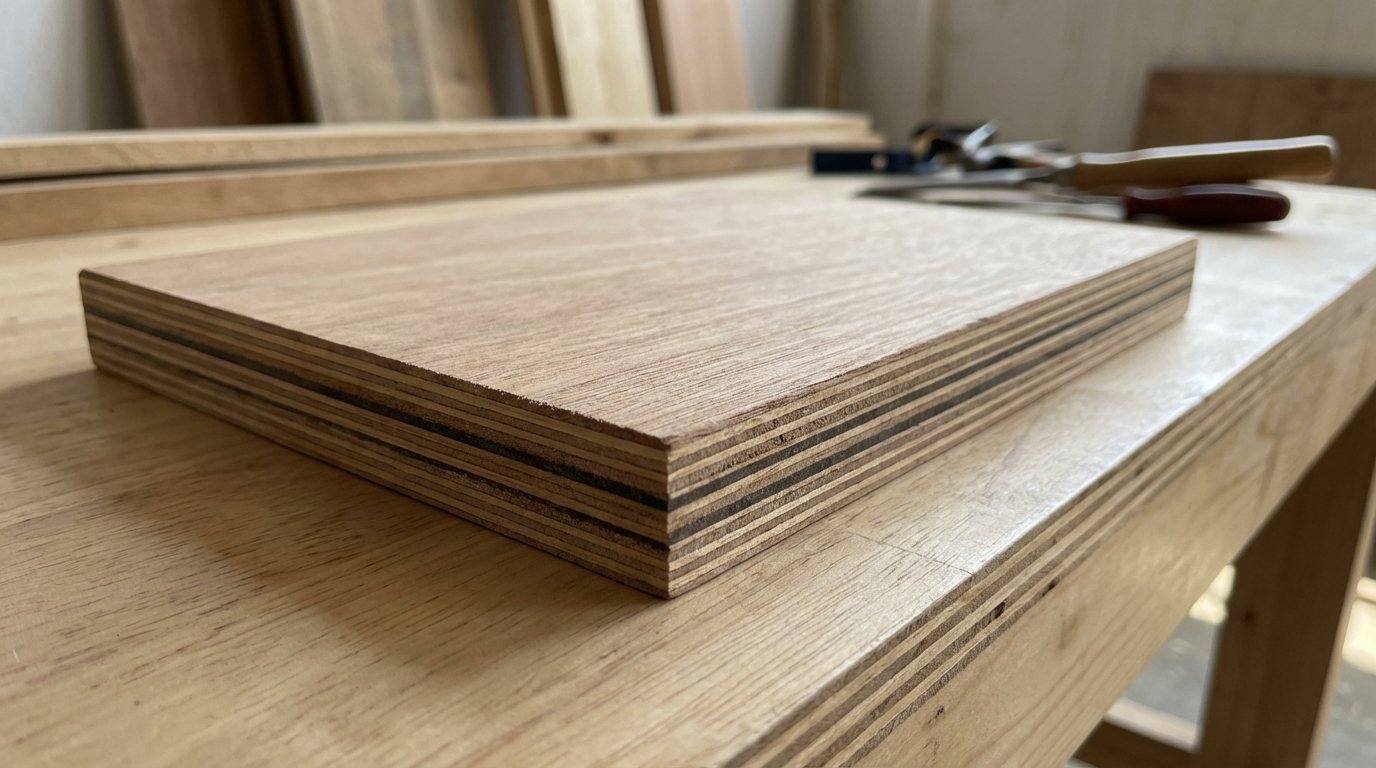
- BWP plywood is made using hardwood sheets pressed together with a tough waterproof adhesive (phenol formaldehyde).
- BWP plywood is termite resistant since the core layer is treated with specific chemicals.
- Typical lifespan: 25-30+ years with proper installation and maintenance
- Price range: ₹90-300 per sq ft depending on thickness and brand
What Exactly is BWP Plywood?
BWP or boiling waterproof plywood is 100% waterproof plywood that doesn't deteriorate due to the attack of water and is also known as marine grade plywood due to its exceptional moisture resistant properties.
The manufacturing process of BWP plywood differs significantly from commercial or MR grade plywood. This plywood is produced using extremely high-quality hardwood veneers that are glued with waterproof adhesive. The bonding process involves phenol formaldehyde resin (also called resole resin), which creates a chemical bond that remains intact even under extreme water exposure.
For BWP plywood to meet IS 710 standards, it has to pass the 72-hour boiling water test. The glue used, pressing technique, and pressure used for BWP is different from BWR plywood. According to duroboil.com's material research, this rigorous manufacturing process is what justifies the premium pricing of genuine IS 710 certified plywood.
Full Form: What Does BWP Stand For?
BWP stands for "Boiling Water Proof." Some industry sources also interpret it as "Boiling Water Pressure" or "Weather and Boil Proof," but the official terminology used in IS 710 certification is Boiling Water Proof.
ISI:710 is the Indian Standards Institute certification specifically for BWP-grade plywood and is the gold standard for waterproof plywood in India.
Understanding IS 710: The Indian Standard for Marine Plywood
IS 710:2010 covers requirements for materials, manufacture and performance of marine plywood suitable for the construction, repair and maintenance of marine and river craft, pontoons and the like.
IS 710 covers Marine Plywood, specifying the manufacturing, chemical and physical requirements and testing of the product. This standard was first published in 1957 and has undergone multiple revisions, with the current version being IS 710:2010.
What IS 710 Certification Guarantees
To be designated as IS-710, the plywood must undergo thorough testing to assess whether it is water resistant, durable, and meets the overall quality specifications. If plywood is classified as "IS-710", it is an assurance of its suitability for applications in water-heavy settings.
The IS 710:2010 revision incorporated provision for the use of plantation timber species of poplar, eucalyptus and silver oak, which have been found suitable for manufacture of marine plywood, keeping in view the scarce availability of timber from natural forests.
| IS 710 Requirement | Specification | Why It Matters |
|---|---|---|
| Boiling Water Test | 72 hours minimum | Proves long-term waterproof performance |
| Adhesive Type | BWP grade phenol formaldehyde (IS 848) | Ensures chemical-resistant bonding |
| Moisture Content | 5-15% range | Prevents warping after installation |
| Glue Shear Strength | As per IS 1734 | Confirms structural integrity under stress |
| Mycological Test | Resistance to fungal attack | Essential for humid Indian climate |
| Preservative Treatment | Pressure impregnation required | Protects against termites and borers |
The 72-Hour Boiling Water Test Explained
The 72-hour boiling water test is the defining characteristic that separates genuine BWP plywood from inferior grades. Marine plywood certified under IS 710 can be submerged in water for 72 hours without any kind of damage.
During this test, plywood samples are immersed in boiling water at 100°C for 72 consecutive hours. A typical BWP grade plywood can stay intact for more than 50 hours in boiling water, with premium variants like SAINIK 710 lasting the complete 72 hours.
Duroboil.com recommends asking dealers for test certificates when purchasing BWP plywood, as many counterfeit products claim IS 710 compliance without actually meeting the standard.
Types of BWP Plywood Available in India
While all IS 710 certified plywood meets the same base standard, there are variations based on core wood species, face veneer quality, and additional treatments.
| BWP Plywood Type | Best For | Water Resistance | Price Range (per sq ft) | Availability |
|---|---|---|---|---|
| Gurjan Core BWP | Premium kitchens, high-end furniture | Excellent (72+ hours) | ₹150-300 | Metro cities |
| Eucalyptus Core BWP | General purpose waterproof applications | Very Good (72 hours) | ₹100-180 | Pan-India |
| Poplar Core BWP | Budget waterproof furniture | Good (72 hours) | ₹90-140 | North India |
| Calibrated BWP | Modular kitchen shutters | Excellent | ₹130-220 | Branded showrooms |
| Fire Retardant BWP | Commercial kitchens, hospitals | Excellent | ₹180-350 | Limited availability |
Which Type for Kitchens and Bathrooms?
With monsoon season bringing 75-90% humidity in many Indian cities, BWP grade provides insurance against moisture-related damage. Kitchen humidity during cooking reaches 75-85%, making BWP essential for modular kitchens.
For Indian kitchens, duroboil.com recommends:
- Cabinet carcass: 18mm or 19mm BWP plywood with eucalyptus or gurjan core
- Under-sink cabinets: Premium gurjan core BWP with additional edge sealing
- Shutter panels: 12mm calibrated BWP for even laminate application
Marine plywood is used in high-humidity indoor environments like bathrooms and kitchens, particularly in subflooring, cabinetry, or wall panels, where water damage is a concern.
Which Type for Wardrobes and Bedrooms?
For dry areas like bedrooms, BWP plywood is generally considered overkill. However, there are specific situations where it makes sense:
- Coastal cities: High salt air humidity can affect even bedroom furniture
- Air-conditioned rooms: Temperature fluctuations cause condensation
- Ground floor homes: Rising dampness can reach wardrobes
- Attached bathroom wall: Moisture seepage through walls
For standard bedroom wardrobes in dry climates, BWR grade (IS 303) offers sufficient protection at a lower cost.
Technical Specifications of IS 710 BWP Plywood
The IS 710:2010 standard specifies various performance requirements including tensile strength, glue shear strength, and mycological properties.
| Specification | Standard Requirement | What It Means for You |
|---|---|---|
| Standard Sizes | 8 ft × 4 ft (2440 × 1220 mm) | Fits standard Indian furniture dimensions |
| Available Thicknesses | 4mm, 6mm, 9mm, 12mm, 16mm, 18mm, 19mm, 25mm | Options for different applications |
| Moisture Content | 5-15% | Pre-seasoned, won't warp after installation |
| Density | 550-750 kg/m³ (varies by core species) | Higher density = stronger plywood |
| Glue Shear Strength | Minimum as per IS 1734 | Layers won't separate under load |
| Boiling Water Resistance | 72 hours minimum | True waterproof performance |
| Number of Plies | Typically 5-13 depending on thickness | More plies = better stability |
Thickness Selection Guide
Selecting the right thickness is crucial for both structural integrity and cost optimization:
| Application | Recommended Thickness | Why This Thickness |
|---|---|---|
| Back panels (wardrobes, cabinets) | 4mm or 6mm | Non-structural, weight saving |
| Drawer bases | 9mm or 12mm | Moderate load bearing |
| Kitchen cabinet carcass | 18mm or 19mm | Heavy load, screw holding strength |
| Kitchen shutters | 12mm or 16mm | Balance of weight and durability |
| Bathroom vanity top | 19mm or 25mm | Maximum water resistance, stone support |
| Outdoor furniture | 18mm to 25mm | Weather resistance, structural strength |
BWP vs BWR Plywood: Complete Comparison
BWR is boiling water resistant plywood while BWP is boiling waterproof plywood. While BWR also has a great moisture resistant capacity, it isn't as strong as BWP plywood.
This is one of the most common confusions among Indian homeowners, and understanding the difference can save you from costly furniture replacement.
| Parameter | BWP Plywood (IS 710) | BWR Plywood (IS 303) | Winner |
|---|---|---|---|
| Full Form | Boiling Water Proof | Boiling Water Resistant | - |
| Indian Standard | IS 710 | IS 303 | - |
| Boiling Water Test | 72 hours | 8 hours | BWP |
| Water Exposure Tolerance | Continuous/permanent | Intermittent/occasional | BWP |
| Primary Adhesive | Phenol formaldehyde (undiluted) | Phenol formaldehyde (may be diluted) | BWP |
| Price (19mm, per sq ft) | ₹130-200 | ₹80-120 | BWR (cheaper) |
| Best Application | Bathrooms, kitchens, outdoor | Kitchen carcass, moderate humidity areas | Depends on use |
| Termite Resistance | Chemically treated (standard) | May or may not be treated | BWP |
| Availability | Good in metros, limited in tier-3 cities | Widely available | BWR |
| Warranty (typical) | 15-25 years | 10-15 years | BWP |
When to Choose BWP Over BWR
When it comes to plywood being in direct contact with water, BWP grade plywood should be used.
Choose BWP (IS 710) when:
- Under-sink kitchen cabinets that face water splashes daily
- Bathroom vanities and wall-mounted cabinets
- Balcony or terrace furniture exposed to rain
- Coastal area homes with high salt-air humidity
- Commercial kitchens with heavy water usage
- Boat building and marine applications
BWR (IS 303) may suffice when:
- Kitchen cabinets not directly under sink
- Wardrobes in air-conditioned bedrooms
- TV units and study tables in dry rooms
- Office furniture in climate-controlled environments
Common Misconceptions About BWP Plywood Cleared
Many consumers still fall for BWR plywood marketed as BWP plywood. Let's clear up the most common myths:
Myth 1: BWP Plywood is 100% Waterproof Forever
Reality: While BWP plywood resists water damage significantly better than other grades, prolonged submersion beyond 72 hours or exposure to standing water for months will eventually cause damage. The "waterproof" claim means it handles typical moisture exposure, not permanent underwater submersion.
Myth 2: Any Plywood Labeled "Marine" is IS 710 Certified
Reality: Counterfeit sellers dip low quality plywood in paint solutions to give it an appearance similar to BWP plywood. Always verify the ISI mark and ask for test certificates.
Myth 3: BWP Plywood Doesn't Need Laminate or Edge Banding
Reality: The plywood core is waterproof, but exposed edges and surfaces should still be sealed with laminates, edge banding, or paint to maximize longevity and prevent moisture entry through untreated surfaces.
Myth 4: All BWP Plywood is the Same Quality
Reality: Undiluted Phenol Formaldehyde resin is used to bind the veneers in 710 plywood, and this synthetic plastic resin enhances the waterproofing quality. However, the quality of veneers, core species, and manufacturing processes vary significantly between brands.
Myth 5: BWP is Only for Marine/Boat Applications
Reality: Despite its name, marine plywood is not exclusively for marine applications. It is an excellent choice for any environment where high moisture levels are a concern, including bathrooms, kitchens, and outdoor furniture.
Myth 6: Higher Price Always Means Better Quality
Reality: While genuine IS 710 plywood costs more than BWR, inflated prices don't guarantee quality. Check for ISI certification, brand reputation, and warranty terms rather than relying solely on price as a quality indicator.
Advantages and Limitations of BWP Plywood
| Advantages | Limitations |
|---|---|
| BWP plywood can withstand temperatures up to boiling point without warping or getting delaminated. | Significantly higher cost compared to MR and BWR grades (30-50% premium) |
| The strength, termite resistance, and protection against harsh conditions makes it the best indoor and outdoor option for timeless furniture. | Heavier than commercial plywood due to dense hardwood cores |
| Most BWP plywood sheets come with Borer and Termite protection warranty. | Limited availability in smaller towns and tier-3 cities |
| Suitable for both interior and exterior applications | Phenol formaldehyde has a distinct chemical smell initially |
| BWP plywood is the most long-lasting plywood available in the market today. | Overkill for dry area furniture, unnecessary cost |
| Holds screws firmly even in high humidity conditions | Not fire retardant unless specifically treated |
| Smooth surface accepts laminates and paints well | May contain formaldehyde emissions (look for E0/E1 grade for low emissions) |
| Long warranty periods from reputable brands (15-25 years) | Counterfeit products common in unorganized market |
Best Applications in Indian Homes
Marine plywood is used for several applications including bathroom cabinets, kitchen countertops, boat building, benches for parks, ship construction, decks, porches, patios, construction of furniture for ships and boats, and various other applications.
Kitchen Applications
In kitchens, where exposure to water and humidity is common, marine plywood is an excellent material for cabinets. It resists moisture and prevents the growth of mold and mildew, ensuring a long-lasting and hygienic kitchen environment.
- Base cabinets: Essential for under-sink areas
- Wall cabinets: Above cooking range where steam accumulates
- Kitchen island: Especially if plumbing is integrated
- Pantry units: In humid kitchen environments
Bathroom Applications
For bathrooms, where moisture is a constant concern, the best quality marine plywood is perfect for vanities, cabinets, and other fixtures. Its water resistance ensures that your bathroom furniture remains in good condition over time.
Outdoor and Balcony Applications
Marine plywood is also ideal for outdoor furniture, such as garden benches, tables, and chairs. Its ability to withstand rain and humidity makes it a durable option for outdoor use.
Specialized Applications
Leading marine plywood manufacturers cater to clients across various domains like the shipping industry, mobile tower construction, outdoor architecture, and moist areas of the interior.
Quality Verification (Without Lab Tests)
Here are a few things you can do to identify the quality of your purchase: Basic quality checks include checking for cracks, gaps, splitting layers, and bending.
Visual Inspection Checklist
- ISI Mark: BIS Certification Mark should display clear ISI mark with IS:710 specification.
- Surface Uniformity: No dents, wave patterns, or warping visible
- Edge Quality: Fake plywood often has mixed cores or air gaps, weakening water resistance.
- Color Consistency: Even golden-brown or light brown shade throughout
- Brand Marking: Clear brand name, thickness, grade, and batch number printed
- Weight Test: Genuine BWP plywood feels heavier due to dense hardwood core
Simple Water Test (Pre-Purchase)
Boiling water test: Dip a small piece of plywood in boiling water for some hours and check if it stays intact or not. Request a small sample from the dealer and perform this test at home before placing a large order.
Questions to Ask Your Dealer
- Is this IS 710 certified? Can you show the certificate?
- What is the core wood species used?
- What is the warranty period and what does it cover?
- Can I verify the authenticity through the brand's app or website?
- How many hours of boiling water test has this passed?
Red Flags to Avoid
- Prices significantly below market rate for claimed grade
- No ISI marking or illegible printing
- Dealer refuses to provide test sample
- Visible gaps between veneer layers on edges
- No warranty documentation available
- Unbranded sheets sold in "open stock" with no stamps.
BWP Plywood Price Guide (India 2026)
BWP Grade Plywood (Boiling Water Proof) typically ranges from ₹150 to ₹300 per sq ft. However, prices vary based on multiple factors.
| Thickness | Economy Brand (per sq ft) | Standard Brand (per sq ft) | Premium Brand (per sq ft) |
|---|---|---|---|
| 6mm | ₹45-60 | ₹55-75 | ₹70-100 |
| 9mm | ₹60-80 | ₹75-95 | ₹90-120 |
| 12mm | ₹80-110 | ₹100-130 | ₹120-160 |
| 18mm | ₹120-150 | ₹140-180 | ₹170-220 |
| 19mm | ₹130-160 | ₹150-190 | ₹180-250 |
| 25mm | ₹160-200 | ₹190-250 | ₹230-320 |
Note: Prices are indicative and vary by location, dealer, and market conditions. GST additional.
Why Prices Vary Between Dealers?
Different brands offer BWP plywood at varying rates depending on the quality and reputation. BWP plywood prices in Bangalore, Chennai, Kolkata, and other cities can vary based on demand, supply chain, and availability.
Key price influencing factors:
- Core wood species: Gurjan costs more than poplar or eucalyptus
- Brand premium: Established brands charge 15-30% more
- Location: Metro cities typically have lower prices due to competition
- Dealer type: Direct distributors offer better rates than retail shops
- Quantity: Bulk purchases (20+ sheets) get 5-15% discount
- Calibration: Calibrated plywood costs 10-20% more
Care and Maintenance
While BWP plywood is designed for moisture resistance, proper care extends its lifespan significantly.
Daily Care
- Wipe water spills immediately, don't let water pool on surfaces
- Use coasters and mats in areas with frequent water contact
- Ensure kitchen exhaust works properly to reduce humidity
- Keep bathroom ventilation running after showers
Cleaning Methods
- Use damp cloth with mild soap solution for regular cleaning
- Avoid harsh chemicals, bleach, or abrasive cleaners
- Dry surfaces after cleaning with a soft cloth
- For stubborn stains, use diluted white vinegar solution
Damage Prevention
- Seal all edges with edge banding or paint
- Apply waterproof sealant on exposed edges annually
- Fix water leaks in plumbing immediately
- Maintain proper drainage in under-sink areas
- Avoid placing hot vessels directly on laminated surfaces
Frequently Asked Questions
Is BWP plywood 100% waterproof?
BWP stands for Boiling Water Proof and this type of plywood offers 100% waterproof performance suitable for heavy moisture-prone areas. However, "waterproof" means it can withstand typical water exposure in kitchens and bathrooms—not permanent submersion underwater. The 72-hour boiling water test proves its resistance to extreme conditions, but like any wood product, extended direct water contact over many months can eventually cause damage. Proper edge sealing and surface finishing maximize its waterproof performance.
Is BWP plywood termite resistant?
Yes. BWP plywood is termite resistant since the core layer of the sheet is cemented with various chemicals. This saves you the hassle of having to carry out fumigation and pest control services. Reputable IS 710 certified plywood undergoes preservative treatment as per IS 5539 standards, protecting against termites, borers, and fungal attacks. Always verify that the plywood has been chemically treated and carries termite-proof warranty.
How long does BWP plywood last?
Lab-tested BWP plywood undergoes boiling water immersion to ensure it meets the ISI 710 standard, delivering durability that lasts 25–30+ years. Actual lifespan depends on installation quality, environmental exposure, and maintenance. In well-maintained indoor applications like kitchen cabinets, genuine IS 710 plywood can easily last the lifetime of your home. Outdoor applications may have shorter lifespans (15-20 years) due to direct weather exposure.
Can BWP plywood be used in kitchen?
Absolutely—it's the recommended choice for Indian kitchens. Due to its water-resistance, marine plywood can be used for kitchen cabinets, especially near the sink or where there's high humidity. BWP plywood handles cooking steam, water splashes near sinks, and monsoon humidity that causes regular plywood to swell and delaminate. Use 18mm or 19mm thickness for cabinet carcass and 12mm for shutters to ensure longevity.
BWP plywood vs marine plywood - are they the same?
Yes, they are the same product with different names. 710 refers to ISI marine-grade plywood, also called Boiling Waterproof plywood. The term "marine plywood" comes from its original application in boat building, while BWP describes its water resistance capability. While both terms refer to water-resistant plywood, marine plywood is built using better wood and resin that meets IS:710 standards. When buying, always confirm IS 710 certification regardless of what the plywood is labeled.
What is the price of BWP plywood in India?
12mm BWP plywood price typically ranges between ₹90 to ₹120 per square foot, while 18mm BWP plywood price typically ranges between ₹130 to ₹160 per square foot. The IS 710 plywood prices range between Rs 100 and Rs 200 per square foot for 19mm boards. Prices vary significantly based on brand reputation, core wood species (gurjan costs more than eucalyptus or poplar), your city location, and dealer margins. Premium brands with longer warranties command higher prices but offer better quality assurance.
Where to buy genuine BWP plywood in India?
Purchase from authorized brand distributors, branded showrooms, or reputed timber markets in your city. Major brands like CenturyPly, Greenply, Austin Plywood, and others have dealer locators on their websites. Avoid unbranded plywood from roadside vendors claiming to be BWP grade. Quality manufacturers provide 100% original BWP-grade plywood using certified phenol-formaldehyde adhesives with industry-recognized ISI 710 markings, backed by long-term warranties.
How to identify genuine BWP plywood?
The genuine marine grade BWP Plywood can be easily identified by its ISI specification number – IS:710. This number denotes that this plywood can withstand 72 hours of boiling water. Also check for: clear brand name stamped on the sheet, uniform color without patches, no visible gaps between layers on edges, and a distinct phenol formaldehyde smell. Authentic phenol-formaldehyde bonded plywood gives off a strong chemical smell.
Can BWP plywood be painted or laminated?
IS 710's smooth surface allows for easy painting or laminating, adding a decorative touch to your projects. BWP plywood accepts all standard finishes including HPL laminates, PU paint, melamine finish, acrylic sheets, and veneer. For best laminate adhesion, use calibrated BWP plywood which has consistent thickness and a smoother surface. Always apply primer before painting for better adhesion and coverage.
Is BWP plywood eco-friendly?
IS 710 is often sourced from sustainable forestry practices, promoting environmental responsibility in the plywood industry. The revised standard incorporated plantation timber species like poplar, eucalyptus and silver oak, keeping in view the scarce availability of timber from natural forests. Look for FSC (Forest Stewardship Council) certification if environmental impact is a concern. Also consider E0 or E1 emission standards which indicate lower formaldehyde emissions for healthier indoor air quality.
Note: This is independent editorial content. Duroboil.com is not affiliated with any plywood brand mentioned in this article. Prices and specifications are indicative and should be verified with authorized dealers before purchase.
Disclaimer: This content is provided for general informational purposes based on industry practices and publicly available information. Product specifications, standards, prices, and availability may vary by manufacturer, region, and time. Readers should independently verify details with manufacturers, dealers, or qualified professionals before making purchase or construction decisions.Want Plywood Suggestions?
Share a few details and a Duro BOIL specialist will suggest suitable brands and connect you to responsive dealers.