Types of Veneer: Natural, Engineered & Reconstituted - Complete Guide
All types of veneer explained - natural, engineered & reconstituted. Learn cut types, wood species, prices & applications for furniture and interiors.
Quick Answer
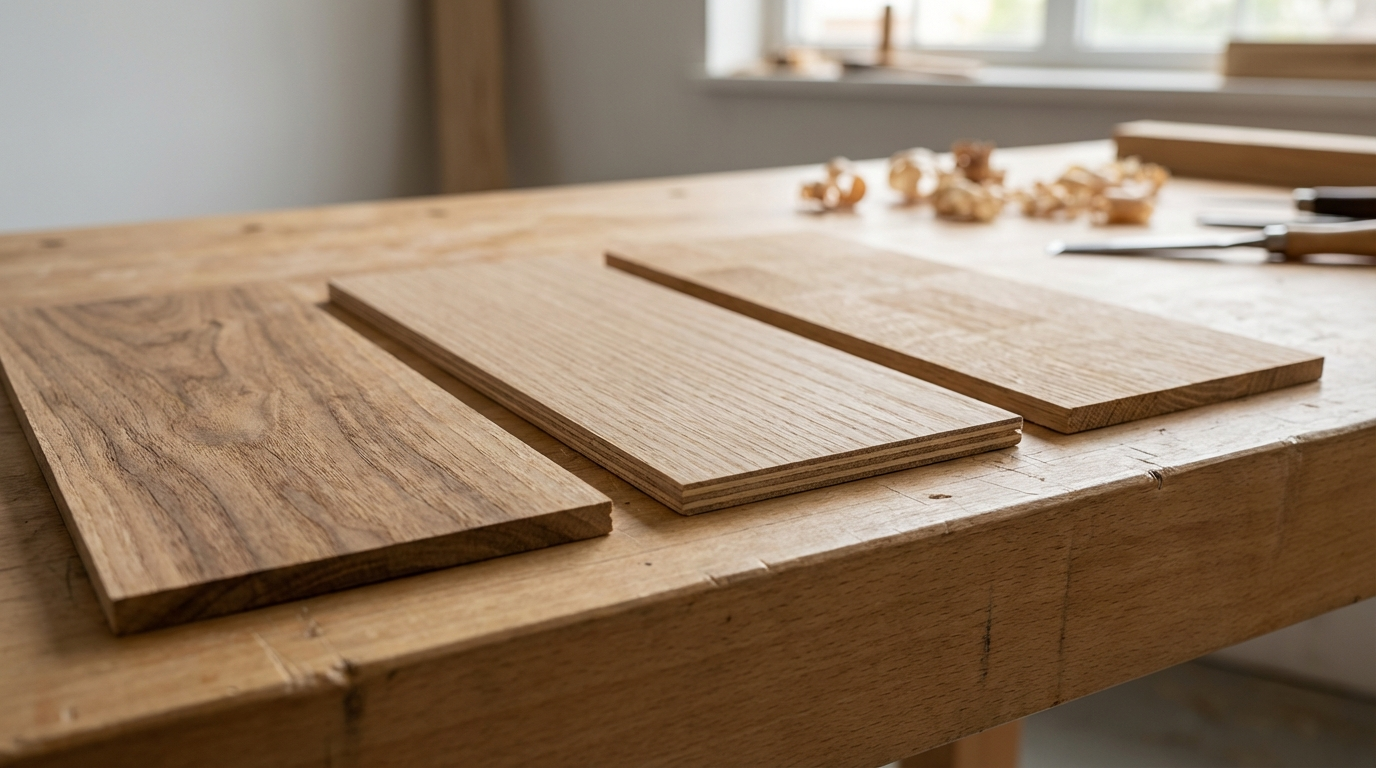
Veneer is a thin slice of real wood, typically 0.5mm to 0.6mm thick, bonded to substrates like plywood or MDF to provide the authentic beauty of natural wood at a fraction of solid wood cost. In simple terms, veneer allows you to enjoy genuine teak, walnut, or oak aesthetics on your furniture without using entire logs of expensive timber.
According to duroboil.com's material experts, understanding veneer types is essential for making informed interior decisions. Whether you're renovating a modular kitchen or designing premium office interiors, the right veneer choice determines both aesthetics and longevity.
- Natural veneer comes from real wood logs with unique grain patterns
- Engineered veneer (also called reconstituted veneer) is made from fast-growing trees, dyed and restructured to mimic exotic species
- Standard thickness in Indian market: 0.5mm to 0.6mm
- Common sizes: 8×4 feet and 4×10 feet sheets
- Price range: ₹75-250 per sq ft depending on species and type
- Teak veneer dominates the Indian market with approximately 50% share
What Exactly is Veneer?
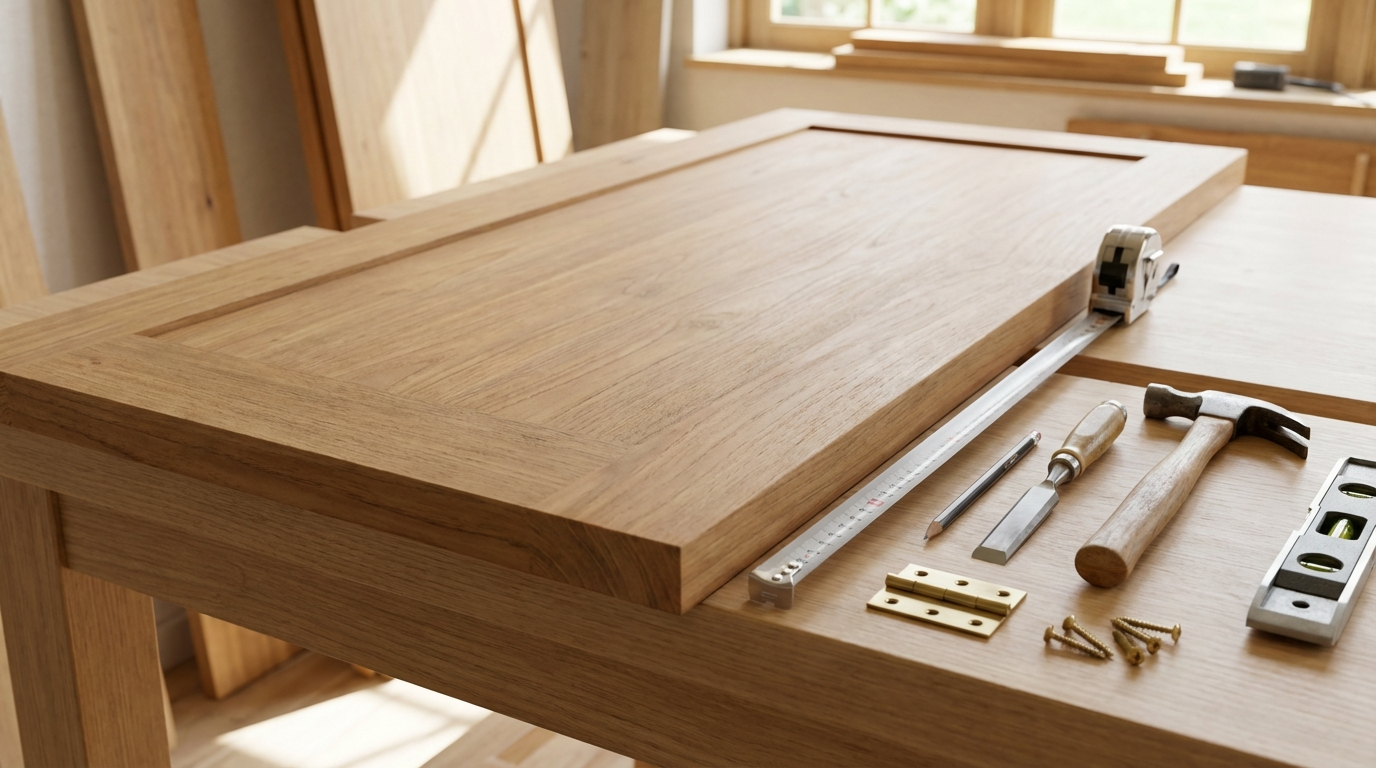
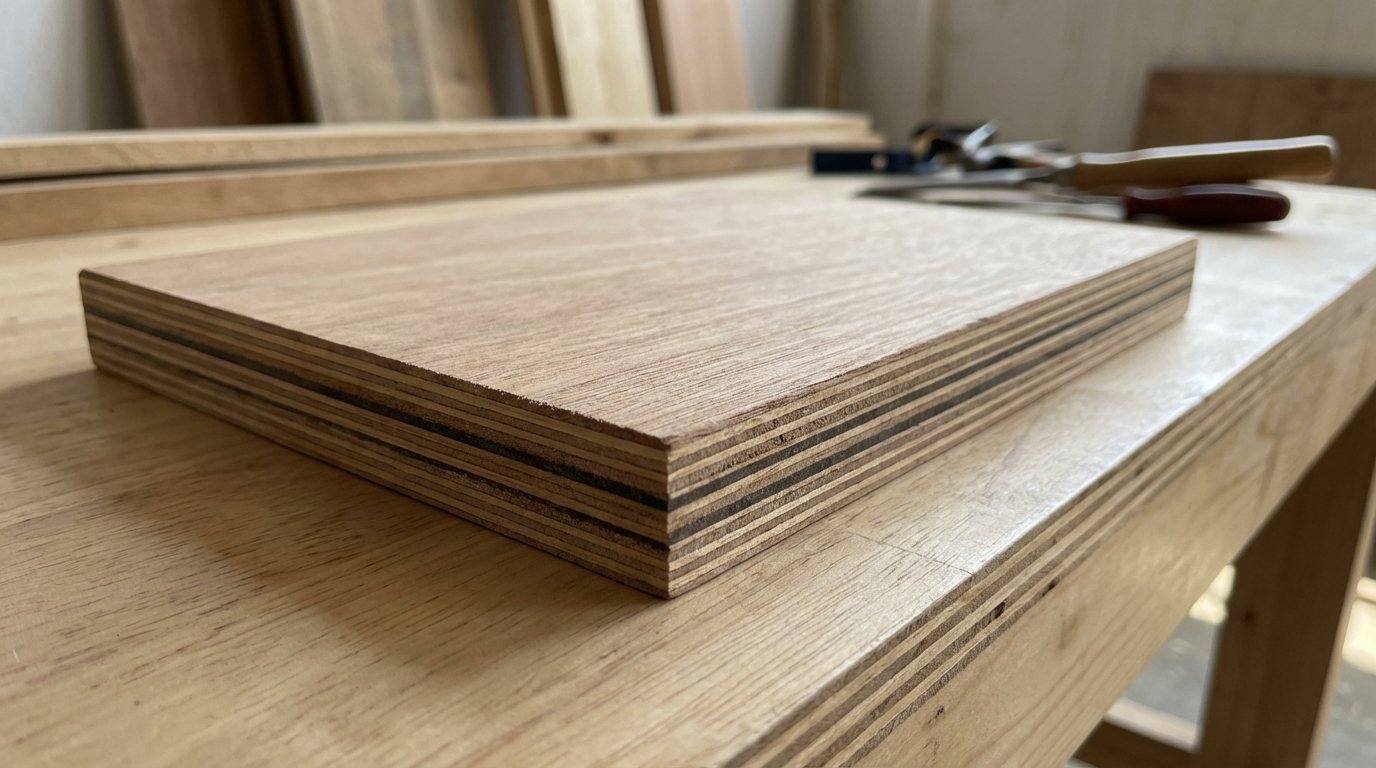
Wood veneer is a thin layer of real wood that is bonded to a core substrate material such as plywood, MDF, or particleboard. This process allows furniture manufacturers to achieve the luxurious appearance of solid wood while significantly reducing material costs and weight.
The veneer manufacturing process begins with selecting high-quality logs, which are then steamed to soften the wood fibers. Using specialized cutting equipment, these logs are sliced or peeled into extremely thin sheets that preserve the natural grain patterns, textures, and color variations of the original tree.
In India, veneer has become the preferred choice for premium furniture and interior applications. The material offers the warmth and natural beauty of real wood while being more sustainable—one log can produce dozens of veneer sheets compared to a few solid wood planks.
Full Form: What Does Veneer Stand For?
The word "veneer" originates from the German word "furnieren," meaning to overlay or furnish. In the furniture and interior industry, it refers specifically to thin slices of wood used as a decorative surface layer. There is no acronym associated with veneer—it is simply the industry-standard term for these decorative wood sheets.
Common terminology used in Indian timber markets includes "veneer sheet," "face veneer," and "decorative veneer." You may also hear carpenters refer to it as "ply-ka-face" in Hindi-speaking regions.
Types of Veneer Available in India
The Indian decorative veneer market offers three primary categories: natural veneer, engineered veneer (reconstituted), and specialty treated veneers. Each type serves specific design requirements and budget considerations.
Natural Wood Veneer
Natural veneer is produced by slicing thin sheets from logs of real wood, preserving the tree's original grain patterns, textures, and color variations. This type offers unmatched authenticity and is the preferred choice for high-end projects demanding true wood beauty.
Each sheet of natural veneer displays unique characteristics including natural blemishes like knots, mineral streaks, and pitch pockets that add depth and authenticity. No two sheets are identical, making natural veneer ideal for luxury residences, premium hotels, and executive offices where exclusivity matters.
Popular natural veneer species in India include:
- Teak (Burma Teak): Golden honey brown to deep brown, high oil content, excellent durability
- Walnut (American Walnut): Light gray-brown to chocolate brown, medium density, fine texture
- Oak (White/Red Oak): Light brown with distinctive grain, medium to coarse texture
- Sapele: Reddish-brown with ribbon-like grain pattern
- Ash: Light colored with prominent grain, excellent for contemporary designs
- Wenge: Dark brown to black, distinctive striped pattern
Engineered Veneer (Reconstituted Veneer)
Engineered wood veneer, also known as reconstituted veneer or recomposed veneer, is manufactured by processing thin sheets of fast-growing tree species. This type involves cutting and dyeing wood fibers before gluing them together to form blocks that are re-sliced into consistent sheets.
The manufacturing process allows for greater consistency in color and grain patterns compared to natural veneers. This uniformity makes engineered veneers ideal for large-scale projects where matching aesthetics across multiple surfaces is essential.
Base materials typically used for engineered veneer production include poplar, ayous (obeche), and basswood. These fast-growing species are chosen for their versatility and ability to be transformed into stunning designs that replicate expensive or rare wood species.
Specialty Treated Veneers
Beyond the basic categories, the Indian market offers several specialty veneer treatments that create unique visual effects:
Smoked/Fumed Veneer: Created by exposing wood to ammonia vapours in a sealed chamber for 3-4 weeks. This process darkens the fibers and enhances natural grain, producing rich chocolate brown tones. The color is highly resistant to aging and light effects.
Dyed Veneer: Natural veneer immersed in colorant solutions to achieve consistent depth of color throughout the thickness. Available in virtually any color while maintaining visible wood grain.
Steamed Veneer: Processed with hot water for light-colored woods, producing a soft pink color. Commonly used with sycamore and beech for rosy-toned interiors.
| Veneer Type | Best For | Consistency | Price Range (₹/sq ft) | Availability in India |
|---|---|---|---|---|
| Natural Veneer | Luxury projects, unique aesthetics | Variable (unique patterns) | ₹100-250+ | Good (metros and tier-1 cities) |
| Engineered/Reconstituted | Large-scale projects, budget-conscious | High (uniform patterns) | ₹75-150 | Excellent (widely available) |
| Smoked/Fumed | Premium dark-tone interiors | Moderate | ₹150-300 | Limited (specialty dealers) |
| Dyed Veneer | Contemporary colored designs | High | ₹120-200 | Good (branded showrooms) |
Which Type for Kitchens and Bathrooms?
For moisture-prone areas like kitchens and bathrooms, engineered veneer with proper sealing offers better performance. Natural veneer can be used but requires additional protective coatings and careful maintenance. Always ensure the veneer is applied on moisture-resistant substrates like BWR or BWP plywood.
Duroboil.com recommends avoiding veneer in areas with direct water contact (sink splashbacks, shower walls). For kitchen cabinet shutters and bathroom vanity fronts, properly finished veneer works well if humidity is controlled through adequate ventilation.
Which Type for Wardrobes and Bedrooms?
Bedrooms and wardrobes are ideal applications for both natural and engineered veneer. The controlled indoor environment with minimal moisture exposure allows natural veneer to maintain its beauty for decades. For budget-conscious projects, engineered veneer in oak or walnut patterns delivers excellent value.
Veneer Cutting Methods Explained
The cutting technique used during veneer production significantly impacts the final grain pattern and visual appeal. Understanding these methods helps you specify the exact look you want for your project.
Rotary Cut Veneer
In rotary cutting, the log is placed in a lathe and turned against a broad cutting knife, peeling off a continuous sheet of veneer similar to unrolling paper towels. This method produces large pieces of veneer with bold, random grain patterns and is the most cost-effective cutting technique.
Rotary cut veneer is commonly used for plywood face veneers and utility applications where consistent pattern matching is not critical. It offers the highest yield from each log but produces less refined aesthetics compared to sliced methods.
Plain Sliced (Flat Cut/Crown Cut) Veneer
The log is cut in half and sliced vertically from core to exterior, showing the annual growth pattern. This produces the classic cathedral grain pattern that varies from year to year within the tree's growth. Plain slicing is the most common process for decorative veneer manufacturing.
This method creates long, wide leaves with prominent cathedral patterns—perfect for wall panels, doors, and furniture where the natural wood character should be showcased.
Quarter Sliced Veneer
The log is quartered and sliced perpendicular to the growth rings, producing a straight grain appearance with distinctive stripe patterns. Quarter slicing creates narrower veneer leaves but offers easily matchable pieces for architectural applications.
In species like oak, this method reveals decorative "flake" patterns created by the knife bisecting medullary rays. Quarter sliced veneer is typically more expensive due to lower yield but is preferred for cabinetry, flooring, and high-end custom furniture.
Rift Cut Veneer
Rift cutting slices the veneer at approximately 15 degrees off the quartered position to produce straight, striped grain while avoiding the flake patterns. This method is primarily used for oak species where designers prefer uniform straight grain without visible medullary ray patterns.
Rift cut veneer yields the least material from each log, making it the most expensive cutting method. However, it offers the most consistent appearance and is often used for fine furniture requiring long, straight grain lines.
| Cutting Method | Grain Pattern | Cost | Best Applications | Yield |
|---|---|---|---|---|
| Rotary Cut | Bold, variegated, random | Lowest | Plywood faces, utility panels | Highest |
| Plain Sliced (Crown Cut) | Cathedral pattern | Moderate | Wall panels, doors, furniture | High |
| Quarter Sliced | Straight stripes, flake pattern | High | Cabinets, flooring, fine furniture | Low |
| Rift Cut | Tight straight grain, no flake | Highest | Premium furniture, matching projects | Lowest |
Technical Specifications
Understanding veneer specifications helps you communicate precisely with dealers and ensure you receive the right product for your application.
| Specification | Standard Values | What It Means for You |
|---|---|---|
| Thickness | 0.4mm, 0.5mm, 0.6mm (standard); 1mm-3mm (thick) | 0.5mm is most common in India; thicker veneers allow light sanding and repairs |
| Sheet Size | 8×4 feet (2440×1220mm); 4×10 feet (3050×1220mm) | Standard sizes match plywood/MDF substrates; custom sizes available at premium |
| Backing Type | Raw, Paper-backed, Fleece-backed, Phenolic-backed | Paper/fleece backing provides flexibility for curves; phenolic resists moisture |
| Grain Direction | Horizontal, Vertical | Impacts visual flow and pattern matching across surfaces |
| Moisture Content | 8-12% | Lower moisture content ensures better bonding and prevents warping |
Indian Standard Sizes
In the Indian market, veneer sheets are typically available in 8×4 feet (standard plywood size) and 4×10 feet formats. Pre-veneered panels (veneer already applied to plywood or MDF substrate) come in standard thicknesses of 4mm, 6mm, 12mm, 18mm, and 25mm.
Edge banding veneer strips are commonly available in widths of 22mm, 25mm, and 45mm with lengths of 50 meters or 250 meters per roll.
Veneer Matching Techniques
Veneer matching is the process of aligning and assembling veneer leaves to create specific patterns or visual effects. The matching technique significantly impacts the final appearance of your furniture or paneling.
Book Matching
Consecutive leaves of veneer are flipped open facing each other like pages in a book, creating a mirror image of the previous leaf. The symmetrical pattern accentuates grain, figure, and decorative characteristics. Book matching is the most common technique and works excellently with plain and quarter sliced veneers.
One potential issue is the "barber pole" effect where alternating leaves reflect light differently, creating visible striping. Using dark transparent stains can help minimize this effect.
Slip Matching
Consecutive leaves of veneer are slid across each other and joined side by side without flipping, creating a repeating grain pattern. Since all leaves maintain the same orientation, slip matching produces uniform color and generally prevents the barber pole effect.
This technique works best with quarter cut and rift cut veneers for clean, straight-grain appearances commonly specified in contemporary interiors.
Random Matching
Veneer leaves are positioned without specific attention to aligning grain patterns, creating a more natural, board-like appearance. Random matching simulates the look of solid wood planking and is excellent for rustic or casual design schemes.
This method efficiently uses flitches with short leaves or inconsistent width, color, and grain—making it a cost-effective choice for large projects.
Common Misconceptions Cleared
Many homeowners and even some contractors hold incorrect beliefs about veneer. Let's address the most common myths:
Myth 1: Veneer is fake wood or plastic.
Reality: Veneer is 100% real wood, sliced thinly from natural logs. It offers genuine wood grain, texture, and warmth that synthetic materials cannot replicate.
Myth 2: Veneer doesn't last long.
Reality: Properly applied and maintained veneer furniture can last 20-30+ years. Many antique furniture pieces from the 18th and 19th centuries feature veneer that remains intact today.
Myth 3: Veneer cannot be repaired.
Reality: While thinner veneers (0.5mm) have limited repair options, thicker veneers (1mm+) can be lightly sanded and refinished. Minor scratches can be addressed with color-matched wood fillers and touch-up products.
Myth 4: Natural veneer is always better than engineered.
Reality: Each type serves different purposes. For large-scale commercial projects requiring perfect consistency, engineered veneer may actually be the superior choice.
Myth 5: All veneer looks the same.
Reality: With over 200 wood species available, multiple cutting methods, and various finishing treatments, veneer offers virtually unlimited design possibilities.
Myth 6: Veneer is not eco-friendly.
Reality: Veneer is actually more sustainable than solid wood—one log can produce dozens of veneer sheets versus a few solid planks. FSC-certified veneers further ensure responsible forestry practices.
Advantages and Limitations
Making an informed veneer choice requires understanding both benefits and drawbacks. Here's a balanced assessment:
Advantages of Veneer
- Authentic Wood Beauty: Real wood grain patterns and texture that synthetic materials cannot match
- Cost Efficiency: Premium wood aesthetics at 30-50% lower cost than solid wood furniture
- Sustainability: Maximizes timber yield—one log produces significantly more veneer than solid lumber
- Dimensional Stability: Unlike solid wood, veneer bonded to stable substrates doesn't warp or crack with humidity changes
- Design Flexibility: Available in exotic species, custom colors, and various matching patterns
- Lighter Weight: Veneer furniture is easier to move and handle compared to solid wood equivalents
- Consistent Availability: Engineered veneers ensure year-round supply regardless of timber availability
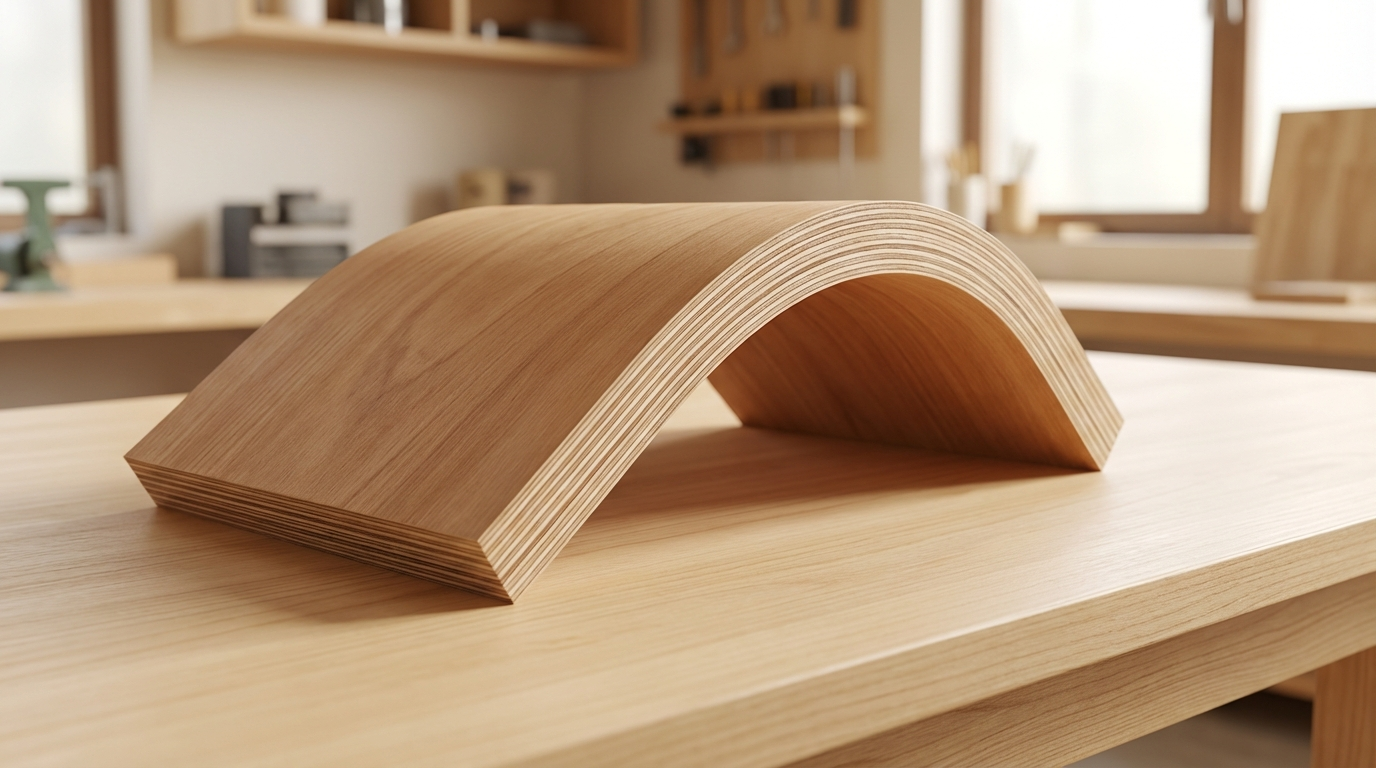
- Application Versatility: Can be applied to curved surfaces, columns, and complex shapes using flexible backing
Limitations of Veneer
- Surface Vulnerability: Thin veneer (0.5mm) cannot withstand deep scratches or significant impacts
- Limited Refinishing: Standard thickness veneer cannot be sanded multiple times like solid wood
- Moisture Sensitivity: Requires proper sealing and controlled environments; not suitable for direct water exposure
- Edge Treatment Needs: Exposed edges require edge banding or lipping to prevent peeling
- Quality Variation: Significant quality differences between manufacturers; requires careful supplier selection
- Skilled Application Required: Improper bonding leads to bubbling, peeling, and delamination
Best Applications in Indian Homes
Veneer finds extensive use across residential and commercial interiors. Here's a room-by-room guide for Indian conditions:
Living Room Applications
- TV unit backs and shutters
- Wall paneling and feature walls
- Centre table and side table tops (with protective glass)
- Display unit interiors
- Bar unit facades
Bedroom Applications
- Wardrobe shutter fronts
- Bed headboard panels
- Dressing table surfaces
- Study table tops
- Bedside table facades
Kitchen Applications
- Upper cabinet shutters (away from steam)
- Tall unit facades
- Breakfast counter cladding
- Kitchen island panels (non-working zones)
Note: Avoid veneer near cooking range, sink area, and dishwasher steam zones
Office/Commercial Applications
- Conference table surfaces
- Reception desk facades
- Cabin wall paneling
- Executive furniture
- Door faces and frames
India-Specific Climate Considerations
India's diverse climate requires careful veneer selection:
Coastal and High-Humidity Regions (Mumbai, Chennai, Kolkata): Use phenolic-backed veneers on BWP substrate with multiple coats of PU finish. Engineered veneer often performs better than natural due to consistent density.
Hot-Dry Regions (Delhi NCR, Rajasthan, Central India): Temperature fluctuations are less concerning than humidity. Natural veneer performs well with standard lacquer finishes.
Monsoon Precautions (Pan-India): Ensure adequate room ventilation, use moisture-resistant substrates, and maintain AC/dehumidification during peak monsoon months.
Quality Verification (Without Lab Tests)
When purchasing veneer, use these visual and tactile checks to assess quality:
Visual Inspection Checklist
- Grain Consistency: Check that grain pattern is uniform within each sheet (natural variation is acceptable, but patches or abrupt changes indicate poor quality)
- Color Uniformity: For engineered veneer, color should be consistent edge-to-edge; for natural veneer, gradual color variation is normal
- Surface Smoothness: Run your hand across—no rough patches, splinters, or raised fibers should be present
- Edge Quality: Edges should be clean-cut without fraying or chipping
- Thickness Uniformity: Sheet should be consistently thick throughout (check multiple points with calipers if possible)
- Backing Adhesion: For backed veneers, ensure backing is firmly attached without bubbles or loose spots
Questions to Ask Your Dealer
- What is the veneer thickness (actual, not including backing)?
- Is this natural or engineered/reconstituted veneer?
- What wood species is this (for natural) or what species does it replicate (for engineered)?
- What cutting method was used (rotary, plain sliced, quarter sliced)?
- Is the manufacturer FSC or PEFC certified?
- How long has this batch been in storage?
- Can I see multiple sheets from the same flitch for matching?
Red Flags to Avoid
- Veneer stored in damp conditions or direct sunlight
- Sheets with visible cracks or splits
- Peeling or bubbled backing
- Strong chemical odor indicating poor-quality adhesives
- Dealer unable to specify species or origin
- Significantly lower pricing than market average (quality compromise likely)
Care and Maintenance
Proper maintenance extends veneer life and preserves its beauty. Follow these guidelines:
Daily Care
- Dust with soft, dry microfiber cloth
- Wipe spills immediately—don't let liquids sit
- Use coasters under glasses and cups
- Avoid placing hot objects directly on veneer surfaces
Weekly Cleaning
- Wipe with slightly damp cloth followed by dry cloth
- Use pH-neutral wood cleaners—avoid harsh chemicals
- Never use abrasive scrubbers or steel wool
Periodic Maintenance
- Apply quality furniture wax or polish every 3-6 months
- Check edges for any lifting—address immediately with wood adhesive
- Reapply protective coating (lacquer/PU) every 3-5 years for high-use surfaces
Damage Prevention
- Use felt pads under objects placed on veneer surfaces
- Avoid dragging items across veneer
- Keep veneer away from direct sunlight to prevent fading
- Maintain room humidity between 40-60%
- Ensure adequate air circulation in monsoon months
Popular Veneer Species in India
The Indian market favors certain species based on aesthetic preferences, cultural significance, and availability:
| Species | Color | Grain Pattern | Price Range | Best Use |
|---|---|---|---|---|
| Teak (Burma) | Golden honey to deep brown | Straight to wavy | ₹150-250/sq ft | Premium furniture, main doors |
| American Walnut | Light gray-brown to chocolate | Straight to wavy | ₹120-200/sq ft | Modern furniture, wall panels |
| White Oak | Light tan to pale brown | Straight with flakes | ₹100-180/sq ft | Contemporary interiors, flooring |
| Red Oak | Pinkish-red to light brown | Prominent grain | ₹90-150/sq ft | Furniture, cabinets |
| Sapele | Reddish-brown | Ribbon striping | ₹100-160/sq ft | Doors, premium furniture |
| Ash (American White) | Creamy white to light brown | Prominent, straight | ₹90-140/sq ft | Scandinavian designs, light interiors |
| Wenge | Dark brown to black | Striped, straight | ₹140-220/sq ft | Accent pieces, contrast elements |
| Ebony (Recon) | Black | Fine, straight | ₹120-180/sq ft | Luxury accents, inlays |
Note: Prices are indicative and vary by region, dealer, and current market conditions. Always get fresh quotes from multiple sources.
Veneer vs Laminate: Key Differences
Indian buyers often confuse veneer with laminate (often called "sunmica" locally). Understanding the differences helps you make the right choice:
| Factor | Veneer | Laminate (HPL) |
|---|---|---|
| Material | Real wood (thin slice) | Synthetic (decorative paper + resin) |
| Appearance | Authentic wood grain, each piece unique | Printed pattern, identical repetition |
| Touch/Feel | Warm, natural wood texture | Smooth, plastic-like surface |
| Price Range | ₹75-250/sq ft | ₹15-80/sq ft |
| Scratch Resistance | Lower (requires careful use) | Higher (more durable surface) |
| Heat Resistance | Moderate | Good (up to certain limits) |
| Repairability | Can be refinished (thick veneer) | Cannot be repaired, only replaced |
| Eco-Friendliness | More sustainable (real wood) | Less sustainable (petroleum-based) |
| Best For | Premium look, living areas, offices | High-traffic areas, kitchens, rentals |
Frequently Asked Questions
Is veneer waterproof?
No, veneer is not waterproof. While the finishing applied on veneer (lacquer, PU coating) provides some moisture resistance, the underlying wood will absorb water if exposed. For areas with occasional water contact, use marine-grade plywood substrate with multiple coats of polyurethane finish. Avoid using veneer in bathrooms with direct shower splash or near kitchen sinks without proper protection.
Is veneer termite resistant?
Natural veneer is not inherently termite-resistant. However, the substrate (plywood/MDF) and finishing play crucial roles in termite protection. Choose boiling water proof (BWP) plywood with termite treatment as your substrate, and ensure the veneer surface is fully sealed with lacquer or PU. Some engineered veneers may have added termite-resistant treatments—confirm with your dealer.
How long does veneer last?
Quality veneer properly applied and maintained can last 20-30 years or more. The lifespan depends on several factors: veneer thickness, substrate quality, finishing, usage intensity, and maintenance routine. Interior furniture in controlled environments (air-conditioned homes, offices) typically sees longer veneer life than pieces in high-humidity or high-traffic areas.
Can veneer be used in modular kitchens?
Yes, but with careful placement. Veneer works well on upper cabinet shutters, tall units, and islands away from cooking zones. Avoid using veneer near ranges (heat and grease exposure), sinks (water splashes), and dishwashers (steam). For optimal performance, use engineered veneer on BWR/BWP substrate with multiple coats of heat-resistant, waterproof finish in kitchen applications.
Veneer vs plywood – which is better?
This is a comparison of different things—veneer is a surface material while plywood is a substrate. They work together, not against each other. Veneer is applied on top of plywood to create decorative surfaces. The correct comparison would be veneer-finished plywood versus plain plywood or laminate-finished plywood. Veneer-finished plywood offers authentic wood aesthetics that plain or laminate-finished plywood cannot match.
What is the price of veneer in India?
Veneer prices in India typically range from ₹75-250 per square foot depending on type and species. Engineered veneer starts around ₹75-150/sq ft. Natural veneer from common species costs ₹100-180/sq ft, while exotic species like Burmese teak, American walnut, or rare burls can exceed ₹200-300/sq ft. Pre-veneered panels (veneer on plywood/MDF) range from ₹80-300/sq ft based on substrate and veneer quality.
Where to buy quality veneer in India?
Quality veneer is available through multiple channels in India. Branded options are available from Greenlam (Decowood), Greenply (Woodcrests), CenturyPly (Senzura), Merino, Duroply, and similar manufacturers through their authorized dealers. Major timber markets like Kirti Nagar (Delhi), Kandivali (Mumbai), and local plywood markets in other metros stock multiple brands. Always request samples before bulk ordering and verify dealer credentials.
How to identify quality veneer?
Quality veneer shows consistent thickness throughout the sheet, clean-cut edges without fraying, uniform grain pattern (for engineered) or natural variation (for natural veneer), and firmly attached backing without bubbles. The surface should be smooth with no rough patches or raised fibers. Ask dealers about manufacturer certifications (FSC, ISO), veneer origin, and cutting method. Reputable brands provide product specifications and warranty documentation.
Can veneer be painted or laminated?
Veneer can be stained, lacquered, or polished but generally should not be painted solid colors—that defeats the purpose of using real wood. For color enhancement, use transparent or semi-transparent wood stains that let the grain show through. Laminating over veneer is technically possible but not recommended—you'd be covering expensive real wood with synthetic material. If you want a painted look, use paint-grade materials instead.
Is veneer eco-friendly?
Yes, veneer is considered an eco-friendly material when sourced responsibly. One log can yield significantly more veneer coverage than equivalent solid wood planks, maximizing timber utilization. Look for FSC (Forest Stewardship Council) or PEFC certified veneers that ensure sustainable forestry practices. Engineered veneer made from fast-growing plantation species further reduces pressure on rare or slow-growing timber resources. Compared to synthetic alternatives, veneer is biodegradable and has lower carbon footprint.
What is the difference between natural and engineered veneer?
Natural veneer is sliced directly from real wood logs, preserving unique grain patterns and natural variations—no two sheets are identical. Engineered veneer is manufactured by dyeing and restructuring fast-growing wood species to replicate the appearance of natural woods. Natural veneer offers authenticity and uniqueness; engineered veneer provides consistency and cost savings for large projects requiring uniform appearance.
Can damaged veneer be repaired?
Minor veneer damage can often be repaired. Surface scratches may be addressed with color-matched touch-up markers or wax sticks. Small chips can be filled with wood filler. Lifting edges require regluing with wood adhesive and clamping. For thicker veneers (1mm+), light sanding and refinishing is possible. However, deep gouges, extensive peeling, or water-damaged veneer typically requires panel replacement rather than repair. Consult a furniture restoration specialist for valuable pieces.
Making Your Veneer Decision
Choosing the right veneer type depends on your project requirements, budget, and aesthetic preferences. Here's a quick decision guide:
Choose Natural Veneer when:
- Authenticity and uniqueness are priorities
- Budget allows for premium materials
- Project involves limited surface area (matching is manageable)
- Creating luxury residential or high-end commercial interiors
Choose Engineered Veneer when:
- Large-scale project requires consistent matching
- Budget is a significant consideration
- Exotic species look is desired without the premium cost
- Commercial projects need year-round material availability
Duroboil.com recommends always requesting physical samples before finalizing your veneer choice. View samples in your actual space under natural and artificial lighting conditions. For significant projects, engage an experienced interior contractor familiar with veneer application techniques to ensure proper installation and long-lasting results.
Note: This is independent editorial content. Duroboil.com is not affiliated with any veneer manufacturer or brand mentioned in this guide. All price ranges are indicative and subject to market fluctuations—verify current pricing with authorized dealers before making purchase decisions.
Disclaimer: This content is provided for general informational purposes based on industry practices and publicly available information. Product specifications, standards, prices, and availability may vary by manufacturer, region, and time. Readers should independently verify details with manufacturers, dealers, or qualified professionals before making purchase or construction decisions.
Want Plywood Suggestions?
Share a few details and a Duro BOIL specialist will suggest suitable brands and connect you to responsive dealers.