Door Sizes in India: Complete Dimension Chart with IS Standards (2026)
Standard door sizes in India with complete dimension chart. Main door, bedroom, bathroom & kitchen door sizes in feet, mm & inches per IS 2202 & NBC 2016.
Quick Answer
Standard door size in India is 7 feet × 3 feet (2134 mm × 914 mm) for most residential applications. The standard door height in India is 7 ft (2134 mm), with widths ranging from 2.25 ft to 3.5 ft, depending on the room.
In simple terms, Indian doors follow a 7-foot height standard that accommodates comfortable passage for most adults while fitting within standard ceiling heights of 9-10 feet commonly found in Indian homes. In India, the standard door height is around 84 inches (7 ft). However, door heights can be 96 inches for custom doors and personal choice to have taller doors. The width varies based on room type—main entrance doors are widest at 3.5-4 feet, while bathroom doors are narrowest at 2.25-2.5 feet.
Key facts at a glance:
- Standard door size for residential buildings is 7×3 ft for single doors and 7×5 to 7×6 ft for double doors
- Primary entrance door typically measures 7 feet by 3.5 feet (2134 by 1067 mm)
- Standard door thickness is 30–35 mm for flush doors and 40–45 mm for solid wood doors
- The standard door size has been fixed by the Government of India and is applicable to residences, schools, and hospitals.
- Relevant Indian Standards: IS 2202 for flush doors, NBC 2016 for accessibility requirements
- Door handle height: 1050 mm (3.5 ft) from finished floor level
What Exactly Are Standard Door Sizes?
Standard door sizes refer to pre-defined dimensions for door height, width, and thickness that are commonly used across construction projects in India. These standards are applicable to residences, schools, and hospitals, with dimensions set keeping in mind mobility, use, and function.
The standardization of door sizes in India serves multiple purposes. First, it ensures that furniture, appliances, and people (including those with mobility aids) can pass through doorways comfortably. Second, standard sizes make door manufacturing more economical—ready-made doors in common sizes cost 15-30% less than custom-made options. Third, replacement and maintenance become simpler when doors follow predictable dimensions.
The standard height and width of doors are recommended in IS code based on use, function, and movability requirements. According to duroboil.com's research on Indian construction standards, the Bureau of Indian Standards (BIS) has established these specifications through various standards, with IS 2202 being the primary reference for flush doors.
Full Form: What Do IS 2202 and NBC 2016 Stand For?
IS 2202 stands for "Indian Standard 2202" – the Bureau of Indian Standards specification for wooden flush door shutters. The IS 2202 Wooden Flush Door (Part 1): 2023 is the updated Bureau of Indian Standards (BIS) specification that defines the quality, construction, and performance requirements for wooden flush door shutters with solid core and plywood face panels.
NBC 2016 stands for "National Building Code of India 2016" – a thorough building code created by the Bureau of Indian Standards (BIS), serving as a national instrument offering instructions for controlling building construction activities nationwide.
IS 2202 was first published in 1962 and subsequently revised in 1966, 1973, 1980, 1983, 1991, 1999, and most recently in 2023. This seventh revision incorporates modern requirements for construction and material standards.
Complete Door Size Chart: Room-Wise Dimensions
The table below provides standard door sizes for different rooms in Indian homes. These dimensions follow IS standards and are widely used by architects, builders, and carpenters across India.
| Door Location | Height (Feet) | Width (Feet) | Height (mm) | Width (mm) | Height (Inches) | Width (Inches) |
|---|---|---|---|---|---|---|
| Main Entrance (Single) | 7 | 3.5 | 2134 | 1067 | 84 | 42 |
| Main Entrance (Double) | 7–8 | 5–6 | 2134–2438 | 1524–1829 | 84–96 | 60–72 |
| Bedroom Door | 7 | 3 | 2134 | 914 | 84 | 36 |
| Bathroom Door | 7 | 2.25–2.5 | 2134 | 686–762 | 84 | 27–30 |
| Kitchen Door | 7 | 2.5–3 | 2134 | 762–914 | 84 | 30–36 |
| Puja Room Door | 6.5 | 2.5 | 1981 | 762 | 78 | 30 |
| Balcony Door | 7 | 2.75 | 2134 | 838 | 84 | 33 |
| Store Room Door | 7 | 2.5 | 2134 | 762 | 84 | 30 |
People in India commonly use standard door sizes for residential properties, with 7 ft height and 3 ft width being the most common. However, larger properties like bungalows or villas prefer 8 ft height and 4 ft width.
Which Door Size for Kitchens and Bathrooms?
For kitchens, the recommended door size is 7 feet × 2.5 feet (2134 mm × 762 mm) to 7 feet × 3 feet (2134 mm × 914 mm). Kitchen doors are typically 7 feet by 2.5 feet (2134 by 762 mm). A 3-foot width is preferable if you need to move large appliances like refrigerators or modular kitchen units through the kitchen door.
For bathrooms, the standard door size is 7 feet × 2.25 feet (2134 mm × 686 mm) to 7 feet × 2.5 feet (2134 mm × 762 mm). Bathroom doors are usually smaller in width, with a standard size of 24 or 28 inches, making them suitable for single-person access.
Bathroom doors should ideally open outward for safety. This allows rescue access in case someone collapses inside the bathroom—a critical safety consideration especially for homes with elderly residents.
Which Door Size for Bedrooms and Wardrobes?
The main entrance door to the house usually has a standard width of 36 inches, providing enough space for comfortable entry and exit. Bedroom doors typically have a standard width of 30 inches, but 32 inches can also be chosen for added convenience.
For bedroom doors, 7 feet × 3 feet (2134 mm × 914 mm) is the most common size. This width accommodates bed frames, mattresses, and other furniture during move-in. Some homeowners opt for 7 feet × 3.25 feet (2134 mm × 991 mm) for master bedrooms to create a more spacious feel.
For wardrobe shutters (cupboard doors), dimensions differ significantly:
- Standard wardrobe shutter height: 78 inches (6.5 feet / 1981 mm)
- Standard wardrobe shutter width: 18–21 inches (457–533 mm) per panel
- Recommended thickness: 18 mm for sliding doors, 25 mm for hinged doors
Door Thickness Standards in India
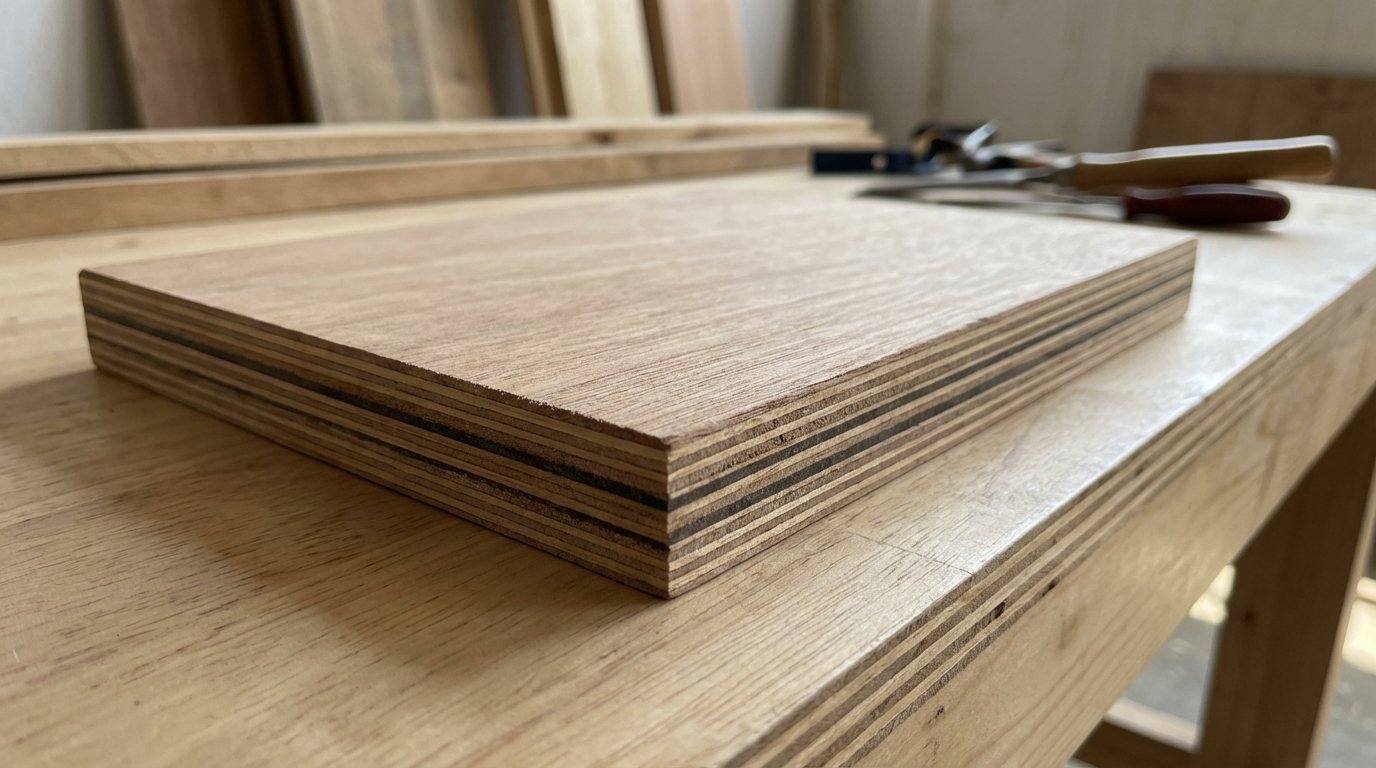
Door thickness is as important as height and width—it determines the door's strength, insulation, sound-proofing, and security properties. The standard thickness varies by door type and application.
| Door Type | Thickness (mm) | Best Application | Notes |
|---|---|---|---|
| Flush Door (Economy) | 25–30 | Internal doors, low-traffic areas | Basic protection, limited durability |
| Flush Door (Standard) | 30–35 | Bedrooms, bathrooms, internal doors | Standard thickness around 35mm gives enough robustness for everyday use at home and ensures fittings are installed correctly. |
| Flush Door (Premium) | 38–45 | Main entrance, security doors | The ideal thickness for main doors should be about 35-45 mm. For interior doors, 32-38 mm is usually recommended. |
| Solid Wood Panel Door | 40–50 | Main entrance, heritage designs | Superior strength and traditional aesthetics |
| Commercial/Institutional | 45–50 | Offices, schools, hospitals | Commercial or institutional projects often need flush doors with thickness increased to 40mm-50mm for enduring heavy use and better security. |
| Fire-Rated Door | 50–60 | Fire exits, commercial buildings | Extra thickness in the flush door also enhances fire resistance ratings as per building regulations. |
The standard thickness of doors in Indian homes is 1.75 inches (approximately 44 mm). This thickness is suitable for most interior doors and provides adequate sturdiness and insulation.
Types of Doors and Their Standard Sizes in India
Different door types serve different purposes, and their standard dimensions vary accordingly. Here's a comprehensive breakdown of door types available in the Indian market.
Flush Doors
Flush doors are those door types characterized by having a flat, plain surface without any ornamental work. This type is usually created from a solid or hollow core that covers both sides with a smooth veneer or plywood.
Standard flush door sizes:
- The market often sees flush doors in widths that vary from 24 inches to 48 inches. Common heights usually are 78 inches, 80 inches, or 84 inches based on architectural needs.
- Bedroom doors: 30″ × 78″ or 36″ × 84″
- For bathroom uses, the door size needed could be 28″ × 78″ or 30″ × 78″ based on available space.
- Front entrances require bigger dimensions, usually 36″ × 80″ or 38″ × 84″.
Panel Doors (Traditional)
Panel doors feature raised or recessed sections that create a classic, elegant look. Panel doors feature distinct raised or recessed parts on their surfaces. These panels come in a variety of designs and numbers. Panel doors are renowned for their traditional and adaptable appearance.
Standard panel door sizes:
- Single panel door: 7 feet × 3 feet (84″ × 36″)
- Double panel door: 7 feet × 6 feet (84″ × 72″)
- Thickness: Typically 40–50 mm
Sliding Doors
In India, the standard sliding door size is 7×6 ft or 8×6 ft, sliding windows range from 4×3 ft to 6×4 ft, and main sliding gates are typically 12–18 ft wide with a height of 5–6 ft.
Standard sliding doors are around 80 inches in height, with widths ranging from 60 to 72 inches for a single panel and up to 120 inches for double panels.
PVC and WPC Doors
Standard measurements of PVC doors are usually 6.5-7 feet (2-2.2 meters) in height and 2.5-3 feet (0.75-0.9 meters) in width. These doors are popular for bathrooms due to their moisture resistance.
Double Doors
Standard measurements of double doors are usually 7-8 feet (2.2-2.44 meters) in height and 6 feet (1.8 meters) in width. Double doors are ideal for main entrances of bungalows, villas, and premium apartments.
| Door Type | Standard Height | Standard Width | Thickness | Best For |
|---|---|---|---|---|
| Flush Door | 7 ft (2134 mm) | 2.5–3.5 ft | 30–35 mm | Bedrooms, bathrooms, internal areas |
| Panel Door | 7 ft (2134 mm) | 3–4 ft | 40–50 mm | Main entrance, traditional homes |
| Sliding Door | 7–8 ft | 5–6 ft | 25–35 mm | Balcony, living room partitions |
| PVC Door | 6.5–7 ft | 2.5–3 ft | 25–30 mm | Bathroom, utility areas |
| Double Door | 7–8 ft | 5–6 ft (total) | 35–45 mm | Main entrance, villas |
| Fire Door | 7 ft | 3–3.5 ft | 50–60 mm | Commercial buildings, fire exits |
IS 2202 and NBC 2016: Understanding Indian Standards
Two key standards govern door specifications in India: IS 2202 for door construction quality and NBC 2016 for accessibility and building requirements.
IS 2202: Flush Door Standard
IS 2202 (Part 1): 2023 defines quality, construction, and performance requirements for wooden flush door shutters with solid core and plywood face panels. These types of doors are popular in both residential and commercial construction due to their strength, stability, and sleek appearance.
In this revision, considering rapid changes in lifestyle as well as material availabilities and acceptance of eco-friendly options in door constructions, a number of improvements have been made. Wooden flush door shutters (solid core type) have been categorized in two grades: BWP and BWR.
Key IS 2202 requirements:
- Dimensional Stability: Ensures doors do not warp or bend under normal usage. Bonding Strength: Confirms strong adhesion between plywood face panels and core material.
- Weather Resistance: Tests for resistance against moisture, humidity, and temperature changes. Fire Safety Standards: Some variants may undergo fire resistance testing.
NBC 2016: Accessibility Requirements
According to NBC 2016, ramps should have a slope of 1:12 to ensure easy access for wheelchair users, and doorways should be at least 900 mm wide to accommodate assistive devices.
NBC guidelines mandate that buildings be accessible for differently-abled individuals, offering them ease of movement and equal opportunities.
As per duroboil.com's analysis of accessibility standards, the minimum door width for wheelchair accessibility in India is 900 mm (approximately 3 feet). This ensures that standard wheelchairs, which typically measure 24-27 inches wide, can pass through comfortably with clearance for maneuvering.
Commercial vs Residential Door Sizes
Commercial buildings have different door size requirements compared to residential properties, primarily due to higher traffic, accessibility compliance, and safety regulations.
| Parameter | Residential | Commercial |
|---|---|---|
| Height (Single Door) | 7 ft (2134 mm) | 7.5 ft (2286 mm) |
| Width (Single Door) | 3 ft (914 mm) | 3.5 ft (1067 mm) |
| Double Door Width | 5–6 ft | 6–7 ft |
| Thickness | 30–35 mm | 40–50 mm |
| Fire Rating Required | Usually not | Often required |
| Accessibility Width | Optional | Minimum 900 mm mandatory |
The standard door size for residential buildings is 7×3 ft for single doors and 7×5 to 7×6 ft for double doors, while commercial doors are 7.5×3.5 ft (single) and 7.5×6 to 7.5×7 ft (double).
Common Misconceptions About Door Sizes Cleared
Several myths persist about door sizes in India. Let's address the most common ones:
Myth 1: "All doors in India must be 7 feet tall"
Reality: While 7 feet is the most common standard, larger properties like bungalows or villas prefer 8 ft height and 4 ft width. Ceiling height, architectural style, and personal preference all influence door height choices. Homes with 12-foot ceilings often use 8-foot doors for better proportions.
Myth 2: "IS standards mandate exact door sizes with no flexibility"
Reality: While standard sizes are prevalent, custom-sized doors are also available to fit specific architectural requirements or non-standard openings. Customization allows homeowners to adapt door dimensions as per their preferences.
Myth 3: "Thicker doors are always better"
Reality: Door thickness should match the application. A 50 mm door for a bedroom is unnecessary and adds cost without benefit. Standard 30-35 mm thickness provides adequate performance for most interior applications.
Myth 4: "Bathroom doors should be shorter than other doors"
Reality: Standard bathroom door height is the same as other doors—7 feet. Only the width is narrower (2.25-2.5 feet). Some traditional designs use shorter doors with ventilation gaps, but this is a design choice, not a standard requirement.
Myth 5: "Door frame size and door size are the same"
Reality: The standard size does not include the size of the door frame. The door frame size is generally wider than the door opening. The door frame post has a width between 2 to 4 inches.
Myth 6: "PVC doors can be any size"
Reality: PVC doors have size limitations due to material properties. They're typically available in standard sizes up to 7 feet × 3 feet. Larger sizes may compromise structural integrity.
Advantages and Limitations of Standard Door Sizes
Advantages of Following Standard Sizes
| Advantage | Explanation |
| Cost Efficiency | Standard sizing cuts cost by 15–30% compared to custom doors. Mass production keeps prices affordable. |
| Easy Replacement | If a door gets damaged, finding a replacement of the same size is simple. No custom ordering or waiting. |
| Wide Availability | Every plywood dealer and door manufacturer stocks standard sizes. Immediate availability across India. |
| Predictable Framing | Contractors and masons know standard door opening dimensions, reducing errors during construction. |
| Hardware Compatibility | Door handles, hinges, and locks are designed for standard door thicknesses. No compatibility issues. |
| Visual Consistency | Maintaining uniform door height (7 ft) across the house ensures visual symmetry in interiors. |
Limitations of Standard Sizes
| Limitation | Workaround |
| May not fit older buildings | Older homes often have non-standard openings. Custom doors or frame modifications may be needed. |
| Limited design flexibility | For unique architectural visions, custom sizes allow more creative freedom. |
| Height restrictions for tall individuals | 7-foot doors may feel low for people over 6 feet tall. Consider 7.5 or 8-foot doors for main entrance. |
| May not meet accessibility needs | Standard bedroom door width (3 feet) may be tight for wheelchairs. Opt for 3.5-foot width when possible. |
Best Door Size Practices for Indian Homes
Based on duroboil.com's extensive research on Indian construction practices, here are application-specific recommendations:
For High-Rise Apartments
- Main entrance: 7 ft × 3.5 ft (single) or 7 ft × 5 ft (double)
- All internal doors: 7 ft × 3 ft for consistency
- Bathrooms: 7 ft × 2.5 ft (ensure outward opening)
- Thickness: 30-35 mm for interiors, 40 mm for main door
For Independent Houses and Villas
- Main entrance: 8 ft × 4 ft (single) or 8 ft × 6 ft (double)
- Bedrooms: 7 ft × 3.25 ft for master, 7 ft × 3 ft for others
- Consider higher ceilings with 8-foot doors for grand proportions
- Use solid wood panel doors for main entrance for premium aesthetics
For Coastal and High-Humidity Areas
- Use BWP-grade flush doors rated per IS 2202
- Consider marine plywood or WPC doors for bathrooms
- Maintain same size standards but prioritize moisture-resistant materials
- Ensure doors have adequate clearance (5-10 mm gap at bottom) for ventilation
For Accessibility Requirements
- The minimum door width for wheelchair access is 32 inches or 81 cm (approximately 820 mm).
- For comfortable wheelchair passage, prefer 3.5 ft (1067 mm) door width
- Ensure lever-type handles instead of knob handles
- Position handles at 1000-1050 mm from floor level
How to Measure Door Size (Without Lab Tests)
Whether you're ordering a replacement door or planning new construction, accurate measurement is critical. Here's a step-by-step guide:
For Existing Door Openings
- Measure the Height: Measure the height from the door top to the bottom. Don't measure from the floor to the door top, as this includes the threshold and clearance, which could cause installation issues.
- Measure the Width: Measure at three points—top, middle, and bottom of the opening. Use the smallest measurement to ensure the door fits.
- Measure the Depth: Measure the thickness of the wall to determine frame requirements.
- Check for Square: Measure diagonals—if they're equal, the opening is square. Unequal diagonals indicate an out-of-square opening that may need adjustment.
For New Construction
- Decide door size based on room function and traffic
- Add 50-75 mm to width and height for frame accommodation
- Account for floor finish thickness (15-20 mm typically)
- Specify in the architectural drawing with location code
Visual Quality Checks for Doors
- Surface flatness: Place a straight edge across the door face—no gaps should be visible
- Edge alignment: All four edges should be square and smooth
- Thickness uniformity: Measure thickness at multiple points—variation should be less than 1 mm
- Core sound: Knock on the door surface—solid core produces a dull sound, hollow core sounds hollow
- Face veneer quality: Check for bubbles, peeling, or color inconsistencies
- ISI mark: The Indian standard ISI mark for flush doors assures manufacturing quality.
Care and Maintenance of Doors
Proper maintenance extends door life and maintains appearance. Here are India-specific care guidelines:
Daily Care
- Wipe door surfaces with a dry or slightly damp cloth
- Avoid slamming—use door stops or hydraulic closers
- Keep door bottom clear of water accumulation
- Lubricate hinges with light oil every 3-4 months
Monsoon Precautions
- Check for swelling—wooden doors expand in humidity
- Ensure proper drainage near external doors
- For moist weather, choose boiling waterproof (BWP) rated plywood or marine-grade flush doors for bathrooms, kitchens, and humid zones. Always search for anti-termite treatments as well as water-resistant adhesives.
- Apply a fresh coat of sealant/polish before monsoon season
Cleaning Methods
- Laminated doors: Mild soap solution, wipe dry immediately
- Polished wooden doors: Furniture polish every 2-3 months
- PVC doors: Any mild cleaner, avoid abrasives
- Glass panels: Glass cleaner, lint-free cloth
Damage Prevention
- Keep doors away from direct sunlight to prevent fading and warping
- Use door mats to prevent water from splashing on door base
- Fix loose hinges immediately—they cause sagging and misalignment
- Repaint/re-polish before finish deteriorates completely
Frequently Asked Questions
What is the standard door size in India in feet?
In India, the standard door size is typically 7 feet (2.2 meters) in height and 3 feet (0.9 meters) in width. This size works well for most residential and commercial spaces, balancing accessibility and design. The standard main door is slightly wider at 3.5 feet, while bathroom doors are narrower at 2.25-2.5 feet. For double doors at main entrances, the combined width is typically 5-6 feet with the same 7-foot height.
What is the standard door height in mm?
The standard door height in India is 7 ft (2134 mm). This height is designed to accommodate comfortable passage for adults of average height while fitting within standard Indian ceiling heights of 9-10 feet. Premium properties with higher ceilings often use doors of 2286 mm (7.5 feet) or 2438 mm (8 feet) for better visual proportion.
What is the minimum door width for wheelchair access?
According to NBC 2016, doorways should be at least 900 mm wide to accommodate assistive devices. For comfortable wheelchair access, a minimum clear width of 32 inches (810 mm) is recommended. However, the optimal doorway width for wheelchair access is 32 inches. If your home has a wheelchair user, consider 36-inch (914 mm) wide doors for all frequently used rooms.
What thickness of door should I choose?
The ideal thickness for main doors should be about 35-45 mm. For interior doors, a thickness of 32-38 mm is usually recommended, which offers a balance of strength and ease of installation. For budget-friendly interior applications, 30 mm flush doors are acceptable. Commercial buildings typically require 40-45 mm thickness for durability under heavy use.
Is 7 feet door height enough?
Yes, 7 feet (84 inches / 2134 mm) is sufficient for most residential applications. Standard door height ranges from 80 inches to 96 inches, which is sufficient for an average height person. The standard door height in India is considered as 7 feet. If household members are taller than 6 feet 2 inches, or if you have high ceilings (11+ feet), consider 7.5 or 8-foot doors for better comfort and aesthetics.
What is the difference between door size and door frame size?
The standard size does not include the door frame. The door frame size is generally wider than the door opening. The door frame post has a width between 2 to 4 inches. The total width of door frame equals width of door frame + width of door + width of door frame. For a 3-foot door, the rough wall opening is typically 3.5 feet to accommodate the frame.
What door size is best for the kitchen?
Kitchen doors are typically 7 feet by 2.5 feet (2134 by 762 mm). However, if you need to move large appliances like refrigerators, washing machines, or modular kitchen units through the kitchen door, opt for 3-foot width. For modular kitchen projects, always verify that your chosen door width accommodates the largest cabinet unit you'll be installing.
Can I use custom door sizes instead of standard?
Yes, custom door sizes are available and can be made to fit specific needs or architectural requirements. These can vary significantly and are often used in non-standard spaces or for unique design purposes. However, custom doors cost 15-30% more than standard sizes and may have longer delivery times. They're recommended only when standard sizes genuinely don't fit your requirements.
What is the standard puja room door size?
Puja rooms' doors are smaller, measuring 6.5 feet by 2.5 feet (1981 by 762 mm). The reduced height creates a traditional feel and often requires a slight bow when entering, considered respectful in many Indian traditions. Some homeowners prefer standard 7-foot height for uniformity with other doors—this is a matter of personal and religious preference.
Where can I buy standard-sized doors in India?
Standard-sized doors are available at authorized plywood dealers, building material stores, and through major brands like Greenply, CenturyPly, Duroply, and others. For best quality, look for doors with ISI certification as per IS 2202. Major cities have dedicated timber and plywood markets (mandis) where you can compare options from multiple vendors. Always verify door specifications and warranty before purchase.
Note: This is independent editorial content by duroboil.com. We are not affiliated with any door manufacturer or brand mentioned in this article. Prices, specifications, and availability may vary by location and dealer. Always verify current details with authorized dealers before making purchasing decisions.
Disclaimer: This content is provided for general informational purposes based on industry practices and publicly available information. Product specifications, standards, prices, and availability may vary by manufacturer, region, and time. Readers should independently verify details with manufacturers, dealers, or qualified professionals before making purchase or construction decisions.
Want Plywood Suggestions?
Share a few details and a Duro BOIL specialist will suggest suitable brands and connect you to responsive dealers.