DuroBOIL vs Action Tesa HDHMR: Which Board Performs Better in Moisture?
Greenpanel DuroBOIL vs Action Tesa HDHMR – compare moisture resistance, strength, and cost to determine which board is best for wet-area cabinets like kitchens.
Quick Decision Summary
DuroBOIL generally edges out in extreme moisture scenarios due to its boiling water proof HDF construction, while Action Tesa HDHMR suits moderate humidity well.
If you're in a hurry: For coastal or high-spill kitchens (80-100 sq ft modular setup), pick DuroBOIL if budget allows for top-tier boil resistance—expect fewer delamination risks over 5-7 years. Action Tesa HDHMR works for inland urban homes with occasional splashes, offering solid density at potentially lower cost. Verify density (>850 kg/m³), edge swelling post-water test, and screw hold before buying. Always edge-seal and use SS hardware to boost longevity in monsoons.
- Choose DuroBOIL if: Constant wet exposure like sink cabinets, coastal humidity above 80%, or heavy daily spills.
- Choose Action Tesa HDHMR if: Moderate moisture like bedroom wardrobes, budget under ₹90/sq ft, or faster local stock.
- Avoid both if: Direct outdoor rain or submersion—opt for marine plywood instead.
Note: This page is independent informational content and is not affiliated with any manufacturer.
If You’re Searching for DuroBOIL or Action Tesa HDHMR, Here’s What People Usually Mean
Queries for DuroBOIL often target Greenpanel's high-performance HDF board marketed for boiling water resistance in moisture-heavy interiors like kitchens. Action Tesa HDHMR searches seek their dense, moisture-resistant boards as BWR plywood alternatives for cabinets. Users typically debate wet-area durability, comparing to cheaper MDF amid rising modular kitchen demands in humid Indian cities.
Why do these branded searches spike during monsoons?
Monsoon humidity (70-90%) triggers worries about cabinet swelling after past failures with basic MR boards. Homeowners scan for boards handling spills without warping. Nuance: True performance hinges on installation—unsealed edges fail fast. Next step: Ask suppliers for a 24-hour water soak demo on sample scraps to simulate real use.
How to Compare DuroBOIL-Type Options to Alternatives (Without Guesswork)
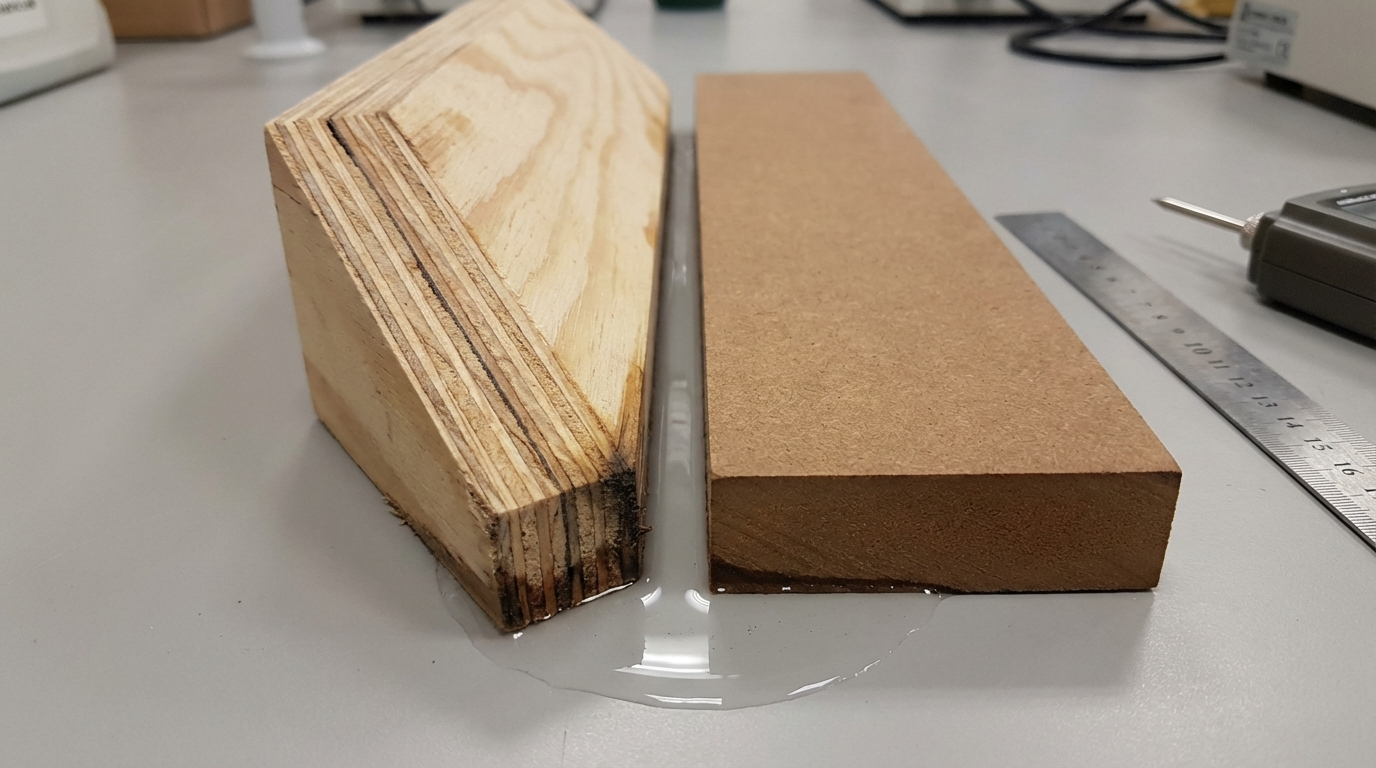
Focus on verifiable traits: density (heavier = stronger), moisture test response (minimal thickness swell <8%), screw grip after cuts, and edge behavior. Test samples yourself—pour water, check after 24 hours. Skip brochure claims; prioritize local batch consistency over brand hype.
What These Materials Actually Mean
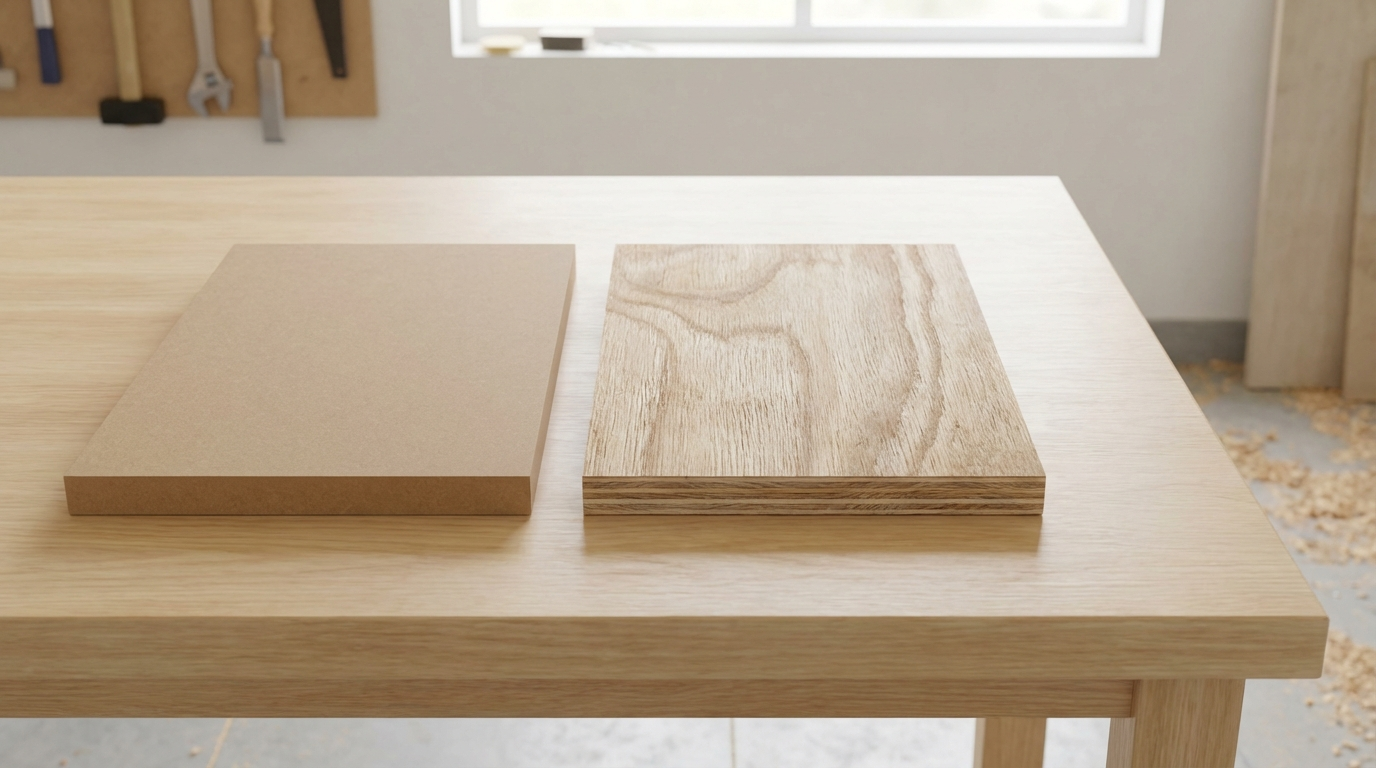
DuroBOIL refers to a boiling water proof HDF (high-density fiberboard), engineered denser than standard HDHMR for extreme interior moisture without full plywood layers. Action Tesa HDHMR is high-density (>850 kg/m³) moisture-resistant MDF variant, smoother for laminates, positioned above BWR plywood in humidity tolerance but below true marine grades.
- Where people get confused: HDHMR isn't "waterproof" like plastics—it's moisture-resistant for spills, not submersion.
- Many think HDF = weak MDF; reality: HDF packs tighter fibers for better load.
- BWP plywood fans overlook HDHMR's screw hold and machinability advantages.
- "10-year" tags mislead—depends on sealing/workmanship, not board alone.
- Plain vs pre-lam: Plain needs immediate lamination to avoid dust/moisture ingress.
India-Specific Reality Check
In monsoons (June-Sept), coastal areas like Mumbai (85% RH) amplify swelling if boards sit unpacked. Inland Delhi sees splash failures from poor ventilation. Contractor delays mean 2-3 day exposure risks core softening. Always store vertical, foil-wrapped; use exhaust fans in kitchens to cut failure odds by 50%.
Does humidity level dictate HDHMR vs HDF choice?
Yes—above 80% RH average (coastal), HDF like DuroBOIL resists better via tighter resin bonds. Moderate (60-75%, inland) suits HDHMR fine. Conditions: Pair with PVC edges, SS screws. Check: Measure site RH with ₹200 hygrometer; exceed 80%? Upgrade to boil-proof.
Two-Minute Comparison That Actually Helps
| Factor | DuroBOIL (HDF) | Action Tesa HDHMR |
|---|---|---|
| Moisture Resistance | Boiling water proof claim; minimal swell in tests | High moisture; good for spills, BWR equivalent |
| Density | Very high (>900 kg/m³ typical) | High (850+ kg/m³) |
| Strength/Screw Hold | Superior load for heavy cabinets | Strong, smooth for routing |
| Machinability | Good, less dust | Excellent, laminate-ready |
| Best For | Sink zones, coastal kitchens | Wardrobes, modular units |
Choose based on wet intensity: Extreme spills? DuroBOIL. Balanced use? HDHMR saves 10-20% cost.
Price Range and Cost Drivers (India)
For 16-18mm 8x4 sheets, typically ₹70-120 per sq ft, varying by city (Delhi 10% below Mumbai), thickness, and finish (plain lower). Drivers: Density adds ₹10-20/sq ft; pre-lam +₹15-30. Logistics from factory hikes 5-15% in remote areas.
- Kitchen example (50 sq ft, 18mm): ₹4,000-6,000 base +10% wastage/transport.
How much does thickness affect cost?
Each 2mm jump adds 20-30% (12mm ₹60-90, 18mm ₹90-120/sq ft). Thicker for shelves, thinner for shutters. City variation: Tier-1 +15%, rural -10%. Quote checklist: Specify density, moisture grade, calibration (<0.5mm variation), GST inclusive.
How to Choose in 5 Steps
- Assess exposure: Spills/heavy use? Boil-proof HDF. Light? HDHMR.
- Check density: Tap sample—heavy thud means >850 kg/m³.
- Water test: Soak edge 24hrs; <5% swell passes.
- Screw hold: Drill 4 screws; no crumble.
- Verify batch: Uniform color, no gaps; cut scrap for straightness.
Skip steps? Expect warping in year 1 from unsealed edges.
Can I use these for bathroom vanities?
Limited—moderate success with full sealing/PVC lips, but avoid direct showers. HDF holds better in steam. Nuances: Ventilation key; fans drop RH 20%. Next: Prototype small drawer, expose to steam 1 week.
Trade-offs and Limitations
DuroBOIL: Premium cost, heavier transport. Action Tesa: Slightly less boil tolerance, but lighter machining. Both heavier than MDF (install fatigue), not fire-rated (needs coating), and edge-critical (unsealed = failure).
Common Buyer Mistakes and How to Avoid Them
- Mistake 1: Ignoring density—light boards sag. Fix: Weigh sample (18mm >35kg).
- Mistake 2: No water test. Fix: Insist on supplier demo.
- Mistake 3: Skipping edge banding. Fix: PVC 2mm minimum.
- Mistake 4: Cheap hardware. Fix: SS over iron.
- Mistake 5: Monsoon storage outdoors. Fix: Indoor vertical stack.
- Mistake 6: No calibration check. Fix: Measure faces (<0.3mm diff).
- Mistake 7: Overlooking ventilation. Fix: Plan exhaust.
- Mistake 8: Bulk buy without samples. Fix: Test 1 sheet first.
Failure Modes and Fixes
- Symptom: Edge swelling. Cause: Unsealed cuts. Prevent: Immediate PVC. Fix: Sand, re-band.
- Symptom: Screw pull-out. Cause: Low density. Prevent: Pilot holes. Fix: Epoxy anchors.
- Symptom: Delamination. Cause: Chronic moisture. Prevent: Seal all. Fix: Replace section.
- Symptom: Sagging shelves. Cause: Undersized thickness. Prevent: 18mm min. Fix: Reinforce brackets.
- Symptom: Surface scratches. Cause: No laminate. Prevent: HDHMR + lam. Fix: Polish minor.
- Symptom: Color fade. Cause: UV/poor lam. Prevent: Quality finish. Fix: Relaminate.
Quality Checks You Can Do Without Lab Tests
- Before buying: Visual—no knots/swirls; tap for solid tone; smell neutral.
- After cutting: Edges smooth, no crumble; water bead test.
- Post-install: Level check, wipe daily first month.
What's a reliable at-home moisture test?
Pour 100ml water on cut edge, cover 24hrs; measure swell (<2mm good). Repeat boil for HDF claims. Conditions: Dry fully before. Next: Document for supplier dispute if fails.
Decision Framework: Match Your Scenario
| Condition | Recommended | Verify |
|---|---|---|
| Wet zone (sinks) | DuroBOIL | Boil test pass |
| Coastal humidity | DuroBOIL | Density >900kg/m³ |
| Heavy use | Either; DuroBOIL edges | Screw hold x4 |
| Tight budget | Action Tesa HDHMR | Local quote <₹90/sqft |
| High scratch risk | HDHMR (smoother) | Laminate adhesion |
| Fast delivery | Local stock HDHMR | Batch date <3 months |
Homeowner Tips: Durability Do’s and Don’ts
Do: Wipe spills instantly, use mats under sinks. Don’t: Abrasive cleaners, direct hose. Expect 7-10 years with care.
Carpenter Tips: Working with These Boards
Cut with 60-tooth blade, pre-drill 3mm holes, clamp edges before banding. HDF dustier—mask up.
Architect Tips: Spec Right
Detail 2mm PVC lips, SS hinges, RH controls in drawings. Spec min density, calibration.
Modular Maker Tips: Scale QC
Batch-test 5% sheets, track complaints by zone. Reduces returns 30%.
FAQs
Which is better for modular kitchens?
DuroBOIL suits high-moisture zones like sinks due to superior boil resistance, minimizing long-term warp in humid setups. Action Tesa HDHMR performs reliably for overall cabinets with good density. Trade-off: DuroBOIL costs more but cuts rework. Verify with edge soak test; seal thoroughly for 8+ year life.
Is Action Tesa HDHMR termite-proof?
Typically treated for termite/borer resistance, holding up in Indian conditions better than untreated ply. Not invincible—pair with barriers. Check visually for chew marks post-storage. Next: Store elevated, inspect yearly.
How does DuroBOIL compare to BWP plywood?
DuroBOIL HDF offers smoother finish and machinability for modern designs, with comparable moisture tolerance. Plywood edges rougher. Ideal for laminated cabinets. Test screw hold; HDF often superior.
What's the ideal thickness for cabinets?
18mm for carcasses/shelves balances strength/cost; 12mm shutters. Varies by span/load. Confirm flatness post-cut to avoid sags.
Do these boards need special tools?
Standard carbide blades suffice; finer teeth reduce tear-out. Vacuum dust promptly to prevent health issues in workshops.
Can I paint them directly?
Yes, after sanding/primer, but laminate preferred for moisture seal. Test adhesion on scrap first.
How to store before installation?
Vertical, wrapped, off-floor in dry shade. Monsoon wait max 7 days or risk softening.
Which handles scratches better?
HDHMR's smoother face takes laminates well, resisting daily wear. HDF denser underneath. Avoid direct abrasives.
Disclaimer: This content is provided for general informational purposes based on industry practices and publicly available information. Product specifications, standards, prices, and availability may vary by manufacturer, region, and time. Readers should independently verify details with manufacturers, dealers, or qualified professionals before making purchase or construction decisions.Want Plywood Suggestions?
Share a few details and a Duro BOIL specialist will suggest suitable brands and connect you to responsive dealers.