Edge sealing for MDF & plywood: stop swelling at edges
Edge sealing for MDF & plywood: stop swelling at edges: a practical India-focused guide with checklists, FAQs and quick tables to help you choose the right
Quick Decision Summary
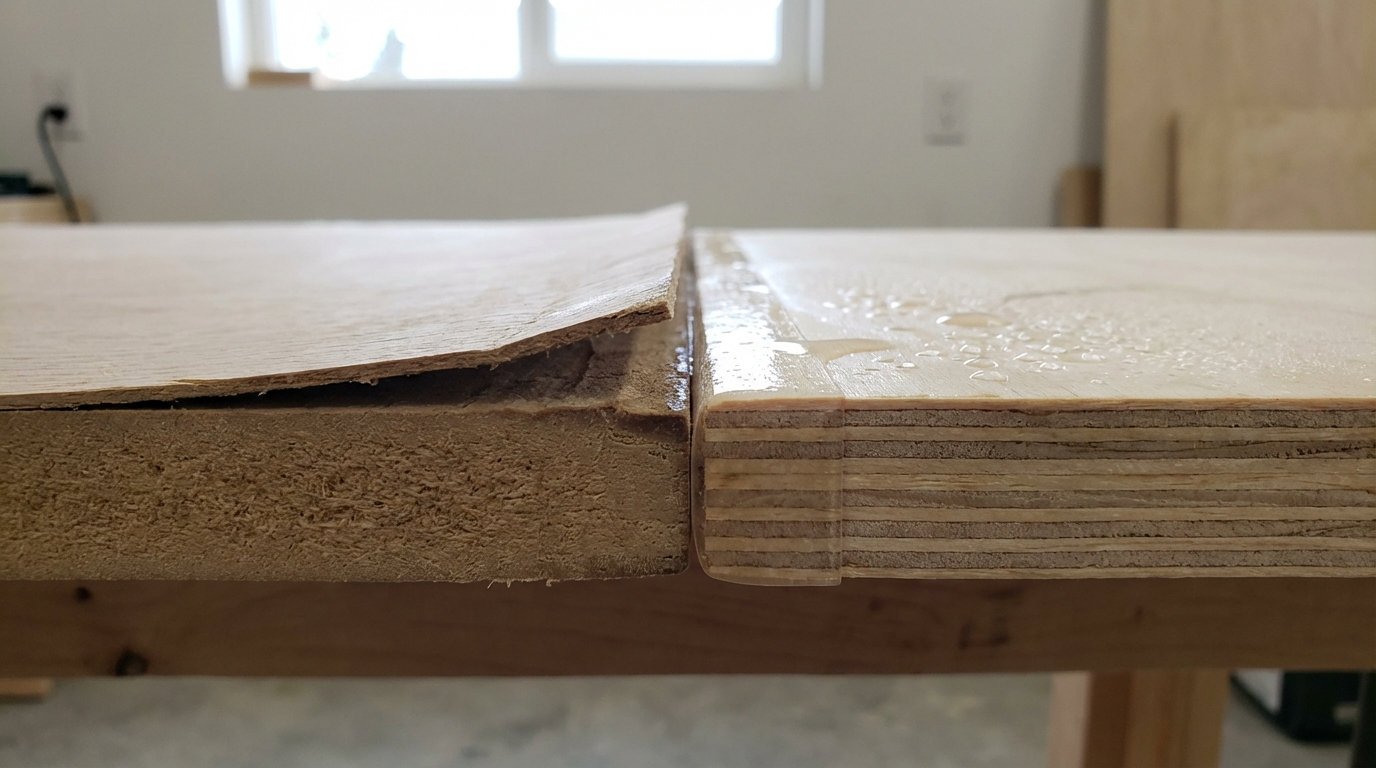
Apply polyurethane edge banding tape or 2-3 coats of PU varnish on all cut edges right after sizing to block moisture entry.
If you’re in a hurry: In India's humid climate, unsealed MDF and plywood edges absorb monsoon moisture fast, leading to swelling and failure within months. Prioritize 0.4-0.45mm thick PVC/ABS edge tape applied with hot-melt glue for kitchens/bathrooms, or brush-on PU/epoxy varnish for furniture edges. Test adhesion by pressing firmly—poor bond means redo. Skip cheap PVA glues; they fail in damp storage yards. Expect to spend 5-10% extra on sealing per project, but it saves replacement costs. Always seal before assembly.
- Choose edge banding tape if: high-moisture zones like kitchens, need speed, pro finish.
- Choose liquid sealers if: low-budget DIY, curved edges, already cut pieces.
- Avoid paper tape if: coastal areas or heavy spills—too weak.
- Avoid skipping if: any exposed edge in humid India home.
What Edge Sealing Actually Means
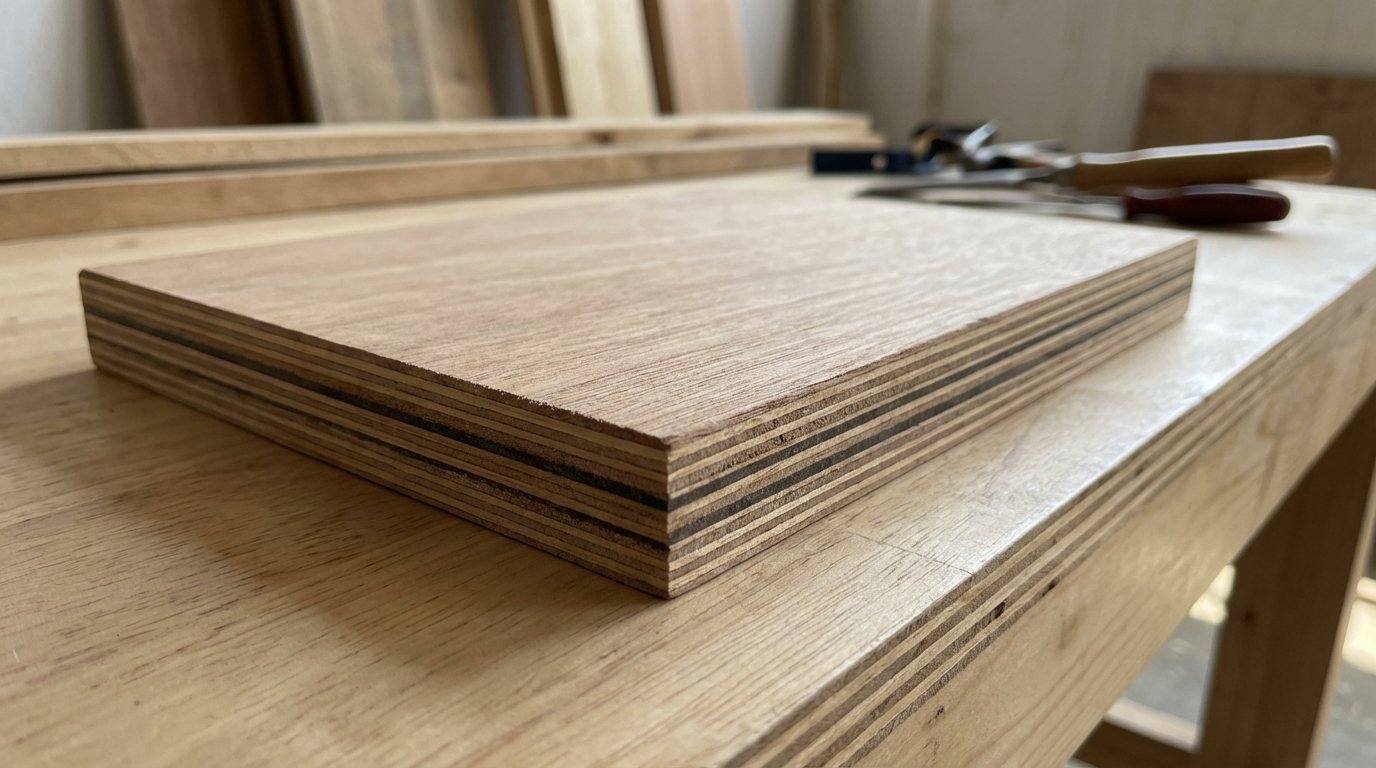
Edge sealing covers the vulnerable porous sides of MDF (medium-density fiberboard) and plywood sheets after cutting or machining, using tape, paint, or varnish to create a waterproof barrier. MDF edges are especially fibrous and suck up water like a sponge; plywood cores can delaminate if glue lines get wet. It's not optional decoration—it's the difference between flat surfaces and wavy, ruined cabinets.
Where people get confused:
- Thinking face veneers/laminates protect edges—they don't; moisture attacks sides first.
- Believing "moisture-resistant" grades (MR MDF) skip sealing—they still need it in monsoons.
- Assuming clear nail polish or fevicol works—neither blocks sustained humidity.
- Overlooking factory edges—pre-cut boards often have rough cuts needing re-seal.
- Mixing up sealing with polishing—sealing is barrier-focused, polish is shine-only.
India-Specific Reality Check
Monsoon humidity (80-100% RH) and coastal salt air make unsealed edges swell 20-30% faster than in dry climates. Site storage under tarps fails when rain splashes; contractor delays expose cuts for days. Workmanship gaps like uneven tape application lead to peeling in 6 months. Coastal Kerala homes see edge failure in bathrooms from shower steam alone. Always seal on-site within 24 hours of cutting, using fans for quick dry in humid godowns.
Why Do MDF and Plywood Edges Swell So Quickly?
MDF is compressed wood fibers with no natural resin barrier on edges, absorbing water radially up to 10x faster than faces. Plywood layers separate at glue lines under moisture cycles. In India, daily humidity swings cause expansion/contraction, cracking weak seals. Nuance: Thinner boards (6-12mm) swell more; HDHMR holds better but still needs sealing. Check by wetting a scrap edge—visible puffing in 30 mins means seal now. Next step: Wipe edges dry, sand lightly (220 grit), then apply first coat.
Does Plywood Need Edge Sealing Less Than MDF?
Plywood resists better due to cross-layers but delaminates if core gets wet, especially MR grades in BWR/BWP logic. MDF fails catastrophically. Conditions: Plywood ok with single varnish in dry rooms; both need tape in kitchens. Practical check: Tap edge after wetting—hollow sound signals failure starting. Verify by pressing fingernail into edge post-moisture; dents mean poor density. Seal plywood anyway in humid India to match MDF durability expectations.
How to Choose in 5 Steps
- Assess exposure: Kitchen/bath = tape; bedroom = varnish. Coastal? Double up.
- Prep edge: Sand smooth, clean dust—oily residue kills adhesion.
- Pick method: Tape for straight/fast; liquid for curves/budget. Test scrap first.
- Apply right: Heat-activate tape glue; 2-3 thin varnish coats. Clamp 30 mins.
- Verify seal: Water bead test—wicks in? Redo. What goes wrong: Rushing skips prep, causing peel-off in monsoons.
Price Range and Cost Drivers (India)
PU edge tape rolls (50m) typically Rs 300-800; varnish cans (1L) Rs 400-1200—varies by thickness (0.4mm tape premium), brand quality, city (metros 20% higher). Cost drivers: Project size (add 5-15% to board cost), applicator tools (glue gun Rs 500-1500), labor (carpenter day rate). Quote checklist: "0.45mm PVC tape for 100m edges + PU varnish backup + hot-melt glue sticks." Budget example: Kitchen cabinets (20 sqm MDF) sealing adds Rs 2000-5000 total.
Two-Minute Comparison That Actually Helps
| Method | Best For | Durability | Cost/Add Time | Skill Needed |
|---|---|---|---|---|
| Edge Banding Tape (PVC/ABS) | Wet zones, cabinets | High (5+ yrs) | Medium / Fast | Medium (glue gun) |
| PU Varnish (2-3 coats) | Dry furniture, DIY | Medium (2-4 yrs) | Low / Slow dry | Low (brush) |
| Epoxy Paint | Heavy spills, repairs | High (coastal ok) | High / Thick app | Medium (mix) |
| Paper Veneer Tape | Temporary, budget | Low (1 yr) | Very low / Easy | Low |
Choose tape for kitchens (wet+speed); varnish for bedrooms (budget+dry). Verify: Peel test after 24hrs cure.
Decision Framework: Match Your Conditions
| Condition | Recommended Seal | Verify This |
|---|---|---|
| High humidity kitchen/bath | PU tape + varnish topcoat | Tape thickness 0.4mm+, no bubbles |
| Coastal exposure | Epoxy or marine-grade varnish | Water bead test holds 1hr |
| Heavy use (kids/pets) | Thick ABS tape | Adhesion survives scratch test |
| Tight budget DIY | 2-coat PU varnish | Even coverage, no holidays |
| High scratch risk | Pre-laminated edges + seal | Smooth transition to face |
| Fast contractor job | Hot-melt tape | Bonds in under 1 min |
Trade-offs and Limitations
Tape looks pro but machines/curves tricky; varnish cheap but yellows over time, needs recoat yearly in humid spots. Tape adds thickness (0.4mm), affecting alignment; liquids penetrate better but dust-sensitive during cure. No method 100% waterproof—combine with good ventilation. Limitations: Can't fix water-damaged edges; prevention only.
How Long Does Edge Sealing Last in Indian Homes?
Quality tape/varnish holds 3-5 years in moderate humidity, 1-3 in monsoons/coastal without topcoat refresh. Nuance: Foot traffic wears tape; spills test varnish. Check yearly: Faded shine or edge darkening? Sand and recoat. Next: Homeowners note calendar reminders; carpenters build 10% extra time for maintenance seals in quotes.
Can I Skip Edge Sealing on Laminated Boards?
No—laminates seal faces only; edges expose core fibers to humidity, swelling under load. Conditions: Modular kitchens fail first at edges during wipes. Practical step: Always seal post-lamination cut. Verify: Wet edge 10 mins, measure thickness increase (<5% good). In India godowns, stack sealed-side up.
Common Buyer Mistakes and How to Avoid Them
- Mistake: Skipping seal on "dry areas." Why: Monsoon vapor still penetrates. Do: Seal everything exposed.
- Mistake: Using PVA wood glue as sealer. Why: Water-soluble. Do: PU/epoxy only.
- Mistake: Applying tape cold. Why: Poor bond peels. Do: Hot-melt gun at 180°C.
- Mistake: One varnish coat. Why: Porous coverage fails. Do: 2-3 thin, sand between.
- Mistake: Sealing dirty edges. Why: Dust/oil blocks. Do: Acetone wipe + dry.
- Mistake: Ignoring curved edges. Why: Tape won't stick. Do: Varnish or flexible bands.
- Mistake: No post-install seal. Why: Hardware cuts expose. Do: Touch-up hinges/locks.
- Mistake: Cheap tape in wet zones. Why: Thin PVC delams. Do: ABS/PU spec it.
Failure Modes and Fixes
- Symptom: Edge bubbling/peeling. Cause: Moisture under tape. Prevent: Clean prep. Fix: Remove, sand, re-tape.
- Symptom: Swelling despite seal. Cause: Thin application/holidays. Prevent: 3 coats. Fix: Sand swollen area, epoxy fill.
- Symptom: Tape lifting at corners. Cause: No clamp/heat. Prevent: Press 30s. Fix: Reheat glue, clamp overnight.
- Symptom: Yellowing/varnish crack. Cause: UV/humidity cycles. Prevent: UV-blocker topcoat. Fix: Sand, recoat.
- Symptom: Delam at plywood edge. Cause: Core gaps wet. Prevent: BWP grade + seal. Fix: Clamp dry, epoxy inject.
- Symptom: White haze post-spill. Cause: Water trapped. Prevent: Wipe immediate. Fix: Dry fan 48hrs, touch-seal.
Quality Checks You Can Do Without Lab Tests
Before buying: Pick tape rolls—flexible, no cracks; varnish—low odor, shake mixes smooth. Ask supplier: "Glue line strength in humidity?" Red flag: Vague answers.
After cutting: Sand edge straight, drop water—beads up? Good. Tape test: Pull after cure—no lift.
After install: Check gaps under light (holidays glow); spill water, wipe—dry fast? Pass. Alignment: Edges flush, no warp.
What's the Best Edge Sealer for Kitchens in India?
PU edge banding tape (0.45mm ABS) for cabinets, topped with varnish. Nuance: Matches laminate expansion in steam. Check: Supplier demo on scrap in humid room. Next: Buy extra 10% for mistakes; carpenters align with jig for pro look.
Is Edge Sealing Needed for Wardrobe Shutters?
Yes, bottom/top edges catch floor moisture/dust. Conditions: Particle boards swell most. Step: Seal pre-hinge; verify flatness post-cure. In monsoons, add silicone bead at base.
Tips for Homeowners
Do: Seal DIY furniture edges same day; clean spills instantly, avoid wet mops near edges. Don't: Drag heavy items—scratches expose core. Durability hack: Annual touch-up in humid months.
Tips for Carpenters
Cut with fine blade to minimize fiber tear; edge tape post-size using jig for speed. Fasten 5cm from sealed edge only. Handling: Stack vertical, seal exposed ends daily.
Tips for Architects
Spec "all edges PU sealed, 0.4mm min tape" in drawings; detail 2mm overhang lips for water shed. Wet zones: Cross-section shows seal thickness. Finish logic: Matte PU hides wear.
FAQs
Why is edge sealing more urgent for MDF than plywood?
MDF's uniform fiber structure has zero edge protection, swelling visibly in hours of exposure; plywood's veneers offer minor resistance but cores fail long-term. In India homes, MDF cabinets puff during first monsoon if unsealed. Always prioritize MDF, but seal both. Check your stock: Wet test scraps side-by-side. If MDF changes 2x faster, adjust workflow—seal MDF first in batches.
How do I apply edge banding tape without a machine?
Use household iron (no steam) over tape after glue-side down; press cloth-covered 20s per meter, trim excess with utility knife. Ideal for small jobs. Trim flush, sand lightly. In humid shops, work fast—glue sets slow. Test on scrap: Full bond? Repeat for plywood/MDF. Avoid overheat—melts PVC.
Will edge sealing prevent all warping?
It blocks edge moisture (main warp cause) but not uneven face wetting or poor storage. Combine with acclimation (48hrs in site humidity) and balanced lamination. Coastal fixes: Extra coat. Monitor: Uneven doors? Check opposite face seal too. Not a warp cure-all—core quality matters.
What's the difference between PVC and ABS edge tape?
PVC cheaper/flexible for mild use; ABS tougher/scratch-resistant for kitchens. Both PU-compatible. Pick ABS for durability trade-off. Verify: Bend test—ABS springs back. India tip: ABS holds in godown heat better.
Can I use paint instead of varnish for edges?
Oil paints fill gaps but crack under flex; use only as budget backup under varnish. Not for wet zones—poor penetration. Better: PU for moisture block. Test: Scratch after dry—paint flakes?
How soon after cutting must I seal edges?
Within 24 hours max—fibers absorb ambient humidity fast in India. Delay swells pre-seal. Immediate best: Post-cut wipe + seal. Site reality: Tarpaulin-covered stacks buy 48hrs.
Does sealing add weight or thickness noticeably?
Tape adds 0.4-0.6mm per edge (drawers tighter? Plane down); varnish negligible. Plan cabinets with 1mm edge allowance. Check fit on mockup first.
What if my edges are already swollen—can I fix?
Minor: Dry 72hrs fan, sand high spots, heavy epoxy fill, clamp flat. Severe: Discard—core compromised. Prevent beats fix; always seal fresh cuts.
Is silicone sealant good for edges?
Flexible for gaps/joints, not full edges—poor adhesion to fibers. Use as top-gap filler only. Main seal: Tape/varnish combo.
Disclaimer: This content is provided for general informational purposes based on industry practices and publicly available information. Product specifications, standards, prices, and availability may vary by manufacturer, region, and time. Readers should independently verify details with manufacturers, dealers, or qualified professionals before making purchase or construction decisions.Want Plywood Suggestions?
Share a few details and a Duro BOIL specialist will suggest suitable brands and connect you to responsive dealers.