Fire Retardant Plywood Guide: IS 5509 Compliance for Commercial Use
Complete guide to fire retardant plywood for commercial buildings. IS 5509 compliance, Class 1 rating explained & brand options in India.
Quick Answer
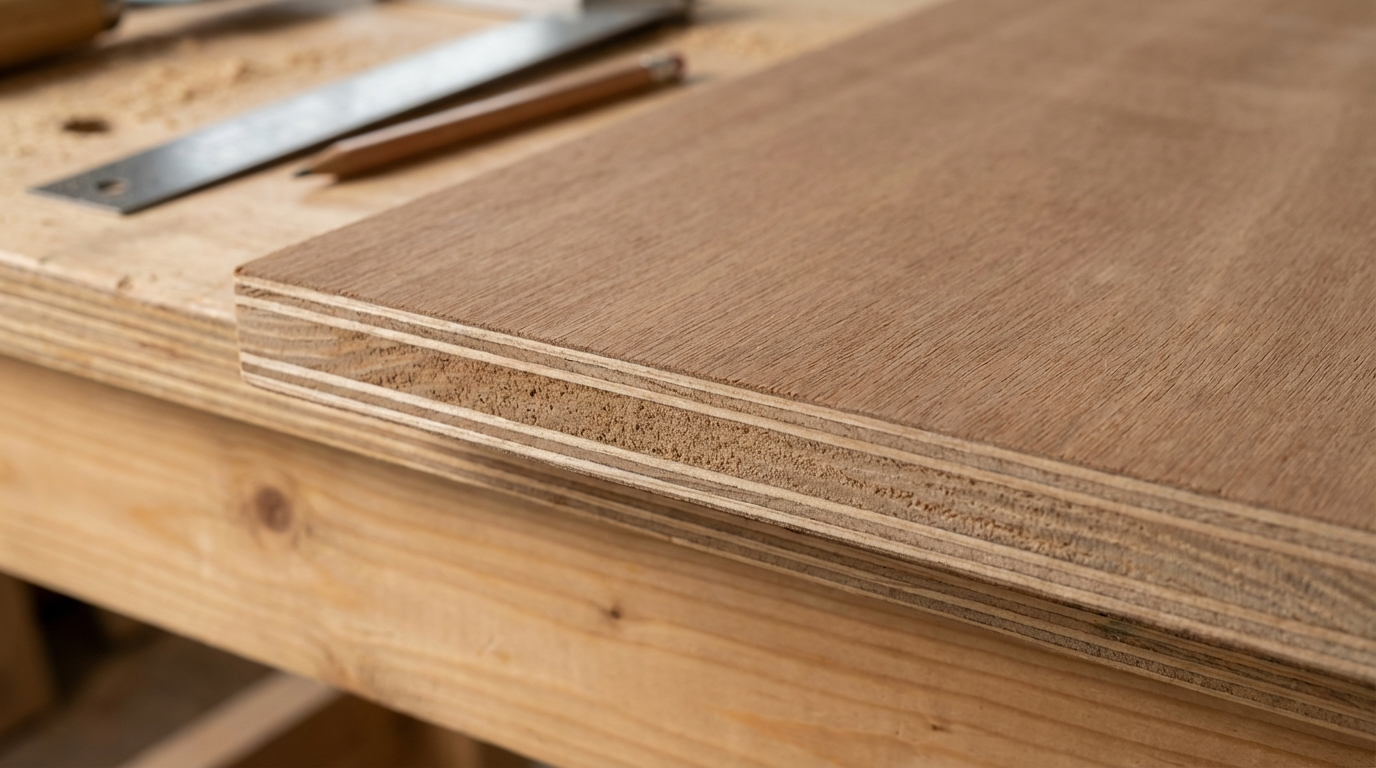
Fire retardant plywood is specially treated plywood that resists ignition, slows flame spread, and reduces smoke generation during fire incidents, conforming to IS 5509 standards in India.
In simple terms, fire retardant (FR) plywood undergoes chemical treatment during or after manufacturing that significantly delays its combustion when exposed to fire. Unlike regular plywood that catches fire quickly and spreads flames rapidly, FR grade plywood provides crucial extra minutes—typically 15 to 30 minutes—for evacuation and firefighting response. This makes it mandatory for commercial buildings, public spaces, and high-risk residential applications across India.
- IS 5509:2021 is the governing Indian Standard for fire retardant plywood specifications
- FR plywood must also comply with IS 303 BWR grade specifications for moisture resistance
- Testing is conducted as per IS 1734 (Part 3) for flammability characteristics
- Treatment methods include pressure impregnation and surface coating
- Six types of chemical treatments are recognized under the standard
- Commercial buildings in India require FR plywood as per National Building Code
What Exactly is Fire Retardant Plywood?
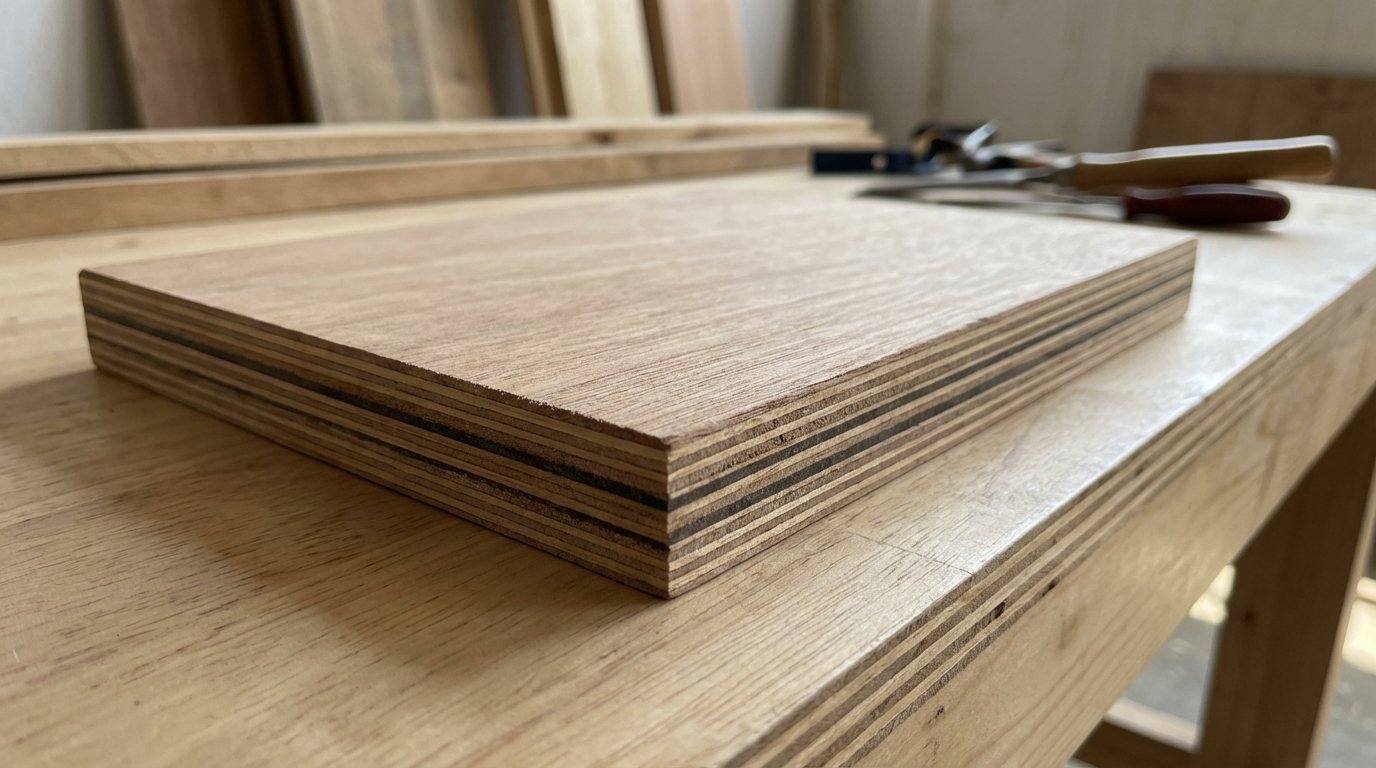
Fire retardant plywood is engineered wood that has been chemically treated to significantly reduce its flammability and combustion rate. The treatment introduces fire-inhibiting chemicals into the wood structure, creating a protective barrier that activates when exposed to high temperatures or flames.
The manufacturing process involves impregnating standard plywood with fire retardant chemicals through pressure treatment or vacuum processes. These chemicals work by releasing water vapor and forming a protective char layer when heated, effectively insulating the underlying wood from flames. According to duroboil.com's material research, properly treated FR plywood can delay flame penetration by up to 20-30 minutes compared to untreated plywood.
Fire retardant treatment doesn't make plywood completely fireproof—this is a critical distinction. Instead, it dramatically slows the burning process, reduces smoke generation, and prevents the rapid spread of flames across surfaces. This delay provides invaluable time for building occupants to evacuate and for emergency services to respond.
Full Form: What Does FR Plywood Stand For?
FR stands for Fire Retardant in the plywood industry. You may also encounter related terms like FRP (Fire Retardant Plywood), FR Grade, or Fire Resistant Plywood. While "fire resistant" is sometimes used interchangeably, the technically accurate term is "fire retardant" because the treatment retards or slows fire rather than completely resisting it.
In industry terminology, you'll find references to Class 1 Fire Rated plywood, which indicates the highest level of fire retardant performance. The BIS (Bureau of Indian Standards) certification mark on FR plywood confirms compliance with IS 5509 specifications.
Types of Fire Retardant Plywood Available in India
The IS 5509:2021 standard recognizes six distinct types of fire retardant plywood based on the chemical treatment used. Each type offers specific performance characteristics suited to different applications and environmental conditions.
| Type | Chemical Treatment | Best For | Moisture Performance | Price Range (₹/sq ft) | Availability |
|---|---|---|---|---|---|
| Type 1 | Ammonium phosphate compounds | Interior dry areas | Moderate | ₹85-120 | Widely available |
| Type 2 | Ammonium sulphate compounds | General commercial use | Moderate | ₹90-130 | Widely available |
| Type 3 | Boron-based compounds | Humid environments | Good | ₹100-140 | Common in metros |
| Type 4 | Phosphate-borate combinations | Multi-purpose applications | Good | ₹110-150 | Common in metros |
| Type 5 | Guanidine phosphate compounds | Premium commercial projects | Excellent | ₹130-180 | Limited to major cities |
| Type 6 | Other approved compounds | Specialized applications | Varies | ₹120-200 | Project-specific |
Which Type for Commercial Kitchens and High-Risk Areas?
Commercial kitchens, server rooms, and electrical panel areas require Type 3, Type 4, or Type 5 FR plywood. These areas face both fire risk and moisture exposure, demanding treatments that maintain effectiveness in humid conditions. Boron-based (Type 3) and phosphate-borate (Type 4) treatments offer the best balance of fire retardancy and moisture stability.
For restaurant kitchens specifically, always opt for FR plywood that also meets BWR (Boiling Water Resistant) specifications. This dual compliance ensures the plywood handles cooking steam and occasional water exposure without compromising its fire retardant properties.
Which Type for Office Interiors and Partitions?
Standard office partitions, false ceilings, and furniture in air-conditioned environments perform well with Type 1 or Type 2 FR plywood. These areas have controlled humidity, reducing the need for advanced moisture-resistant treatments. The cost savings on Type 1 and Type 2 make them practical choices for large-scale office fitouts.
However, for offices in coastal cities like Mumbai, Chennai, or Kolkata, upgrading to Type 3 or Type 4 is advisable. The ambient humidity in these regions can affect the long-term stability of fire retardant chemicals in basic treatment types.
Technical Specifications
Understanding the technical specifications of FR plywood helps you verify quality and ensure compliance with project requirements. The IS 5509:2021 standard sets clear parameters for dimensions, performance, and testing.
| Specification | Standard Requirement | What It Means for Users |
|---|---|---|
| Thickness Range | 4mm to 40mm | 4-6mm for paneling, 12-19mm for furniture, 19-25mm for structural use |
| Standard Size | 2440mm x 1220mm (8ft x 4ft) | Indian standard sheet size, some manufacturers offer custom sizes |
| Density | Minimum 550 kg/m³ | Higher density indicates better quality core |
| Moisture Content | 8-12% | Lower moisture ensures better stability and chemical retention |
| Flame Penetration Time | Minimum 15 minutes | Time before flames penetrate through the sheet thickness |
| Rate of Burning | Maximum 40mm/minute | Speed at which fire spreads across the surface |
| Static Bending Strength | Minimum 40 N/mm² (along grain) | Structural integrity for load-bearing applications |
The testing protocols under IS 1734 (Part 3) evaluate three critical fire performance parameters: flammability, flame penetration time, and rate of burning. Commercial projects should request test certificates showing compliance with all three parameters from manufacturers.
Common Misconceptions Cleared
Myth 1: Fire retardant plywood is completely fireproof.
Reality: FR plywood significantly delays combustion but will eventually burn under sustained fire exposure. It buys time for evacuation, not complete fire immunity.
Myth 2: Regular BWR plywood offers adequate fire resistance.
Reality: BWR and marine grade plywood use phenolic resins that offer minimal flame resistance. They don't meet IS 5509 fire retardant specifications and cannot legally replace FR grade in commercial applications.
Myth 3: Fire retardant treatment weakens plywood strength.
Reality: Properly treated FR plywood maintains 90-95% of its original bending strength. Quality manufacturers ensure treatment doesn't compromise structural integrity.
Myth 4: All FR plywood products are the same.
Reality: Six different treatment types exist under IS 5509, each with varying performance in different conditions. Choosing the wrong type for your application can reduce effectiveness.
Myth 5: FR treatment lasts forever without maintenance.
Reality: Fire retardant chemicals can leach out over time, especially in high-humidity environments. Periodic inspection and potential re-treatment may be necessary for long-term installations.
Myth 6: FR plywood eliminates the need for other fire safety measures.
Reality: FR plywood is one component of comprehensive fire safety. Sprinkler systems, fire extinguishers, smoke detectors, and evacuation plans remain essential.
Advantages and Limitations
Making an informed decision requires understanding both what FR plywood can and cannot do. Here's an honest assessment based on duroboil.com's analysis of real-world performance.
Advantages
Extended evacuation time: FR plywood provides 15-30 additional minutes before flame penetration, which can be life-saving in commercial buildings with many occupants.
Reduced smoke generation: Chemical treatments significantly reduce toxic smoke production, improving visibility during evacuation and reducing smoke inhalation injuries.
Building code compliance: Using FR plywood ensures compliance with National Building Code requirements for commercial establishments, avoiding legal penalties and insurance issues.
Lower insurance premiums: Many insurance companies offer reduced premiums for buildings using certified fire retardant materials throughout their interiors.
Self-extinguishing properties: Quality FR plywood stops burning once the flame source is removed, preventing small incidents from escalating into major fires.
Workability retained: FR plywood can be cut, drilled, and machined using standard woodworking tools without special equipment requirements.
Finish compatibility: FR plywood accepts laminates, veneers, paint, and other finishes similar to regular plywood.
Limitations
Higher cost: FR plywood typically costs 40-80% more than equivalent BWR grade plywood, significantly impacting project budgets for large installations.
Limited exterior use: Most fire retardant treatments are water-soluble and unsuitable for exterior applications or areas with direct water exposure.
Treatment degradation: Fire retardant effectiveness can diminish over 10-15 years, particularly in humid environments, potentially requiring replacement or re-treatment.
Availability constraints: Higher-grade FR plywood (Type 5, Type 6) may have limited availability outside major metropolitan areas, causing project delays.
Weight increase: Chemical treatment adds 5-10% to plywood weight, which may affect handling and installation in overhead applications.
Edge sealing essential: Cut edges expose untreated core, requiring proper sealing to maintain fire retardant properties throughout the installation.
Best Applications in Indian Commercial Buildings
Fire retardant plywood serves critical roles across various commercial applications in India. Understanding optimal applications ensures you're investing in FR grade where it matters most.
Mandatory Applications (Per National Building Code)
False ceilings in public buildings: Shopping malls, hospitals, schools, and cinema halls require FR plywood or equivalent materials for all ceiling installations. This prevents fire spread through ceiling voids, which can rapidly affect entire buildings.
Commercial kitchen cabinetry: Restaurant, hotel, and canteen kitchens must use FR grade materials for all fixed furniture due to high fire risk from cooking equipment and gas installations.
Electrical panel room interiors: Server rooms, electrical distribution areas, and UPS rooms require FR materials to contain potential electrical fires and protect critical infrastructure.
Emergency exit pathways: Wall paneling and fixtures along escape routes must be fire retardant to ensure these critical pathways remain passable during fire emergencies.
Recommended Applications
Office partitions and workstations: Large open-plan offices benefit from FR partitions that create fire barriers, slowing spread between work areas.
Retail store fixtures: Display units, counters, and storage furniture in retail environments handle significant footfall and benefit from enhanced fire safety.
Hotel room furniture: Wardrobes, headboards, and storage units in hotel rooms protect guests who may be unfamiliar with building layouts during emergencies.
Hospital furniture: Patient areas, nursing stations, and waiting room furniture benefit from FR materials, protecting vulnerable occupants.
Climate Considerations for India
India's diverse climate zones affect FR plywood selection:
Coastal regions (Mumbai, Chennai, Kolkata, Kochi): High humidity accelerates leaching of water-soluble fire retardant chemicals. Use Type 3 or higher treatments and ensure proper edge sealing.
Hot-dry regions (Delhi NCR, Rajasthan, Gujarat): Extreme summer temperatures don't significantly affect FR properties, but ensure storage and installation avoid direct sun exposure that can cause warping.
Humid tropical (Kerala, Karnataka coast, Northeast): Year-round humidity demands Type 4 or Type 5 treatments with additional moisture-resistant specifications.
Quality Verification (Without Lab Tests)
Verifying FR plywood quality on-site requires knowing what to look for. These practical checks help identify genuine products before purchase.
Check 1: BIS Certification Mark
Every genuine FR plywood sheet must display the ISI mark along with the license number and IS 5509 reference. The mark should be clearly visible, not easily scratched off, and include the manufacturer's details.
Check 2: Request Test Certificates
Ask dealers for batch-specific test certificates from BIS-recognized laboratories. Certificates should show compliance with flammability, flame penetration time, and rate of burning parameters.
Check 3: Visual Inspection
FR plywood often has a slightly different color or surface texture compared to regular plywood due to chemical treatment. Some manufacturers use color-coded edge paint to identify FR products.
Check 4: Weight Comparison
FR plywood is typically 5-10% heavier than equivalent untreated plywood due to chemical impregnation. A significantly lighter sheet may indicate inadequate treatment.
Check 5: Verify Treatment Type
The license certificate should clearly state the treatment type (Type 1 through Type 6). Ensure the specified type matches your application requirements.
Check 6: Dealer Authorization
Purchase from authorized dealers who can provide manufacturer warranty cards and after-sales support. Unauthorized sellers may stock older, improperly stored, or counterfeit products.
Red Flags to Avoid
- Missing or unclear ISI marking
- Unusually low prices compared to market rates
- Reluctance to provide test certificates
- Damaged packaging or signs of moisture exposure
- Mixed batches with inconsistent marking
IS 5509:2021 Compliance Requirements
The IS 5509:2021 standard establishes comprehensive requirements that manufacturers must meet for fire retardant plywood certification. Understanding these requirements helps specifiers ensure proper compliance.
Treatment Methods Under IS 5509
Pressure impregnation: The most effective treatment method where plywood is placed in a sealed chamber, vacuum is applied to remove air from wood cells, and fire retardant solution is forced in under high pressure. This ensures deep penetration throughout the plywood thickness.
Vacuum treatment: A less intensive version where chemical solution is drawn into the wood using vacuum alone. Provides moderate penetration suitable for lower-risk applications.
Soaking treatment: Plywood is submerged in fire retardant solution for extended periods. The simplest method but offers limited penetration depth, suitable only for thin sheets in low-risk areas.
According to duroboil.com's technical analysis, pressure impregnation remains the gold standard for commercial applications where maximum fire protection is essential.
Testing Requirements
| Test Parameter | Standard Reference | Acceptance Criteria |
|---|---|---|
| Flammability | IS 1734 (Part 3) | Should self-extinguish within 10 seconds |
| Flame Penetration | IS 1734 (Part 3) | Minimum 15 minutes before penetration |
| Rate of Burning | IS 1734 (Part 3) | Maximum 40mm per minute |
| Water Resistance | IS 303 | Must meet BWR specifications |
| Moisture Content | IS 5509 | 8-12% range |
| Bending Strength | IS 5509 | Minimum 40 N/mm² (along grain) |
ECO-Mark Eligibility
IS 5509:2021 includes provisions for ECO-Mark certification, ensuring fire retardant treatments meet environmental safety requirements. Products with ECO-Mark use chemicals that don't release harmful substances during normal use or in fire conditions.
Care and Maintenance
Proper maintenance ensures FR plywood retains its fire retardant properties throughout its service life. Unlike regular plywood, FR materials require specific care considerations.
Daily Care
- Clean surfaces with dry or slightly damp cloth
- Avoid water pooling on horizontal surfaces
- Wipe up spills immediately to prevent moisture penetration
- Keep away from direct heat sources that could degrade chemical treatment
Cleaning Methods
For laminated FR plywood: Use mild detergent solution, wipe with damp cloth, and dry immediately. Avoid abrasive cleaners that can damage the laminate surface.
For painted FR plywood: Use soft cloth with water. For stubborn marks, use appropriate paint-safe cleaners recommended by the paint manufacturer.
For raw FR plywood: Dust regularly with dry cloth. Avoid any water-based cleaning as it can leach fire retardant chemicals from the surface.
Long-Term Maintenance
Annual inspection: Check for signs of moisture damage, delamination, or surface degradation. Pay special attention to edges and areas near water sources.
Edge sealing: Inspect and re-seal cut edges every 2-3 years in humid environments. Use appropriate sealants recommended for FR plywood.
Re-treatment consideration: For installations older than 10 years in high-humidity environments, consult manufacturers about surface re-treatment options or replacement planning.
Price Guide and Market Information
FR plywood pricing varies significantly based on treatment type, thickness, core quality, and geographic location. These ranges provide general market guidance for budget planning.
| Thickness | Type 1-2 Range (₹/sq ft) | Type 3-4 Range (₹/sq ft) | Type 5-6 Range (₹/sq ft) |
|---|---|---|---|
| 6mm | ₹55-75 | ₹70-95 | ₹90-120 |
| 9mm | ₹65-90 | ₹85-110 | ₹105-140 |
| 12mm | ₹80-105 | ₹100-130 | ₹125-165 |
| 18mm | ₹100-135 | ₹130-170 | ₹165-215 |
| 19mm | ₹110-145 | ₹140-185 | ₹180-235 |
| 25mm | ₹140-185 | ₹180-235 | ₹230-300 |
Note: Prices vary by region and dealer. Metro cities typically see 10-15% higher prices than tier-2 cities. Confirm current rates with local authorized dealers.
Factors Affecting FR Plywood Prices
- Core wood species: Gurjan core commands premium over poplar or eucalyptus
- Treatment depth: Full pressure impregnation costs more than surface treatment
- Brand reputation: Established manufacturers with consistent quality charge premium
- Certification level: Products with additional certifications (ECO-Mark, GRIHA) cost more
- Volume discounts: Bulk orders for commercial projects can reduce per-unit costs by 8-15%
Frequently Asked Questions
Is fire retardant plywood completely fireproof?
No, fire retardant plywood is not completely fireproof. It is designed to significantly slow down the combustion process, typically providing 15-30 minutes of additional time before flame penetration compared to untreated plywood. FR plywood will eventually burn under sustained fire exposure. The treatment's primary purpose is to delay fire spread, reduce smoke generation, and provide extra evacuation time—not to create a completely fire-immune material. Always combine FR plywood with other fire safety measures like sprinklers, extinguishers, and proper evacuation plans.
Is fire retardant plywood suitable for kitchen use?
Yes, fire retardant plywood is highly recommended for kitchen applications, especially commercial kitchens. However, you should select FR plywood that also complies with BWR (Boiling Water Resistant) specifications to handle kitchen humidity and occasional water exposure. For residential kitchens, FR grade provides excellent protection around gas stoves, electrical appliances, and cooking areas. Ensure all cut edges are properly sealed to maintain both fire retardant and moisture-resistant properties. Commercial kitchens in India are mandated by building codes to use FR materials.
How long does fire retardant treatment last?
Fire retardant treatment typically remains effective for 10-15 years under normal indoor conditions. However, effectiveness can diminish faster in high-humidity environments where water-soluble fire retardant chemicals may leach out over time. Coastal areas and regions with monsoon exposure require more frequent inspection. For installations exceeding 10 years, particularly in humid conditions, consider professional assessment of fire retardant effectiveness. Proper edge sealing and avoiding water exposure significantly extend treatment life.
What is the difference between FR plywood and BWR plywood?
FR (Fire Retardant) plywood is chemically treated to resist fire and slow flame spread, while BWR (Boiling Water Resistant) plywood is manufactured to resist moisture and water damage. These are different properties addressing different concerns. BWR plywood uses phenolic resins that provide minimal flame resistance—it will burn normally when exposed to fire. Quality FR plywood should also meet BWR specifications, giving you both fire retardancy and moisture resistance. For commercial applications requiring fire safety compliance, only IS 5509 certified FR plywood is acceptable.
Where is fire retardant plywood mandatory in India?
According to the National Building Code of India, fire retardant plywood is mandatory in several commercial applications: false ceilings in public buildings (malls, hospitals, schools, theaters), commercial kitchen interiors, electrical panel rooms, server rooms, emergency exit pathway wall paneling, and high-rise building interiors above certain heights. Hotels, restaurants, offices above 15 meters height, and industrial facilities storing flammable materials also require FR materials. Local fire department regulations may have additional requirements specific to your city or project type.
How do I verify if FR plywood is genuine?
Genuine FR plywood carries the ISI mark with license number and IS 5509 reference clearly visible on each sheet. Request batch-specific test certificates from BIS-recognized laboratories showing compliance with flammability, flame penetration, and burning rate tests. Purchase from authorized dealers who provide manufacturer warranty cards. FR plywood typically weighs 5-10% more than equivalent regular plywood due to chemical impregnation. Be suspicious of unusually low prices, missing certifications, or dealers unwilling to provide documentation.
Can fire retardant plywood be laminated?
Yes, fire retardant plywood accepts laminate finishes similar to regular plywood. You can apply HPL (High Pressure Laminate), decorative veneers, acrylic sheets, or paint finishes. However, the laminate material itself should also meet fire safety standards for comprehensive protection. Some manufacturers offer pre-laminated FR plywood with fire-rated laminates. When applying laminates on-site, ensure the adhesive used doesn't compromise fire retardant properties—consult the FR plywood manufacturer for compatible adhesive recommendations.
What are the different types of fire retardant plywood available?
IS 5509:2021 recognizes six types of FR plywood based on chemical treatment: Type 1 (ammonium phosphate), Type 2 (ammonium sulphate), Type 3 (boron compounds), Type 4 (phosphate-borate combinations), Type 5 (guanidine phosphate), and Type 6 (other approved compounds). Types 1-2 suit dry interior applications, Types 3-4 work well in humid environments, and Type 5 offers premium protection for high-risk areas. Each type has different moisture resistance and effectiveness characteristics. Choose based on your specific application and environmental conditions.
Does fire retardant treatment affect plywood strength?
Quality fire retardant treatment maintains 90-95% of original plywood strength. IS 5509 specifies minimum bending strength requirements that treated plywood must meet. Reputable manufacturers ensure the treatment process doesn't significantly compromise structural integrity. However, poor quality treatments or over-concentration of chemicals can reduce strength. Always verify that your FR plywood carries proper BIS certification, which confirms strength testing compliance. For structural applications, request strength test certificates along with fire performance documentation.
How should fire retardant plywood be stored before installation?
Store FR plywood in dry, covered areas away from direct sunlight and moisture. Stack sheets flat on raised platforms to prevent ground moisture absorption. Maintain at least 150mm clearance from walls for air circulation. Avoid plastic covers that trap condensation—use breathable tarpaulins if outdoor temporary storage is unavoidable. Allow plywood to acclimatize to installation environment for 48-72 hours before use. Improper storage can cause warping, delamination, and leaching of fire retardant chemicals, reducing both structural integrity and fire protection effectiveness.
Note: This is independent editorial content. Duroboil.com is not affiliated with any plywood manufacturer mentioned in this guide. Always verify specifications, certifications, and prices with authorized dealers before purchase.
Disclaimer: This content is provided for general informational purposes based on industry practices and publicly available information. Product specifications, standards, prices, and availability may vary by manufacturer, region, and time. Readers should independently verify details with manufacturers, dealers, or qualified professionals before making purchase or construction decisions.
Want Plywood Suggestions?
Share a few details and a Duro BOIL specialist will suggest suitable brands and connect you to responsive dealers.