HDHMR board explained: where it beats MDF
HDHMR board explained: where it beats MDF: a practical India-focused guide with checklists, FAQs and quick tables to help you choose the right board for your
Quick Decision Summary
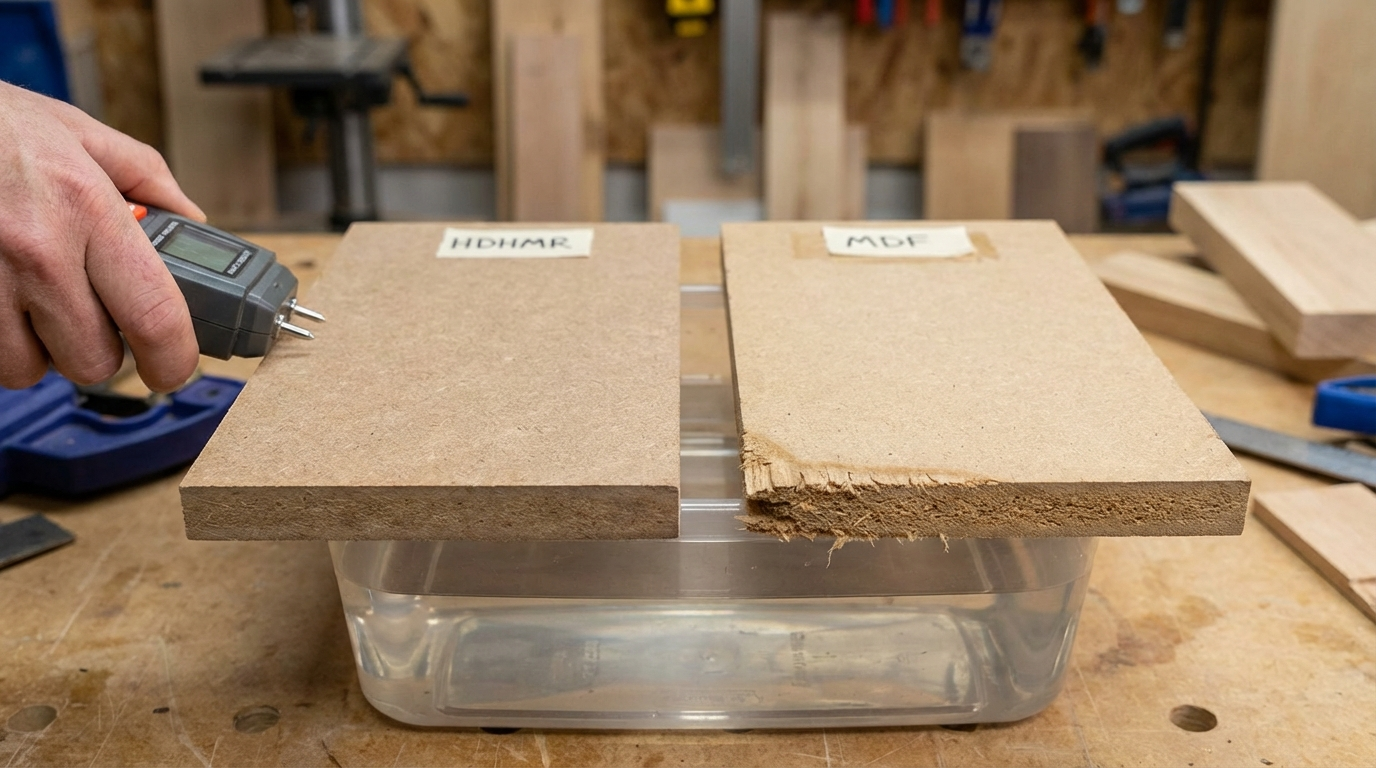
HDHMR outperforms MDF in high-humidity zones like Indian kitchens and wardrobes due to higher density and better moisture resistance.
If you're in a hurry: Opt for HDHMR over MDF when facing monsoons, coastal dampness, or heavy daily use—its denser structure resists swelling, holds screws tighter, and withstands scratches better. MDF suits dry, low-wear interiors on tighter budgets where smooth painting matters more. In India, where humidity spikes ruin standard boards, HDHMR cuts long-term headaches, but seal edges properly regardless. Check density by feel and screw test before buying.
- Choose HDHMR if: humid areas, load-bearing shelves, modular furniture, termite-prone zones.
- Avoid HDHMR if: ultra-low budget, intricate carvings needing easy machining, fully dry bedrooms only.
What HDHMR Board Actually Means (And Common Confusions)
HDHMR stands for High Density High Moisture Resistant board, an engineered product from wood fibers compressed at high pressure with moisture-resistant resins. Unlike standard MDF (Medium Density Fiberboard), which uses basic urea-formaldehyde glue for dry interiors, HDHMR achieves 800+ kg/m³ density for rigidity and reduced water absorption.
Where people get confused:
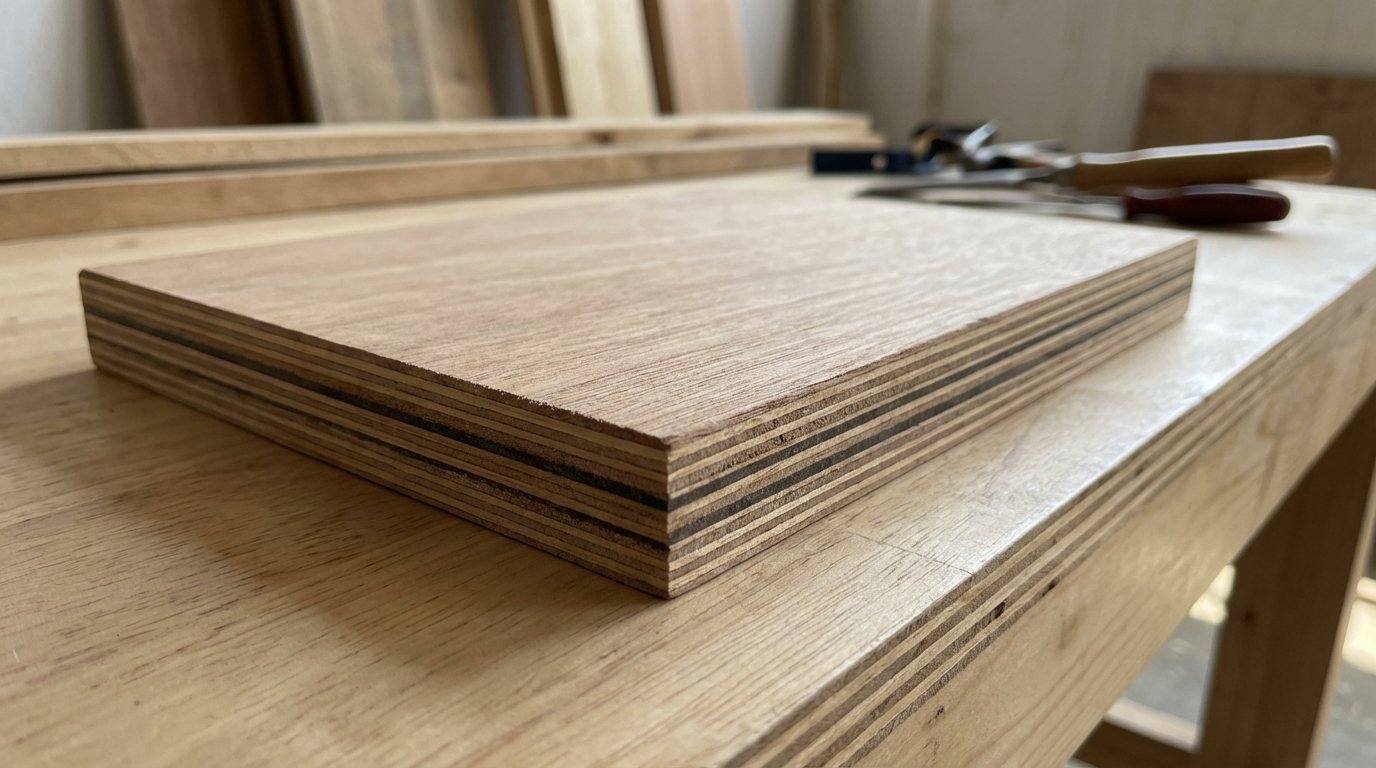
- Thinking it's plywood—it's fiber-based, smoother but less "woody" feel.
- Assuming full waterproofing—handles humidity/boiling water cycles better than MDF but needs edge sealing.
- Believing density equals weight savings—no, it's heavier per sheet.
- Mixing with HDF (High Density Fiberboard)—HDHMR adds moisture tech.
- Expecting same machinability as MDF—dulls tools faster due to hardness.
What is the full form of HDHMR?
HDHMR means High Density High Moisture Resistant, describing its core traits: density above 800 kg/m³ for strength and specialized resins limiting moisture uptake to under 10% in tests. This makes it ideal for India's variable climate, outperforming MDF's 600-750 kg/m³ in screw grip and warp resistance. Nuance: Density varies by batch; verify by tapping for solid sound. Next step: Ask suppliers for density specs and compare sheet weights visually.[[1]](https://appleplywoods.com/what-is-hdhmr-board/)[[2]](https://www.magicbricks.com/blog/hdhmr-board/136341.html)
India-Specific Reality Check
In monsoon-heavy regions like Mumbai or Kerala, standard MDF swells 20-30% more from humidity, leading to sagging cabinets. HDHMR's resins handle 90%+ RH without delamination, but poor storage (direct ground contact) ruins any board. Coastal salt air accelerates corrosion on fittings, so pair with stainless hardware. Contractor workflows favor HDHMR for faster installs in apartments, but uncalibrated sheets cause alignment issues on uneven walls.
Two-Minute Comparison That Actually Helps
| Factor | HDHMR | MDF | Choose Based On |
|---|---|---|---|
| Density/Strength | High (scratch/load resistant) | Medium (lighter duty) | Heavy shelves/kids' rooms |
| Moisture Resistance | High (humidity/boil cycles) | Low (swells easily) | Kitchens/coastal homes |
| Screw Holding | Superior (no pull-out) | Average (strips faster) | Modular fittings |
| Machinability | Harder (dulls tools) | Easy/smooth cuts | Budget tools/time |
| Cost | Higher | Lower | Budget vs longevity |
Is HDHMR stronger than MDF?
Yes, HDHMR's higher density provides better impact/scratch resistance and screw retention, crucial for Indian homes with active kids or heavy utensils. MDF flexes under load, risking shelf collapse. Condition: Strength shines in framed constructions; standalone panels need support. Verify: Insert screw, tug hard—no wobble means good. Next: Test samples from supplier before bulk order.[[3]](https://materialdepot.in/qna/how-is-hdhmr-different-from-mdf%2C-hdf%2C-and-plywood-hdhmr?srsltid=AfmBOorO_quOJA4ZcE2KyK1WNJqGB0gnPGWe0eh16qqWtegZr4z9r8ro)
Price Range and Cost Drivers (India)
HDHMR typically costs 1.5-2.5 times more than plain MDF, with 18mm sheets often ranging ₹70-₹150 per sq ft before lamination, varying by city (higher in metros), thickness (16-25mm), and plain vs pre-lam. Cost drivers: Core fiber quality, resin type, calibration flatness, edge finish, transport from factory. Monsoon surcharges add 10-20% in wet seasons.
How to ask for a quote checklist:
- Specify thickness/mm, size (8x4 ft standard).
- Mention plain or laminated, moisture grade.
- Ask density kg/m³ and screw hold test.
- Include delivery/storage fees.
- Request sample for tap/moisture check.
Mini budget example: 20 sqm wardrobe—HDHMR at mid-range adds ₹15,000-₹25,000 vs MDF, offset by no repairs in 3 years.
How to Choose in 5 Steps
- Assess exposure: Humidity >70% RH? HDHMR. Dry interiors? MDF ok.
- Check density: Heft sheet; solid thud on tap.
- Test screw grip: Drill pilot, insert 2-inch screw, pull—no spin.
- Inspect surface: Uniform color, no lumps/voids.
- Confirm sealing plan: Edges must be banded/lacquered.
Skip steps? Expect swelling in first monsoon.
Can HDHMR replace plywood entirely?
Not always—HDHMR excels in flush panels/modulars but plywood better for structural framing needing bend strength. In India, hybrid use common: HDHMR shutters on plywood frames for kitchens. Nuance: HDHMR lighter, termite-resistant fibers suit apartments. Check: Compare weights for stairs. Next: Spec hybrids in carpenter brief.[[4]](https://www.appleply.in/blog/hdhmr-board-vs-plywood)
Trade-offs and Limitations
HDHMR's density boosts durability but demands sharper tools, raising carpenter costs 10-20%. Not for direct water (showers)—seal failures expose limits. Heavier sheets complicate solo handling. Paint adhesion good but pre-lams limit custom colors. In extreme heat (>45°C), resins can off-gas if unsealed.
Is HDHMR suitable for kitchens in India?
Yes, for cabinets/wardrobes in steamy Indian kitchens, as it resists humidity-induced swelling better than MDF. Not for sink counters without extra waterproofing. Condition: Edge-band fully, ventilate post-cooking. Practical step: Wipe spills immediately; check for soft spots quarterly.[[5]](https://woodologyworld.com/top-hdhmr-board-companies-in-india-why-woodology-world-leads-the-market/)
Common Buyer Mistakes and How to Avoid Them
- Mistake: Ignoring humidity zone. Why: Dry-area pricing blindsides. Instead: Map rooms by RH.
- Mistake: Buying uncalibrated sheets. Why: Uneven cuts waste 15%. Instead: Ruler-check flatness.
- Mistake: Skipping edge sealing. Why: Moisture wicks in. Instead: Insist on PVC banding.
- Mistake: Overloading shelves sans frame. Why: Even HDHMR sags. Instead: Add cleats.
- Mistake: Tooling with dull blades. Why: Chipping edges. Instead: Use carbide tips.
- Mistake: Ground storage. Why: Damp absorption. Instead: Pallet elevate.
- Mistake: Cheap fittings. Why: Pulls out density advantage. Instead: Heavy-duty hinges.
- Mistake: No ventilation spec. Why: Steam buildup. Instead: Exhaust fans mandatory.
Failure Modes and Fixes
- Symptom: Edge swelling. Cause: Unsealed cut. Prevent: Immediate banding. If happening: Sand, reseal.
- Symptom: Screw pull-out. Cause: Repeated opens. Prevent: Pilot holes. If: Longer screws + glue.
- Symptom: Surface scratches. Cause: Abrasive cleaners. Prevent: Microfiber only. If: Laminate overlay.
- Symptom: Lam peeling. Cause: Poor glue. Prevent: Pre-lam preferred. If: Heat gun + new lam.
- Symptom: Sagging shelf. Cause: Span too wide. Prevent: <60cm unsupported. If: Add brackets.
- Symptom: Fungal spots. Cause: Trapped moisture. Prevent: Dry install. If: Bleach wipe, ventilate.
Does HDHMR warp like MDF?
Far less, thanks to dense fibers and resins stabilizing against humidity swings common in Indian monsoons. MDF warps visibly in weeks; HDHMR holds shape. Nuance: Extreme direct wetting still risks it. Check: Flex sheet ends—no bow. Next: Store vertically pre-install.[[6]](https://www.quora.com/Why-is-HDHMR-and-not-BWP-in-interior-design)
Quality Checks You Can Do Without Lab Tests
Before buying: Tap center—dull thud bad, crisp good. Heft corner—feels solid? Smell resins, not chemical stink. Visual: No pits/swirls.
After cutting: Edges smooth? No fuzz from low density. Screw test: 5 pulls firm.
After install: Wipe wet cloth on edge—dry quick? Doors align flush.
Decision Framework Table
| Condition | Recommended | Verify |
|---|---|---|
| High humidity/monsoon | HDHMR | Boil test sample |
| Coastal/salt air | HDHMR | Termite fiber claim |
| Heavy use/kids | HDHMR | Scratch with key |
| Tight budget/dry room | MDF | Smooth paint test |
| High scratch risk | HDHMR | Density heft |
| Fast delivery | Either local stock | Calibration ruler |
How to check HDHMR quality on site?
Tap for uniform density sound, screw-holding tug test, visual uniformity, and heft comparison to MDF sample. In India, reject bubbly surfaces hinting voids. Nuance: Batch variations common. Next: Demand supplier demo these checks.[[7]](https://www.youtube.com/watch?v=eD0Q1ZMATBE)
Tips for Homeowners: Durability Do's and Don'ts
- Do: Seal edges, use SS fittings, ventilate kitchens.
- Don't: Harsh chemicals, overload, ignore spills.
Carpenter Tips: Working with HDHMR
Sharpen blades often, pilot drill all holes, edge-band before assembly, frame heavy spans, handle with gloves to avoid resins.
Architect/Designer Tips
Spec density >800kg/m³, detail edge returns, hybrid with plywood frames, wet-zone min 18mm, matte finishes for fingerprints.
Is HDHMR termite resistant?
Often yes, due to fiber treatment and no solid wood appeal, outperforming untreated MDF in borer-prone India. Not chemical-proof forever. Condition: Pair with repellents. Check: No entry holes post-install. Next: Annual inspect joints.[[8]](https://setkar.in/wpc-vs-hdhmr-full-comparison-buying-guide/)
FAQs
What thickness of HDHMR for wardrobes?
18mm standard for shutters/shelves in Indian wardrobes balances strength and weight; 16mm for partitions, 25mm for bases if wet-prone. Thinner risks flex, thicker adds cost. Consider modular heights—over 2m needs framing. Always calibrate for flush fits.
Can HDHMR be painted?
Yes, its smooth dense surface takes paint/lacquer evenly, better than plywood grain. Prime first to block resins. In humid homes, use moisture-cure topcoats. Test small area for adhesion.
HDHMR vs HDF: Key difference?
HDHMR emphasizes moisture resistance via resins; HDF focuses density alone. HDHMR suits steamy India better. Both beat MDF, but verify screw hold for your project.
Is HDHMR eco-friendly?
Uses fast-growth fibers, low-formaldehyde resins often E1 grade, recyclable scraps. Greener than tropical plywood logging. Check supplier FSC-like claims locally.
How long does HDHMR last in India?
10-20 years with proper sealing/use in interiors; monsoons shorten if unsealed. Outlasts MDF 2x in humidity. Maintenance key.
HDHMR for bathroom cabinets?
Viable if indirect moisture, fully sealed; avoid direct splashes. Better than MDF, but BWP plywood for heavy wet. Ventilate well.
Does HDHMR need special tools?
Carbide blades/saws recommended; standard dull quicker. Dust extraction vital for health in small shops.
HDHMR weight vs MDF?
Heavier by 20-30% per sheet due to density—plan lifting for 8x4x18mm ~50kg. Easier transport fewer trips? No.
Can I use HDHMR outdoors?
No, not for exposure—UV/moisture degrade resins. Interior only, covered verandas max with sealant.
Disclaimer: This content is provided for general informational purposes based on industry practices and publicly available information. Product specifications, standards, prices, and availability may vary by manufacturer, region, and time. Readers should independently verify details with manufacturers, dealers, or qualified professionals before making purchase or construction decisions.Want Plywood Suggestions?
Share a few details and a Duro BOIL specialist will suggest suitable brands and connect you to responsive dealers.