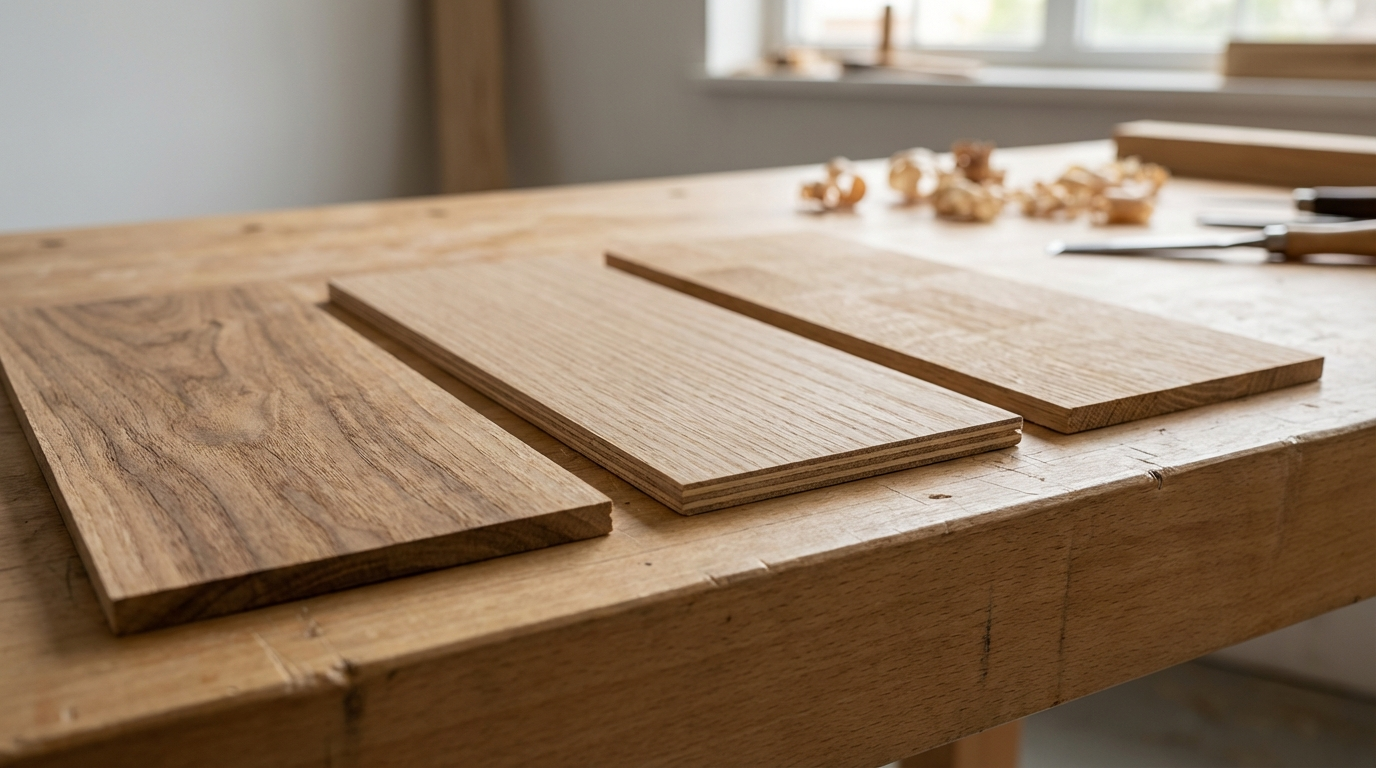
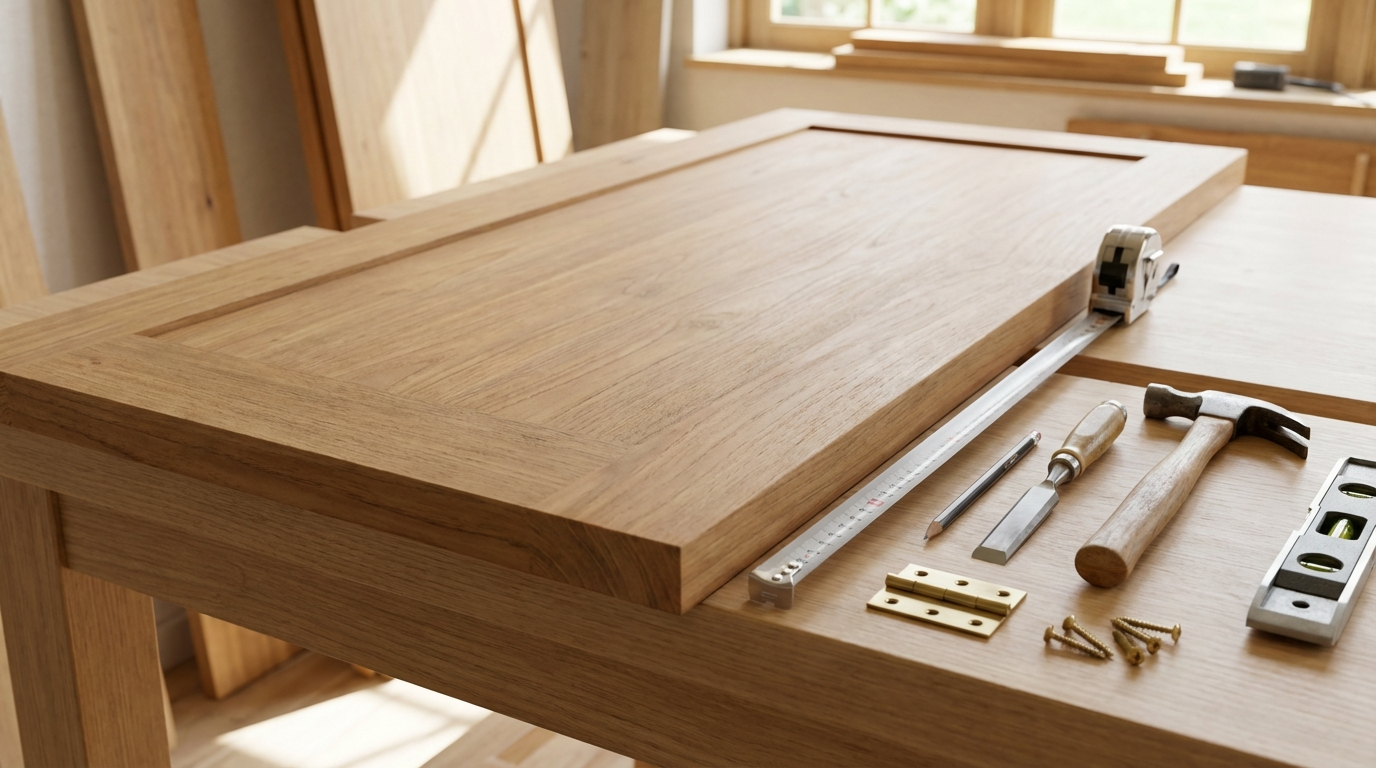
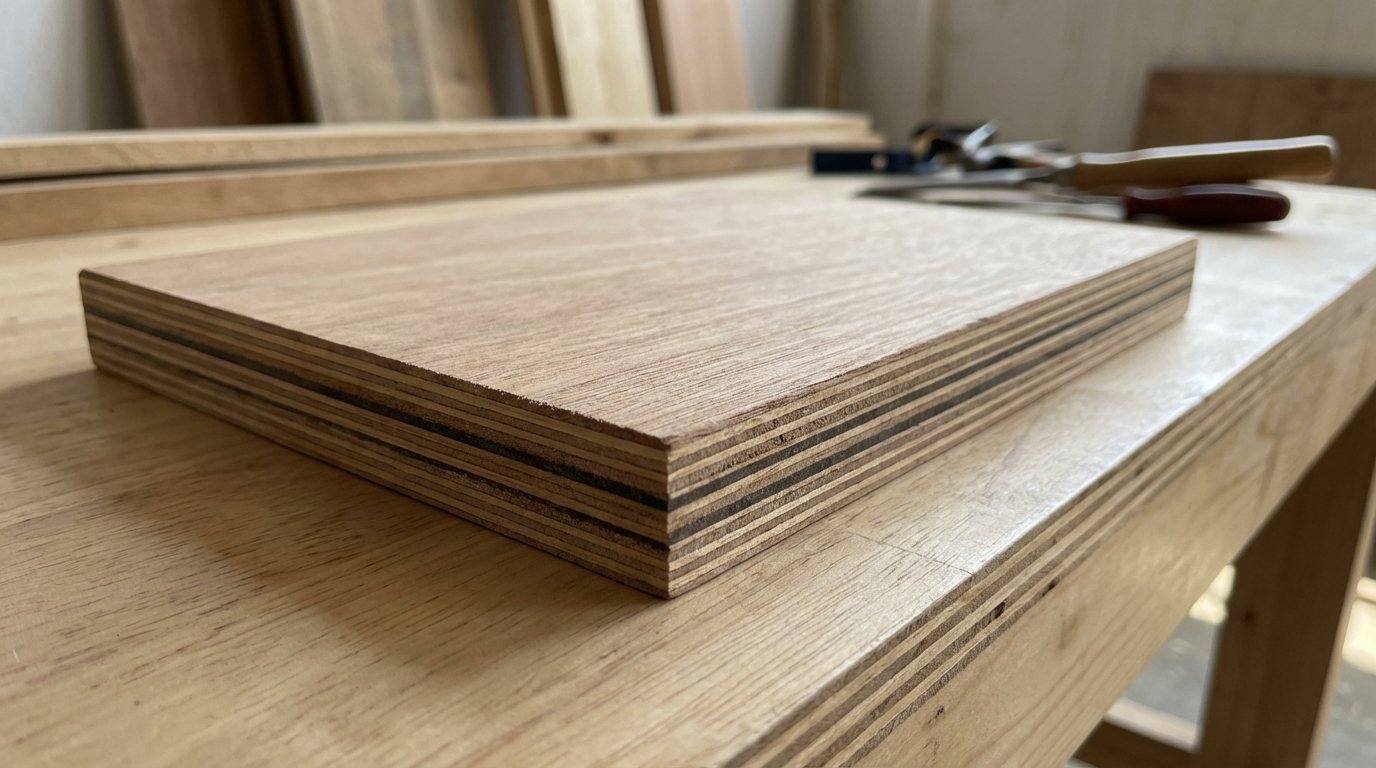
How to check plywood quality at the shop (10 tests)
How to check plywood quality at the shop (10 tests): a practical India-focused guide with checklists, FAQs and quick tables to help you choose the right board
Quick Decision Summary
Top-quality plywood shows uniform thickness, tight glue lines, no core gaps, and resists minor water exposure during quick shop tests.
If you're in a hurry at the shop, prioritize these three tests: measure thickness consistency across the sheet, tap firmly to check for hollow sounds indicating delamination, and inspect edges for visible gaps or voids. Good plywood feels heavy and solid, with smooth, knot-free face veneers. Avoid sheets with warping, uneven color, or musty odors. In India's humid conditions, always verify the grade label matches your needs—MR for dry interiors, BWR or BWP for moisture-prone areas. Confirm with the seller about storage conditions to rule out pre-damaged stock.
- Choose this if: uniform measurements, crisp knock sound, sealed edges, and matches IS grade for your use.
- Avoid this if: wavy surfaces, soft spots when pressed, glue smell, or inconsistent thickness.
India-Specific Reality Check
In India, plywood faces unique stresses from monsoon humidity, coastal salt air, and poor godown storage. Sheets often warp or delaminate before purchase due to open stacking or rain exposure. Coastal buyers need BWP-grade vigilance against fungal growth, while inland users watch for termite trails in untreated cores. Contractor workflows add risks—rough handling cracks edges, and rushed installs skip sealing. Always factor local climate: Mumbai's downpours demand water-resistant glues, Delhi's dust clogs pores, leading to faster wear.
What Makes Plywood Quality Critical During Monsoon Season?
Monsoon humidity above 80% triggers glue breakdown in subpar plywood, causing layers to separate within months. High-quality boards use phenolic resins that hold up, but fakes mimic labels. Nuance: Even BWP grades fail if edges aren't sealed post-cut. Next step: At the shop, splash water on a corner—quality ones bead off without darkening for 10-15 minutes. Verify by pressing; no softness means reliable monsoon performance. For coastal homes, combine with a smell test—no vinegar-like adhesive odor signals fresh, stable glue.
How to Choose Plywood in 5 Steps
- Match grade to location: MR for bedrooms, BWR for kitchens, BWP for bathrooms—ignore vague "waterproof" claims without IS marking.
- Inspect sheet condition: Flat, no bows; test all 10 checks below.
- Verify measurements: Calibrated thickness, square edges—use shop tools.
- Ask key questions: Storage history, batch date, return policy.
- Buy small test sheet: Cut and expose at home first if possible.
Skipping steps risks swelling in humid zones or gaps under load, common in Indian homes.
10 Essential Tests to Check Plywood Quality at the Shop
These hands-on tests reveal issues without tools. Perform on multiple sheets from the stack.
- Face veneer inspection: Smooth, even grain, no knots, splits, or patches. Run nails across—quality resists scratches.
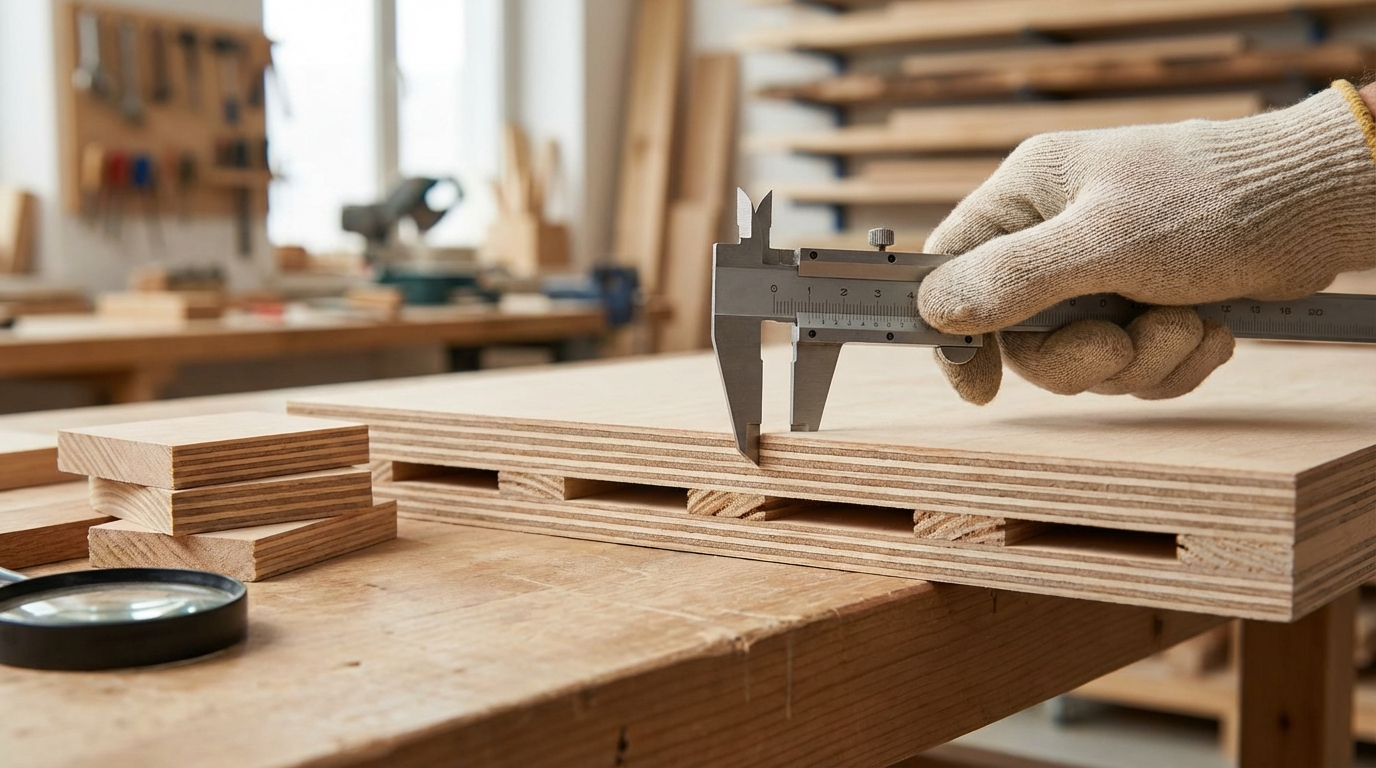
- Thickness gauge test: Measure 5 spots; variation over 0.5mm signals poor pressing.
- Knock test: Tap center and edges; uniform crisp sound, no dull thuds mean no delams.
- Edge gap check: Shine light along sides; no visible voids or overlapping veneers.
- Weight lift: Heavier than expected for size indicates dense core, not airy fillers.
- Flex test: Gently bend corner; resists without cracking or creaking.
- Water splash: Wet edge 5 minutes; no swelling or color change for MR-limited, better for BWR/BWP.
- Smell sniff: Fresh woody scent; avoid chemical or rotten smells signaling bad glue.
- Calibration flatness: Place on floor; no rocking or waves over 1m length.
- Label authenticity: Clear IS 303/710 mark, grade, thickness—cross-check with seller docs.
Which Plywood Test Reveals Delamination First?
The knock test catches delamination earliest—a hollow echo means layers separated from pressure or moisture. In India, godown dampness accelerates this. Nuance: Test edges too, as faces hide core issues. Next: Press suspect spots; sponginess confirms. Insist on fresh batches from covered storage. For BWP, combine with water test—quality holds firm. This prevents buckling under furniture loads common in humid homes.
Decision Framework: Match Checks to Your Project Needs
| Project Condition | Priority Checks | What to Verify Extra |
|---|---|---|
| High moisture (kitchen/bath) | Water splash, knock test, edge gaps | BWR/BWP label, no glue smell |
| Coastal/salty air | Smell test, veneer quality, flex | IS 710 mark, sealed edges |
| Heavy load (shelves) | Weight, thickness uniformity, flex | Dense core feel, calibration |
| Tight budget | Label, visual basics, knock | Local quote variations, no fillers |
| Scratch-prone (kids/pets) | Veneer hardness, face smoothness | Hardwood face, nail scratch test |
| Fast install | Flatness, square edges, weight | Easy handling, no warps |
Tips for Homeowners: Durability Do's and Don'ts
- Do: Seal all cut edges with putty before install; wipe spills immediately.
- Don't: Store sheets flat in garage—elevate off ground.
- Check post-install: No edge swelling after first rain.
Tips for Carpenters: Handling and Prep
- Cut with fine blade to avoid veneer tears; pre-drill screws in hinge zones.
- Edge-band immediately; use PVA glue for monsoon jobs.
- Spot QC: Test scraps for flex before full sheet use.
Tips for Architects: Spec Writing
- Detail min. glue shear strength via IS; specify calibrated ±0.3mm.
- Wet zones: Mandate BWP with edge sealing drawings.
- QC clause: Supplier must demo 3 tests on-site.
Trade-offs and Limitations
Thicker plywood offers strength but warps more if not calibrated; BWP resists water yet costs more and needs polishing. MR is cheap for dry use but fails in kitchens. Shop tests miss lab glue strength—always test a sample at home. In India, logistics add risks: Long-haul sheets dry out, cracking veneers.
Common Buyer Mistakes and How to Avoid Them
- Mistake 1: Trusting labels alone. Why: Fakes abound. Do: Run all 10 tests.
- Mistake 2: Buying thinnest for budget. Why: Sags fast. Do: Min. 12mm for shelves.
- Mistake 3: Ignoring storage. Why: Damp stacks delam. Do: Ask exposure history.
- Mistake 4: No thickness measure. Why: Voids hide. Do: Use caliper 5x.
- Mistake 5: Skipping water test. Why: Monsoon fails later. Do: Splash and watch.
- Mistake 6: Overlooking edges. Why: Weakest link. Do: Light gap check.
- Mistake 7: Flexing too hard. Why: Damages good sheet. Do: Gentle corner bend.
- Mistake 8: No sample buy. Why: Batch varies. Do: Get cut piece first.
Failure Modes and Fixes
- Symptom: Bubbling edges. Cause: Poor glue. Prevent: Smell/knock tests. Fix: Edge-seal aggressively.
- Symptom: Warping post-install. Cause: Uneven moisture. Prevent: Flatness check. Fix: Plane and re-fix.
- Symptom: Cracking under screws. Cause: Soft core. Prevent: Weight test. Fix: Reinforce blocks.
- Symptom: Veneer peels. Cause: Low press. Prevent: Scratch test. Fix: Re-veneer patches.
- Symptom: Swelling in humidity. Cause: MR in wet zone. Prevent: Grade match. Fix: Replace with BWP.
- Symptom: Hollow knocks later. Cause: Hidden delam. Prevent: Full knock. Fix: Full sheet swap.
How Long Should Good Plywood Last in Indian Homes?
Quality plywood lasts 15-25 years in dry interiors, 8-15 in moisture areas with proper sealing. Nuance: Depends on ventilation, edge treatment, and load. Coastal drops to 5-10 without BWP. Next: Post-buy, monitor first monsoon—minor edge darkening is normal if sealed promptly. Annual checks for termites extend life. Choose calibrated cores for even wear.
FAQs
Can I check plywood quality without any tools?
Yes, most tests rely on senses: eyes for veneers/gaps, ears for knocks, nose for glue, hands for weight/flex. In shops, borrow a tape or caliper if available, but basics spot 80% issues. Nuance: Hands-on beats labels in humid India, where storage fakes degrade fast. Next: Practice on scraps—build confidence for big buys. Combine with seller questions on batch age.
What's the difference between MR, BWR, and BWP in quality checks?
MR uses urea glue for dry areas—fails water test quick. BWR boiling-resistant for kitchens, holds splash better. BWP phenolic for marine, beads water longest. Nuance: All need edge sealing; grades vary by batch. Next: Test per use—splash MR briefly, BWP longer. Verify IS marks match claims for monsoon reliability.
Does plywood weight indicate quality?
Heavier sheets often have denser cores without fillers, signaling strength. Nuance: Not always—wet storage adds false weight. Next: Lift and knock; combine with thickness for true density. Avoid feather-light ones prone to sagging in humid loads.
How to spot fake IS certification labels?
Labels should be printed clearly, not stickers, with batch codes. Nuance: Fakes fade or mismatch thickness. Next: Scratch gently—quality ink stays. Ask for duplicate docs; walk if evasive. India markets full of this—trust tests over paper.
Is calibrated plywood worth checking separately?
Yes, uniform thickness prevents uneven finishes and warping. Nuance: Variations over 0.5mm cause carpenter headaches. Next: Measure corners to center. Insist on it for laminates—saves rework costs.
What if the shop refuses water tests?
Red flag—quality sellers allow it on edges. Nuance: Protects their stock too. Next: Test discreetly or buy elsewhere. Indicates poor confidence in moisture resistance vital for India.
Can termite resistance be checked at shop?
Look for trails or powder; solid core resists probing. Nuance: Treatments vary—BWR/BWP often better. Next: Ask treatment type; store elevated post-buy. No lab needed for basics.
Post-shop: How to store plywood before install?
Elevate off ground, cover loosely, away from walls in dry area. Nuance: Monsoon wait? Acclimatize 48 hours. Next: Check for changes before cutting—prevents shrinkage surprises.
Why do some plywood sheets feel soft when pressed?
Softness means low-density core or glue failure. Nuance: Common in cheap MR. Next: Press multiple spots; reject if widespread. Opt for heavy, firm ones for longevity.
Disclaimer: This content is provided for general informational purposes based on industry practices and publicly available information. Product specifications, standards, prices, and availability may vary by manufacturer, region, and time. Readers should independently verify details with manufacturers, dealers, or qualified professionals before making purchase or construction decisions.Want Plywood Suggestions?
Share a few details and a Duro BOIL specialist will suggest suitable brands and connect you to responsive dealers.