Plywood core types: hardwood vs softwood vs mixed core
Learn plywood core types in simple terms with examples, verification tips, and a quick checklist so you choose the right board for Indian conditions.
Quick Decision Summary
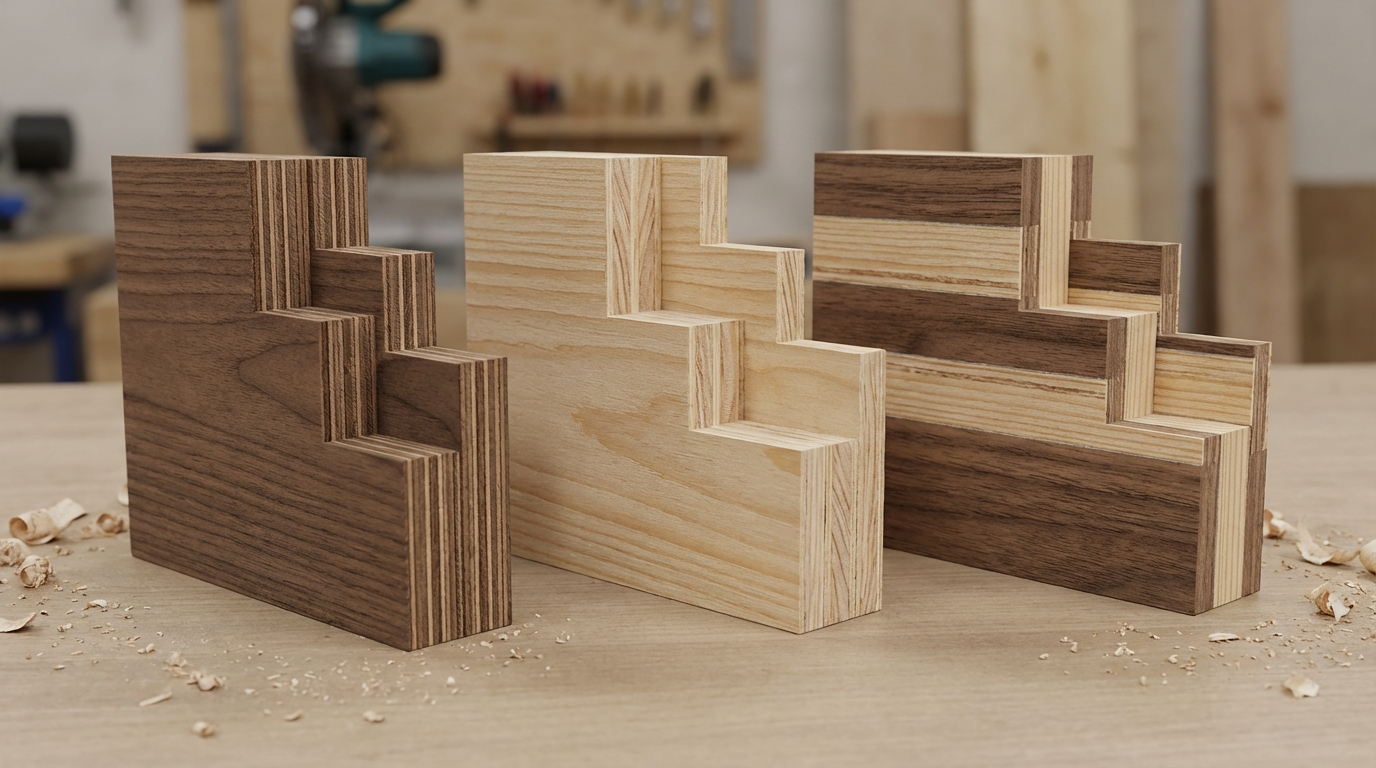
Hardwood cores offer top strength for heavy-use areas; softwood suits light-duty budget projects; mixed provides balanced performance for most Indian homes.
If you're in a hurry: Pick hardwood core for kitchens, bathrooms, or load-bearing shelves where screw-holding and warp resistance matter amid monsoons. Opt for softwood core only for dry interior partitions or temporary setups to save costs without risking failure. Mixed cores work best for general furniture like wardrobes or beds, blending affordability with decent durability. Always verify core uniformity on-site to dodge common gaps that cause delamination in humid conditions.
- Choose hardwood if high strength, heavy loads, or wet zones like coastal areas.
- Choose softwood if tight budget, light use, and fully dry interiors.
- Choose mixed if everyday furniture needing fair screw grip and value.
- Avoid softwood if any moisture exposure or screw-heavy designs.
What This Term/Material Actually Means
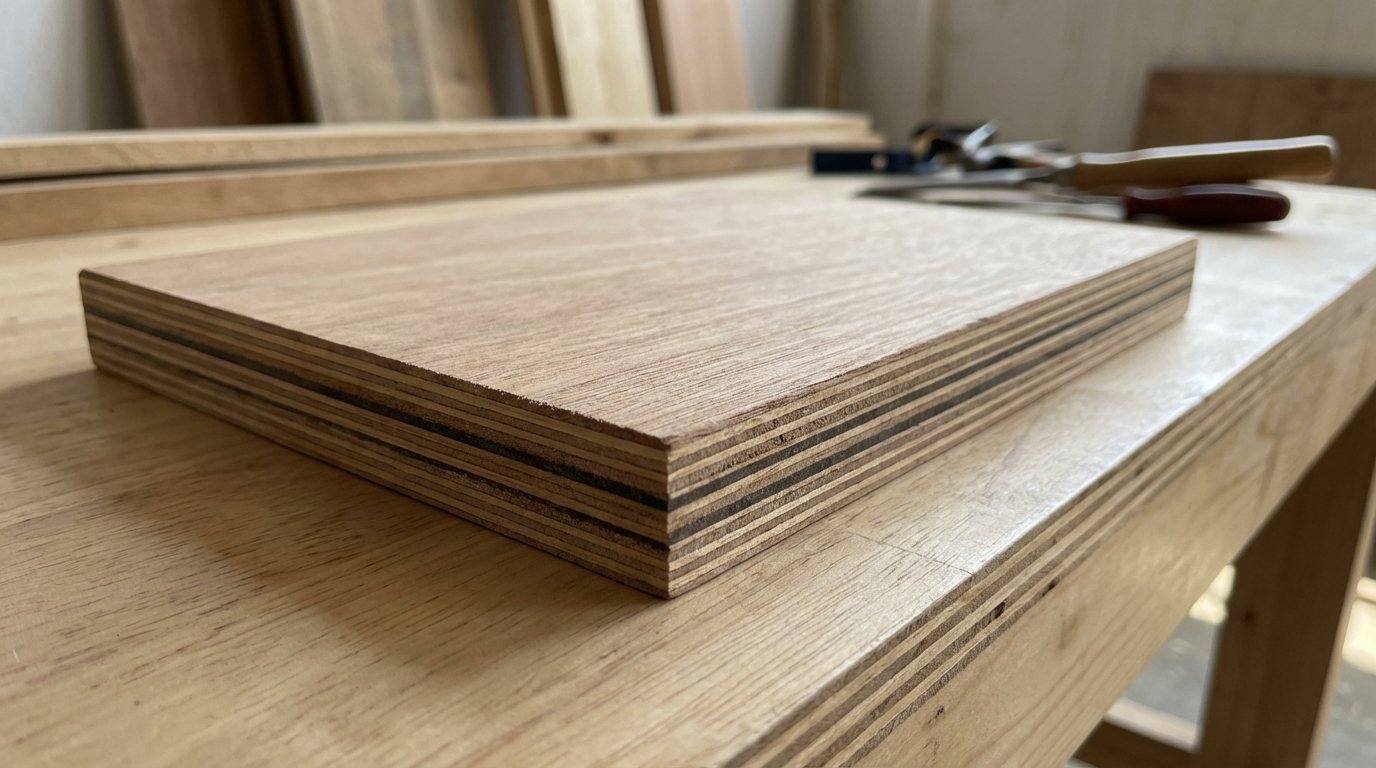
Plywood cores form the inner layers (typically 60-70% of thickness) made from thin veneers glued cross-grain for stability. Hardwood cores use dense woods like eucalyptus or acacia veneers, delivering high density and stiffness. Softwood cores rely on lighter woods such as poplar or pine veneers, prioritizing ease of processing. Mixed cores alternate or blend both for a middle path.
These aren't solid blocks but layered veneers—thicker cores (12-18mm) have more plies for better load spread.
Where Do People Get Confused About Plywood Cores?
- Assuming "hardwood core" means solid teak inside: It's veneers, not blocks; strength comes from density, not rarity.
- Thinking softwood always warps more: Glue grade (MR/BWR) drives moisture resistance more than core type.
- Mistaking mixed for "cheap filler": Often engineered for uniform strength without full hardwood cost.
- Believing core type alone sets price: Face veneer and calibration add more to the bill.
- Overlooking ply count: Fewer plies mean bigger gaps, regardless of wood type.
- Confusing with blockboard: Plywood cores are full-sheet veneers, not finger-joined strips.
India-Specific Reality Check
In monsoon-heavy regions like Mumbai or Kerala, softwood cores swell faster if glue lines weaken, leading to wavy cabinets. Coastal salt air accelerates termite risks in poplar softwoods, while eucalyptus hardwoods resist better. Poor godown storage—stacked outdoors—exposes all cores to uneven drying, causing core gaps that carpenters curse during cutting. Contractor workflows favor mixed cores for quick installs, but verify batch uniformity to avoid mid-project rejects.
Why Does Humidity Change Core Selection in India?
High relative humidity (70-90% in summers) penetrates glue lines, swelling softwood cores up to 10-15% more than hardwoods, per common site observations. This causes misalignment in door frames or kitchen shutters. In dry interiors like bedrooms, softwood suffices, but bathrooms demand hardwood to minimize dimensional shifts. Practical step: Ask suppliers for recent monsoon-stored stock avoidance and tap-test for hollow sounds indicating gaps.
Two-Minute Comparison That Actually Helps
| Aspect | Hardwood Core | Softwood Core | Mixed Core |
|---|---|---|---|
| Strength/Stiffness | High (heavy shelves OK) | Low-moderate (light panels) | Balanced (furniture standard) |
| Weight | Heavier (20-30% more) | Lighter (easier handling) | Medium |
| Screw-Holding | Excellent (no pull-out) | Poor (strips needed) | Good |
| Moisture Swell Risk | Low | High | Moderate |
| Typical Uses | Kitchens, doors | Partitions | Wardrobes, beds |
Choose based on wet vs dry zones and load: Hardwood for kitchens (BWR+), softwood for dry walls only.
How to Choose in 5 Steps
- Assess exposure: Wet (kitchen/bath)? Hardwood. Dry/light? Softwood OK.
- Check load/screws: Heavy fittings? Prioritize screw-hold via tap test.
- Inspect core visually: Even veneers, no gaps wider than 2mm.
- Confirm glue match: BWR needs strong core; pair hardwood.
- Budget-test samples: Cut a scrap; check edge integrity.
Skipping step 3 leads to delamination post-monsoon.
Price Range and Cost Drivers (India)
Expect 15-40% variation by city (higher in metros like Delhi/Bangalore). For 18mm MR grade: Softwood typically lowest range, mixed mid, hardwood highest—driven by wood sourcing, ply count, and calibration.
- Cost drivers: Core density (hardwood +20-30%), thickness (18mm >12mm), face quality, logistics from mill.
- How to quote: "18mm BWR hardwood core, calibrated, no gaps, eucalyptus veneers."
Mini example: 10-sheet wardrobe job—mixed core saves vs full hardwood without compromising.
Which Core Type Costs the Most and Why?
Hardwood cores typically lead due to slower-growing dense woods like eucalyptus, adding density for strength. In India, import duties on alternatives hike softwood too, but local poplar keeps it cheapest. Nuance: Thinner 12mm hardwoods gap up costs less than thick softwoods needing extra plies. Next step: Compare supplier quotes specifying "full hardwood core, 7+ plies" for fair bids; haggle on calibration extras.
Plywood Core Decision Framework
| Condition | Recommended Core | Verify This |
|---|---|---|
| Wet zone (kitchen) | Hardwood | Uniform thick veneers, BWR glue |
| Coastal/high humidity | Hardwood or mixed | No core gaps, termite treatment |
| Heavy use/shelves | Hardwood | Screw test on sample |
| Tight budget/dry interior | Softwood or mixed | Calibration <0.5mm variance |
| High scratch risk | Mixed/hardwood | Dense core via weight check |
| Fast delivery | Mixed/softwood | Local stock availability |
Trade-offs and Limitations
Hardwood: Superior strength but heavier, pricier, harder to cut cleanly. Softwood: Affordable/light but weak screw grip risks sagging over time. Mixed: Versatile but may inherit minor gaps if poorly assembled. All cores falter without proper edge sealing in humid India.
Common Buyer Mistakes and How to Avoid Them
- Buying cheapest without core check: Why: Looks same outside. Do: Demand edge exposure.
- Ignoring humidity zone: Why: Assumes uniform climate. Do: Map rooms pre-purchase.
- Skipping ply count: Why: Thinner veneers gap easily. Do: Count layers on sample.
- Trusting labels blindly: Why: Fakes abound. Do: Tap for solid tone.
- No calibration test: Why: Uneven thickness wastes laminate. Do: Measure four corners.
- Overloading softwood: Why: Seems sturdy initially. Do: Load-test scrap.
- Poor storage post-buy: Why: Godown to site warp. Do: Vertical stack indoors.
- Forgetting screw zones: Why: Design ignores core. Do: Pre-mark pilot holes.
- Mixing grades haphazardly: Why: Budget mix-up. Do: Stick to project spec sheet.
Failure Modes and Fixes
- Symptom: Bulging mid-panel. Cause: Core gaps + moisture. Prevent: Visual gap check. Fix: Clamp + seal edges.
- Symptom: Screw pull-out. Cause: Softwood low density. Prevent: Hardwood + plugs. Fix: Reinforce with battens.
- Symptom: Delamination edges. Cause: Thin veneers exposed. Prevent: Immediate sealing. Fix: Re-glue + clamp.
- Symptom: Sagging shelves. Cause: Few plies/low strength. Prevent: 18mm+ hardwood. Fix: Add supports.
- Symptom: Warping post-install. Cause: Uneven humidity. Prevent: Acclimatize 48hrs. Fix: Plane + rehang.
- Symptom: Cracking sounds. Cause: Dry-out gaps. Prevent: Humid storage. Fix: Fill + sand.
- Symptom: Termite trails. Cause: Softwood untreated. Prevent: Chemical check. Fix: Fumigate area.
Quality Checks You Can Do Without Lab Tests
Before buying: Tap edges—solid thud means uniform core; hollow = gaps. Weigh sample: Heavier signals hardwood. Check veneers: Straight, even thickness.
After cutting: Inspect core: No voids >1mm, glue lines tight. Screw test: 3 holds without spin.
Post-install: Monitor edges for swell; ensure alignment stays true after rain.
Tips for Homeowners: Durability Do's and Don'ts
Clean with damp cloth only (no soak); avoid direct AC vents causing dry cracks. Seal all cuts immediately. Do yearly edge touch-up in monsoons. Nuance: Hardwood forgives minor spills better. Next: Stockpile extra sealant for fixes.
Carpenter Tips: Working with Cores
Cut with fine blade to avoid tear-out on softwood. Pre-drill screws 75% depth. Edge-band before assembly. For mixed: Watch for inconsistent density zones. Step: Acclimatize sheets 2 days site-side.
Architect Tips: Spec Writing
Detail "hardwood core, min 7 plies, calibrated." Note wet-zone BWR pair. Avoid softwood specs for elevations. Include drawings for screw zones.
OEM/Modular Maker Tips: QC for Repeatability
Batch-test 10% for gaps/thickness. Standardize mixed cores for consistency. Track returns by core type to refine.
Is Hardwood Core Always Better Than Softwood?
Not always—hardwood excels in strength but overkill for dry walls, adding unnecessary weight/cost. Softwood shines in budget partitions with low loads. Conditions: Use hardwood for screw-dense furniture; softwood elsewhere. Check: Ask for core sample; reject if veneers too thin/sparse.
Can Mixed Core Replace Hardwood Everywhere?
Often yes for moderate use like bedrooms, saving 20% cost with similar screw hold. But no for heavy shelves—risks sag. Trade-off: Balanced but inspect batches closely. Step: Tap-test multiple sheets; ensure 60%+ hardwood ratio via supplier query.
FAQs
What is the main difference between hardwood and softwood plywood cores?
Density and strength define them: Hardwood veneers (eucalyptus) pack tighter fibers for better load resistance and screw grip, ideal for Indian kitchens amid spills. Softwood (poplar) grows fast, yielding lighter/cheaper boards but prone to compression under weight. Practical tip: For wardrobes, test by pressing core—hardwood rebounds firmer. Always pair with matching glue grade to leverage core traits fully.
Which core is best for modular kitchens in humid cities?
Hardwood cores pair best with BWR glue, minimizing swell from cooking steam or monsoons in places like Chennai. They hold heavy cabinets steady without battens. Avoid softwood here—gaps widen fast. Verify: Edge inspection shows thick, even plies. Install with full edge sealing for longevity.
How do I spot poor core quality at the dealer?
Look for uneven edges, visible gaps, or light weight hinting softwood fillers. Tap across—consistent tone good; echoes bad. Measure thickness variance <0.3mm. In India, reject monsoon-exposed stacks. Demand fresh batch; cut a corner sample if possible.
Does core type affect termite resistance?
Indirectly—dense hardwoods deter entry better, but treatment chemicals matter most. Softwood invites faster if untreated. Coastal tip: Specify phenolic-treated cores. Check: Rub edge for oily residue; sniff for chemicals. Store elevated off ground.
Is softwood core plywood safe for children's furniture?
Yes for dry bedrooms if screw-reinforced, but upgrade to mixed for shelves—better against tumbles. Low density risks wobble. Do: Over-spec plies (9+), pilot holes everywhere. Monitor for gaps post-assembly.
Why do some plywoods have core gaps and how to prevent?
Gaps stem from thin/sparse veneers or poor gluing, common in rushed batches. India heat accelerates. Prevent: Choose 7+ ply counts, calibrated boards. Fix early: Fill with glue/wood dust. Always buy from mills with on-site peeling control.
Can I use mixed core for bathroom vanities?
Viable with BWR grade and sealing, offering hardwood-like hold at lower cost. But pure hardwood safer for steam. Test: Water-spray edge 24hrs. Seal twice; ventilate well.
How does core affect finishing like lamination?
Smooth calibration (hardwood/mixed best) prevents bubbles; gaps cause peel-off. Softwood compresses under heat. Prep: Sand edges flat; acclimatize. India tip: Laminate post-monsoon dry spell.
What's the ideal ply count for 18mm cores?
9-11 plies ensure thin veneers don't gap, boosting strength across types. Fewer risks failure. Check: Peel edge lightly—uniform layers. Spec it in quotes for consistency.
Disclaimer: This content is provided for general informational purposes based on industry practices and publicly available information. Product specifications, standards, prices, and availability may vary by manufacturer, region, and time. Readers should independently verify details with manufacturers, dealers, or qualified professionals before making purchase or construction decisions.Want Plywood Suggestions?
Share a few details and a Duro BOIL specialist will suggest suitable brands and connect you to responsive dealers.