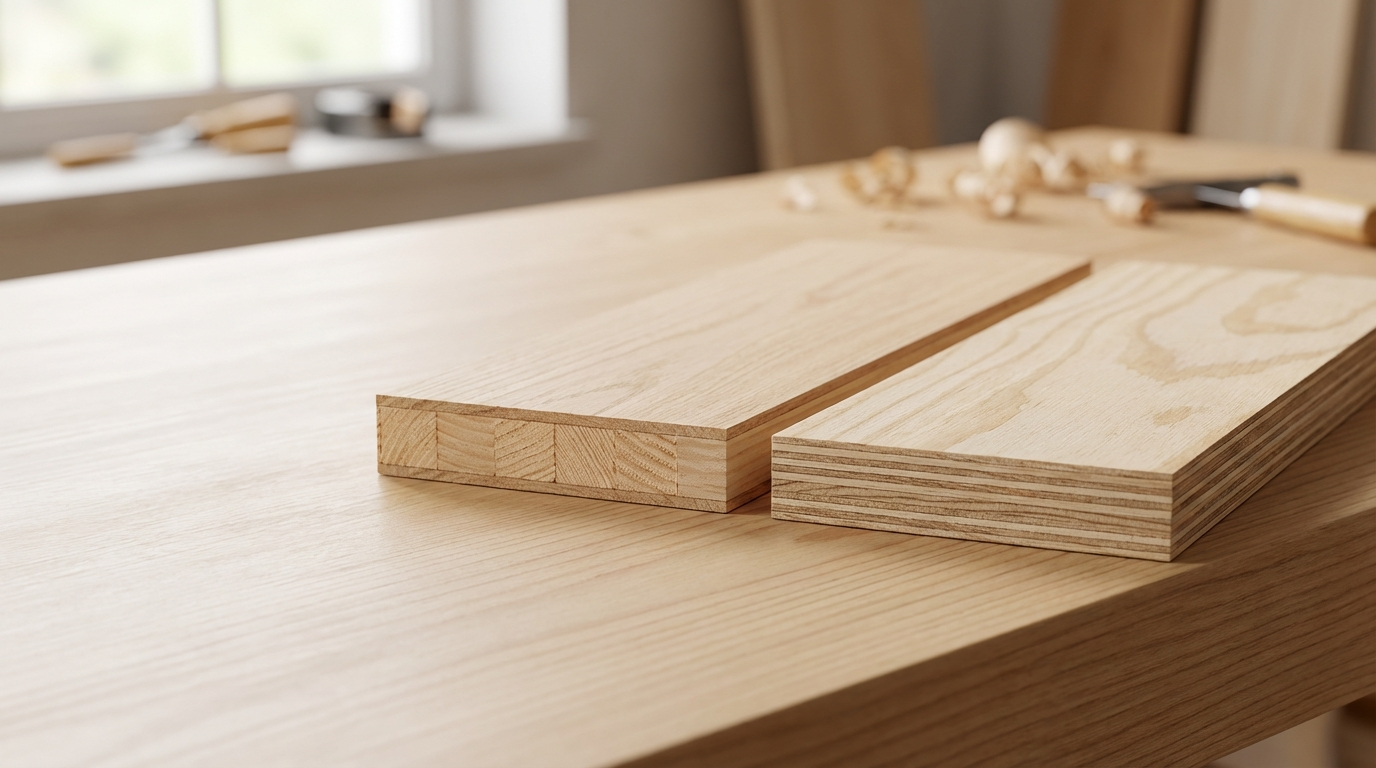
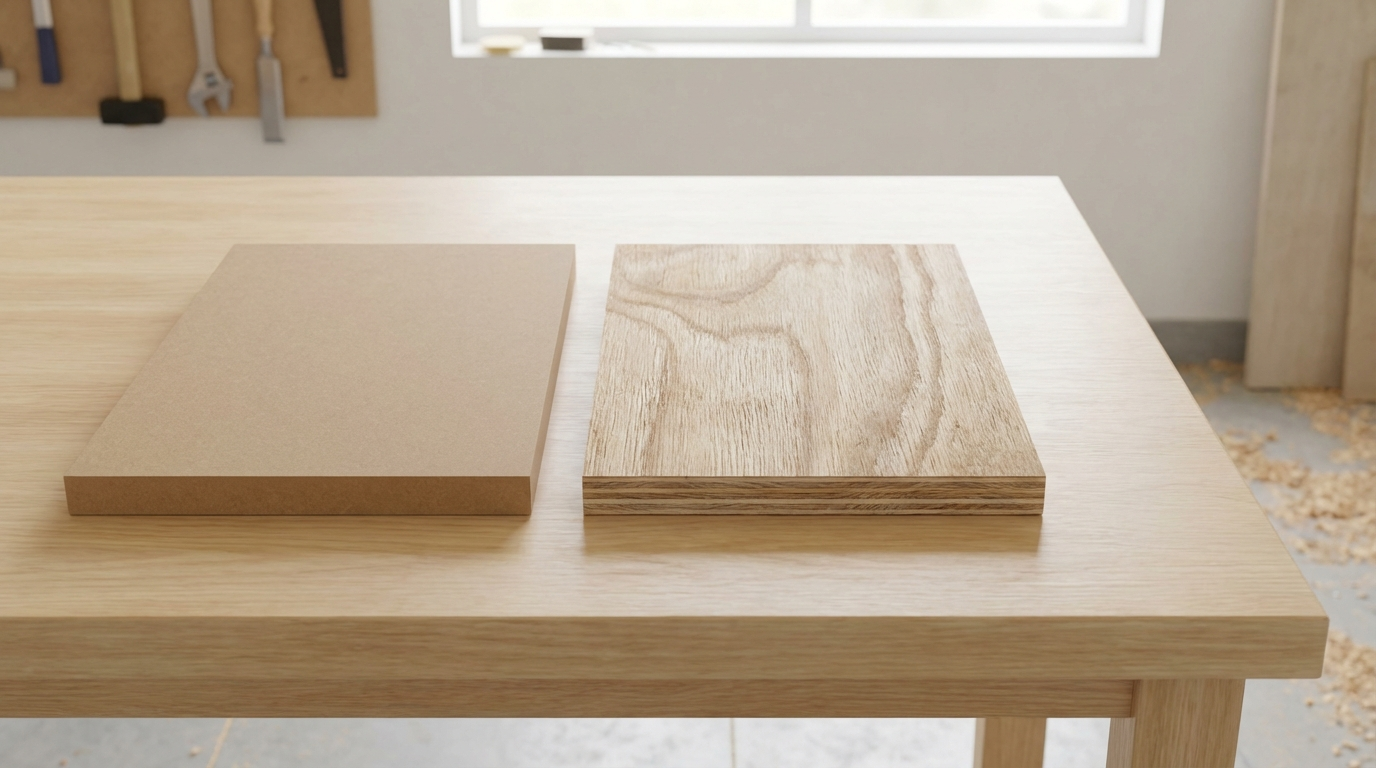
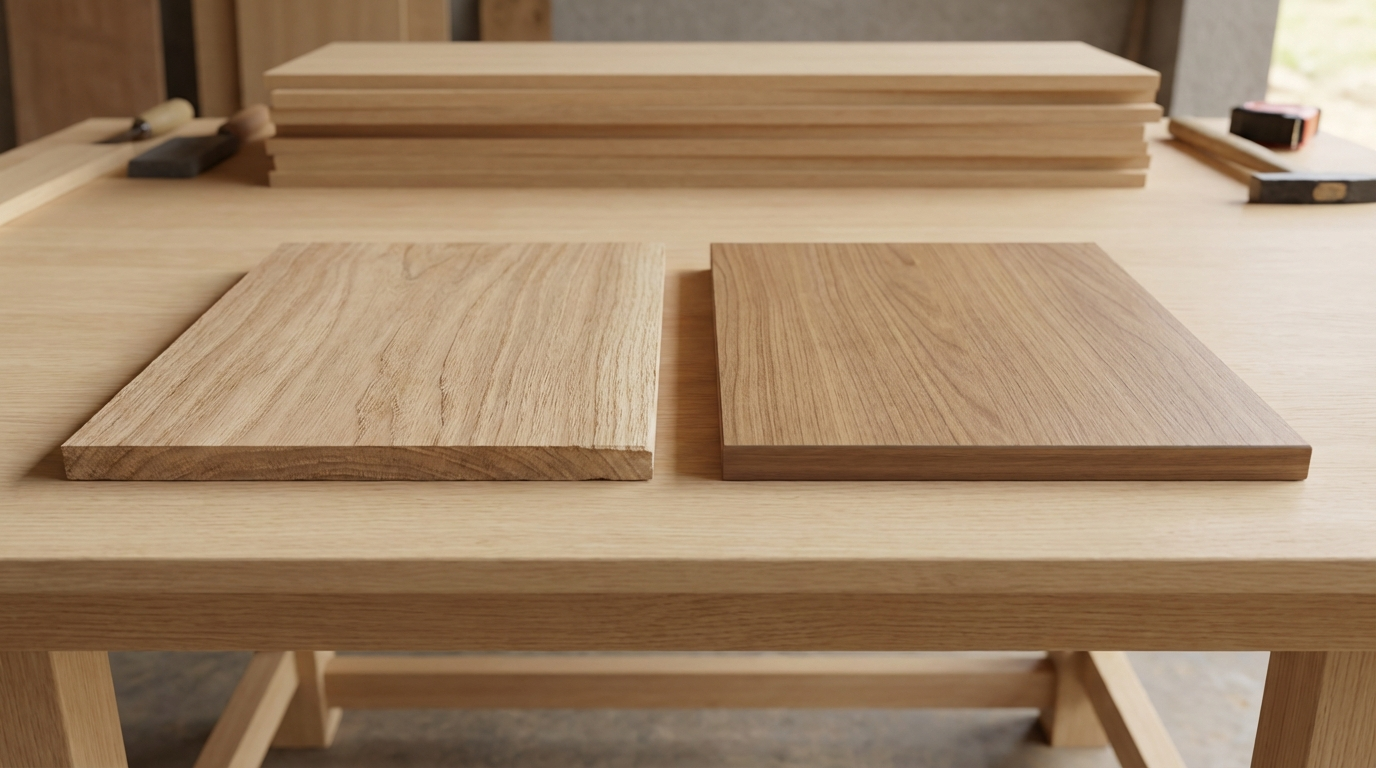
Plywood vs WPC board for bathrooms: waterproof reality check
Plywood vs WPC board for bathrooms: waterproof reality check with a clear decision table on grade, thickness, moisture performance, warranty and price
Quick Decision Summary
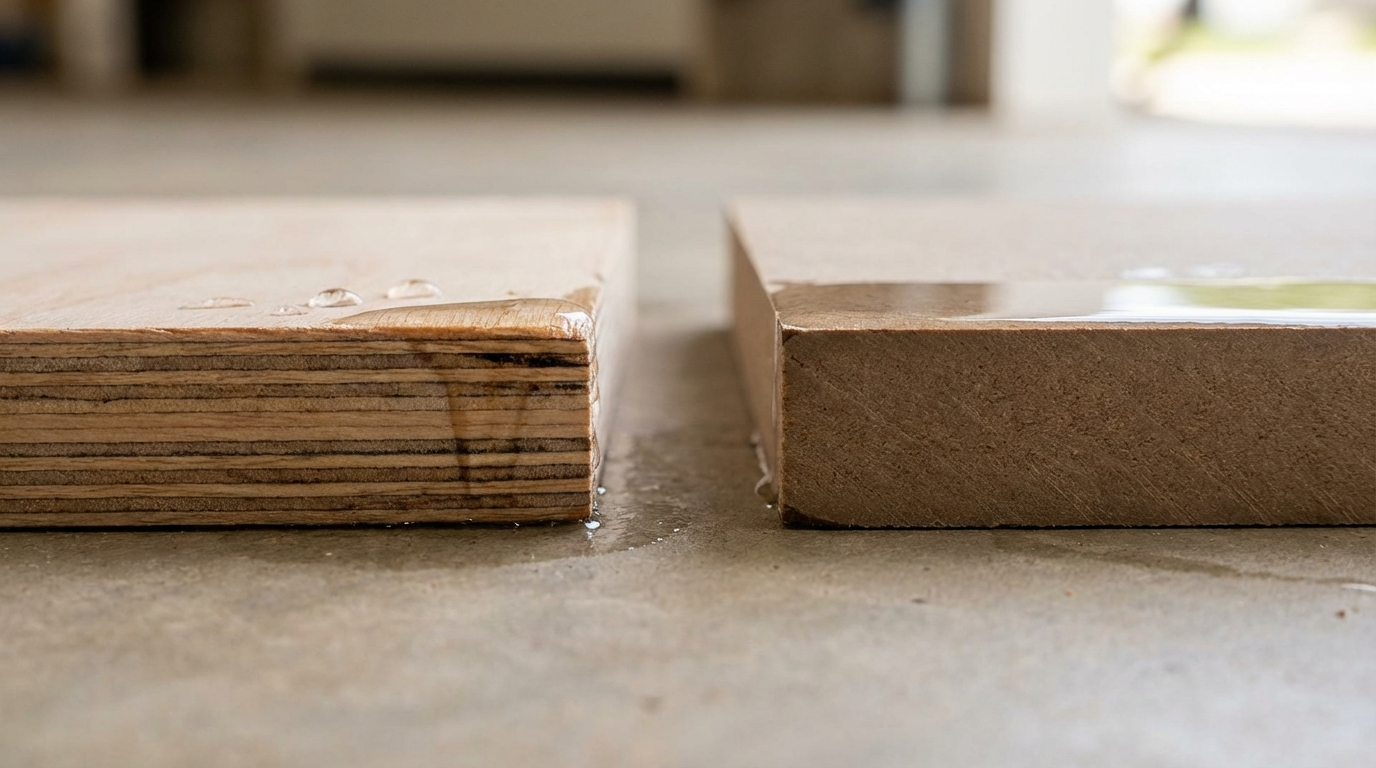
WPC boards generally outperform plywood in bathrooms for inherent moisture resistance, but high-grade BWP plywood excels with proper sealing and heavy-duty needs.
If you're in a hurry: For typical Indian bathrooms with shower steam and monsoon humidity, choose WPC boards (8-16mm thick) if prioritizing no-swelling ease and low maintenance. Opt for BWP-grade plywood (12-18mm) if needing superior screw-holding strength for cabinets or shelves under load. Both require edge sealing, but WPC handles unsealed exposure better. Avoid MR-grade plywood entirely—it's for dry areas only. Factor in site ventilation and workmanship to prevent joint failures.
- Choose WPC if: constant splashes, coastal humidity, quick install, lighter weight.
- Choose plywood if: heavy fixtures, better machinability, screw-intensive designs.
- Avoid plywood if: poor sealing skills or ventilation.
- Avoid WPC if: high-impact loads or scratch-prone surfaces.
What These Materials Actually Mean
Plywood consists of thin wood veneers glued in cross-layers for strength. Bathroom-relevant grades include BWR (boiling water resistant, handles humidity but not immersion) and BWP (boiling water proof, toughest glue line for wet zones). No plywood is "fully waterproof"—it resists delamination under boils but absorbs moisture at unsealed edges or cuts.
WPC boards (wood-plastic composite) blend wood fibers with recycled plastic, extruded into rigid sheets. Marketed as waterproof due to plastic content repelling water absorption, they're termite-proof by nature and lighter than plywood.
Where people get confused:
- "Waterproof plywood" means BWP, but it still needs epoxy edge sealing—untreated cuts swell in steam.
- WPC as "maintenance-free"—joints leak if not siliconed, and surfaces scratch easily.
- All plywood warps in monsoon—only if low-grade; BWP holds if stored dry.
- WPC equals PVC—WPC has wood for better screw hold, PVC is purer plastic.
- Thicker always better—match thickness to load, not just moisture.
India-Specific Reality Check
In monsoon-heavy regions like Mumbai or Kerala coasts, bathroom steam plus 80-90% humidity tests materials daily. Plywood (even BWP) risks core gaps opening if stored in open godowns pre-install. WPC fares better unsealed but joints fail in sloppy tiling work. Poor ventilation amplifies failures—fans off means constant vapor. Contractor habits like wet cutting plywood veneers weaken glue lines. Coastal salt air accelerates plywood fungal growth unless sealed; WPC resists but fades under direct sun (less bathroom issue).
Does plywood work in Indian bathrooms at all?
Yes, but only BWP grade with full precautions. It handles shower splashes if edges are epoxy-sealed and gaps filled during lamination. In practice, many last 10+ years in ventilated spaces, but monsoon storage mishaps cause 30-50% early swelling in low-end installs. Next step: Insist on IS-marked BWP, test by tapping for solid core sound, and seal all cuts on-site before assembly.
Can WPC boards handle monsoon bathroom humidity?
WPC excels here due to zero water absorption, staying rigid in 90% RH. Indian reviews note no swelling even after floods, unlike plywood. However, unsealed joints allow vapor ingress over years, leading to mold at seams. Verify by pressing edges—no softness. Seal with silicone and ensure carpenter uses WPC-compatible screws to avoid pull-out in humid flex.
Price Range and Cost Drivers (India)
Expect BWP plywood at Rs 120-300 per sq ft for 12-18mm thickness, varying by hardwood core, veneer quality, city (higher in metros), and logistics. WPC boards range Rs 80-250 per sq ft for similar thicknesses, cheaper on foam-core but pricier for high-density.
Cost drivers: Thickness (18mm adds 30-50%), face finish (laminate ups 20%), calibration (precise edges save 10% wastage), region (South India often 15% lower), batch quality. Add 20-30% for delivery/handling in rainy seasons.
How to ask for a quote:
- Specify grade/thickness: "BWP 18mm calibrated" or "WPC 16mm HD."
- Mention use: "Bathroom cabinets, coastal area."
- Ask for core samples and edge-seal demo.
- Compare 3 suppliers for batch variation.
Mini budget example: 40 sq ft bathroom vanity (18mm)—WPC ~Rs 5,000-8,000 material; BWP ~Rs 6,000-10,000, plus Rs 2,000 sealing labor.
Two-Minute Comparison That Actually Helps
| Factor | BWP Plywood | WPC Board |
|---|---|---|
| Moisture Resistance | High if sealed; edges vulnerable | Excellent inherent; no swelling |
| Strength/Screw Hold | Superior for heavy loads | Good but pilot holes needed |
| Weight | Heavier (harder handling) | Lighter (easier install) |
| Termite Resistance | Treated, but check core | Natural (plastic content) |
| Machinability | Smooth cuts, sands well | Dusts more, edges chip |
| Cost (18mm/sq ft) | Rs 120-300 | Rs 80-250 |
Choose based on conditions: WPC for splash zones/light use; plywood for loaded shelves with sealing.
Which is cheaper long-term for bathrooms?
WPC often wins due to no maintenance/sealing costs, lasting 15+ years without delam. Plywood cheaper upfront but adds Rs 1,000-2,000 sealing per project. In humid India, plywood replacements cost more if workmanship fails. Verify by calculating total: material + labor + 5-year fixes. Next: Get carpenter quotes for both with site-specific sealing.
How to Choose in 5 Steps
- Assess exposure: Direct shower? WPC. Humid but dry floor? Sealed BWP.
- Check load: Heavy basins? Plywood. Light vanities? WPC.
- Inspect samples: Tap for solidity, flex ends gently.
- Verify sealing plan: Epoxy for plywood, silicone for WPC joints.
- Test store batch: Ask for recent monsoon-stored stock.
Skip steps? Risk 2-year failures from hidden core defects.
Trade-offs and Limitations
Plywood: Strongest for fixtures but sealing-dependent; heavy, termite risk if core poor. WPC: Moisture champ but scratches/dents easier, weaker overhangs, higher dust in cutting. Both: Fire not great (WPC melts, plywood chars); UV fade on WPC if lit windows.
Common Buyer Mistakes and How to Avoid Them
- Mistake 1: Picking MR/BWR for baths—why: humidity swells glue. Instead: Demand BWP stamp.
- Mistake 2: Skipping edge seals—vapor enters cuts. Instead: Epoxy all plywood edges pre-lam.
- Mistake 3: Ignoring storage—monsoon godown stock warps. Instead: Recent dry batch only.
- Mistake 4: Overloading WPC shelves—no pilot holes. Instead: Use inserts for screws.
- Mistake 5: Cheap laminates—peels in steam. Instead: Match moisture-rated films.
- Mistake 6: No ventilation spec—traps vapor. Instead: Exhaust fan mandatory.
- Mistake 7: Thin boards (<12mm)—flexes. Instead: Load-match thickness.
- Mistake 8: Blind trust labels—fakes abound. Instead: Sound/tap/weight tests.
- Mistake 9: Wet cutting—weakens bonds. Instead: Dry saw, seal post-cut.
Failure Modes and Fixes
- Symptom: Edge swelling. Cause: Unsealed plywood cuts. Prevention: Epoxy immediately. Fix: Sand, re-seal if early.
- Symptom: Delamination bubbles. Cause: Weak glue in humidity. Prevention: BWP only. Fix: Replace panel.
- Symptom: WPC joint mold. Cause: Poor silicone. Prevention: Overlap + seal. Fix: Re-caulk.
- Symptom: Screw pull-out. Cause: WPC no pilots. Prevention: Drill first. Fix: Plugs + re-screw.
- Symptom: Surface scratches deep. Cause: WPC soft face. Prevention: Laminate + care. Fix: Polish minor.
- Symptom: Warping bow. Cause: Plywood uneven dry. Prevention: Calibrated flat. Fix: Clamp straighten early.
- Symptom: Fungal spots. Cause: Trapped moisture. Prevention: Ventilate. Fix: Clean + anti-fungicide.
Quality Checks You Can Do Without Lab Tests
Before buying: Tap center—hollow? Reject. Weigh per sq ft—heavy signals dense core. Flex corner gently—no creak. Smell adhesives—chemical ok, musty no.
After cutting: Check veneers uniform, no gaps. Edges straight, no fuzz on WPC.
After install: Spray water on seams—beads off. Hinges align, no sag after 24hr humidity.
Is BWP plywood truly boil-proof for bathrooms?
BWP withstands boiling without delam, ideal for steam but not immersion. Indian standards test glue lines rigorously. Nuance: Core wood still expands slightly in prolonged 90% RH unless sealed. Check: Ask for boil demo on scrap or stamp verification. Next: Pair with marine varnish on exposed edges for coastal use.
How thick should boards be for bathroom cabinets?
12-16mm for doors/drawers, 18mm+ for shelves/basins. Thinner risks sag in humidity. WPC lighter so 16mm equals plywood 18mm strength often. Verify: Load-test sample with 20kg. Step: Spec per span—wider shelves thicker.
Decision Framework Table
| Condition | Recommended | Verify |
|---|---|---|
| Coastal high humidity | WPC | Inherent no-swelling demo |
| Heavy basin load | BWP Plywood | Screw hold test |
| Tight budget | Thinner WPC | Batch flatness |
| Scratch risk (kids) | Laminate Plywood | Hardness tap |
| Fast delivery needed | Stock WPC | Recent production |
| Poor ventilation | WPC sealed joints | Silicone compatibility |
For Homeowners: Durability Do's and Don'ts
Do: Wipe spills instantly, use exhaust fan daily, mild soap cleans. Don't: Abrasive scrubbers on WPC, direct hose both, overload shelves. Expect 10-15 years with habits.
Carpenter Tips: Handling and Prep
Cut dry, pilot WPC holes (3mm), epoxy plywood edges same day. Use coated screws, clamp laminates 24hr. Avoid monsoon outdoor work—warps both.
Architect Specs: Detailing for Wet Zones
Spec BWP IS 710 or WPC density >900kg/m3. Detail 5mm overhang seals, vapor barriers behind. Finish: Moisture-rated laminate, PU polish plywood.
FAQs
Can regular plywood be used in bathrooms?
No, MR grade fails quickly in steam—swells and delams within months. BWP handles it with sealing, proven in countless Indian homes. Always confirm grade via stamp and core inspection to dodge fakes common in local markets.
Is WPC board termite-proof in humid bathrooms?
Yes, plastic-wood mix repels termites naturally—no food source. Unlike plywood needing chemical treatments that leach in moisture. Still, seal joints to block entry paths from floors.
Which lasts longer in monsoon bathrooms?
WPC typically outlasts unsealed plywood due to no absorption, but sealed BWP matches or beats in strength zones. Real longevity ties to install quality—ventilation cuts failure 50%.
Does WPC need sealing like plywood?
Less so, but joints yes—silicone prevents vapor at seams. Edges optional unlike plywood's must-seal cuts. Poor sealing halves WPC life in steamy spaces.
How to spot fake BWP plywood?
Tap for uniform thud (no hollow), check boil test on scrap if possible, weigh—heavy good. Fakes use BWR glue, fail in 6 months monsoon exposure.
Can WPC hold heavy bathroom mirrors?
Yes with proper anchors and pilots, but plywood stronger for 20kg+. Test load gradually post-install.
Impact of city on material choice?
Coastal (Chennai): WPC priority. Dry inland (Delhi): Sealed BWP fine, cheaper. Always factor local humidity averages.
Best finish for bathroom boards?
High-pressure laminate (HPL) for both—scratch/moisture shield. Avoid paint alone on plywood; melts on WPC heat.
Recyclable or eco-friendly options?
WPC often uses recycled plastic/wood waste, greener than tropical hardwood plywood. Check supplier claims via material breakdown.
Disclaimer: This content is provided for general informational purposes based on industry practices and publicly available information. Product specifications, standards, prices, and availability may vary by manufacturer, region, and time. Readers should independently verify details with manufacturers, dealers, or qualified professionals before making purchase or construction decisions.Want Plywood Suggestions?
Share a few details and a Duro BOIL specialist will suggest suitable brands and connect you to responsive dealers.