Termite Proof Plywood Guide: VPI Technology & Regional Risk Map
Complete guide to termite proof plywood. Learn about VPI technology, chemical treatment, regional termite risk & how to verify genuine protection.
Quick Answer: What is Termite Proof Plywood?
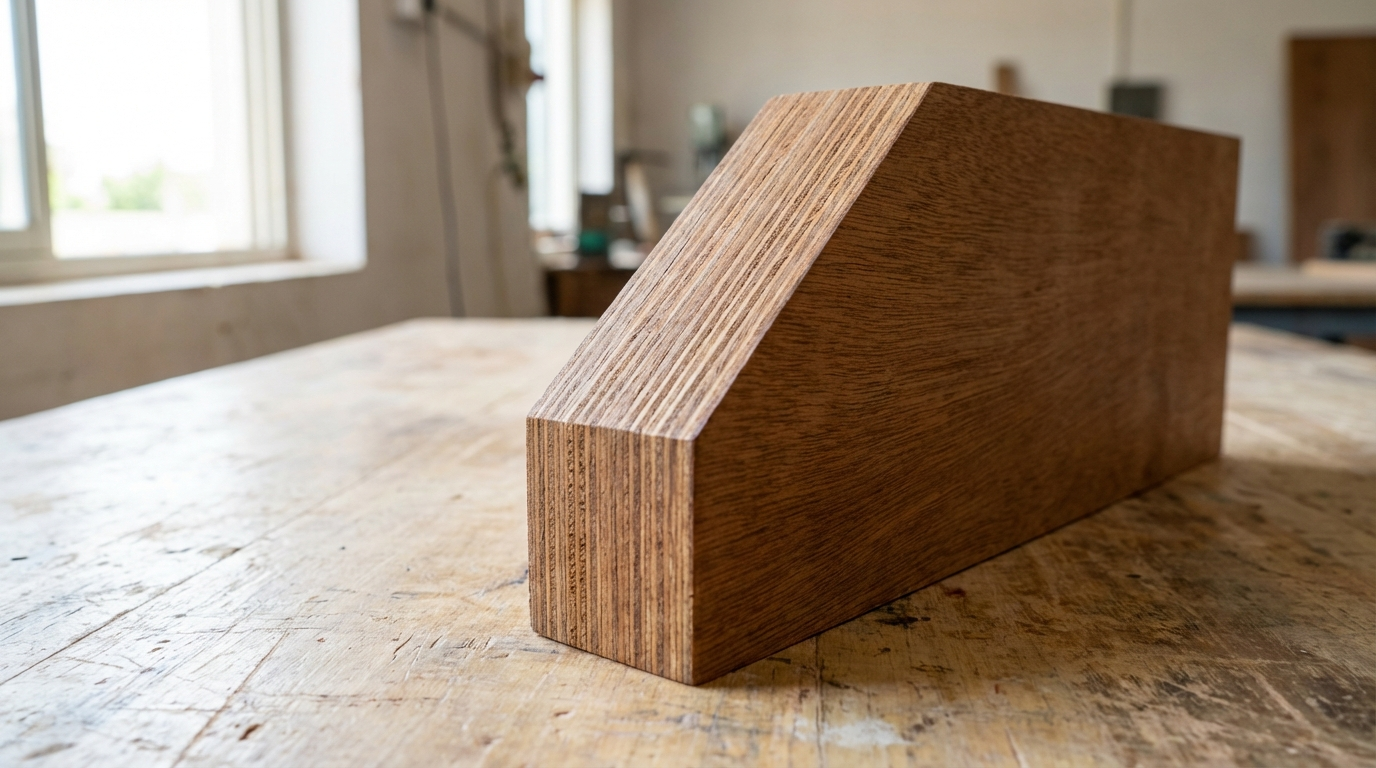
Termite proof plywood is specially treated engineered wood that resists termite attacks through chemical preservation methods like VPI (Vacuum Pressure Impregnation) technology, protecting your furniture and interiors from pest damage for 15-25 years.
In simple terms, termite proof plywood undergoes a treatment process where wood preservative chemicals are forced deep into every layer of the plywood under controlled vacuum and pressure conditions. This makes the entire sheet toxic and unpalatable to termites, borers, and wood-destroying fungi. Unlike surface-applied treatments that wear off over time, VPI-treated plywood offers protection throughout its thickness, ensuring long-lasting defence against India's most destructive wood pest.
- Termites cause over ₹50,000 crores in property damage annually in India
- VPI technology penetrates chemicals 8-12mm deep into plywood core
- Genuine termite proof plywood carries IS 303 or IS 710 certification
- Protection typically lasts 15-25 years depending on treatment quality
- Costs 15-25% more than regular plywood but eliminates recurring pest control expenses
- Essential for coastal, humid, and high-termite-risk zones across India
What Exactly is Termite Proof Plywood?
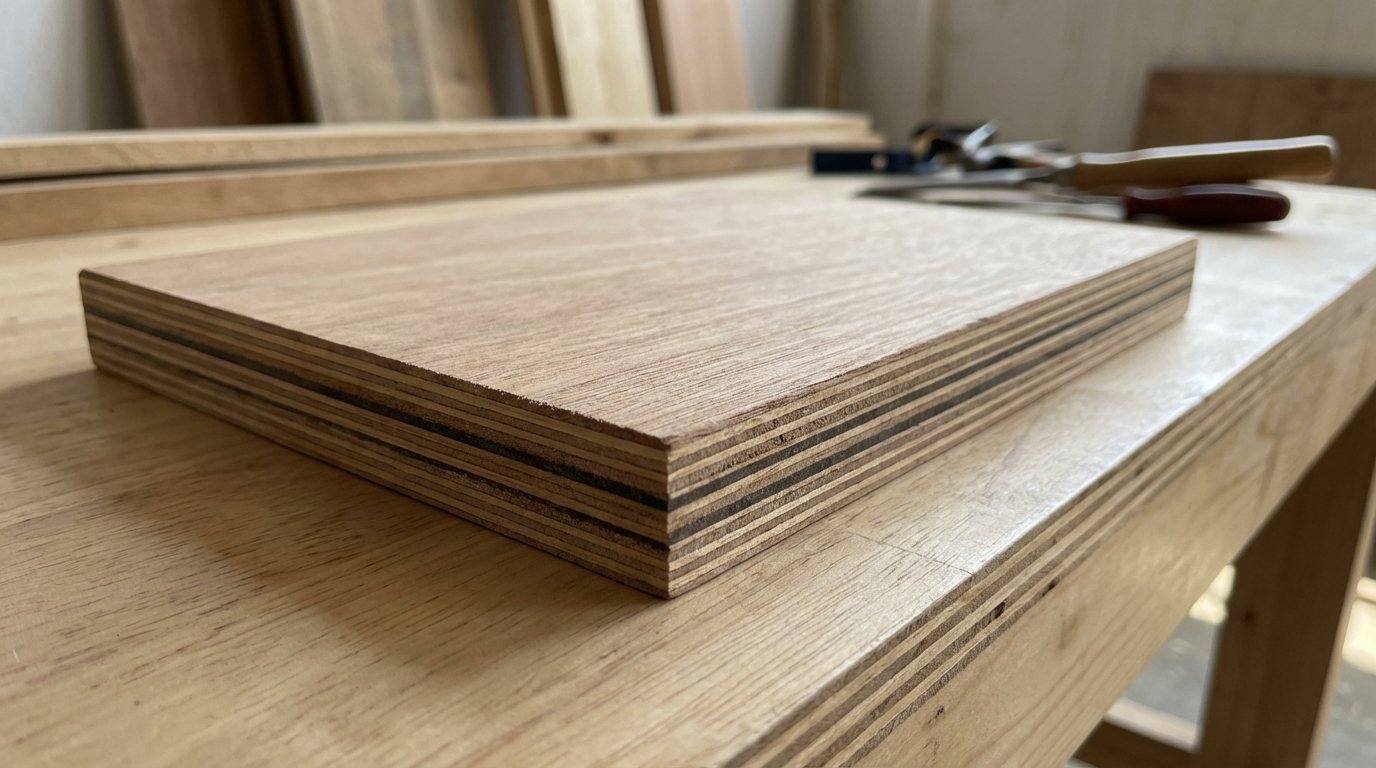
Termite proof plywood is standard plywood that has been chemically treated to become resistant to termite infestation, borer attacks, and fungal decay. The treatment process infuses wood preservative chemicals into the plywood's cellular structure, creating an environment that termites cannot digest or inhabit.
The manufacturing process begins with regular plywood production—thin wood veneers are bonded together using adhesive resins under heat and pressure. After this, the formed plywood sheets undergo preservation treatment. The most effective method used by quality manufacturers is Vacuum Pressure Impregnation, where sheets are placed in a sealed cylinder, air is evacuated to create a vacuum, and preservative solution is then forced into the wood under high pressure.
This matters for your furniture and interiors because termites are silent destroyers. They consume wood from the inside while leaving the outer surface intact, making early detection nearly impossible. By the time you notice hollow-sounding furniture or sawdust near wooden items, significant damage has already occurred. According to duroboil.com's material research, homes in high-humidity regions can experience complete furniture destruction within 2-3 years if untreated plywood is used.
Full Form: What Does VPI Stand For?
VPI stands for Vacuum Pressure Impregnation—the gold standard technology for treating plywood against termites. This industrial process originated in the timber preservation industry and has been adapted for plywood treatment in India since the 1990s.
The term "impregnation" refers to saturating the wood cells with preservative chemicals. In industry terminology, you may also encounter terms like "pressure treatment," "preservative treatment," or "anti-borer treatment"—these all refer to similar processes with varying effectiveness levels. VPI specifically indicates that both vacuum and pressure cycles are used, which is more effective than pressure-only or dip-treatment methods.
Types of Termite Proof Plywood Available in India
Termite resistance in plywood comes from the treatment method and chemicals used, not from the base plywood type. However, different grades of plywood can be treated for termite resistance, giving you options based on your moisture exposure and budget requirements.
| Type | Best For | Moisture Resistance | Price Range (per sq ft) | Availability |
|---|---|---|---|---|
| MR Grade Termite Proof | Bedrooms, living rooms, dry areas | Moderate (occasional moisture) | ₹45-70 | Widely available |
| BWR Grade Termite Proof | Kitchens, bathrooms proximity | Good (humid conditions) | ₹65-95 | Widely available |
| BWP/Marine Grade Termite Proof | Bathrooms, outdoor, coastal areas | Excellent (direct water contact) | ₹90-140 | Limited to premium dealers |
| Fire Retardant + Termite Proof | Commercial spaces, safety-critical areas | Good to Excellent | ₹120-180 | Specialty dealers only |
| Calibrated Termite Proof | Modular furniture, precision applications | Varies by base grade | ₹80-130 | Metro cities, large dealers |
Which Type for Kitchens and Bathrooms?
For kitchen cabinets, BWR grade termite proof plywood with minimum 12mm thickness is the recommended choice. Kitchens in Indian homes face constant exposure to steam, water splashes, and humidity from cooking. The combination of moisture resistance and termite protection ensures your modular kitchen lasts 15+ years without structural issues.
For bathroom vanities and areas near water sources, BWP (Marine) grade termite proof plywood is ideal, though BWR can work for vanities not directly exposed to water. The key is ensuring the plywood can handle the specific moisture level of your application while remaining protected from termites that thrive in damp conditions.
Which Type for Wardrobes and Bedrooms?
MR grade termite proof plywood is typically sufficient for wardrobes, beds, and bedroom furniture in most Indian cities. These applications don't face direct water exposure, so the moisture resistance of MR grade is adequate. The termite treatment is identical across grades—what changes is the adhesive's water resistance.
However, in coastal cities like Mumbai, Chennai, Kochi, or Kolkata, upgrading to BWR grade even for bedroom furniture is advisable. The ambient humidity in these regions can exceed 80% during monsoons, and MR grade plywood may experience slight swelling or delamination over time.
Technical Specifications of Termite Proof Plywood
Understanding specifications helps you verify quality claims and choose the right product. Termite proof plywood follows the same dimensional standards as regular plywood, with additional preservative treatment specifications.
| Specification | Standard Values | What It Means for You |
|---|---|---|
| Standard Sheet Size | 8 ft × 4 ft (2440mm × 1220mm) | Covers approximately 32 sq ft per sheet |
| Available Thicknesses | 4mm, 6mm, 9mm, 12mm, 16mm, 19mm, 25mm | Choose based on furniture application |
| Preservative Retention | Minimum 6-8 kg/m³ for CCA, 4-6 kg/m³ for boron | Higher retention = longer protection |
| Penetration Depth | Minimum 8-12mm or 85% of sapwood | Ensures core protection, not just surface |
| Density Range | 550-700 kg/m³ (varies by core wood) | Higher density = better screw holding |
| Relevant IS Standards | IS 303 (MR), IS 710 (Marine), IS 401 (Preservation) | Certification proves tested quality |
The preservative retention specification is crucial—it measures how much chemical has been absorbed per cubic meter of wood. Low retention means insufficient protection, and the termite resistance will fail within a few years. Always ask dealers for the treatment certificate showing retention levels.
Thickness selection should match your application: use 6mm for back panels and drawer bottoms, 12mm for shelves and cabinet sides, 18-19mm for tabletops and load-bearing surfaces, and 25mm for heavy-duty commercial applications.
VPI Technology: How Termite Proof Plywood Works
Vacuum Pressure Impregnation is a four-stage industrial process that ensures preservative chemicals penetrate deep into plywood, not just coat the surface. This technology is what separates genuinely protected plywood from superficially treated products.
Stage 1: Initial Vacuum Cycle
Plywood sheets are loaded into a large cylindrical treatment vessel (typically 2-3 meters in diameter and 10-20 meters long). Air is then evacuated from the chamber, creating a vacuum of approximately 85-90%. This removes air from the wood cells, creating space for preservative absorption.
Stage 2: Preservative Flooding
While maintaining the vacuum, preservative solution is introduced into the chamber until sheets are completely submerged. The vacuum helps draw the initial solution into the outer wood layers. Common preservatives include CCA (Copper Chrome Arsenic), ACQ (Alkaline Copper Quaternary), and boron-based compounds.
Stage 3: Pressure Cycle
Pressure is applied—typically 10-14 kg/cm²—forcing the preservative solution deep into the wood structure. This stage lasts 1-3 hours depending on plywood thickness and target retention levels. The pressure ensures chemicals reach the core layers, not just the surface veneer.
Stage 4: Final Vacuum and Drying
Excess preservative is drained, and a final vacuum cycle removes surplus solution from cell cavities. Sheets are then removed and stacked for drying and fixation, where the chemicals bond permanently with wood fibres. The entire process takes 6-8 hours per batch.
The effectiveness of VPI treatment depends on proper execution of all stages. Shortcuts—like reducing pressure time or skipping vacuum cycles—result in poor penetration. This is why plywood from established manufacturers with proper treatment plants costs more than local products claiming termite resistance.
Chemical Treatments: Types and Safety
Different preservative chemicals offer varying levels of protection, environmental impact, and safety profiles. Understanding these helps you make informed choices, especially for children's rooms or areas with food contact.
| Chemical Type | Protection Level | Environmental Impact | Best For | Limitations |
|---|---|---|---|---|
| CCA (Copper Chrome Arsenic) | Excellent (20-25 years) | High concern (restricted in many countries) | Outdoor, ground contact, commercial | Arsenic content, not for food contact |
| ACQ (Alkaline Copper Quaternary) | Very Good (15-20 years) | Low concern (arsenic-free) | Residential interiors, children's furniture | Can corrode certain metals |
| Boron Compounds | Good (10-15 years) | Low concern (naturally occurring) | Indoor furniture, low-moisture areas | Leaches in wet conditions |
| Synthetic Pyrethroids | Moderate (8-12 years) | Moderate concern | Supplementary treatment | Degrades with UV exposure |
| Copper Azole | Very Good (15-20 years) | Low concern | General residential use | Higher cost |
For most residential applications in India, ACQ or boron-treated plywood offers the best balance of protection and safety. CCA-treated plywood, while highly effective, is being phased out in many applications due to environmental concerns. If purchasing CCA-treated plywood, ensure it's used only for outdoor or non-contact applications.
Duroboil.com recommends asking dealers specifically about the preservative type used. Reputable manufacturers will provide this information on their product labels or treatment certificates.
India's Regional Termite Risk Map
India's diverse climate creates varying termite risk levels across regions. Understanding your local risk helps determine how critical termite proof plywood is for your project and what grade offers adequate protection.
| Risk Zone | Regions/Cities | Climate Factors | Recommended Minimum Grade |
|---|---|---|---|
| Very High Risk | Mumbai, Chennai, Kolkata, Kochi, Goa, entire coastal belt | High humidity (70-95%), heavy monsoon, warm temperatures year-round | BWR or BWP grade termite proof (mandatory) |
| High Risk | Hyderabad, Bangalore, Pune, Ahmedabad, Bhubaneswar | Moderate to high humidity, significant monsoon exposure | BWR grade termite proof (strongly recommended) |
| Moderate Risk | Delhi NCR, Lucknow, Jaipur, Indore, Nagpur | Seasonal humidity spikes, monsoon period vulnerability | MR grade termite proof (recommended) |
| Lower Risk | Chandigarh, Dehradun, Shimla, Srinagar, Leh | Lower humidity, cold winters suppress termite activity | MR grade termite proof (optional but advisable) |
Coastal and Humid Region Considerations
In very high-risk zones, termite activity continues year-round. Subterranean termites—the most destructive species in India—thrive in constantly moist soil and can travel up to 100 meters to reach wood sources. Homes in these regions should use termite proof plywood for all wooden applications, not just furniture.
Ground-floor homes and buildings with poor drainage face elevated risk. Even with termite proof plywood, ensure proper building-level termite barriers during construction. The plywood treatment protects your furniture; building treatment protects the structure.
Monsoon Season Vulnerability
Even moderate-risk zones become high-risk during monsoon months (June-September). This is when termite colonies expand and swarm. If you're installing new furniture during this period, termite proof plywood becomes especially important regardless of your region.
Post-monsoon inspection is advisable—check wooden furniture for mud tubes (termite highways), hollow sounds when tapped, or fine wood dust accumulation. Early detection in untreated areas can prevent spread to treated furniture.
Common Misconceptions About Termite Proof Plywood
Many buyers make wrong decisions based on myths and incomplete information. Here are the most common misconceptions clarified with factual corrections.
Myth 1: "All Plywood Marked Termite Proof is Actually Protected"
Reality: There is no mandatory certification enforcement for termite claims in India. Many local manufacturers apply surface sprays or dip treatments and label products as "termite proof." Genuine VPI treatment requires expensive industrial equipment that small units don't possess. Always verify IS 303/IS 710 certification and ask for treatment certificates.
Myth 2: "Termite Proof Means Completely Termite Proof Forever"
Reality: No treatment lasts forever. Quality VPI treatment provides 15-25 years of protection under normal conditions. Exposure to constant moisture, ground contact, or extreme conditions can reduce effectiveness. The treatment makes plywood highly resistant, not permanently immune.
Myth 3: "Higher Price Always Means Better Termite Protection"
Reality: Price depends on many factors—core wood type, face veneer quality, brand premium, and dealer margins. An expensive plywood might have superior aesthetics but average termite treatment. Conversely, some mid-priced products from quality manufacturers offer excellent protection. Judge by treatment certificate, not just price.
Myth 4: "Termite Proof Plywood Doesn't Need Any Other Precautions"
Reality: Termite proof plywood protects the plywood itself. Termites can still infest nearby untreated wood, paper, or cardboard. Maintaining a termite-free home requires treating the building perimeter, avoiding wood-to-soil contact, and regular inspections.
Myth 5: "Marine/BWP Grade Doesn't Need Termite Treatment"
Reality: Waterproof adhesive and termite resistance are completely different properties. Marine grade plywood resists water damage and delamination—it doesn't inherently resist termites unless separately treated. You need BWP grade WITH termite treatment for wet areas in high-risk zones.
Myth 6: "Treatment Chemicals are Dangerous for Health"
Reality: Modern preservatives like ACQ and boron compounds are safe for residential use when properly fixed in wood. The chemicals bond with wood fibres during the drying process and don't release into indoor air. CCA-treated wood requires more caution but is still safe for most applications except food contact surfaces.
Advantages and Limitations of Termite Proof Plywood
Making an informed decision requires understanding both benefits and drawbacks. Here's an honest assessment based on real-world performance in Indian conditions.
Advantages
Long-term cost savings: While costing 15-25% more upfront, termite proof plywood eliminates recurring pest control expenses (₹5,000-15,000 annually) and furniture replacement costs. Over a 15-year period, the savings significantly outweigh the initial premium.
Extended furniture lifespan: Properly treated plywood furniture can last 20-30 years in normal conditions. Untreated furniture in high-risk zones may need replacement within 5-8 years due to termite damage.
Peace of mind: No constant worry about termite inspections or surprise infestations. This psychological benefit is especially valuable for homeowners who've previously experienced termite damage.
Multi-pest protection: VPI treatment protects against borers and wood-decaying fungi, not just termites. This comprehensive protection is particularly valuable in humid coastal regions.
No visible difference: Treated plywood looks identical to untreated plywood. You can achieve any desired finish—laminate, veneer, paint, or polish—without any aesthetic compromise.
Climate suitability: Specifically addresses India's termite-friendly climate conditions. The treatment is designed to withstand high humidity and temperature variations typical of Indian weather.
Limitations
Higher initial cost: The 15-25% price premium can be significant for large projects. A full home's furniture requirement might cost ₹30,000-50,000 more when using termite proof plywood throughout.
Limited availability in smaller towns: Genuine VPI-treated plywood requires specialized manufacturing. Tier-3 cities and rural areas may have limited options from reputable brands, with local products of questionable quality dominating the market.
No universal certification enforcement: Unlike electrical or food products, there's no strict regulatory oversight for termite treatment claims. Buyers must rely on brand reputation and their own verification.
Treatment degrades if cut edges exposed: When plywood is cut for furniture, the fresh edges aren't protected. In high-risk zones, edge sealing with termite-resistant sealant is recommended but rarely done.
Not effective for pre-existing infestations: Termite proof plywood prevents new infestations—it cannot eliminate termites already present in your home. Building-level treatment must happen first.
Best Applications for Termite Proof Plywood in Indian Homes
Strategic use of termite proof plywood optimizes protection while managing costs. Not every application requires treated plywood—understanding priority areas helps allocate budget effectively.
Essential Applications (Always Use Termite Proof)
Kitchen cabinets: Combination of humidity, warmth, and food particles creates ideal termite conditions. All base units, wall units, and pantry should use BWR grade termite proof plywood minimum 12mm thick.
Wardrobes: Large wooden mass plus stored clothing makes wardrobes prime termite targets. Use termite proof plywood for entire structure; back panels can be 6mm treated plywood.
Bathroom vanities: Moisture and warmth accelerate termite activity. Use BWP grade termite proof plywood with proper waterproofing for water-adjacent furniture.
Ground floor furniture: Proximity to soil increases risk of subterranean termite attack. All wooden furniture on ground floors should prioritize termite protection.
Recommended Applications (Strongly Advised)
TV units and entertainment centers: Often placed against walls where termites travel. Warmth from electronics can attract pests.
Study tables and office furniture: Paper storage near these items attracts termites to the area.
Wooden flooring underlay: Ground contact makes this high-risk; always use treated plywood as flooring base.
False ceiling framework: Once infested, ceiling termites are extremely difficult to treat. Prevention is essential.
Optional Applications (Based on Budget)
Bedroom furniture in dry regions: If you're in a lower-risk zone with air-conditioned bedrooms, standard plywood with surface treatment may suffice.
Decorative panels on upper floors: Reduced ground contact and controlled environment lower risk significantly.
Temporary or short-term furniture: If you plan to replace furniture within 5-7 years, the premium may not be justified.
Quality Verification: How to Check Without Lab Tests
You can't test termite resistance at home, but several verification methods help ensure you're getting genuine quality.
Documentation Checks
Request treatment certificate: Legitimate manufacturers provide certificates showing treatment date, preservative type, retention level, and penetration depth. No certificate = no verification = high risk.
Verify IS marking: Look for BIS (Bureau of Indian Standards) certification marks. IS 303 for MR grade, IS 710 for marine grade. The ISI mark should be printed, not stickered, on genuine products.
Check manufacturer details: Certificate should include manufacturer name, address, and contact details. Call to verify if needed—counterfeit certificates often have fake contact information.
Physical Inspection
Check for greenish or brownish tint: CCA and copper-based treatments leave a slight colour change in wood. Completely normal-coloured wood claiming treatment is suspicious.
Smell test: Freshly treated plywood has a distinct chemical odour (not unpleasant but noticeable). Completely odourless "termite proof" plywood may be untreated.
Weight comparison: Treated plywood is 5-10% heavier than untreated plywood of the same grade due to absorbed preservatives. Compare similar-sized sheets.
Edge examination: Cut edge should show consistent colour change throughout thickness. Surface-only colour change indicates poor penetration.
Questions for Your Dealer
- Which company manufactured this plywood and where is their treatment plant?
- What preservative chemical is used and what is the retention level?
- Can you provide the original treatment certificate (not just warranty card)?
- Is this VPI treated or surface/dip treated?
- What is the warranty coverage specifically for termite damage?
- Can I visit the manufacturing/treatment facility?
Dealers who cannot answer these questions clearly are likely selling rebranded or falsely-labelled products. Established brands have training programs that equip their dealers with this knowledge.
Red Flags: Signs of Low-Quality or Fake Termite Proof Plywood
The Indian plywood market has significant quality variation. Watch for these warning signs when purchasing.
Price too good to be true: If termite proof plywood is priced same as regular plywood, treatment is likely inadequate. Genuine VPI treatment adds 15-25% to production cost.
No brand markings on sheet: Reputable manufacturers stamp or print brand name, grade, and treatment information directly on every sheet. Plain unmarked sheets indicate unbranded or local production.
Generic warranty card: Legitimate warranties include sheet serial numbers traceable to batch treatment records. Generic cards without specific identification offer no real protection.
Claims of "lifetime" protection: No termite treatment lasts forever. Claims of permanent or lifetime protection indicate either ignorance or deliberate deception.
Reluctance to show treatment certificate: If the dealer only offers warranty card and refuses to provide treatment certificate citing "company policy," the treatment likely doesn't meet standards.
Inconsistent information: If treatment claims on the sheet, warranty card, and dealer's verbal information don't match, the product authenticity is questionable.
Available only in limited sizes: Proper treatment plants process standard 8×4 sheets efficiently. "Termite proof" plywood available only in odd sizes may be locally treated using inferior methods.
Care and Maintenance for Maximum Protection
Termite proof plywood significantly reduces risk but benefits from supporting maintenance practices to ensure long-term effectiveness.
Installation Best Practices
Seal cut edges: When furniture is fabricated, exposed edges lose some protection. Apply wood sealant or edge banding to all cut surfaces. This is especially important in high-risk zones.
Elevate from ground contact: Use leg heights or base structures to maintain gap between furniture and floor. This prevents direct moisture transfer and blocks termite access.
Ensure ventilation: Allow air circulation behind wardrobes and under beds. Stagnant, humid air accelerates termite activity and wood deterioration.
Regular Maintenance
Annual inspection: Check furniture joints, back panels, and concealed areas yearly for mud tubes, frass (termite droppings), or hollow sounds. Early detection prevents spread.
Control moisture: Fix any leaks near wooden furniture immediately. Persistent moisture degradespreservative effectiveness and attracts termites.
Avoid chemical cleaners: Strong chemical cleaners can leach preservatives from surface layers. Use mild soap solutions for cleaning wooden surfaces.
Maintain perimeter protection: Ensure building-level termite treatment remains effective. Termite proof furniture in a termite-infested building still faces elevated risk from surrounding infestations.
When to Seek Professional Help
Contact pest control professionals if you notice any active termite signs, even with treated plywood. Isolated furniture treatment doesn't protect against building-level infestations that can spread to untreated materials like paper, cardboard, or less-protected wood items.
Frequently Asked Questions
Is termite proof plywood 100% waterproof?
No, termite treatment and water resistance are separate properties. Termite proof plywood can be MR grade (moderate moisture resistance), BWR grade (good water resistance), or BWP grade (waterproof). The termite treatment doesn't add waterproofing—you must select the appropriate moisture grade for your application. For bathrooms and kitchens, choose BWR or BWP grade termite proof plywood; for dry areas, MR grade is sufficient.
How long does termite protection last in Indian conditions?
Quality VPI-treated plywood provides protection for 15-25 years under normal indoor conditions. This duration varies based on preservative type (CCA lasts longest, boron compounds shorter), retention level, exposure to moisture, and local termite pressure. In very high-risk coastal zones with extreme humidity, protection may reduce to 12-18 years. Indoor furniture in air-conditioned spaces typically sees maximum protection lifespan.
Can termites still attack termite proof plywood?
Termites may initially contact termite proof plywood during foraging, but the treatment makes the wood toxic and unpalatable. They typically abandon treated wood quickly and seek alternative food sources. In severe infestations, you might see mud tubes on treated surfaces, but the wood itself won't be consumed. However, if the treatment is inadequate or has degraded, eventual attack is possible.
Is the chemical treatment safe for children and pets?
Modern preservatives like ACQ (Alkaline Copper Quaternary) and boron compounds are considered safe for residential use, including children's rooms. The chemicals bond with wood fibres during the curing process and don't release into indoor air during normal use. CCA-treated plywood should be avoided for children's furniture and food-contact surfaces due to arsenic content. Always verify the preservative type when purchasing for sensitive applications.
What is the price difference between regular and termite proof plywood?
Termite proof plywood typically costs 15-25% more than equivalent untreated plywood. For example, if MR grade plywood costs ₹45 per sq ft, the termite proof version would be ₹52-56 per sq ft. BWR grade termite proof ranges from ₹65-95 per sq ft depending on core quality and brand. This premium covers the treatment plant operation, preservative chemicals, additional processing time, and quality testing costs.
How can I verify if plywood is genuinely termite proof?
Request the treatment certificate showing preservative type, retention level, penetration depth, and treatment date. Check for BIS certification (IS 303 or IS 710 mark) printed on the sheet. Physically inspect for greenish/brownish tint from copper-based treatments and notice the distinct chemical smell of freshly treated plywood. Compare weight—treated plywood is 5-10% heavier than untreated. If the dealer cannot provide documentation or answer treatment-related questions, consider alternative sources.
Should I use termite proof plywood in Delhi/North India where it's dry?
Yes, though the urgency is lower than in coastal regions. Delhi NCR and North Indian cities experience high humidity during monsoon months (July-September) when termite activity peaks. Ground floor homes and areas near parks or green spaces have elevated risk year-round. For long-term furniture investments like modular kitchens and wardrobes, termite proof plywood is advisable even in moderate-risk zones. According to duroboil.com's regional analysis, termite damage claims in Delhi have increased 40% over the past decade.
Can existing furniture be treated for termites?
Post-installation termite treatment for furniture is possible but less effective than factory-applied VPI treatment. Options include surface spray applications (protection for 2-3 years), borate-based injections (moderate effectiveness), and fumigation (temporary solution). None match the deep penetration of pressure treatment. If your existing furniture shows no termite damage and you're in a moderate-risk zone, surface treatment combined with building-level protection may suffice. Damaged furniture should be replaced with termite proof alternatives.
Does termite proof plywood work against white ants?
Yes—"white ants" is the common Indian term for termites. They're actually not ants at all but a separate insect order more closely related to cockroaches. Termite proof plywood provides protection against all common termite species found in India, including subterranean termites (most destructive), drywood termites, and dampwood termites. The preservative chemicals work regardless of termite species.
Which brand offers the best termite proof plywood in India?
Several established manufacturers offer quality termite proof plywood: CenturyPly (with Sainik and Century Club ranges), Greenply (Green Gold series), Kitply, Duroply, and Austin Plywood have dedicated VPI treatment plants. Regional brands like Timex, KPI Ply, and Archid also offer treated options. Rather than focusing on brand names, verify that your specific purchase has proper certification, treatment certificates, and warranty documentation. Quality varies by batch and dealer—documentation verification is more reliable than brand assumptions alone.
Final Recommendations from Duroboil.com
Termite proof plywood represents one of the most practical preventive investments for Indian homeowners. Given India's climate conditions and the devastating nature of termite damage, the 15-25% price premium is justified for most furniture applications.
Prioritize termite protection for kitchen cabinets, wardrobes, ground floor furniture, and any applications in high-humidity zones. Verify quality through treatment certificates, not just warranty cards or dealer assurances. Choose the appropriate moisture grade (MR/BWR/BWP) based on your specific application needs.
Remember that termite proof plywood protects the plywood itself—comprehensive home protection requires building-level treatments and regular inspections. Use the knowledge from this guide to make informed purchasing decisions and ensure your furniture investment lasts for decades.
Disclaimer: This content is provided for general informational purposes based on industry practices and publicly available information. Product specifications, standards, prices, and availability may vary by manufacturer, region, and time. Readers should independently verify details with manufacturers, dealers, or qualified professionals before making purchase or construction decisions.
Want Plywood Suggestions?
Share a few details and a Duro BOIL specialist will suggest suitable brands and connect you to responsive dealers.