Termite/borer damage in plywood: prevention checklist
Termite/borer damage in plywood: prevention checklist: a practical India-focused guide with checklists, FAQs and quick tables to help you choose the right
Quick Decision Summary
Prevent termite and borer damage by selecting BWP-grade plywood with chemical treatments and maintaining dry conditions during storage and use.
If you're in a hurry: Prioritize BWP or marine-grade plywood infused with anti-termite preservatives in the glue lines, as these higher grades use durable phenolic resins that resist moisture and pests better than MR types. Store sheets elevated off the ground in ventilated godowns, seal edges post-cutting, and ensure site ventilation to block monsoon-driven humidity. Regular tapping checks catch early frass or hollow spots. This combo cuts risk by addressing India's soil termites and powder borers head-on, without relying on post-install sprays alone.
- Choose this if: high-humidity zones like coastal areas or kitchens, long-term furniture/doors.
- Avoid this if: fully dry interiors on tight budgets—opt for treated MR with extra precautions.
What Termite and Borer Damage in Plywood Actually Means
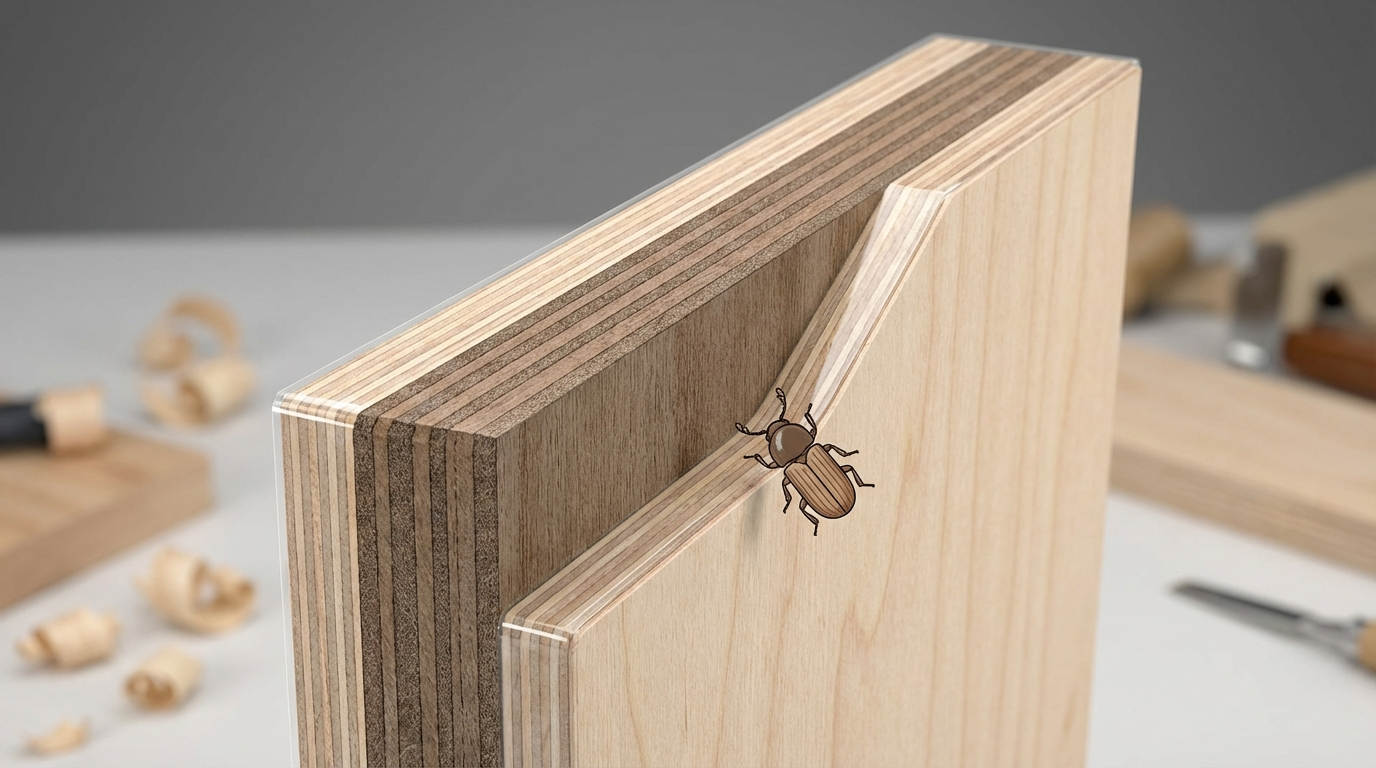
Termites and borers attack plywood by consuming its cellulose layers, creating tunnels that weaken structure and cause bulging or collapse over time. Termites leave mud tubes or frass (sawdust-like waste), while borers produce fine powder from powderpost beetles. Damage starts unseen in core veneers, spreading if unchecked.
Where People Get Confused About Termite/Borer Issues
- Thinking all plywood grades resist equally—MR grades swell easily in humidity, inviting pests.
- Believing surface laminates or paint block entry—pests tunnel from edges or undersides.
- Assuming treatments last forever—effectiveness varies by exposure and application depth.
- Overlooking borers vs. termites—borers focus on dry wood, termites thrive in moist conditions.
- Ignoring storage role—godown dampness activates dormant eggs before installation.
- Expecting instant signs—damage builds silently for months in humid Indian sites.
India-Specific Reality Check
India's monsoon humidity (70-90%) and termite-rich red soils amplify plywood risks, especially in coastal belts like Mumbai or Chennai where subterranean termites swarm post-rains. Godown stacking on bare floors traps moisture, hatching eggs in weeks. Contractor shortcuts like open-site storage during builds worsen this, leading to 20-30% failure rates in untreated stock. Coastal salt air accelerates borer powdering in furniture legs.
Why Monsoon Changes Everything for Plywood Protection
Monsoons swell untreated plywood by 10-15%, cracking glue lines and creating pest entry points. In Kerala or Bangalore, soil termites rise via capillary moisture. Solution: elevate storage 6-12 inches, use tarps loosely, and ventilate. Post-install, fans prevent trapped humidity under cabinets.
How to Choose Termite-Resistant Plywood in 5 Steps
- Assess exposure: Dry bedroom? MR suffices with treatment. Kitchen/bath? Mandate BWP.
- Pick grade: BWP/marine for wet zones; verify phenolic resin use.
- Confirm treatment: Ask for glue-line preservatives; reject vague claims.
- Check storage: Buy from ventilated dealers; inspect for frass on-site.
- Plan sealing: Edge-seal cuts immediately to block access.
Skipping steps risks hidden core damage emerging after 6-12 months.
Which Plywood Grade Best Resists Termites in Humid India?
BWP and marine grades (using boiling-water-proof glues) typically outperform MR/BWR due to denser, less cellulose-exposed cores. These phenolic resins deter feeding, but pair with chemical dips for full proofing. In dry zones, treated MR works; verify by tapping—no hollow echoes. Next, request vendor demo on a sample sheet.
Price Range and Cost Drivers (India)
Termite-treated plywood ranges from ₹80-₹120 per sq ft for 18mm MR to ₹150-₹250 for BWP, varying by city (Mumbai 20% higher), thickness (6-25mm), and treatment depth. Core quality and veneer count drive 30-40% of cost; coastal logistics add ₹10-20/sq ft.
- How to quote: Specify "18mm BWP termite-treated, Gurjan core, calibrated."
Two-Minute Comparison Table: Grades vs. Termite Risk
| Grade | Termite Resistance | Best For | Monsoon Suitability |
|---|---|---|---|
| MR | Low (needs extra treatment) | Dry interiors | Poor—swells easily |
| BWR | Medium | Semi-wet areas | Fair |
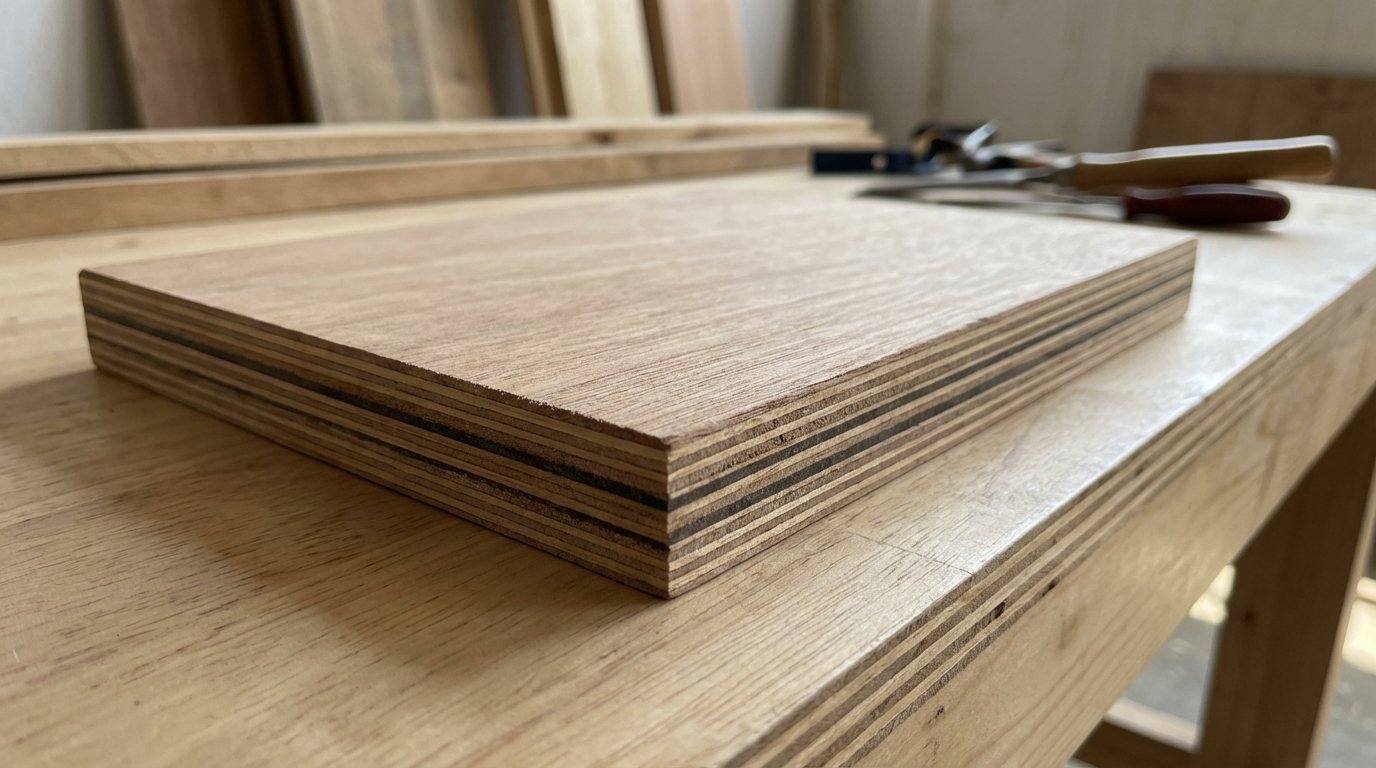
| BWP/Marine | High (with chemicals) | Wet/coastal | Excellent |
Decision Framework: Match Conditions to Choices
| Condition | Recommended Approach | What to Verify |
|---|---|---|
| Coastal/high humidity | BWP + deep chemical treatment | No core gaps; heavy feel |
| Budget interiors | Treated MR + edge sealant | Vendor treatment process |
| Heavy-use furniture | Marine grade | Uniform veneers |
| Tight delivery | Pre-treated stock | Dry storage proof |
| Scratch-prone kids' room | Laminate over BWR | Glue shear strength tap |
| Monsoon site | BWP + soil barrier | Moisture meter under 12% |
Trade-offs and Limitations
BWP resists best but costs 50-100% more and weighs heavier for carpenters. Treatments may fade in extreme exposure without maintenance. No plywood is 100% pest-proof—combine with ventilation. Over-treatment yellows veneers slightly.
Common Buyer Mistakes and How to Avoid Them
- Buying cheapest MR for everywhere: Why: Budget lure. Instead: Zone-map your home first.
- Ignoring godown storage: Damp stacks ruin sheets. Inspect undersides on delivery.
- No edge sealing post-cut: Open pores invite borers. Apply primer same day.
- Skipping site inspection: Termites from soil. Tap walls pre-install.
- Trusting verbal "treated": Vague. Demand glue-line details.
- Stacking flush on floors: Traps moisture. Elevate 6 inches always.
- Forgetting ventilation: Humidity builds under cabinets. Add gaps/fans.
- Post-monsoon neglect: Swells crack. Dry and inspect annually.
- Using sprays only: Surface fix. Choose treated base material.
Failure Modes and Fixes
- Symptom: Fine powder at base. Cause: Powder borers in dry core. Prevent: Chemical infusion. Fix: Sand, retreat edges.
- Symptom: Mud tubes on edges. Cause: Subterranean termites. Prevent: Elevate install. Fix: Remove tubes, soil spray.
- Symptom: Hollow tap sound. Cause: Internal tunnels. Prevent: BWP grade. Fix: Replace sheet.
- Symptom: Bulging layers. Cause: Moisture + pests. Prevent: Seal cuts. Fix: Dry out, reinforce.
- Symptom: Surface pinholes. Cause: Drywood termites. Prevent: Ventilation. Fix: Fill, varnish.
- Symptom: Weakening doors. Cause: Leg contact soil. Prevent: Barriers. Fix: Shim elevate.
- Symptom: Frass in drawers. Cause: Stored damp. Prevent: Neem packs. Fix: Empty, sun-dry.
Quality Checks You Can Do Without Lab Tests
- Before buying: Tap edges—solid thud, no rattle; check for powder under stacks; smell faint chemical (treatment cue).
- Sample test: Weigh per sq ft—heavier signals denser treatment; flex ends—no snap cracks.
- Post-cut: No glue ooze; edges smooth, no voids.
- Installed: Tap monthly; ensure 1-inch floor gap; wipe dry post-monsoon.
How Can You Spot Early Termite Damage in Plywood Furniture?
Look for fine frass powder near joints, mud tubes along edges, or hollow knocks when tapped firmly. In India, check monsoon-swelled undersides first. Pinholes signal borers. Next step: Isolate piece, sun-expose 2 days, then vacuum frass and apply oil sealant. Monitor weekly to avoid spread.
Tips for Homeowners: Durability Do's and Don'ts
- Do: Wipe spills instantly, use silica packs in cabinets.
- Don't: Drag furniture—scratches expose core.
- Annual: Tap-test all pieces; ventilate during rains.
Tips for Carpenters and Contractors
- Cut in dry sheds; prime edges before assembly.
- Fasten 2 inches from edges to avoid splits.
- Site-stack elevated; reject damp deliveries.
Tips for Architects and Designers
- Spec BWP for wet zones; detail 10mm floor clearances.
- Include ventilation louvers; recommend treated frames.
Does Laminating Plywood Prevent Termite Attacks?
Laminates hide but don't stop pests tunneling from unsealed edges or undersides. In humid India, combine with BWP base and full sealing. Not a standalone fix—pests bypass films. Verify by checking laminate overlaps; seal gaps with putty. Inspect annually for lifts signaling under-attack.
FAQs
Can regular plywood be made termite-proof after purchase?
Post-treatment via surface sprays or dips adds some protection but penetrates poorly compared to factory glue-line infusion. In India, for MR stock, soak edges in oil-preservative mixes during monsoon prep. Effectiveness lasts 1-2 years; reapply yearly. Best: Choose pre-treated to avoid uneven coverage and warping risks.
Is BWP plywood always termite-resistant?
BWP's phenolic glues deter feeding, but without added chemicals, coastal termites still attack moist cores. Factory treatments boost it reliably. Check vendor for infusion details; tap-test samples. Pair with dry install for 5-10 year peace.
How often should you inspect plywood for borers?
Monthly in monsoon, quarterly otherwise—focus on furniture legs and cabinet undersides. Tap for hollows, sweep for powder. India humidity speeds activity; ventilate to dry. Early catch prevents full replacement.
Do neem leaves really work on plywood cabinets?
Neem repels mildly via natural oils, useful as add-on in dry zones. Place leaves/powder in corners, refresh monthly. Not substitute for treated plywood—humidity dilutes effect. Combine with ventilation for better results.
Why do termites target plywood more than solid wood?
Plywood's layered glues and veneers trap moisture, aiding termite colonies. Soft cores invite faster than dense heartwood. Opt BWP to mimic resistance; seal all faces.
Can termites come from the building soil into plywood?
Yes, subterranean types climb via moisture paths. Elevate furniture 6 inches, use barriers. Pre-build soil treatment helps sites.
Is powder from borers the same as termite frass?
Borer powder is finer, uniform; termite frass muddier. Both signal urgency—clean, treat source.
How to protect plywood doors from termites in coastal areas?
Use marine-grade frames, seal hinges/edges, elevate sills. Annual oil-wipe repels. Ventilation key.
Does humidity alone cause termite issues in plywood?
It swells wood, cracking entries for pests. Dry storage first line; dehumidify rooms.
Disclaimer: This content is provided for general informational purposes based on industry practices and publicly available information. Product specifications, standards, prices, and availability may vary by manufacturer, region, and time. Readers should independently verify details with manufacturers, dealers, or qualified professionals before making purchase or construction decisions.Want Plywood Suggestions?
Share a few details and a Duro BOIL specialist will suggest suitable brands and connect you to responsive dealers.