Waterproof MDF Board: Features, Uses, and Buying Guide
Learn about waterproof MDF boards (MR MDF). Discover their features, applications in kitchens and bathrooms, and how to identify genuine waterproof MDF.
Quick Answer
Waterproof MDF board is moisture-resistant medium-density fibreboard designed to withstand humid conditions without swelling or warping.
In simple terms, think of waterproof MDF as regular MDF that has been specially treated to handle moisture better. While standard MDF swells up like a sponge when it gets wet, waterproof MDF (often called MR MDF or HDHMR) contains special resins and additives that help it resist humidity. It's not fully waterproof like plastic, but it can handle the steam in your kitchen or the dampness in your bathroom much better than regular MDF. This makes it a practical choice for modular kitchens and bathroom vanities across India.
- Full form: MR MDF stands for Moisture Resistant Medium Density Fibreboard
- Best suited for: Kitchen cabinets, bathroom vanities, and areas with moderate humidity
- Typical thickness available: 6mm to 25mm in Indian markets
- Price range: Usually costs 20-40% more than standard interior-grade MDF
- Important note: "Waterproof" is somewhat misleading—it resists moisture but isn't immune to prolonged water exposure
What Exactly is Waterproof MDF Board?
Waterproof MDF board is an engineered wood product manufactured specifically for applications where humidity and occasional moisture exposure are expected. Unlike standard MDF that quickly absorbs water and swells, moisture-resistant variants are made using special melamine-urea-formaldehyde resins or phenolic resins that significantly reduce water absorption.
The manufacturing process starts similar to regular MDF—wood is broken down into fine fibres using a machine called a defibrator. These fibres are then mixed with wax and moisture-resistant adhesives before being compressed under high temperature and pressure. The key difference lies in the type of resin used and additional waterproofing agents added during production.
For Indian homeowners, this matters enormously. Our country experiences diverse climate conditions—from the humid coastal areas of Mumbai and Chennai to the monsoon-heavy regions of Kerala and West Bengal. Standard MDF simply cannot survive in these conditions without significant damage within a few years. Moisture-resistant MDF offers a middle ground between expensive marine plywood and budget-friendly but vulnerable standard MDF.
What does MR MDF and HDHMR stand for?
MR MDF stands for Moisture Resistant Medium Density Fibreboard. The term indicates that the board has been treated or manufactured with additives that reduce its tendency to absorb moisture.
HDHMR stands for High Density High Moisture Resistant board. This is essentially a premium version with higher density (typically above 850 kg/m³) and enhanced moisture resistance. HDHMR boards are often considered the best option for kitchen cabinets in India.
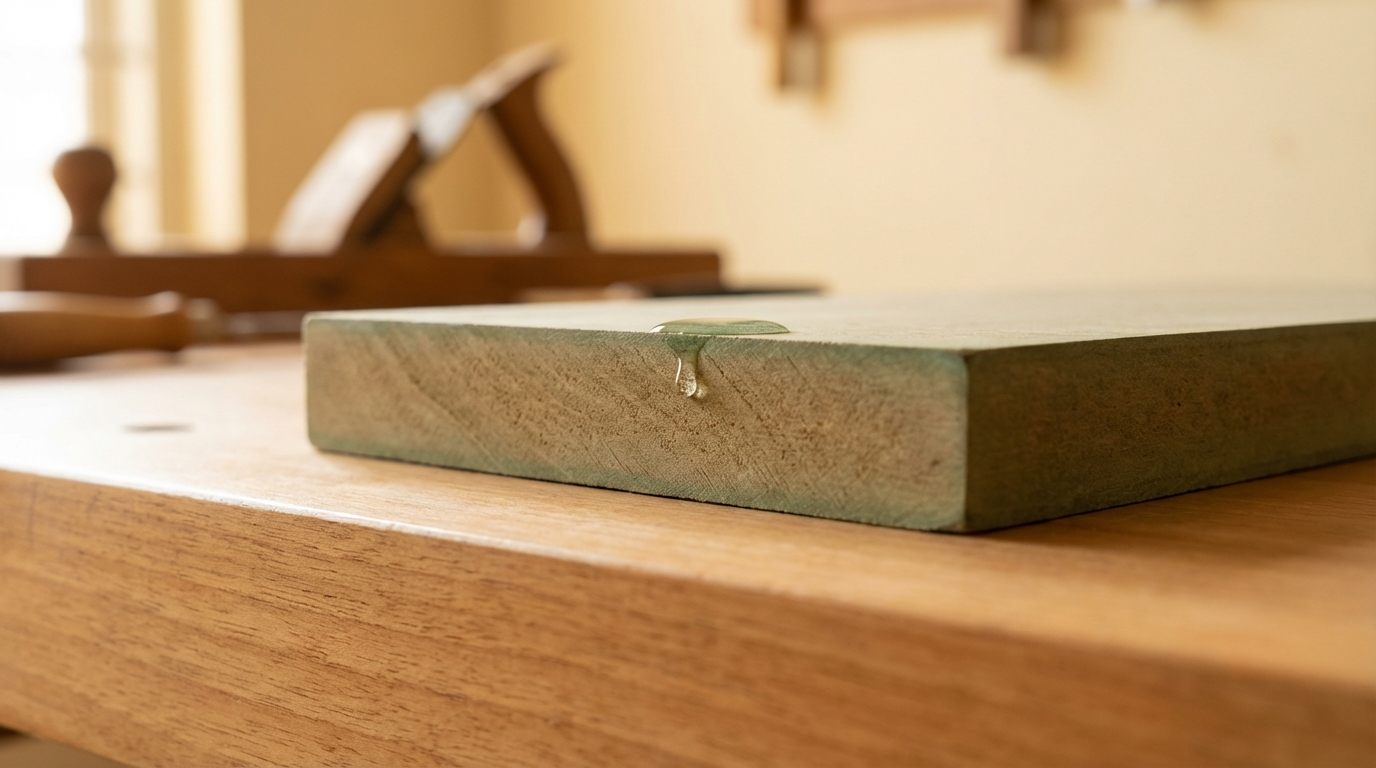
You might also encounter terms like "Green MDF" in the market—this refers to the green dye often added to moisture-resistant MDF during manufacturing to help identify it visually. However, the green colour alone doesn't guarantee quality; always verify the grade specifications.
Types of Waterproof MDF Available in India
The Indian market offers several variants of moisture-resistant MDF, each designed for specific applications. Understanding these differences helps you make an informed choice based on your project requirements.
Standard MR MDF: This is the entry-level moisture-resistant option. It handles humidity better than regular MDF but shouldn't be used in direct water contact areas. Suitable for bedroom furniture in humid climates.
HDHMR (High Density High Moisture Resistant): The premium choice for kitchen cabinets and bathroom vanities. Higher density provides better screw-holding capacity and edge strength. According to industry sources like oxterstock.com, HDHMR boards typically have a lifespan of 12-15 years and can withstand humid environments better than standard MDF.
Exterior Grade MDF: Specifically manufactured for highly humid conditions. Some brands like Greenply offer this variant for areas with extreme moisture exposure, as noted on greenply.com.
Pre-laminated MR MDF: Comes with factory-applied laminate finish, reducing the need for additional waterproofing treatments. Convenient for quick installations.
| Type | Best For | Moisture Resistance | Price Range (per sq ft) |
|---|---|---|---|
| Standard MR MDF | Bedroom furniture, wall panels | Moderate | ₹35-55 |
| HDHMR | Kitchen cabinets, bathroom vanities | High | ₹60-100 |
| Exterior Grade MDF | Balcony furniture, coastal areas | Very High | ₹70-120 |
| Pre-laminated MR MDF | Quick installations, modular furniture | High | ₹80-140 |
Which type is best for kitchen and bathroom?
For kitchen cabinets and bathroom vanities, HDHMR is the recommended choice. Kitchens experience constant steam from cooking, water splashes near the sink, and humidity from dishwashing. HDHMR's higher density (typically 850-900 kg/m³) provides superior resistance to these conditions.
However, even HDHMR has limitations. For sink base cabinets where water pooling is common, consider using BWP grade plywood instead. The carcass (internal structure) can be HDHMR, but the bottom panel of under-sink cabinets should ideally be marine plywood for long-term durability.
Which type works for wardrobes and bedrooms?
Standard MR MDF works perfectly for wardrobes and bedroom furniture in most Indian cities. The humidity levels in bedrooms are generally manageable, and MR MDF handles this well at a lower cost than HDHMR.
If you live in extremely humid coastal cities like Mumbai, Kolkata, or Chennai, consider upgrading to HDHMR even for bedroom applications. The additional investment provides peace of mind against monsoon humidity and prevents long-term warping issues.
Key Properties and Specifications
Understanding technical specifications helps you verify what you're buying and ensures compatibility with your project requirements.
| Specification | Standard MR MDF | HDHMR | What It Means for You |
|---|---|---|---|
| Density | 700-800 kg/m³ | 850-900 kg/m³ | Higher density = better screw holding |
| Water Absorption (24hr) | 12-15% | 8-10% | Lower is better for humid areas |
| Thickness Swelling | 10-12% | 6-8% | Lower means less warping when damp |
| Available Thickness | 6mm, 8mm, 12mm, 18mm, 25mm | 8mm, 12mm, 16mm, 18mm, 25mm | 18mm most common for cabinets |
| Standard Sheet Size | 8×4 feet | 8×4 feet | Plan cutting layout to minimize waste |
For cabinet doors, 18mm thickness is standard. Shelves also typically use 18mm for adequate load-bearing capacity. Back panels can use thinner 6mm or 8mm sheets to reduce weight and cost.
The water absorption percentage is crucial—ask your dealer for test certificates showing this value. Genuine HDHMR should show less than 10% water absorption after 24 hours of submersion according to standard testing protocols.
Where People Get Confused
The terminology around waterproof MDF creates significant confusion. Here are the most common misconceptions and the reality behind each:
Misconception 1: "Waterproof MDF can be submerged in water"
Reality: No MDF is truly waterproof. Even HDHMR will eventually swell if left in standing water. The term "waterproof" indicates resistance to humidity and brief water exposure, not immunity to water damage.
Misconception 2: "Green colour confirms it's moisture resistant"
Reality: The green dye is added for identification purposes, but some manufacturers might add green colour to standard MDF. Always check technical specifications and brand reputation rather than relying on colour alone.
Misconception 3: "MR MDF and HDHMR are the same thing"
Reality: HDHMR is a premium variant with higher density and better moisture resistance than standard MR MDF. The price difference exists because of genuinely superior performance.
Misconception 4: "Waterproof MDF can replace marine plywood everywhere"
Reality: For areas with direct water contact—like under-sink cabinets, outdoor furniture, or flooring in wet areas—BWP grade plywood remains superior. As explained on duroply.in, high-quality BWP plywood can withstand boiling water for up to 72 hours, a test that MDF cannot pass.
Misconception 5: "All brands offer the same quality"
Reality: Quality varies significantly between manufacturers. Reputed brands invest in better resins and quality control. The cheapest option often disappoints within 2-3 years.
Misconception 6: "Lamination makes regular MDF waterproof"
Reality: Lamination provides surface protection but edges remain vulnerable. If water seeps through edges, even laminated regular MDF will swell.
Advantages and Limitations
Advantages
- Smooth surface finish: MDF provides an exceptionally smooth surface ideal for painting and lamination—no grain patterns or knots to work around
- Uniform density: Unlike plywood, MDF has consistent density throughout, making cutting and routing predictable and clean
- Excellent machinability: CNC machines, routers, and saws work beautifully with MDF, enabling intricate designs for cabinet doors and wall panels
- Cost-effective for humid areas: HDHMR costs less than marine plywood while offering adequate moisture resistance for most interior applications
- No natural defects: Being engineered, there are no natural wood defects like knots, voids, or grain irregularities
- Paint holds well: The smooth surface accepts paint evenly without the grain showing through
- Edge banding adheres well: The uniform edge allows for clean, durable edge banding application
Limitations
- Lower screw-holding than plywood: Repeated screw insertions in the same hole weaken MDF significantly—use proper fittings and avoid repositioning hardware
- Heavier than plywood: MDF weighs more than equivalent plywood, making handling and installation more challenging for large pieces
- Edge vulnerability: Even moisture-resistant MDF absorbs water through exposed edges—always seal or band edges properly
- Not suitable for structural use: MDF lacks the cross-grain strength of plywood and shouldn't bear heavy structural loads
- Dust concerns during cutting: MDF produces fine dust containing formaldehyde; proper ventilation and masks are essential during fabrication
- Cannot tolerate standing water: Despite moisture resistance, prolonged water contact will cause damage—immediate cleanup of spills is essential
Best Applications in Indian Homes
Kitchen: HDHMR excels for upper cabinets, wall units, and most base cabinets. For sink base cabinets, combine HDHMR carcass with marine plywood bottom panel. Shutters can be HDHMR with high-pressure laminate finish.
Bathroom: Vanity units work well with HDHMR, but ensure all edges are properly sealed. Avoid using any MDF for areas that will receive direct shower spray. Wall panels in the dry zone can use pre-laminated MR MDF.
Bedroom: Standard MR MDF handles wardrobe construction well in most Indian cities. For coastal and highly humid regions, upgrade to HDHMR for wardrobe interiors.
Living Room: TV units, display cabinets, and wall panelling work excellently with MR MDF. The smooth surface is perfect for painted or laminated finishes.
Pooja Room: MR MDF is excellent for intricate jali work and carved panels due to its machinability.
Climate Considerations: In cities like Mumbai, Chennai, Kolkata, and coastal Kerala, always opt for HDHMR over standard MR MDF. The higher upfront cost prevents premature replacement. In drier regions like Delhi, Jaipur, or Bangalore, standard MR MDF works adequately for most applications.
How to Check Quality (Without Lab Tests)
You can verify quality through careful observation and smart questioning:
Visual Inspection Points:
- Surface smoothness: Run your hand across the board—quality MDF feels consistently smooth without rough patches
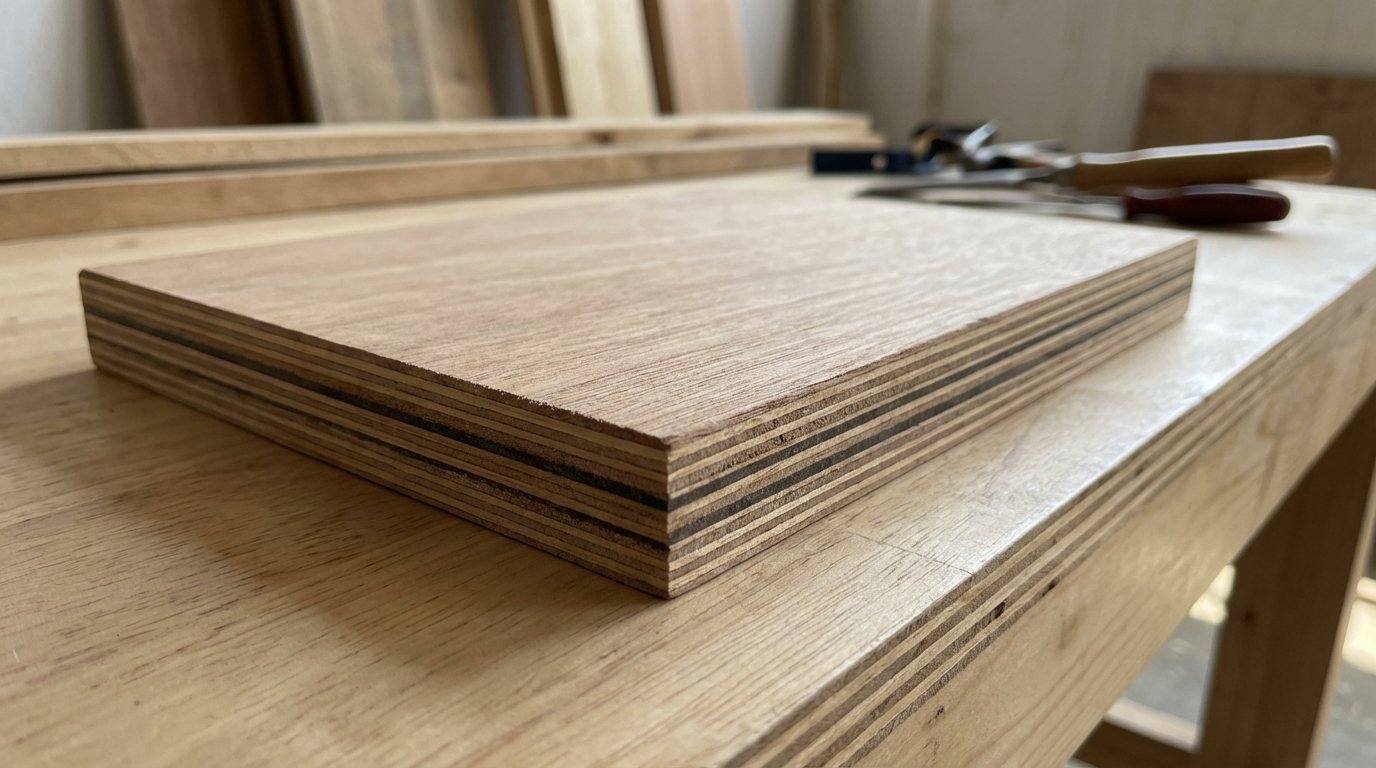
- Edge examination: Look at the cut edge; uniform fibre distribution indicates proper manufacturing
- Colour consistency: The green dye (for MR MDF) should be uniform throughout, not just surface-deep
- Weight check: HDHMR should feel noticeably heavier than standard MDF of the same size
- Flatness: Sight along the board edge—any warping indicates poor storage or manufacturing issues
Questions to Ask Your Dealer:
- What is the density of this board? (HDHMR should be above 850 kg/m³)
- Can you provide test certificates for water absorption?
- What resin type is used—UF, MUF, or phenolic?
- Is this board IS certified? (Look for ISI mark)
- What warranty does the manufacturer provide?
Red Flags to Avoid:
- Unusually low prices compared to established brands
- No clear brand identification on the board
- Dealer unable to provide technical specifications
- Visible delamination or surface bubbling
- Strong chemical odour indicating poor formaldehyde control
Care and Maintenance Tips
Daily Care:
- Wipe spills immediately—don't let water sit on surfaces
- Use dry or slightly damp cloth for cleaning
- Ensure good ventilation in kitchen and bathroom to reduce humidity
- Keep cabinet doors slightly open after cooking to release steam
Cleaning Methods:
- Use mild soap solution for regular cleaning
- Avoid abrasive cleaners that can damage laminate surfaces
- For stubborn stains, use specialized laminate cleaners
- Never use steel wool or harsh scrubbing pads
What Damages MDF (and Prevention):
- Standing water: Install drip trays under sink; wipe counters after use
- Steam exposure: Install proper chimney/exhaust in kitchen; use bathroom exhaust fans
- Edge absorption: Ensure all edges are properly sealed during installation
- Heavy loads on shelves: Add mid-span supports for long shelves; don't overload
- Dragging heavy items: Lift items rather than dragging to prevent surface scratches
Frequently Asked Questions
Is waterproof MDF really waterproof?
The term "waterproof" is technically misleading. Moisture-resistant MDF (including HDHMR) can handle humidity and brief water exposure but will eventually swell if submerged or exposed to standing water for extended periods. Think of it as "highly water-resistant" rather than waterproof. For truly waterproof applications like outdoor furniture or areas with constant water contact, BWP grade plywood remains the better choice. Use HDHMR for humid interior applications where occasional moisture exposure is expected but prolonged water contact is avoided.
Is waterproof MDF termite proof?
MDF boards are generally more resistant to termites than solid wood because the manufacturing process and resins used make them less appealing to pests. However, they're not completely termite-proof. As noted by appleplywoods.com, while termites don't typically consume MDF, they may tunnel through it to reach other wood. For added protection, opt for brands that specifically mention borer and termite-resistant treatment. Regular pest control in your home provides additional security.
How long does waterproof MDF last?
With proper installation and maintenance, HDHMR kitchen cabinets typically last 12-15 years. Standard MR MDF furniture in bedrooms can last 8-12 years. The lifespan depends heavily on environmental conditions, quality of installation, and maintenance practices. Coastal areas with high humidity may see reduced lifespan. Proper edge sealing, adequate ventilation, and immediate spill cleanup significantly extend longevity. Budget brands may show problems within 3-5 years, making quality investment worthwhile.
Can waterproof MDF be used in kitchen?
Yes, HDHMR is widely used and recommended for modular kitchens in India. It handles cooking steam and humidity well when properly installed. Use it for upper cabinets, wall units, and most base cabinets. For under-sink areas with higher water exposure risk, consider using marine plywood for the bottom panel while keeping HDHMR for the carcass. Ensure all edges are properly sealed with edge banding, and maintain good kitchen ventilation through chimney or exhaust fan.
Waterproof MDF vs plywood - which is better?
Neither is universally "better"—each suits different applications. HDHMR offers superior surface smoothness for painted or laminated finishes and costs less than marine plywood. It's excellent for cabinet shutters and decorative panels. However, plywood has better screw-holding strength, can handle direct water contact better (especially BWP grade), and works better for structural applications. For most kitchen cabinets, HDHMR provides excellent value. For under-sink cabinets, load-bearing shelves, and outdoor use, quality plywood is preferable.
What is the cost of waterproof MDF in India?
Prices vary by region, brand, and thickness. As a general guide: Standard MR MDF ranges from ₹35-55 per square foot, while HDHMR typically costs ₹60-100 per square foot. Pre-laminated variants cost ₹80-140 per square foot depending on laminate quality. Premium brands command higher prices but offer better consistency and durability. Always compare on a per-square-foot basis and factor in wastage (typically 10-15% extra material needed). Prices fluctuate based on raw material costs, so confirm current rates with local dealers.
Where to buy waterproof MDF?
Purchase from authorized dealers of reputed brands to ensure genuine products. Major plywood dealers in your city typically stock HDHMR from multiple brands. Branded showrooms and experience centres allow you to see samples before buying. Avoid unknown brands from hardware stores offering significantly lower prices. For large projects, consider buying directly from distributors for better rates. Online platforms now offer delivery, but verify return policies for damaged goods. Always insist on proper invoices mentioning the exact grade and brand.
How to identify good quality waterproof MDF?
Check for uniform green colour throughout the board thickness (not just surface). Quality HDHMR feels noticeably heavy—density should exceed 850 kg/m³. Examine edges for consistent fibre distribution without voids or gaps. Look for ISI marking and brand stamps on the board surface. Request test certificates showing water absorption below 10% (24-hour test). Reputed brands like Greenply, Century, and Action Tesa maintain consistent quality. The board should have no strong chemical smell, indicating proper formaldehyde emission control meeting E1 or E0 standards.
Can waterproof MDF be used in bathrooms?
HDHMR works well for bathroom vanities and storage units in the dry zone—areas not directly exposed to shower spray. Ensure all edges are sealed with waterproof edge banding or paint. Install proper exhaust fans to reduce ambient humidity. Avoid using any MDF in wet zones or areas receiving direct water splash. For mirror frames and wall panels away from water sources, pre-laminated MR MDF provides good durability. Regular wiping of any water splashes on MDF surfaces is essential for longevity.
Does waterproof MDF need special installation?
Proper installation is crucial for waterproof MDF longevity. All exposed edges must be sealed with edge banding or paint to prevent moisture absorption. Use appropriate cabinet fittings designed for MDF—avoid relying solely on screws driven into board faces. Pre-drill holes to prevent edge splitting. During installation, keep boards away from wet areas until cabinet assembly is complete. Allow adequate clearance from floors in kitchens and bathrooms to prevent water wicking. Professional installation by experienced carpenters familiar with MDF is recommended for best results.
Disclaimer: This content is provided for general informational purposes based on industry practices and publicly available information. Product specifications, standards, prices, and availability may vary by manufacturer, region, and time. Readers should independently verify details with manufacturers, dealers, or qualified professionals before making purchase or construction decisions.Want Plywood Suggestions?
Share a few details and a Duro BOIL specialist will suggest suitable brands and connect you to responsive dealers.