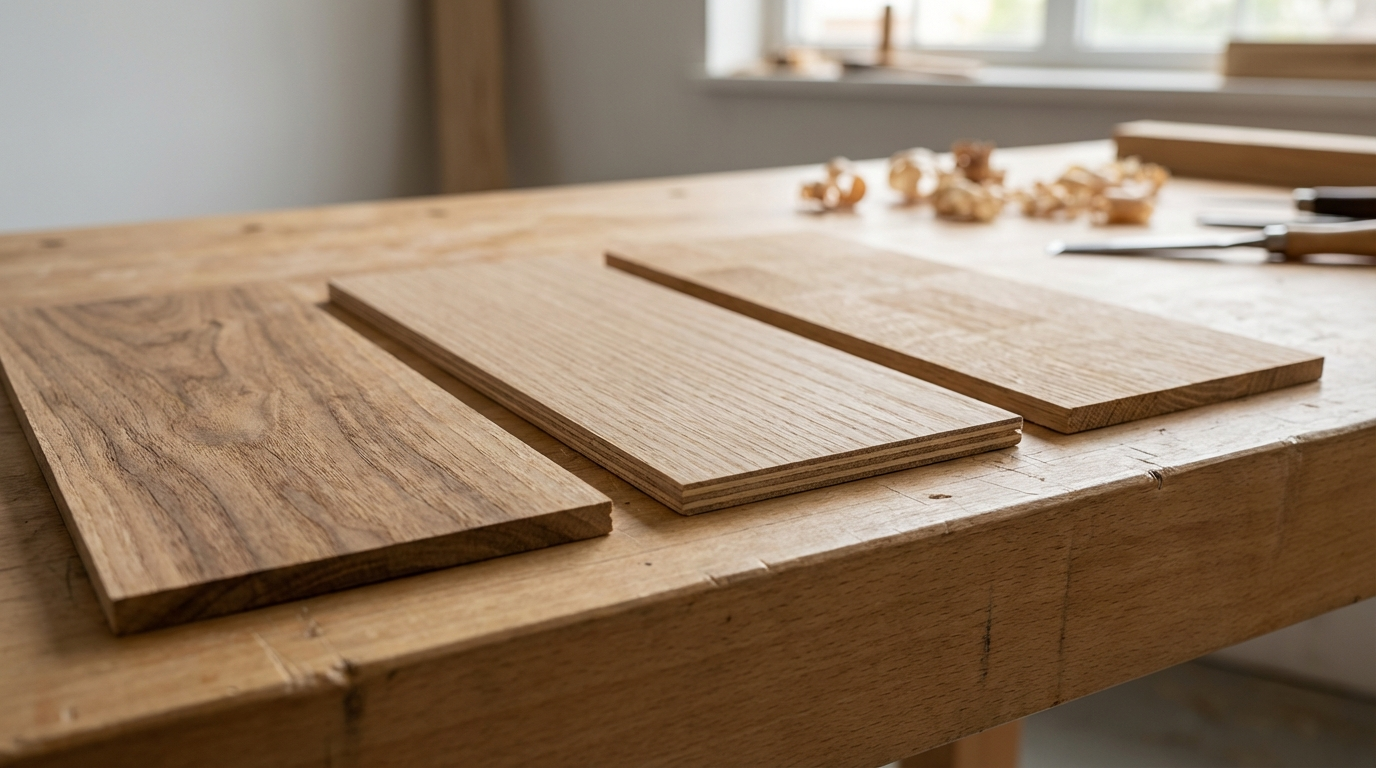
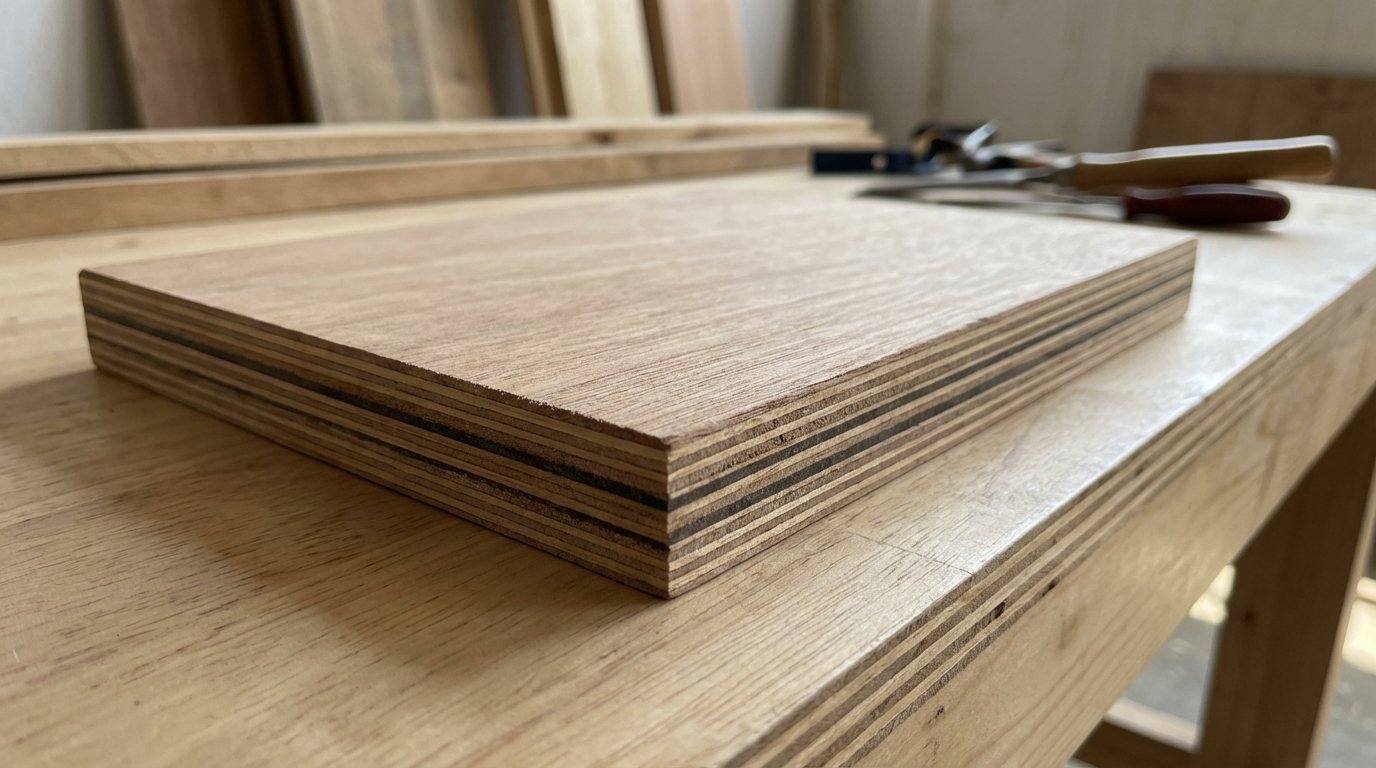
What is BWR plywood? Boiling Water Resistant explained
What is BWR plywood? Boiling Water Resistant explained: a practical India-focused guide with checklists, FAQs and quick tables to help you choose the right
Quick Decision Summary
BWR plywood is a mid-grade moisture-resistant board that holds up to brief boiling water exposure, ideal for humid Indian interiors like kitchens.
If you're in a hurry: BWR (Boiling Water Resistant) plywood suits most home uses in monsoon-prone areas, outperforming basic MR grades without the premium cost of full marine BWP. It uses stronger glue lines for better delamination resistance during high humidity or occasional spills. Expect thicknesses from 3-25mm, with prices varying by city and quality. Verify core gaps and face veneers on-site before buying to avoid common fakes.
- Choose this if: moderate moisture exposure, budget-conscious projects, or interior furniture/partitioning.
- Avoid this if: direct outdoor use, coastal saltwater splash, or submersion risks—opt for BWP instead.
What This Term/Material Actually Means
BWR plywood refers to Boiling Water Resistant boards made by bonding veneers with synthetic resins like phenol-formaldehyde. Under Indian standards, it passes a test where samples boil for 4 hours without separating, signaling reliable glue strength for wet conditions.
Unlike casual "waterproof" labels, BWR focuses on glue line integrity, not surface sealing. Faces are typically hardwood veneers, cores from poplar or mixed woods for balance.
Is BWR plywood fully waterproof?
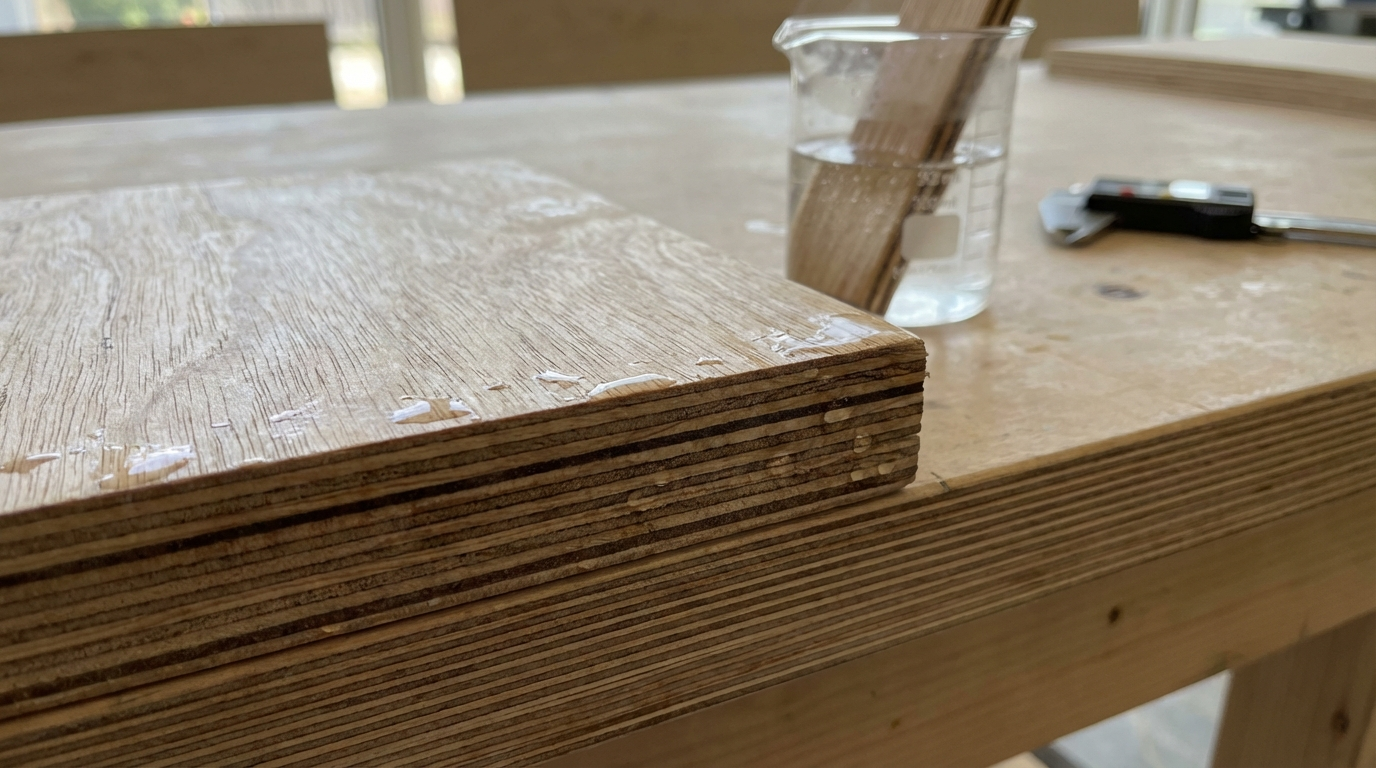
No, BWR resists boiling water briefly but isn't impervious long-term. Water can penetrate unsealed edges or poor cores, causing swelling over monsoons. It excels in kitchens or bathrooms with good ventilation, but always edge-seal and avoid floor contact. Test by soaking a sample edge overnight—minimal warp means quality glue. Next, pair with moisture barriers like laminates for extended life.
What's the difference between BWR glue and regular plywood adhesives?
BWR uses phenolic resins that cross-link under heat/pressure, creating water-repelling bonds. Regular MR relies on urea-formaldehyde, weaker in humidity. This makes BWR suitable for steamy Indian cooking zones. Check glue color (dark brown for phenolic) and ask for boil test demo. If sourcing bulk, insist on batch consistency to prevent weak lines.
Does BWR plywood meet any specific Indian standards?
It aligns with IS 303 guidelines for boiling water resistance, covering glue shear strength and veneer quality. Not as rigorous as IS 710 for marine use. Inspect for marked grades on edges. For architects, specify "IS 303 compliant BWR" in drawings, then verify via knock test for solid cores. This ensures monsoon durability without over-specifying.
India-Specific Reality Check
In India's varied climates, BWR shines where humidity spikes (80-95% in monsoons) but no constant wetting. Coastal Kerala or Mumbai sites see edge swelling if stored flat on bare floors—stack vertically with spacers. Contractor workflows often ignore acclimatization, leading to gaps post-install.
Monsoon storage tip: Cover stacks, elevate off ground. Workmanship matters—poor nailing punches holes for water ingress.
Can BWR handle Mumbai monsoon humidity?
Yes, typically, if edges are sealed and not floor-level. High relative humidity softens cores over weeks, but BWR glue recovers better than MR. Acclimatize 72 hours in site conditions. For apartments, use in wardrobes; verify by tapping for hollow sounds pre-buy. Seal with putty post-cut.
Price Range and Cost Drivers (India)
BWR plywood typically ranges Rs 70-140 per sq ft (18mm), varying by metro vs tier-2 cities, thickness, and core type. Thinner 6-12mm sheets cost less per volume.
| Thickness | Typical Range (Rs/sq ft) | Key Drivers |
|---|---|---|
| 12mm | 50-90 | Basic core, utility faces |
| 18mm | 70-120 | Calibrated, better veneers |
| 25mm | 100-160 | Heavy-duty cores, premium faces |
Cost jumps with calibration (flatness), face grain quality, and logistics. Ask quote for: "18mm BWR calibrated, teak face, poplar core, delivered." Budget example: 100 sq ft kitchen cabinetry ~Rs 10,000-15,000 material, excluding labor.
Two-Minute Comparison That Actually Helps
| Use Case | MR Plywood | BWR Plywood | BWP/Marine |
|---|---|---|---|
| Dry bedrooms | Best value | Overkill | Too costly |
| Kitchens/bathrooms | Risky | Ideal balance | Future-proof |
| Coastal outdoors | Avoid | Marginal | Essential |
| Price/sq ft (18mm) | 50-80 | 70-120 | 120-200 |
Pick BWR for wet interiors; verify by exposure history in humid zones.
How to Choose in 5 Steps
- Assess exposure: Humidity/spills? Skip MR.
- Check visuals: Even veneers, no gaps.
- Knock test: Solid thud, no hollows.
- Edge scrutiny: Smooth, glue residue uniform.
- Acclimatize: Site-condition 48-72 hours pre-cut.
Skipping step 3 risks core voids causing sags.
Which is better for Indian kitchens: BWR or BWP?
BWR suffices for most, saving 30-50% cost unless submersion risks. Kitchens see steam/spills; BWR glue holds if sealed. BWP for commercial heavy-use. Inspect BWR core density (heavy feel). Next: Laminate tops, ventilate. Trade-off: BWP heavier, harder to cut.
Decision Framework: Match Your Project to the Right Grade
| Condition | Recommended | Verify This |
|---|---|---|
| High humidity, spills | BWR | Glue line color, boil resistance claim |
| Coastal/salt air | BWP | IS 710 mark, denser core |
| Tight budget, dry use | MR | Lightweight, even faces |
| Heavy load-bearing | BWR 18-25mm | Calibration tolerance <0.5mm |
| Fast delivery needed | Stock BWR | Local batch availability |
| Scratch-prone kids' room | Laminated BWR | Hardwood face thickness |
Trade-offs and Limitations
BWR costs more than MR but less than BWP; great mid-tier. Limits: Not for immersion—swells unsealed edges. Heavier than MR, needs strong frames. In heat (40°C+), minor emissions possible if low-grade.
Quality Checks You Can Do Without Lab Tests
- Pre-buy: Weigh sample (dense = good core), check edge alignment.
- Post-cut: No glue lumps, flat sawn edges.
- Installed: No door sags, even swelling after rain.
Red flag: Light color glue (urea fake).
How do you identify fake BWR plywood?
Fakes use MR glue with stickers. Scratch edge: Powdering means weak bond. Soak scrap 2 hours—delam if fake. Buy from reputed yards, demand recent batch. Next: Document with photos for disputes.
Tips for Homeowners
Clean with damp cloth only, avoid standing water. Seal edges yearly in humid zones. Don't overload shelves without frames.
Tips for Carpenters
Cut with fine blade, pre-drill screws. Hinge zones: Reinforce with blocks. Handle edges to prevent chips.
Tips for Architects
Spec "BWR IS 303, calibrated ±0.3mm." Detail edge banding in wet zones. Plan ventilation.
Common Buyer Mistakes and How to Avoid Them
- Mistake: Assuming "BWR" means fully waterproof. Why: Marketing blur. Fix: Test soak scrap.
- Mistake: Storing flat outdoors. Why: Warps cores. Fix: Vertical racks.
- Mistake: Skipping acclimatization. Why: Site humidity mismatch. Fix: 3-day wait.
- Mistake: Cheap thin faces. Why: Scratches easy. Fix: 1.5mm+ veneer.
- Mistake: No edge sealing. Why: Water wicks in. Fix: Epoxy putty.
- Mistake: Overlooking core gaps. Why: Sags loads. Fix: Torchlight check.
- Mistake: Buying unmarked sheets. Why: Grade fakes. Fix: Insist stamps.
- Mistake: Ignoring thickness tolerance. Why: Uneven cabinets. Fix: Measure stack.
Failure Modes and Fixes
- Symptom: Edge swelling. Cause: Unsealed ends. Prevent: Prime all cuts. Fix: Sand, reseal.
- Symptom: Delamination. Cause: Weak glue. Prevent: Reputed source. Fix: Clamp, epoxy.
- Symptom: Core sagging. Cause: Voids. Prevent: Knock test. Fix: Replace section.
- Symptom: Face bubbling. Cause: Moisture trap. Prevent: Ventilate. Fix: Refinish.
- Symptom: Screw pull-out. Cause: Soft core. Prevent: Dense grade. Fix: Plug reinforce.
- Symptom: Warping. Cause: Uneven moisture. Prevent: Balance both sides. Fix: Wet opposite face.
Will BWR plywood warp in humid wardrobes?
Rarely if sealed and ventilated; cores absorb less than MR. Indian wardrobes trap steam—add silica packs. Check post-monsoon. If warping, even moisture exposure fixes minor cases. Spec louvered backs for air flow.
Is BWR safe for modular kitchens?
Yes, with laminate; withstands steam cycles. Modular needs precise cuts—calibrated BWR essential. Verify flatness with straightedge. Handles assembly line repeatability well.
FAQs
What's the main use of BWR plywood in homes?
BWR fits interiors with moisture like modular kitchens, wardrobes, or bathroom vanities. Glue resists delamination from humidity or spills, common in Indian apartments. Not for roofs or exteriors. Homeowners gain durability without BWP expense. Always seal edges and use frames for loads. Confirm quality via density check for long-term stability.
Can BWR be used outdoors in India?
Not recommended; boiling resistance doesn't cover UV or rain cycles. Coastal areas accelerate breakdown. Opt for treated alternatives. If semi-covered, seal heavily and monitor quarterly. Contractors often misuse—insist on BWP for patios.
How long does BWR plywood last?
10-20 years indoors with care, depending on exposure and maintenance. Monsoon vigilance extends life. Varies by batch quality. Track via annual inspections for early fixes.
Is BWR plywood termite resistant?
Not inherently; depends on treatment. Indian softwood cores need preservatives. Check for oily scent or stamps. Pair with barriers for infested zones.
What's better for partitions: BWR or blockboard?
BWR for moisture areas; blockboard lighter but less rigid. Partitions need screw-holding—BWR wins. Test screw pull on samples.
Does BWR emit formaldehyde?
Minimal from phenolic glue, but ventilate new installs. India norms vary—choose low-emission marked. Air out 7 days.
Can I paint BWR plywood?
Yes, after sanding and primer. Good base for emulsions. Seal first for humidity. Popular for budget furniture.
How to store BWR plywood before use?
Vertical, covered, off ground in dry shade. Acclimatize post-delivery. Prevents warp in humid godowns. Disclaimer: This content is provided for general informational purposes based on industry practices and publicly available information. Product specifications, standards, prices, and availability may vary by manufacturer, region, and time. Readers should independently verify details with manufacturers, dealers, or qualified professionals before making purchase or construction decisions.
Want Plywood Suggestions?
Share a few details and a Duro BOIL specialist will suggest suitable brands and connect you to responsive dealers.